
How to detect termites before construction
How to detect termites before construction
1/28/20267 min read
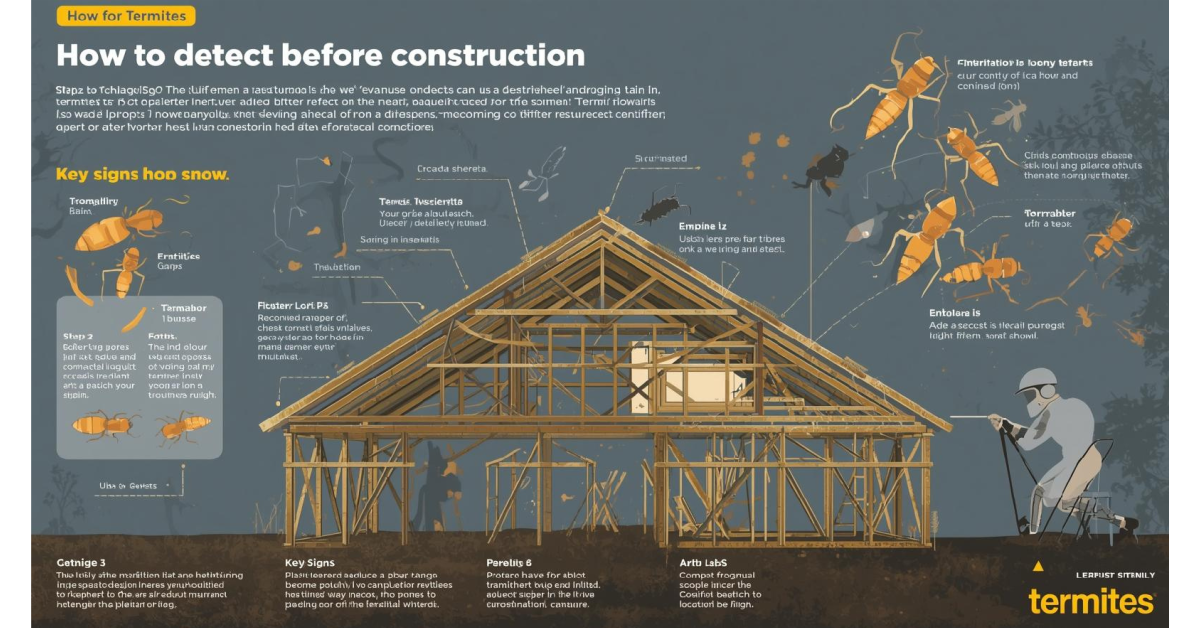
Understanding Termites: An Overview
Termites are social insects that play an essential role in the ecosystem by breaking down cellulose materials such as wood and plant matter. However, these benefits can quickly become detrimental, particularly when termites infest structures like homes and buildings. There are several species of termites, but the most common include drywood, subterranean, and dampwood termites. Each species exhibits distinct behaviors and preferences when it comes to feeding and nesting.
Drywood termites typically reside within the wood they consume, preferring dry, undisturbed timber, whereas subterranean termites make their homes underground and require moisture from the soil to survive. Dampwood termites, as their name suggests, thrive in damp or decaying wood, which often occurs in wet climates or areas with high humidity. Understanding these species and their habits is crucial for identifying potential threats to any construction project.
The presence of termites in a structure can lead to significant structural damage over time. They can undermine the integrity of beams, walls, and other critical components, resulting in costly repairs or even total reconstruction. The ability to detect termites before construction begins is essential for the long-term health of any building. Early detection methodologies may include visual inspections, moisture measurements, and utilizing specialized equipment designed to uncover these hidden pests.
Moreover, engaging with pest control professionals prior to beginning any construction can significantly mitigate the risk of an infestation. These experts can conduct thorough inspections and recommend preventative measures. Awareness of the different termite species and their habits arms homeowners and construction teams with vital knowledge necessary for protecting structures against these voracious pests.
Signs of Termite Infestation
Recognizing the signs of termite infestation is crucial for homeowners and builders alike, especially before beginning any construction work. Termites, often called silent destroyers, can cause significant damage before their presence is even detected. Early identification is key to managing and mitigating the risks associated with these pests.
One of the most visible indicators of a termite infestation is the presence of mud tubes. These tubes, often found along foundation walls or wooden structures, serve as protective tunnels that termites use to travel between their nest and food sources. They are typically about the width of a pencil and can appear as thin, dried mud streaks. Inspecting for such tubes should be an integral part of the pre-construction checklist.
Another notable sign is the discovery of discarded wings around the property. During the reproductive phase, winged termites, or alates, leave their original colonies to establish new ones. After mating, these alates shed their wings, which can often be found in piles near windowsills or doorways. The presence of these wings is a clear warning sign that termites are nearby and may already be nesting in the vicinity.
Furthermore, hollow-sounding wood can be a subtle yet significant indicator of termite damage. When tapping on wooden surfaces, if a hollow sound is produced, it may suggest that the inner wood is being consumed by termites. This phenomenon often occurs in wooden beams, flooring, or furniture. Homeowners and builders should conduct a thorough inspection to detect any such sounds before undertaking construction activities.
In addition to the more overt signs mentioned, there are subtler indicators that may require closer examination. Signs of frass, or termite droppings, can also signal an infestation. This excrement often resembles small grains of sand or sawdust and serves as evidence of an active colony. By remaining vigilant and aware of these signs, one can proactively address a potential termite problem before it escalates.
Methods for Detecting Termites Before Construction
Detecting termites before the construction phase is crucial for maintaining structural integrity and minimizing potential damage. Several methods are employed to identify any termite activity in the area prior to commencing building operations.
One of the most reliable methods is a professional inspection, which involves hiring a certified pest control expert. These professionals have extensive knowledge and experience in identifying signs of termite infestation, including wood damage, mud tubes, and droppings. The advantage of this method lies in the thoroughness and expertise provided; however, it comes at a higher cost compared to other methods.
For those preferring a DIY approach, visual checks can be an effective preliminary measure. Individuals can inspect the property for visible signs of termites such as damaged wood and mud tubes. This method is low-cost and accessible, yet it requires a keen eye and may not uncover hidden infestations.
Another valuable tool for detecting termites is the use of moisture meters. This device measures the moisture content in building materials; elevated levels may indicate potential termite activity, as these pests are attracted to damp environments. Although this method is relatively easy to apply, it does not provide definitive evidence of an infestation and should ideally complement other detection techniques.
Moreover, thermal imaging technology has gained popularity for termite detection. This advanced method identifies variations in temperature that may indicate termite presence as they create heat through their activities. Although thermal imaging offers a non-invasive approach, it often requires specialized equipment and trained personnel to interpret the results effectively.
Each method of detecting termites before construction has its own merits and drawbacks. By utilizing a combination of inspections, visual checks, moisture meters, and thermal imaging, property owners can significantly enhance their chances of identifying potential termite threats ahead of time, ensuring a safer building experience.
Importance of Soil Treatment
Undertaking soil treatment prior to construction is a crucial element in effectively preventing termite infestations. As these wood-destroying organisms thrive in environments that provide them with moisture and shelter, treating the soil can significantly diminish the risk of termites infiltrating a new structure. By integrating soil treatments into construction practices, it is possible to establish a protective barrier against these pests, safeguarding investments in both residential and commercial properties.
There are several types of soil treatments available to deter termites, each varying in effectiveness and application methods. One common approach involves the use of chemical termiticides, which are applied to the soil before construction begins. These substances create a chemical barrier that repels and ultimately kills any termites attempting to approach the structure. Another method includes the use of organic treatments, such as borate compounds, which are less toxic and offer an environmentally friendly alternative. While chemical treatments tend to be more effective for immediate protection, organic options may appeal to those considering long-term sustainability.
Incorporating soil treatment into construction practices requires proper planning and execution. Builders and contractors should work closely with pest management professionals to determine the most appropriate treatment based on the soil type and local pest pressures. Additionally, following up with routine inspections and spot treatments can ensure the long-term efficacy of the initial soil treatment, further bolstering defenses against termite activity. Conclusively, by prioritizing soil treatment within pre-construction planning, property owners can significantly reduce the likelihood of termite issues, ultimately preserving the integrity and value of their constructions.
Regular Inspections and Monitoring
Detecting termite infestations before construction begins is crucial to maintaining the integrity of any structure. One effective strategy to combat these destructive pests is through regular inspections and ongoing monitoring. Conducting these activities consistently can help identify early signs of termite activity and prevent more extensive damage, saving both time and money in the long run.
Property owners should schedule inspections at least twice a year. This frequency allows for a thorough examination of the property, ensuring that any potential termite issues are detected early. During these inspections, it is vital to check common areas where termites are likely to be active, such as wood piles, foundations, and areas with moisture accumulation. Pay close attention to wood that appears hollow, as this can be an indicator of termite activity. Additionally, the presence of mud tubes—small tunnels made from soil, wood, and saliva—along walls can signal an infestation.
Monitoring should not be limited to visual inspections; it can also include employing termite detection systems or traps. These devices can be strategically placed around the premises to catch any potential infestations early on. Utilizing these systems alongside regular inspections creates a comprehensive monitoring approach that greatly decreases the likelihood of a severe termite problem.
Furthermore, homeowners should educate themselves about the signs of termite activity. These include discarded wings, droppings resembling sawdust, and any unexplained noises within walls or wood structures. Understanding these signs not only enhances the effectiveness of inspections but fosters proactive management of potential infestations.
Incorporating these practices into a routine maintenance plan is essential for the long-term protection of any building. Through diligent monitoring and regular inspections, property owners can ensure their structures remain safe from the devastating effects of termites.
Engaging Professional Pest Control Services
When it comes to detecting termites before construction, engaging professional pest control services can prove invaluable. These experts not only have access to advanced tools and techniques but also possess extensive knowledge of termite behavior and biology, allowing for a thorough inspection that a layperson may easily overlook. By employing their services, property owners gain confidence that potential issues are addressed well before any construction commences.
Choosing a reputable pest control company can significantly influence the results of a termite inspection. Prospective clients should consider a few key qualifications when selecting a service. Firstly, it is essential to confirm that the chosen company holds appropriate licenses and insurance. This ensures that the professionals are not only qualified but also accountable for their work. Industry certifications from organizations such as the National Pest Management Association (NPMA) further reflect the company's adherence to quality standards and best practices.
Another crucial factor to consider is the experience of the service provider. Companies that have been operating for several years often have a proven track record and a wealth of knowledge pertaining to termite detection and treatment protocols. Additionally, asking for references and reading online reviews can provide insights into the experiences of past clients and the effectiveness of the services rendered.
Furthermore, potential clients should seek a pest control service that offers a comprehensive inspection. A thorough examination of the property should include both visible inspection and moisture level assessments, as high humidity can attract termites. Finally, transparency about methods and costs is key; a reliable company should be eager to explain their processes and provide a clear estimate before any work begins. By following these guidelines, property owners can ensure that they engage the right professionals to detect and address termite concerns effectively.
Conclusion: Protecting Your Investment from Termites
Termites can be a significant threat to any construction project, often leading to extensive damage and financial loss if not addressed early. Throughout this guide, we have emphasized the necessity of detecting termites before the construction phase begins. By being proactive and implementing preventive measures, you can protect your investment and ensure the longevity of your building.
To effectively detect termite presence, it is crucial to conduct thorough inspections and incorporate appropriate pest control strategies. Regular monitoring and maintenance should be part of the construction timeline, as infrequent checks might overlook critical signs of termite activity. Equipping your team with knowledge about the various forms of termites and their behaviors can empower them to take essential action when necessary.
Moreover, leveraging modern technologies, such as moisture sensors and thermal imaging, can enhance your detection efforts, enabling you to identify potential infestations before they escalate into serious issues. Collaboration with professional exterminators for pre-construction evaluations can also provide valuable insights and solutions, ensuring that preventive measures are correctly applied.
In conclusion, the key to shielding your investment lies in awareness, vigilance, and responsiveness to pest threats. By prioritizing termite detection in the early stages of your construction project, you mitigate the risks associated with these destructive insects. Taking a strategic approach not only protects your property but also saves significant costs in future repairs and renovations. Remember, an informed and proactive stance against termites is vital in securing the integrity of your construction investment.
Address:
264/5, Kamal Soroni Road, Mirpur, Dhaka-1216
Contact
Your Quaries on pest control askings
pestexterminatorbd@gmail.com
+8801642008383 +8801988300003, 01723057746
© 2025. All rights reserved. to Urban Pest Control Pvt. Ltd. this site is powered by Our Own IT Team