
How to Get Rid of Bed Bugs Permanently (Step-by-Step Professional Guide)
2/28/20268 min read
Signs of Bed Bugs
Identifying bed bugs in your home can be challenging, but there are several key signs that may indicate an infestation. One of the most common indicators is the appearance of bites on the skin. These bites often present as small, red welts that can be itchy and may appear in a linear pattern on areas of the body exposed during sleep. It is essential to note that not everyone reacts to bed bug bites, so the absence of visible marks does not necessarily mean an infestation is not present.
Another significant sign of bed bugs includes blood stains on linens or bedding. These stains may occur when a bed bug is crushed after feeding or when blood is leaked from its bite. Homeowners should carefully inspect their bedding, mattresses, and pillowcases for any suspicious spots. Additionally, keep an eye out for the physical remnants of bed bugs, such as exoskeletons. After molting, bed bugs shed their outer shells, which can be found in cracks, crevices, or near sleeping areas.
Furthermore, a distinct musty odor can indicate a larger problem with bed bugs. This odor is produced by the pheromones emitted by bed bugs, which can be especially pronounced in cases of severe infestations. To conduct a thorough inspection, it is advisable to examine the seams of mattresses, box springs, and upholstered furniture, as these are common hiding places for these pests. Use a flashlight to scour dark corners and the undersides of furniture where bed bugs may conceal themselves. By being vigilant and aware of these signs, homeowners can take prompt action to mitigate any potential bed bug infestations.
DIY vs Professional Bed Bug Control
When faced with a bed bug infestation, individuals often grapple with the decision between employing do-it-yourself (DIY) methods versus seeking professional pest control services. Each option comes with its distinct advantages and disadvantages that should be carefully considered before taking action.
DIY methods for bed bug treatment typically include approaches such as vacuuming, steam cleaning, and using over-the-counter insecticides. Many homeowners appreciate these methods due to their cost-effectiveness and the immediate access they provide. In addition, common household items, such as diatomaceous earth and essential oils, are often touted as natural remedies to help repel and eliminate bed bugs. However, while DIY techniques may yield temporary relief, their overall effectiveness is frequently limited. The hidden nature of bed bugs, often residing in inaccessible nooks and crannies, makes comprehensive eradication challenging without specialized knowledge and tools.
On the other hand, hiring professional pest control services brings a wealth of expertise and resources that can significantly enhance the chances of successful bed bug removal. Pest control technicians are trained to locate infestations, understand bed bug behavior, and apply chemical or non-chemical methods effectively. Many companies in Dhaka also provide guarantees for their treatments, offering peace of mind that the infestation will be adequately addressed. This is particularly critical in severe cases where a comprehensive treatment plan is necessary. Furthermore, professionals often utilize advanced technologies, such as heat treatment and specialized insecticides, to ensure a thorough elimination of the pests.
In conclusion, while DIY methods may seem appealing due to their lower upfront cost, they often lack the thoroughness required to combat a bed bug infestation effectively. For those dealing with significant or persistent infestations, enlisting the help of professional pest control services might be the most prudent choice to ensure effective and lasting results.
Treatment Methods for Bed Bugs
Addressing bed bug infestations requires a multi-faceted approach, incorporating both chemical and non-chemical treatment methods. Each method varies in effectiveness and application, and it is crucial to understand their specific characteristics.
Chemical treatments are commonly employed in bed bug eradication efforts. They typically include the application of insecticides formulated specifically for bed bugs. These may consist of pyrethroids, neonicotinoids, and insect growth regulators. The effectiveness of these chemicals can be influenced by several factors, including the severity of the infestation and the bed bug populations' resistance to certain pesticides. For optimal results, it is essential to follow the manufacturer's instructions closely, facilitating safe and efficient application.
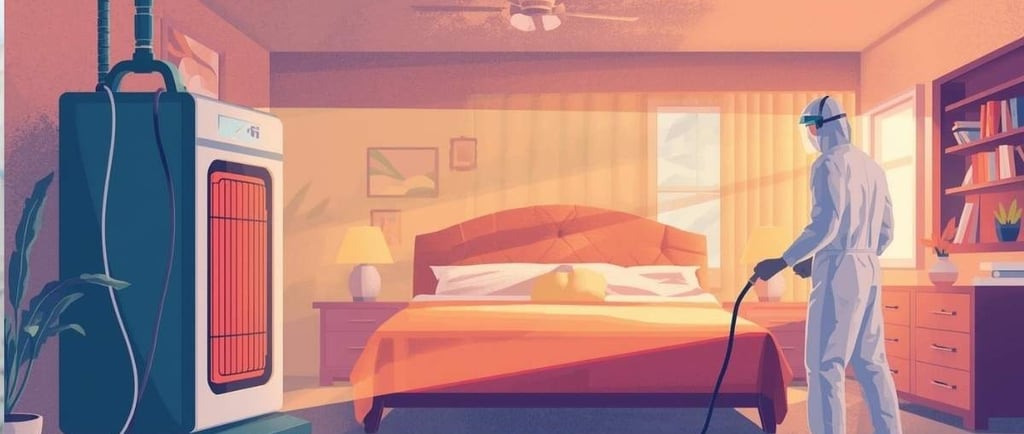
A key non-chemical strategy is heat treatment, which involves raising the temperature in infested areas to a level lethal to bed bugs. This method has proven highly effective, as bed bugs cannot survive temperatures above 46°C (115°F). Professional pest control services often employ specialized equipment that can efficiently heat entire rooms. Safety precautions must be taken to protect belongings and avoid damage to heat-sensitive items.
Steam cleaning is another popular non-chemical approach that utilizes high-temperature steam to kill bed bugs and their eggs. This method is particularly suitable for items that cannot be treated with chemicals, such as mattresses and upholstered furniture. It is important to ensure that the steam reaches adequate temperature and contact time for effective results.
Additionally, mattress encasements are a valuable preventive measure. These protective covers can trap any existing bed bugs and prevent new infestations. It is critical to select encasements verified to be bed bug-proof to maximize their effectiveness.
Finally, it is essential to follow up with additional treatments to ensure complete eradication. Bed bugs can be notoriously resilient, and vigilant monitoring combined with repeated treatments may be necessary to achieve total elimination. Effective pest management plans should include comprehensive inspections and an integrated approach to ensure lasting results.
Prevention Tips to Avoid Bed Bug Infestations
To effectively prevent bed bug infestations, it is crucial to adopt a proactive approach. One of the primary settings where bed bugs can easily be introduced is during travel. Always inspect hotel rooms for signs of bed bugs upon check-in. Look for small reddish-brown spots on bedding, mattress seams, and furniture. It is advisable to keep luggage on metal racks rather than on the bed or floor to decrease the risk of bringing unwanted pests into your home.
When considering second-hand furniture or other used items, meticulous inspection is paramount. Bed bugs can hide in crevices and corners of such items, making it essential to thoroughly examine for any signs of infestation before bringing them into your home. If a piece of furniture has been exposed to an unknown environment, it may serve as a potential vector for these pests.
Maintaining a clean and clutter-free living environment can significantly minimize the risk of bed bugs taking up residence. Regular vacuuming of carpets, upholstery, and other areas helps to remove any potential eggs or adults that may have settled. Washing and drying bed linens and other fabrics at high temperatures can also eliminate these pests. Furthermore, sealing potential entry points, such as cracks and crevices in walls, floors, and furniture, can reduce their likelihood of accessing your living spaces.
Implementing these strategies collectively fosters an environment less hospitable to bed bugs. Increasing awareness and vigilance around travel, second-hand purchases, and cleanliness will greatly enhance your defense against bed bug infestations. Adopting such measures can prevent a small problem from escalating into a significant issue, ensuring a more comfortable household.
Mattress Protection Advice
Protecting your mattress is a crucial step in preventing bed bug infestations. An effective way to achieve this is by using mattress encasements specifically designed to keep bed bugs out. These encasements are typically made from high-quality materials that seal the mattress completely, creating a barrier against these pests. Not only do they block bed bugs from entering your mattress, but they also contain any existing bed bugs within, preventing them from spreading.
When selecting mattress encasements, it is essential to focus on several key factors. First, ensure the encasement is labeled as bed bug proof, which indicates it has been tested and certified to prevent bed bug entry. Look for encasements made from durable materials that are resistant to tearing and moisture. Additionally, a good encasement will feature a zipper with a secure locking mechanism to avoid any potential openings for bed bugs.
Proper maintenance of mattress covers is equally important for long-term effectiveness. To achieve this, regularly inspect the encasement for any signs of wear, such as tears or damage. If you notice any issues, promptly replace the damaged encasement with a new one. It is also advisable to wash the encasement according to the manufacturer's instructions, typically every few months, to keep it clean and effective. When laundering, always use hot water, as this helps eliminate any potential bed bugs or eggs that may have adhered to the fabric.
By investing in high-quality mattress encasements and maintaining them properly, homeowners can significantly reduce the risk of becoming infested with bed bugs. This proactive approach is a vital component of comprehensive bed bug treatment strategies.
The Role of Bed Bug Removal Services in Dhaka
In the bustling city of Dhaka, where densely populated living conditions often lead to pest issues, the significance of professional bed bug removal services cannot be overstated. These services provide indispensable assistance in eradicating infestations that may otherwise disrupt daily life. They are equipped with the knowledge, experience, and tools necessary to effectively handle bed bug issues, offering tailored solutions that address the unique needs of each household.
When selecting a reliable pest control service in Dhaka, it is essential to consider several factors. First, check the service provider’s certifications and licenses to ensure they adhere to industry standards. Reading reviews and testimonials from previous clients can offer insights into their effectiveness and customer service. Moreover, a provider should be able to furnish testimonials or case studies regarding their past success in managing similar infestations, in order to instill confidence in prospective clients.
During the treatment process, most bed bug removal services in Dhaka will begin with a thorough inspection of the premises to identify the extent of the infestation. This is typically followed by treatments that may include chemical applications, heat treatments, or a combination of both methods. Homeowners should expect to be briefed on the procedures and safety measures beforehand, ensuring transparency throughout the process. An essential component of these services includes providing post-treatment guidance to prevent future occurrences, which can be invaluable for households.
Cost is another critical aspect of professional bed bug removal services. Pricing may vary based on the size of the infestation, the treatment methods used, and the provider’s experience. On average, residents can anticipate spending between BDT 2,500 and BDT 10,000, depending on their specific circumstances. While it may seem like a considerable investment, the value of a pest-free environment cannot be understated, as it significantly contributes to overall health and well-being.
Frequently Asked Questions about Bed Bugs
Bed bugs are small, parasitic insects that primarily feed on human blood. Understanding their lifecycle and behavior is crucial for effective treatment. Adult bed bugs are approximately 4-5 mm in length and can live for several months without feeding. The lifecycle consists of three stages: eggs, nymphs, and adults. A single female bed bug can lay up to five eggs per day, leading to rapid population growth. Under optimal conditions, bed bugs can reproduce at an alarming rate, with full development from egg to adult taking about five weeks.
Many individuals express concern about the health risks associated with bed bug bites. While bed bugs are not known to transmit diseases, their bites can cause significant discomfort and trigger allergic reactions in some individuals. The bites often occur in clusters or lines and may result in itching, redness, and in some cases, secondary infections due to scratching. It is essential to seek medical advice if severe reactions or signs of infection develop.
Another frequent inquiry pertains to insurance coverage for pest control services. Generally, most homeowner insurance policies do not cover pest control for bed bugs, as infestations are often considered a maintenance issue. However, it is worth checking your specific policy or consulting with your insurance provider to clarify your coverage options.
Lastly, many homeowners wonder how long the effects of treatment will last. The longevity of bed bug treatment can vary significantly based on the methods used and the severity of the infestation. Typically, chemical treatments can provide long-lasting results of several months when properly applied. Nevertheless, regular monitoring and preventative measures are advisable to avoid future infestations.
Address:
264/5, Kamal Soroni Road, Mirpur, Dhaka-1216
Contact
Your Quaries on pest control askings
pestexterminatorbd@gmail.com
+8801642008383 +8801988300003, 01723057746
© 2025. All rights reserved. to Urban Pest Control Pvt. Ltd. this site is powered by Our Own IT Team