
How to Get Rid of Cockroaches Permanently in Your Home (Step-by-Step Guide)
2/24/20267 min read
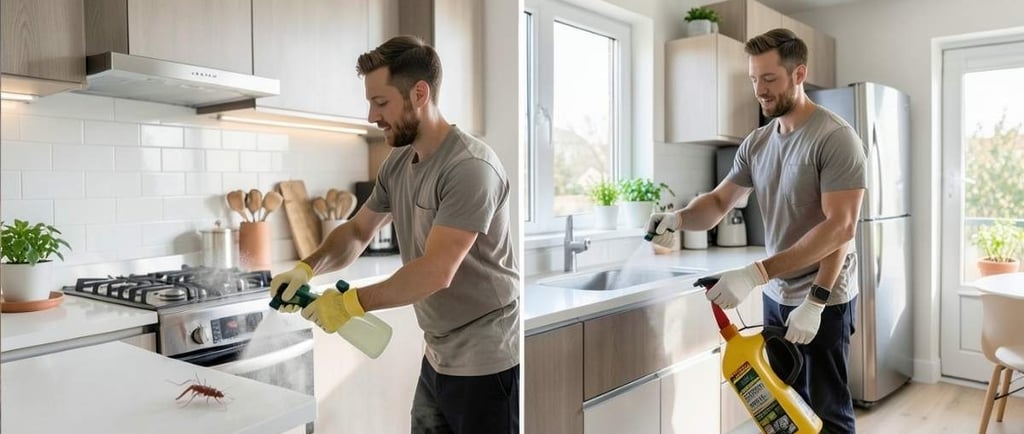

Introduction to Cockroaches
Cockroaches are among the most resilient and adaptable pests found in urban environments globally. These insects are notorious for their ability to thrive in various conditions, making them one of the most common household pests. Cockroaches belong to the order Blattodea and are characterized by their flat, oval-shaped bodies, long antennae, and a rapid reproductive rate. Their presence is often unwelcome, as they are associated with unsanitary environments and can transmit various diseases, posing health risks to humans.
One of the key traits that contribute to the survival of cockroaches is their adaptability. They can live without food for extended periods, survive in harsh environments, and are capable of consuming a wide variety of organic matter. This omnivorous diet allows them to find sustenance in virtually any environment, especially in urban areas where food waste is more prevalent. Furthermore, cockroaches are equipped with an acute sense of smell and tactile perception, enabling them to locate food and shelter efficiently.
In addition to their adaptability, cockroaches are known for their impressive reproductive capabilities. A single female cockroach can produce hundreds of offspring in a year, leading to rapid population growth if control methods are not effectively implemented. This reproductive strategy makes cockroach infestations particularly challenging to manage, as even a small number of individuals can quickly lead to a larger population if conditions are favorable.
Their presence is not merely an inconvenience; it raises significant concerns regarding hygiene and public health. Cockroaches are known carriers of pathogens, contributing to the spread of illnesses such as asthma and gastrointestinal disorders. As such, understanding cockroaches, their lifecycles, and effective control methods is vital for maintaining healthy living conditions in urban settings.
Lifecycle of Cockroaches
The lifecycle of cockroaches is a fascinating process that consists of three primary stages: the egg, the nymph, and the adult. Understanding each phase is essential for effective management and control of these pests.
The lifecycle begins with the egg stage, during which cockroaches produce egg cases known as oothecae. A female cockroach can produce between 30 to 40 eggs at a time, encapsulated in a protective casing. Depending on the species and environmental conditions, these eggs typically incubate for about 30 days before hatching. Factors such as temperature, humidity, and availability of food significantly influence the incubation period. A warmer environment often accelerates this stage, resulting in a quicker emergence of nymphs.
Once hatched, the young cockroaches, called nymphs, emerge from the egg case. Nymphs resemble miniature versions of adult cockroaches but lack fully developed wings and reproductive organs. During this stage, which can last several weeks to several months, the nymphs will molt numerous times, shedding their exoskeleton as they grow. The number of molts can vary by species and environmental factors, with some nymphs molting up to six times before reaching adulthood.
Throughout their development, nymphs require food and suitable conditions to thrive. Environmental factors, including temperature and moisture levels, play a crucial role in their growth rate. Ideally, a comfortable temperature provides both food sources and hydration, allowing for rapid development into adult cockroaches. As they mature, these nymphs will undergo their final molt to become fully grown adults capable of reproduction.
In summary, understanding the lifecycle of cockroaches from egg to adult is vital for effective pest management strategies. Recognizing the significant role of environmental factors in their development can aid in implementing control methods tailored to their lifecycle stage.
Causes of Cockroach Infestation
Cockroach infestations are prevalent in urban apartments and homes, primarily due to a combination of environmental factors that cater to their survival needs. Understanding these factors is essential for effective pest control and prevention strategies. One significant cause of cockroach infestations is the availability of food sources. Cockroaches are omnivorous scavengers, and even the smallest crumbs or food residue can attract them. They are particularly drawn to starchy, sugary, and fatty foods, making kitchens and dining areas prime targets. Thus, improper food storage and inadequate cleaning practices can create conducive conditions for an infestation.
Another critical factor is the accessibility of water, as cockroaches can survive for weeks without food but only a few days without water. Leaking pipes, standing water, or even moisture accumulation in bathrooms and basements can provide the necessary hydration that cockroaches seek. Additionally, open containers or dishes left with residual moisture can inadvertently invite these pests into the living space.
Harborages, or places where cockroaches can hide and breed, significantly contribute to their proliferation. Cluttered areas, such as closets, attics, and basements, can offer ideal shelter from light and predation. Structural vulnerabilities in homes, including gaps around windows, doors, and utility lines, enable cockroaches to enter and establish residences within a building. Regular maintenance of these structures, along with a decluttering strategy, can diminish potential harborages.
In conclusion, the combination of food availability, water accessibility, suitable harborages, and structural vulnerabilities creates an inviting environment for cockroaches in urban settings. Implementing stringent cleanliness measures and sealing entry points can be vital steps in preventing infestations.
Health Risks Associated with Cockroaches
Cockroaches are more than just a nuisance; they pose significant health risks that can affect individuals, particularly those with existing health conditions. One of the primary concerns linked to cockroach infestations is the presence of allergens. These allergens are found in the body parts, saliva, and feces of cockroaches. When these materials are inhaled or come into contact with skin, they can trigger allergic reactions in sensitive individuals. Symptoms may range from mild irritation to severe respiratory issues, making it vital to address cockroach infestations promptly.
Moreover, cockroaches are known carriers of various pathogens and disease-causing organisms. Studies have indicated that they can transmit germs responsible for diseases such as salmonellosis, typhoid fever, and gastroenteritis. The potential for infection arises when contaminated surfaces or food are ingested, highlighting the importance of maintaining strict hygiene measures in environments prone to cockroach activity.
A concerning demographic impacted by cockroaches includes asthma and allergy sufferers. Research has demonstrated a connection between cockroach allergens and increased asthma severity. Exposure to these allergens can exacerbate symptoms, leading to more frequent asthma attacks and the need for increased medication. For young children, particularly, this exposure can hinder their overall lung development and contribute to lifelong respiratory issues.
Understanding the health risks associated with cockroaches is essential for effective pest control and prevention strategies. Addressing infestations not only protects physical health but also enhances the overall quality of living environments. Ensuring that homes and workplaces are free from these pests can significantly reduce exposure to the various allergens and pathogens they carry, thereby safeguarding the health of all occupants.
DIY Control Methods for Cockroaches
Cockroaches are resilient pests, known for their ability to adapt and thrive in various environments. However, employing effective DIY control methods can significantly reduce their populations. It is essential to understand the various techniques available, including traps, baiting options, natural remedies, and effective monitoring practices.
One of the most popular methods for controlling cockroaches is using traps. Sticky traps are an excellent choice; they are designed to capture cockroaches on adhesive surfaces. You can place these traps in areas where you notice high activity, such as behind appliances or along baseboards. Regularly checking these traps not only helps in monitoring the infestation but also aids in assessing which areas require further intervention.
Baiting options are another effective DIY strategy for cockroach management. Commercially available baits contain food attractive to cockroaches mixed with a slow-acting insecticide. Once consumed, the roach will return to its hiding place, potentially killing other members of its population. You can also create homemade baits using boric acid mixed with sugar or flour. The sugar serves as a bait, while the boric acid works as the exterminating agent.
Natural remedies can be an effective approach for those seeking non-toxic solutions. A common option includes diatomaceous earth, a natural powder that can be sprinkled in areas where cockroaches frequent. This substance damages the exoskeleton of the insects, leading to dehydration and eventual death. Other natural deterrents include essential oils, such as peppermint or tea tree oil, which can be mixed with water and sprayed in infested areas.
For optimal results, effective monitoring and maintenance are crucial. Regularly inspect your home for signs of cockroach activity, such as droppings or egg cases. Maintaining cleanliness by reducing food and water sources will create an environment less favorable for cockroaches. Emphasizing these DIY control methods can assist in significantly mitigating cockroach populations and promoting a healthier living space.
Professional Pest Control Solutions
When faced with severe cockroach infestations, homeowners and businesses may benefit significantly from seeking professional pest control solutions. These services are equipped with the necessary expertise, tools, and technology to effectively manage and eliminate cockroach populations. One of the primary options available is the application of insecticides. Professionals use a range of targeted insecticides designed to kill cockroaches upon contact or ingestion. These products are often more potent and specifically formulated than those available to the general public, ensuring a higher success rate in eradicating these resilient pests.
Another effective method employed by pest control experts is fumigation. This approach involves enclosing the infested premises in a gas-tight structure and introducing a fumigant that penetrates every nook and cranny, reaching even the most elusive cockroaches. Fumigation is particularly beneficial in cases of extensive infestations, as it can eliminate all life stages of the cockroach, including eggs.
Moreover, hiring experienced pest control services offers several advantages beyond just treatment. Professionals not only eradicate current infestations, but they also provide valuable insights into preventing future occurrences. They can conduct thorough inspections to identify potential entry points and provide recommendations for making the environment less conducive to cockroach survival. The expertise of these professionals ensures that integrated pest management practices are implemented, which may include a combination of sanitation, habitat modification, and ongoing monitoring.
In conclusion, while DIY solutions may work for minor infestations, professional pest control solutions provide a comprehensive, effective approach for managing serious cockroach problems. Utilizing their advanced knowledge and tools ensures not only immediate relief but also long-term prevention strategies that can significantly reduce the likelihood of future infestations.
Prevention Tips for Urban Homes and Apartments
Preventing cockroach infestations in urban homes and apartments is crucial for maintaining hygiene and comfort. The first step in effective cockroach control is to ensure cleanliness in living spaces. Regular cleaning routines that include sweeping, vacuuming, and mopping can greatly reduce the likelihood of attracting these pests. Pay special attention to kitchens and dining areas where food residues may attract cockroaches.
Additionally, store food in sealed containers and promptly dispose of garbage. This not only minimizes available food sources for cockroaches but also discourages them from establishing a presence in your home. It is also advisable to clean up spills and crumbs immediately, which can serve as food for these insects.
Structural repairs are another essential preventive measure. Inspect your home for cracks, holes, or gaps that may allow cockroaches easy entry. Sealing these openings with caulk or weather stripping can significantly enhance your protective measures against these pests. Ensure that windows and doors fit tightly and that screens are in good repair.
Furthermore, strategic placement of cockroach deterrents is vital. Utilizing cockroach baits, traps, and insecticidal dust can help monitor and control any potential infestations. When using these products, always follow the manufacturer's instructions for application to ensure effectiveness and safety.
Finally, educating yourself about cockroach lifecycles can provide insights into their behavior, allowing for more targeted prevention strategies. Consider consulting with pest control professionals who can offer customized strategies based on your specific situation.
Frequently Asked Questions
Q: How can I tell if I have a cockroach problem?
A: Common signs include droppings, egg cases, and a musty odor.
Q: What do cockroaches eat?
A: They are omnivorous and may consume food scraps, grease, and even non-food items like glue and paper.
Q: Can I prevent cockroaches without chemicals?
A: Yes, maintaining cleanliness and sealing entry points can be effective non-chemical preventive measures.
Address:
264/5, Kamal Soroni Road, Mirpur, Dhaka-1216
Contact
Your Quaries on pest control askings
pestexterminatorbd@gmail.com
+8801642008383 +8801988300003, 01723057746
© 2025. All rights reserved. to Urban Pest Control Pvt. Ltd. this site is powered by Our Own IT Team