
How to Prevent Air Dust from Entering Your Home: 15 Expert-Proven Methods
2/23/20268 min read
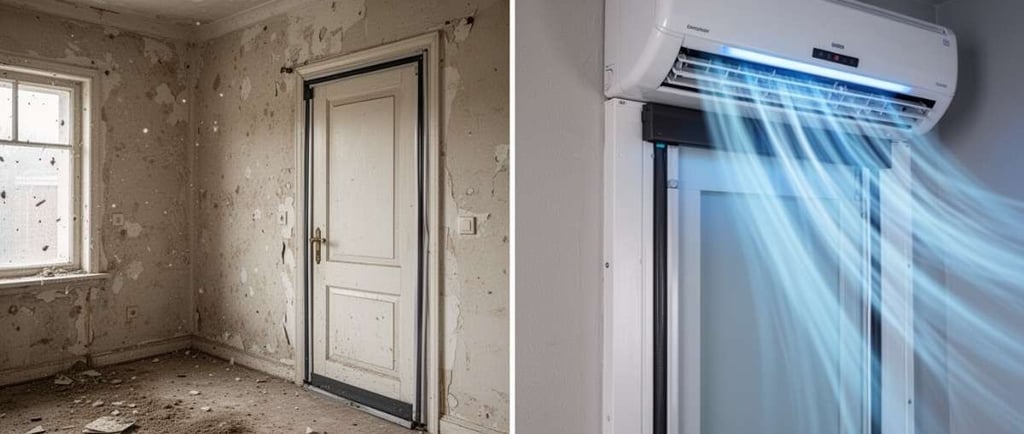
Introduction to Dust Control
Dust control is an essential aspect of maintaining a healthy and conducive living or working environment, particularly in residential and office spaces. Dust accumulation can have significant implications on both health and comfort. It not only serves as a breeding ground for allergens such as dust mites, mold, and pollen but can also exacerbate respiratory issues and allergies. Individuals exposed to high levels of dust are at an increased risk for conditions such as asthma, bronchitis, and other respiratory diseases, making dust control a vital consideration for health-conscious individuals.
Moreover, dust can cause nuisances beyond its health implications. In offices, excessive dust can hinder productivity by impacting electronics, furniture, and other equipment, leading to potential complications and loss of valuable time. At home, the presence of dust can contribute to a dirty and unkempt atmosphere, affecting both aesthetics and comfort. Regularly managing dust not only enhances the cleanliness of a space but also ensures that inhabitants feel more at ease and focused.
Implementing effective dust control strategies brings significant benefits, including improved air quality, reduced allergy symptoms, and prolonged lifespan for furniture and appliances. A clean environment promotes better concentration, efficiency, and overall well-being. In essence, practicing sound dust management aligns with the goal of creating spaces that are welcoming and healthy. This comprehensive guide will cover various techniques and strategies that can be employed to reduce dust infiltration effectively. By understanding the importance of dust control, readers will be better prepared to take proactive measures in combating dust accumulation in their homes and offices.
Sealing Doors: A Key Step in Dust Prevention
The significance of proper door sealing cannot be overstated when it comes to preventing dust infiltration in both homes and offices. Doors, often overlooked, can serve as major entry points for dust if not adequately sealed. This section delves into the various types of doors found in residential and commercial settings, highlighting specific vulnerabilities that may lead to dust ingress.
Commonly, gaps exist around the edges of doors or beneath them—these spaces can vary based on the design and installation of the door. Interior doors, exterior doors, and even patio doors can present challenges if improper seals are applied. This leads to a noticeable accumulation of dust in spaces that are otherwise clean. Understanding the door types prevalent in your setting can assist in identifying the most suitable sealing methods.
To mitigate these issues, a thorough sealing process can enhance dust prevention effectively. Several materials are available for this purpose, including weather stripping, door sweeps, and caulking. Weather stripping is particularly useful for sealing gaps along the sides and top of doors, while door sweeps are designed to cover the gap at the bottom. Caulking can fill in larger gaps or cracks around the door frame that are not addressed by other means.
When applying these solutions, it is essential to ensure a snug fit for optimal performance. Regular inspections can help detect any wear or damage to existing seals, allowing for timely replacements and repairs. By prioritizing door sealing as a fundamental aspect of dust prevention, individuals can significantly reduce the amount of dust that enters their spaces, creating a healthier environment and minimizing cleaning efforts.
Weather Stripping: The Unsung Hero
Weather stripping is an often-overlooked component in the battle against dust infiltration in homes and offices. This method involves sealing gaps and openings around doors, windows, and other entry points to effectively block out unwanted particles. Various materials can be used for weather stripping, each with its unique advantages and applications.
One popular option is adhesive-backed foam, which is easy to install and provides a great seal for irregular surfaces. This type of weather stripping can compress easily and expand to conform to the shape of the gap, making it ideal for both interior and exterior applications. V-strip, or tension seal, is another effective material that comes in a flexible strip shape and attaches to the sides of doors and windows. Its design allows it to be compressed when the door or window is closed, thus providing a tight seal that keeps out dust and drafts.
Door sweeps are also a practical solution to prevent dust from entering under doors. These strips are installed at the bottom of doors and can be made of materials such as rubber, vinyl, or aluminum, each providing varying levels of durability and effectiveness. Selecting the right type of weather stripping for different applications is essential; for instance, foam works well in areas with minimal movement, whereas door sweeps can withstand foot traffic.
The installation process for weather stripping is generally straightforward. Ensure that the surfaces are clean and dry before applying, which facilitates proper adhesion and fit. For best results, measure accurately and cut each piece to length before affixing it. Regular inspections to check for wear and tear will ensure the weather stripping remains functional, ultimately providing a barrier against dust infiltration.
Installing Air Curtains: A Modern Solution
Air curtains, also known as air doors, are innovative devices designed to create a barrier of air over doorways and entry points. This technology serves as an effective means of preventing dust and other contaminants from infiltrating indoor spaces, thereby promoting cleaner and healthier environments in both homes and offices. By forcing a continuous stream of air across the entryway, air curtains minimize the introduction of airborne particles from outside.
The functioning of air curtains revolves around the principle of maintaining a controlled airflow, which discourages unwanted elements, such as dust, insects, and even odors, from entering a building. The high-velocity air stream acts as a physical barrier, significantly reducing the potential for dust infiltration when doors are opened. This not only enhances indoor air quality but also contributes to improved comfort levels, particularly in high-traffic areas.
One of the primary advantages of installing air curtains is their energy efficiency. By effectively maintaining temperature separation between indoor and outdoor environments, they help reduce heating and cooling costs. This is especially beneficial in commercial settings where maintaining consistent temperatures can often be challenging. Furthermore, air curtains can assist in creating a more pleasant environment for occupants, reducing the reliance on air conditioning and heating systems.
For optimal performance, it is essential to install air curtains correctly. When choosing an air curtain, consider factors such as the size of the opening, the air velocity required, and the mounting height. Regular maintenance is equally important to ensure the system operates efficiently; this includes cleaning filters, checking air pressure, and inspecting the unit for any obstructions. Overall, implementing air curtains can prove to be a vital step in safeguarding your indoor spaces from dust infiltration while reaping additional benefits like energy savings and improved air quality.
Utilizing Positive Air Pressure Systems
Positive air pressure systems serve as an effective approach in combating dust infiltration in both residential and commercial settings. These systems operate by maintaining a higher air pressure inside a building compared to the outside environment. This differential in pressure creates a barrier that discourages outside air, along with its accompanying dust particles, from entering the indoor space.
The mechanics of a positive air pressure system generally involve air filtration and circulation components. Clean, conditioned air is pumped into the home or office through a network of ducts, often utilizing high-efficiency particulate air (HEPA) filters to ensure that the air circulated is as free from particulates as possible. When installed correctly, these systems can improve overall indoor air quality while effectively minimizing dust levels.
One prominent benefit of implementing a positive air pressure system is its ability to enhance energy efficiency. By controlling and filtering the incoming air, these systems can reduce the workload on heating and cooling units, leading to lower energy bills. Additionally, in environments where dust is a significant concern, such as laboratories or manufacturing facilities, positive air pressure systems can help to maintain a controlled atmosphere, thereby protecting sensitive equipment and processes.
Proper installation and maintenance are crucial for the optimal performance of positive air pressure systems. It is recommended to engage professional services for installation to ensure that the system is correctly aligned to counteract dust infiltration. Regular maintenance, such as the timely replacement of filters and inspection of ducts, ensures that the system operates efficiently and continues to deliver clean air effectively.
In instances such as construction sites or areas with excessive outdoor dust, the advantages of a positive air pressure system are particularly pronounced. These systems can effectively displace unfiltered air, reinforcing the indoor environment against contamination and ensuring a healthier living or working space.
Landscaping Dust Barriers: Nature’s Defence
Introducing landscaping solutions can significantly reduce the infiltration of dust into homes and offices, emphasizing the importance of strategic planning in outdoor settings. Incorporating a variety of trees, shrubs, and other vegetation not only enhances the aesthetic appeal of an area but also serves as an effective barrier against dust storms and erosion. The natural landscape can play a critical role in minimizing dust carryover from outdoor environments to indoor spaces.
One popular technique is the planting of trees and shrubs around the perimeter of a property. These plants can act as windbreaks, reducing wind speed, which is a primary factor in dust dispersion. Specifically, trees with dense foliage can help trap dust particles and prevent them from entering your home or office. Moreover, adopting a variety of plant species contributes to biodiversity and greater resilience against pests and disease.
Additionally, creating mulch beds can significantly enhance dust control. Organic mulches, made from materials like bark or wood chips, help retain moisture in the soil, thus decreasing the likelihood of dust formation. Properly maintained mulch beds also prevent soil erosion, a common contributor to dust generation, particularly in arid regions. Incorporating ground cover plants is another advantageous strategy, as these plants spread across the soil surface, effectively reducing exposed soil areas that might otherwise become airborne during windy conditions.
Finally, implementing garden design principles such as layering can optimize dust barrier effectiveness. A well-planned landscape that features staggered plantings of varying heights allows for improved airflow dynamics, which can disrupt the formation of dust clouds. By thoughtfully integrating these landscaping techniques, one can cultivate a healthier indoor environment free from dust infiltration.
Upgrading Ventilation: Best Practices
When aiming to control dust infiltration in both residential and commercial spaces, upgrading ventilation systems proves to be a pivotal strategy. A key component in this endeavor is the implementation of high-efficiency particulate air (HEPA) filters. These filters are designed to trap 99.97% of particles that are 0.3 microns in size, including dust, pollen, and pet dander. Incorporating HEPA filters into your existing HVAC system can significantly enhance the air quality by reducing airborne dust particles.
Regular duct cleaning serves as another vital practice for maintaining optimal dust control in your environment. Over time, ductwork can accumulate dust, mold, and other contaminants, which can be redistributed into the air when the heating or cooling system operates. Hiring professional services for routine duct cleaning not only minimizes these pollutants but also improves the overall efficiency of your ventilation system.
In addition to HEPA filters and duct cleaning, the strategic use of air purifiers can further aid in dust reduction efforts. These devices can be particularly beneficial in higher traffic areas or rooms with increased dust generation, such as living rooms or offices. Selecting an air purifier equipped with a HEPA filter and activated carbon can provide a two-fold benefit—trapping airborne dust and absorbing odors that may accompany the dust particles.
When upgrading your ventilation system, consider factors such as the size of the space, the nature of the activities performed there, and specific dust sources. Additionally, it is essential to ensure that the ventilation system is appropriately sized for the area it serves, as an undersized system can lead to decreased air circulation and ineffective dust removal.
By employing these best practices in upgrading ventilation, individuals can create a cleaner and healthier environment, significantly reducing dust levels and improving overall indoor air quality.
Address:
264/5, Kamal Soroni Road, Mirpur, Dhaka-1216
Contact
Your Quaries on pest control askings
pestexterminatorbd@gmail.com
+8801642008383 +8801988300003, 01723057746
© 2025. All rights reserved. to Urban Pest Control Pvt. Ltd. this site is powered by Our Own IT Team