
How to Prevent Mosquito Breeding During Rainy Season in Bangladesh
2/13/20267 min read
Understanding the Dangers of Rainwater Collection
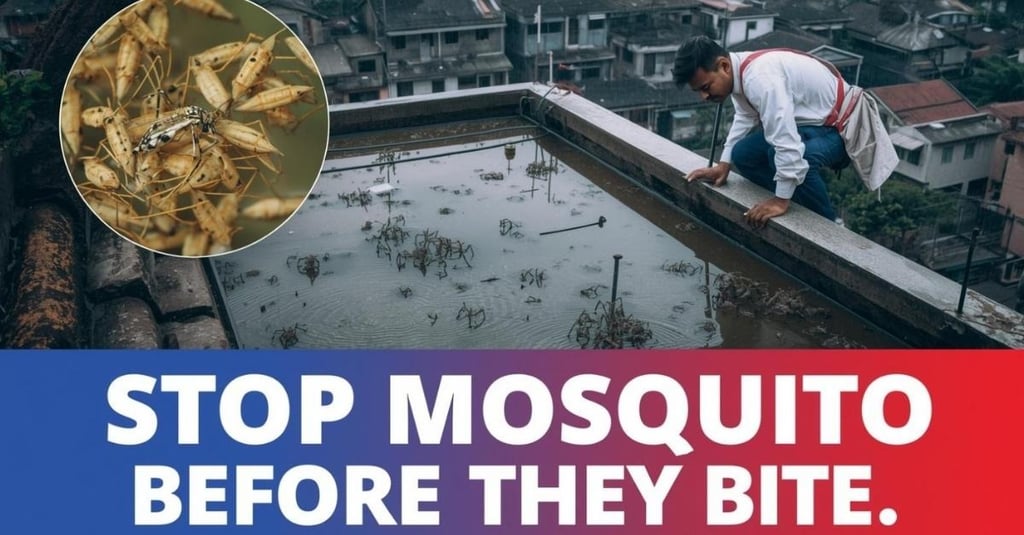
Rainwater collection, while an innovative solution for water scarcity, presents several risks, particularly in densely populated urban settings like Dhaka. The primary concern is water contamination. Collected rainwater can become tainted by pollutants from the surrounding environment, including particulate matter, bird droppings, and various outdoor debris. If not treated adequately, this contaminated source can lead to a range of waterborne diseases, posing serious health risks to individuals and communities.
Furthermore, the improper management of rainwater systems can exacerbate these dangers. For instance, stagnant water collected in gutters or storage tanks can attract pests and microorganisms, which thrive in such an environment. This stagnation not only compromises the quality of the collected rainwater but also serves as an ideal breeding ground for mosquitoes. With dengue fever being a persistent health challenge in Dhaka, the connection between rainwater collection and the proliferation of these disease-carrying insects becomes increasingly concerning.
In addition to waterborne diseases, the change in environmental conditions due to unregulated rainwater collection can lead to infrastructural problems. Overflowing tanks or poorly designed drainage systems can contribute to urban flooding, leading to further health hazards and diminishing the community's resilience against natural calamities. Therefore, understanding these dangers and adopting preventive measures is essential for ensuring that rainwater collection remains a safe and sustainable practice.
Awareness of the potential health risks associated with rainwater collection and proper management practices can significantly mitigate the threat of disease outbreaks like dengue. Through education and strategic interventions, communities can be better equipped to utilize rainwater as a resource while minimizing health risks.
Rooftop and Balcony Inspection Checklist
Effective inspection of rooftops and balconies is vital for ensuring safety and preventing potential mosquito breeding grounds that can lead to dengue outbreaks. Homeowners and building managers in Dhaka must adopt a systematic approach to safeguard their properties and the health of their communities. This checklist will guide you through key elements to examine regularly.
1. Drainage Systems: Start by examining the drainage systems on rooftops and balconies. Ensure that gutters, downspouts, and drainage holes are clear of debris and functioning properly. Standing water is a prime breeding ground for mosquitoes, so it is essential to facilitate effective water flow and minimize stagnant areas.
2. Blockages: Inspect for any blockages in the drainage pathways that may hinder water flow. Leaves, dirt, and other obstructions should be removed promptly. Regularly scheduled cleanings can help maintain the efficiency of these systems and prevent potential overflow.
3. Structural Integrity: Check the overall structural integrity of both rooftops and balconies. Look for signs of leaks, cracks, or damage that could allow water to accumulate. Damaged areas should be repaired immediately to prevent further deterioration and the introduction of moisture that could attract mosquitoes.
4. Maintenance Areas: Identify specific maintenance areas that may attract water retention. Planters, pots, and other containers should be either drained or monitored to ensure they do not collect water. Consider using mosquito-proof covers or lids where appropriate to eliminate water accumulation risks.
5. Regular Inspections: Schedule regular inspections, particularly after heavy rainfall, to evaluate the effectiveness of your drainage system and maintain overall safety. Keeping a checklist can aid in consistently assessing these areas effectively.
By diligently following this inspection checklist, homeowners and building managers can significantly reduce the risk of dengue transmission in Dhaka, ensuring a safe environment for all residents.
Essentials of Drainage Cleaning
Effective drainage systems play a crucial role in urban settings, particularly in densely populated areas such as Dhaka. Proper drainage cleaning is essential, not only for maintaining the functionality of these systems but also for preventing health hazards associated with stagnant water, which is a prime breeding ground for mosquitoes, known carriers of diseases such as dengue fever.
To commence cleaning, it is important to gather the necessary tools and materials. This may include gloves, a shovel, buckets, and a hose. Personal protective equipment is also recommended to safeguard against debris and potential allergens. Once prepared, the first step involves inspecting the drainage system thoroughly for any visible clogs or blockages, which could impede the flow of water.
The following steps outline a systematic approach to effective drainage cleaning:
- Remove debris: Clear leaves, trash, and any other visible debris that may obstruct the flow of water. This initial cleaning reduces the risk of blockages and promotes better drainage.
- Flush the system: Using a hose, run water through the drainage pipes to help dislodge smaller particles and ensure that water is flowing freely.
- Inspect further: Post-flushing, check for any signs of persistent clogs. If any blockages remain, consider using a drain snake or a similar tool to clear the blockage.
- Regular maintenance: Establish a regular cleaning schedule to ensure that drainage systems remain functional. Frequent checks can help identify minor issues before they develop into significant problems.
In summary, clean drainage systems are vital for preventing stagnant water accumulation, which can lead to increased mosquito breeding. By implementing effective drainage cleaning practices and maintaining a regular schedule, urban residents in Dhaka can significantly reduce the risk of dengue and other related illnesses.
Anti-Larval Treatment Methods
Controlling mosquito populations is essential for dengue prevention, particularly in regions like Dhaka where stagnant water facilitates breeding. Anti-larval treatment methods can be divided into two categories: chemical and natural options. Each method possesses unique advantages and application techniques that can be effectively integrated into public health strategies.
Chemical larvicides, specifically designed to target mosquito larvae, are widely used due to their immediate efficacy. Common examples include temephos and Bacillus thuringiensis israelensis (Bti). Temephos acts as an insect growth regulator, inhibiting the development of larvae into adult mosquitoes. In contrast, Bti is a biological control agent that is safe for other organisms while effectively killing mosquito larvae. The application of these chemicals should be precise: treating known breeding sites like water storage containers or ponds can yield significant reductions in larvae populations.
Natural anti-larval methods provide an eco-friendly alternative, leveraging biological controls or organic substances. For example, the use of larvivorous fish, such as guppies, can significantly diminish larval populations when released into water bodies. Additionally, essential oils from plants like eucalyptus and citronella have proven insecticidal properties. Implementing such natural methods can be beneficial in protecting non-target species and the environment.
To maximize effectiveness, it is crucial to combine these treatments within an integrated pest management framework. Regular surveillance of potential breeding sites, timely application of larvicides, and community education on the importance of water management are fundamental to reducing dengue transmission. By employing a multi-faceted approach, the impact of dengue can be substantially diminished, enhancing public health in Dhaka and similar regions.
Dengue Prevention Strategies in Dhaka
Dengue fever has emerged as a significant public health concern in Dhaka, and implementing effective prevention strategies is crucial to mitigate its spread. The climate of Dhaka, characterized by high humidity and rainfall, creates an ideal breeding ground for mosquitoes, particularly Aedes aegypti, the primary vector for the dengue virus. Therefore, comprehensive mosquito control strategies are essential in combating this issue.
One of the foremost strategies includes community awareness programs aimed at educating residents about dengue transmission and breeding sites. Local communities must be made aware of the importance of eliminating stagnant water, which serves as a breeding habitat for mosquitoes. Initiatives such as workshops and awareness campaigns can significantly enhance public understanding and proactive measures against such outbreaks.
Moreover, government initiatives play a critical role in the broader fight against dengue. The government's deployment of vector control teams to conduct regular surveys and eliminate potential mosquito breeding sites is fundamental. Such initiatives should be complemented by the use of fogging and the application of larvicides in high-risk areas. Additionally, legislation aimed at regulating construction practices can ensure that new buildings and developments do not contribute to the proliferation of stagnant water.
On a personal level, residents of Dhaka can take preventive measures to safeguard themselves against dengue. This includes using mosquito repellents, maintaining clean surroundings, and installing screens on windows and doors. The utilization of mosquito nets, especially while sleeping, adds another layer of protection. Additionally, individuals should consider planting mosquito-repellent plants, like citronella, around their homes to naturally deter these pests.
Ultimately, a multifaceted approach combining community involvement, robust government initiatives, and personal preventive strategies can significantly reduce the risk of dengue transmission in Dhaka. By fostering a collective response to mosquito control, the community can create a safer environment for all residents.
When to Apply Professional Fogging
In Dhaka, the risk of dengue fever outbreaks is heightened during the monsoon season, making it crucial for residents to take preventive measures. One such effective strategy is professional fogging, which involves the application of insecticides in aerosol form to control mosquito populations. There are specific circumstances that necessitate this intervention, particularly during periods of increased transmission rates.
The decision to apply fogging should be based on several indicators. Health authorities may recommend fogging when dengue cases rise significantly in a particular area. Additionally, fogging is often employed following the identification of breeding sites for Aedes mosquitoes, especially stagnant water. It is also vital to consider the life cycle of the mosquitoes; fogging is most effective during early mornings or late evenings when adult mosquitoes are most active.
Timing plays a critical role in the success of fogging treatments. It is advisable to conduct fogging shortly after significant rainfall or flooding, as these conditions create ideal breeding habitats for mosquitoes. Furthermore, it is beneficial to arrange fogging sessions during peak dengue transmission periods, which can vary annually based on weather patterns and local outbreaks. This proactive approach maximizes the impact of the treatment.
Engaging professional mosquito control services offers several advantages. Experts not only possess the necessary equipment and insecticides but also have the training to implement fogging effectively and safely. Moreover, these services can conduct follow-up assessments to ensure lasting mosquito control. In doing so, they contribute significantly to public health initiatives aimed at reducing the incidence of dengue outbreaks in urban areas like Dhaka.
The Impact of Bangladesh's Climate on Mosquito Breeding
Bangladesh's unique climate plays a significant role in shaping mosquito breeding cycles and the prevalence of diseases such as dengue fever. The tropical monsoon climate, characterized by high temperatures and humidity levels, provides an ideal environment for various mosquito species, especially Aedes aegypti, which is the primary vector for dengue transmission. The country experiences distinct seasonal variations, with the monsoon season typically extending from June to October. During this period, heavy rainfall contributes to the formation of stagnant water puddles, which serve as breeding grounds for mosquitoes.
As temperatures rise, the life cycle of mosquitoes accelerates. Warmer conditions shorten the time it takes for eggs to hatch and for larvae to develop into adult mosquitoes. This quickened pace of reproduction can lead to exponential increases in mosquito populations, particularly during the peak of the rainy season. Moreover, the persistent high humidity levels facilitate mosquito survival and their ability to thrive in urban environments, where stagnant water in containers, clogged drains, and discarded tires commonly exists.
In addition to seasonal impacts, climate variability—such as changes in temperature and precipitation patterns resulting from climate change—can have long-term implications for mosquito breeding. These shifts can lead to altered breeding habitats and expanded geographic ranges for mosquitoes, potentially increasing the incidence of dengue outbreaks in urban areas of Bangladesh, including Dhaka. Understanding these environmental factors is crucial for developing effective mosquito control strategies amidst the backdrop of ongoing climate threats. Effective measures must be implemented to mitigate the breeding of mosquitoes in urban settings, particularly during monsoon seasons, to reduce the incidence of dengue and protect public health.
Address:
264/5, Kamal Soroni Road, Mirpur, Dhaka-1216
Contact
Your Quaries on pest control askings
pestexterminatorbd@gmail.com
+8801642008383 +8801988300003, 01723057746
© 2025. All rights reserved. to Urban Pest Control Pvt. Ltd. this site is powered by Our Own IT Team