
How to Prevent Termite Damage Before It Starts
2/13/20267 min read
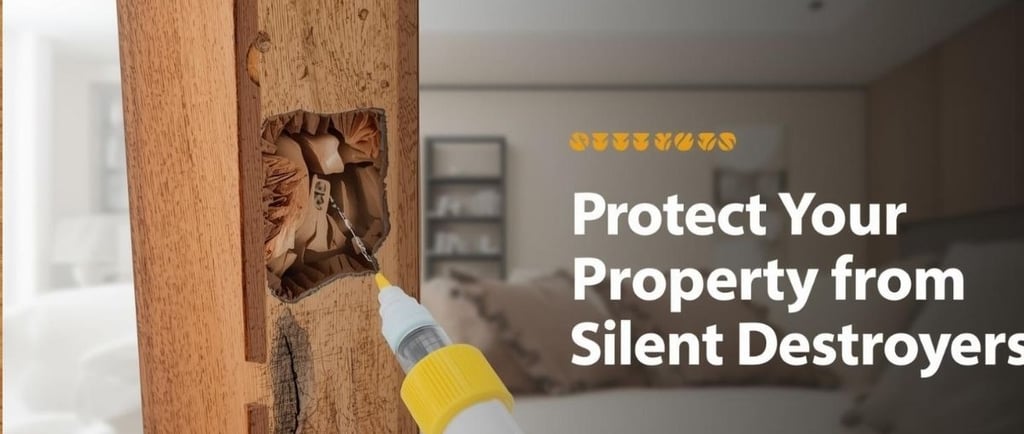
Termites present a significant threat to buildings in Dhaka, primarily due to the city's unique climate and construction practices. The warm, humid conditions found in Bangladesh create an ideal environment for many termite species. Particularly, the presence of moisture, combined with warm temperatures, facilitates the development and proliferation of termite colonies, making them a prevalent concern for both residential and commercial structures in the area.
Common construction materials used in Dhaka, such as wood, contribute to the attraction of termites. Wood is a primary food source for these pests, and when untreated or improperly maintained, it becomes even more vulnerable to termite attacks. Concrete and steel structures, while more resistant, are not completely immune, as termites can still exploit wooden elements, such as support beams, frames, and even furniture.
Urban factors also play a critical role in amplifying the risk of termite infestations. The rapid urbanization of Dhaka, marked by extensive construction activities and the prevalence of large tree populations, creates ideal breeding grounds for termites. New developments often lead to soil disturbances where termites are naturally present, allowing them access to nearby structures. Additionally, inadequate waste management and debris accumulation around buildings further provide opportunities for termites to thrive.
Understanding the termite threat in Dhaka is vital for effective prevention and control strategies. It is essential for property owners to recognize both the climatic factors and the construction practices that contribute to this issue. Acknowledging these threats allows for the implementation of preventive measures to protect buildings, ensuring their longevity and structural integrity against these destructive pests.
Moisture and Wood Contact: A Perfect Storm for Termites
Termites are often referred to as silent destroyers, and their tendency to feast upon wood can lead to significant structural damage if left unchecked. One of the primary factors contributing to termite infestations is the presence of moisture, which together with wood contact creates an optimal environment for these pests. Termites are particularly drawn to environments with elevated humidity levels, where they can thrive and multiply rapidly.
In urban areas like Dhaka, common construction practices can inadvertently exacerbate moisture retention around wooden structures. For instance, improper drainage, leaky plumbing, and inadequate ventilation are frequent issues that contribute to excess moisture accumulation. Areas beneath houses, especially those with poor airflow, often remain damp and create a breeding ground for termites.
Moreover, wood that comes into direct contact with the soil is particularly vulnerable to termite infestation. This is frequently seen in foundational supports, decking, and even landscaping features made from untreated lumber. When wooden structures are not adequately protected from moisture intrusion, they become highly attractive to these wood-destroying insects. Over time, the softening of wood due to moisture exposure allows termites to penetrate deeper, making treatment increasingly difficult.
homeowners and builders must prioritize moisture management to protect their properties from termite infestations. This includes employing materials that are resistant to moisture and termites, ensuring proper drainage systems are in place, and regularly maintaining ventilation in crawl spaces and basements. Each of these measures can significantly reduce the likelihood of termite attraction and make buildings less hospitable to these destructive pests.
Soil Treatment: The First Line of Defense Against Termites
Soil treatment is a critical method of termite prevention, serving as the first line of defense against these destructive pests. The primary objective is to create a chemical barrier in the soil surrounding a building, effectively deterring termites from invading the structure. Various soil treatment options are available, each with its own benefits and application techniques.
Chemical soil treatments typically involve the use of termiticides, which are specially formulated chemicals designed to kill or repel termites upon contact or ingestion. These chemicals can be applied in a liquid form, and it is essential to ensure that they penetrate the soil adequately to form a continuous barrier. Some of the widely used termiticides include fipronil, imidacloprid, and bifenthrin. Each has differing levels of effectiveness and longevity, making it essential to select the right option based on specific soil conditions and termite species prevalent in the area.
In addition to conventional chemical treatments, eco-friendly alternatives have gained popularity among environmentally conscious homeowners. These options often utilize natural substances or biologically-based products that disrupt termite behavior without the use of harsh chemicals. For example, nematodes, which are microscopic worms, can be introduced into the soil where they prey on termites, providing a biological control method that is safe for both humans and pets.
Regardless of the chosen method, the importance of proper application cannot be overstated. Skilled professionals must carry out soil treatments to ensure correct placement and sufficient coverage, as any gaps can leave a pathway for termites to infiltrate. Regular inspections and monitoring of treated areas are also advisable to maintain the effectiveness of the soil barrier. By implementing robust soil treatment strategies, property owners in Dhaka can significantly reduce the risk of termite infestation and protect their investments from potential destruction.
Pre-Construction Anti-Termite Solutions: Building Wisely
Termites pose a significant threat to buildings, especially in regions like Dhaka where the warm and humid climate fosters their proliferation. To minimize the risk of termite infestations, implementing effective preventive measures before construction begins is crucial. One of the most essential steps is the application of soil treatment, which can effectively create a barrier against these pests. This involves treating the soil where the building will be constructed with appropriate termiticides to kill any existing termites and prevent new colonies from establishing.
Another important strategy is the installation of physical barriers during construction. These barriers, typically made of materials such as steel mesh or concrete, can thwart termite access to the building. For instance, using stainless steel mesh around the foundations can obstruct termite movement, ensuring that they do not penetrate into the wooden elements of the structure. Additionally, choosing to use termite-resistant materials for construction can further diminish the likelihood of infestations. For example, selecting treated wood or alternative materials that are less attractive to termites can greatly enhance the building's resilience.
Moreover, proper drainage systems are essential in preventing termite invasions. A well-designed drainage system helps to divert water away from the building's foundation, eliminating the moist conditions that termites thrive in. Regular maintenance of these systems will ensure they remain effective over time. Finally, conducting a thorough inspection of the construction site for any signs of termites or conducive conditions such as decaying wood can help in taking timely preventive actions. By employing these proactive measures, building owners can significantly reduce the risk of termite damage and protect their investments from potential destruction.
Signs of Hidden Infestation: How to Detect Termite Damage Early
Identifying a termite infestation in its early stages is crucial to preventing extensive damage to your building. Termites often operate silently within structures, making their presence difficult to detect. However, there are several signs that can alert property owners to the possibility of an infestation.
One of the most common indicators of termite activity is the presence of mud tubes. These pencil-sized, earth-toned structures are typically built by termites as protective tunnels leading to their food source. Building owners should inspect the foundation and lower walls for any signs of these tubes, especially near moisture-prone areas. In addition, small holes in wooden surfaces, often referred to as exit holes, can indicate that termites have been feeding in that area.
Another sign of hidden infestation is the sound of clicking or hollow noises coming from wooden structures. Soldier termites may make these sounds when they sense vibrations, serving as a warning to other termites nearby. Property owners should pay close attention to walls, beams, and furniture, tapping on the wood to detect hollow sounds, which could signify internal damage.
Additionally, check for discarded wings around windows and doors. Swarming termites shed their wings after establishing a new colony, and finding these wings can be a strong indication of an active infestation. Moisture-damaged wood, often appearing darkened or weakened, can also suggest termite presence since these pests prefer environments with high humidity.
Regular inspections of your property, particularly in hidden areas like basements and crawl spaces, are essential. It is advisable for building owners to consider scheduling annual professional inspections to thoroughly assess for signs of termites, ensuring any potential threats are identified promptly.
Cost Comparison: Prevention vs Repair - What's More Economical?
When it comes to termite control, building owners face a crucial decision: invest in prevention or wait until repairs become necessary. Understanding the financial implications of each option can significantly influence long-term savings and the integrity of a building.
Preventative measures typically involve a one-time initial cost, which includes professional inspections, soil treatments, and the installation of physical barriers. According to various pest control studies, these preventive actions can range from a few hundred to a few thousand dollars, depending on the property's size and the infestation risk. Consider that proactive termite management helps in mitigating the risk of extensive structural damage, which can lead to high repair costs later, often in the thousands. Moreover, preventative approaches can be budgeted effectively, allowing owners to allocate resources over time for ongoing treatments and inspections, ultimately reducing financial strain.
On the other hand, repair costs associated with a termite infestation can escalate quickly. Once termites establish themselves in a structure, the necessary repairs may involve extensive wood replacement, structural reinforcement, and additional pest control measures. According to industry estimates, the average cost of termite damage repair can range from $3,000 to $8,000, depending on the severity of the infestation. It is critical to note that repair costs do not only encompass visible damage; often, hidden damages remain unaddressed, necessitating further financial investment.
Therefore, a comprehensive cost breakdown indicates that investing in preventative measures is not only economical but often leads to considerable long-term savings. By proactively addressing potential termite issues, building owners can protect the structural integrity of their properties while avoiding the financial burden of extensive repairs down the line.
Choosing the Right Pest Control Authority in Bangladesh
When it comes to termite control, selecting a licensed pest control authority in Bangladesh is crucial for ensuring the safety and effectiveness of treatment. The presence of termites can lead to severe damage to properties, making immediate and professional intervention necessary. Engaging a reputable pest control service not only guarantees proper management of the termite infestation but also adherence to safety regulations concerning the use of pesticides.
One of the first steps in choosing a pest control authority is to check for proper licensing and certifications. In Bangladesh, regulatory bodies oversee pest management services to ensure that they comply with established standards. Verification of these credentials can provide peace of mind that a chosen service provider possesses the necessary knowledge and expertise to handle termite treatments safely.
Furthermore, reading customer reviews and testimonials can offer valuable insights into the effectiveness and reliability of a pest control service. Most reputable companies share case studies or customer feedback on their websites and social media platforms. This transparency can assist property owners in making informed decisions based on previous experiences of other clients.
Additionally, it’s advisable to inquire about the methods and products used for termite control. An ideal pest control authority should be well-versed in both chemical and non-chemical treatments and should be willing to discuss the advantages and potential risks of each option with clients. This approach fosters trust and assurance that the services provided align with the needs and expectations of the property owner.
Finally, pricing should be considered, but it is essential not to compromise on quality for cost. Competitive pricing is important, but the focus should always be on the expertise and safety measures of the pest control authority. By ensuring the right choice, property owners can achieve effective termite control, safeguarding their buildings from further damage.
Address:
264/5, Kamal Soroni Road, Mirpur, Dhaka-1216
Contact
Your Quaries on pest control askings
pestexterminatorbd@gmail.com
+8801642008383 +8801988300003, 01723057746
© 2025. All rights reserved. to Urban Pest Control Pvt. Ltd. this site is powered by Our Own IT Team