
How Urban Pest Control Franchise Ensures Quality & Government Compliance
2/19/20268 min read
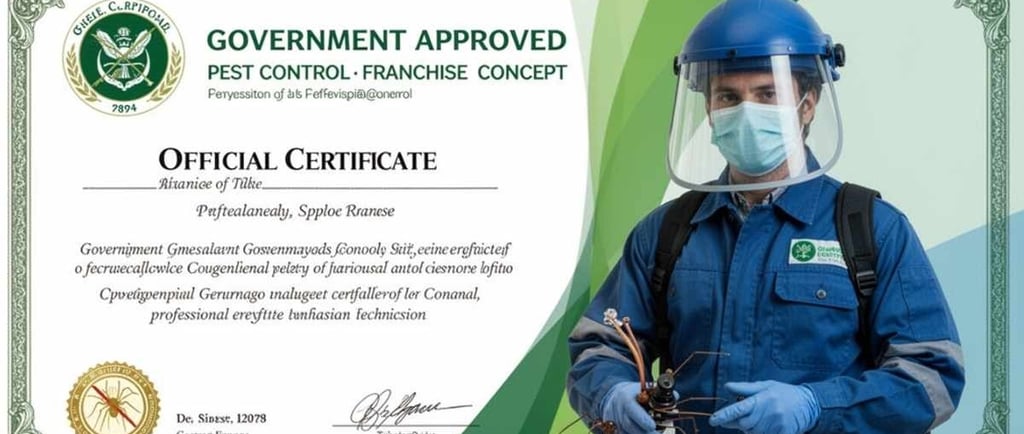
Understanding Licensing Requirements for Pest Control Operators
In Bangladesh, the operation of pest control services is heavily regulated to ensure public health and safety. Pest control operators must adhere to specific licensing requirements designed to monitor and manage the use of pesticides and other pest management techniques. The primary license required for pest control operators is the business license, which authorizes individuals or companies to legally conduct pest management activities. This license is typically issued by local government authorities and is essential for any pest control service to operate.
In addition to the business license, pest control operators must also obtain a pesticide application license. This license requires operators to demonstrate knowledge of pesticide safety, proper application techniques, and compliance with environmental regulations. Training and certification programs may be provided by local agricultural or pest management councils, ensuring that operators are equipped with the necessary skills and information to handle chemicals safely and effectively. Operators must frequently renew this license to remain compliant with changing regulations and standards.
Furthermore, specific certifications may be required depending on the type of pest control services offered. For instance, operators dealing with hazardous or restricted-use pesticides must hold additional certifications that reflect their capacity to handle these substances responsibly. Regulatory bodies may also mandate record-keeping of all pest control activities performed, providing transparency and accountability.
Adhering to these licensing requirements is not merely a bureaucratic obligation but serves a crucial role in protecting public health. Compliance ensures that pest control methods are applied effectively and safely, reducing risks associated with pesticide exposure. Thus, pest control operators must prioritize obtaining the necessary licenses and maintaining compliance with all local regulations to ensure legal operation and safeguard community well-being.
Importance of Safe Chemical Usage in Pest Management
The use of chemical pesticides is a common practice in pest management, but it is imperative that pest control operators adhere to stringent safety guidelines to ensure the protection of both human health and the environment. Unsafe practices when using pesticides can lead to serious health complications and can also have long-lasting detrimental effects on ecosystems. Thus, responsible chemical usage is not just a regulatory requirement but a cornerstone of maintaining professionalism in the pest control industry.
To begin with, pest control operators must follow the established guidelines for proper handling and application of chemical pesticides. This includes comprehensively understanding the specific chemicals being used, including their toxicity levels, the pests they target, and the conditions under which they are most effective. Knowledge about the correct dosage is crucial; exceeding these levels can result in ineffective pest control and increased risks to human health and the environment.
Personal Protective Equipment (PPE) plays a vital role in ensuring the safety of operators. This may include gloves, masks, goggles, and protective clothing, which should be worn at all times when handling chemical pesticides. Operators must be trained to use PPE effectively and understand the importance of maintaining it in good condition to ensure maximum efficacy in protection.
Furthermore, it is essential for pest control professionals to be educated on the potential environmental implications of their chemical usage. Pesticides that are poorly applied can leach into water supplies, harm non-target species, and contribute to the decline of biodiversity. Therefore, utilizing best practices for pest management not only fortifies a pest control operation's reputation but also aligns with a growing societal emphasis on sustainability.
Incorporating all these aspects into daily practices illustrates a commitment to professionalism and responsibility within the pest control sector. Implementing safe chemical usage protocols is integral to not only complying with regulatory standards but also ensuring brand trust and customer satisfaction.
Implementing Standard Operating Procedures (SOP) in Pest Control
Standard Operating Procedures (SOPs) are critical documents that outline the processes and steps necessary to carry out specific tasks within the pest control industry. They play a vital role in ensuring consistency, safety, and compliance. By establishing clear guidelines, SOPs enable pest control professionals to perform their duties effectively while adhering to industry regulations. This formalization of procedures is particularly important in a country like Bangladesh, where the pest control landscape may vary significantly due to environmental and regulatory factors.
The importance of SOPs in pest control cannot be overstated. They serve as a roadmap for pest management practices, ensuring that each task is performed uniformly by all employees. This consistency minimizes the risk of errors that could lead to ineffective pest management or unintended harm to the environment and public health. Moreover, SOPs enhance training for new staff by providing them with well-defined processes to follow, facilitating a smoother onboarding experience and promoting a culture of safety within the organization.
To develop effective SOPs tailored to the specific needs of a pest control business in Bangladesh, several key recommendations should be considered. Firstly, it is essential to involve stakeholders in the development process. Input from technicians, management, and other relevant personnel can provide insights into the challenges faced on the ground, leading to more practical and comprehensive procedures. Secondly, SOPs should be clear and concise, utilizing straightforward language and step-by-step instructions to ensure all staff can understand and apply them without ambiguity. Finally, periodic reviews and updates of the SOPs are crucial to adapt to changes in regulations, new pest control technologies, or evolving industry best practices. By focusing on these principles, pest control operations can enhance their efficiency and ensure compliance with established standards.
Developing an Effective Documentation System
In the pest control industry, maintaining thorough and organized documentation is crucial for operational efficiency and legal compliance. An effective documentation system serves multiple purposes, aiding in accountability, regulatory adherence, and enhancing customer relations. Pest control companies in Bangladesh must establish a systematic approach to documentation that encompasses various key elements.
One of the fundamental components is the treatment records, which chronicle the types of pest control treatments applied, the dosage administered, and the specific locations treated. This information not only assists in tracking the effectiveness of pest management strategies but also ensures compliance with the regulations set forth by local health authorities. Accurate treatment records can protect pest control businesses in case of disputes by providing clear evidence of the procedures followed.
Another essential aspect includes safety data sheets (SDS). These documents provide critical information regarding chemical safety, handling, and emergency measures, which are vital for the protection of both employees and clients. A well-organized system for managing SDS ensures that all relevant staff members can access necessary safety information swiftly, thus promoting a culture of safety within the organization.
Furthermore, compliance reports play a significant role in demonstrating adherence to legal and regulatory standards. Keeping these reports updated and readily available not only solidifies the company’s commitment to complying with pest control regulations but also builds trust with clients who expect a standard of professionalism and responsibility.
Developing a robust documentation system enhances the pest control service delivery by ensuring all actions taken are traceable and accountable. By investing time and resources into creating this organizational infrastructure, companies can improve their operational effectiveness while fostering stronger relationships with their clients and regulatory bodies alike.
Customer Safety Protocols in Pest Control Services
In the realm of pest control services, ensuring customer safety is paramount. Effective protocols should be developed and implemented throughout all stages of the pest management process. Initially, it is crucial to communicate safety measures to customers before the treatment begins. This includes informing them about necessary pre-treatment preparations such as removing pets, covering food items, and vacating the premises during the application of pest control substances. Clear and concise communication about these steps not only helps in safeguarding the health of occupants but also establishes a standard of professionalism.
During pest control treatments, technicians should adhere to strict safety guidelines and wear appropriate personal protective equipment (PPE). This practice ensures both technician safety and reinforces customer confidence in the efficacy and safety of the service being provided. Regular training sessions for pest control personnel should focus on safety measures and foster a culture of safety-first thinking. By keeping customers informed in real-time during the treatment, pest control operatives can maintain transparency, further enhancing trust and reassurance.
Following the treatment, it is equally important to convey post-treatment safety instructions to customers. These instructions may include guidelines on when it is safe to return to the treated area, precautions to take, and any necessary actions such as airing out spaces. Providing clear post-treatment information not only helps in maintaining safety but also reflects the service provider's commitment to customer well-being. Engaging with customers for feedback post-service can also highlight any areas for improvement in safety protocols, ultimately leading to more effective pest control services.
Compliance with Bangladesh Pest Control Regulations
In Bangladesh, pest control operators must adhere to a comprehensive framework of regulations that govern the application of pesticides and the management of pest control services. These regulations are designed to protect public health, safeguard the environment, and ensure the safety of pest control practitioners and their clients. The primary regulatory body overseeing pest control activities is the Department of Agricultural Extension, along with input from various environmental and health organizations.
Key legislation influencing pest control practices includes the Environmental Conservation Act and the Pesticide Ordinance. These laws stipulate guidelines for the registration of pesticides, licensing of pest control operators, and the safe handling and application of chemical substances. Compliance with these regulations is not merely a matter of legal obligation; it is crucial for maintaining the integrity of the pest control industry. Non-compliance can result in severe penalties, including fines, suspension of licenses, or even criminal charges against operators.
Moreover, adherence to safety protocols helps protect employees and customers from potential health risks associated with pesticide exposure. Pest control businesses that operate in compliance with regulations not only demonstrate their commitment to safety but also enhance their reputation and build trust with clients. Clients are more likely to choose pest control providers that follow established guidelines, recognizing that these businesses prioritize well-being and environmental sustainability.
In conclusion, compliance with pest control regulations in Bangladesh is vital for the lawful operation and reputation of pest control businesses. By following the established laws and safety standards, operators can ensure the effectiveness of their services while protecting public health and the environment from the potential hazards posed by pest control activities.
Building Brand Trust and Professionalism in Pest Control Services
Establishing a reputable brand in the pest control industry requires a strategic focus on professionalism, safety, and compliance with regulatory standards. Companies that adhere to licensing requirements not only fulfill legal mandates but also signal to potential customers that they are serious about their work. This commitment fosters consumer trust, as clients are more likely to hire services that demonstrate legitimacy through appropriate certifications.
Moreover, implementing safety protocols is crucial for both the technicians and the clients. Pest control providers should emphasize the importance of using environmentally friendly products and adhering to safety guidelines to ensure the wellbeing of all parties involved. This proactive approach not only enhances customer satisfaction but also solidifies the company’s position as a responsible service provider.
Documentation plays a vital role in maintaining transparency and accountability. Effective pest control companies should keep meticulous records of their processes, including client interactions, treatment methods, and outcomes. This practice not only aids in compliance with regulatory frameworks but also serves as a tool for continuous improvement. By regularly reviewing documentation, companies can refine their techniques and service offerings, further establishing their professionalism in the field.
To build customer relationships, pest control firms can adopt various strategies such as engaging with clients through educational content, maintaining open lines of communication, and soliciting feedback to refine their services. Beyond mere transactional interactions, cultivating a community around pest awareness and prevention techniques can significantly boost brand loyalty.
In summary, pest control companies that focus on compliance with licensing, maintain safety protocols, and prioritize customer relationships will cultivate a trustworthy brand image. By consistently delivering high-quality services and adhering to industry standards, these firms can ensure long-lasting success and professionalism in the pest control marketplace.
Address:
264/5, Kamal Soroni Road, Mirpur, Dhaka-1216
Contact
Your Quaries on pest control askings
pestexterminatorbd@gmail.com
+8801642008383 +8801988300003, 01723057746
© 2025. All rights reserved. to Urban Pest Control Pvt. Ltd. this site is powered by Our Own IT Team