
Improper Rodent Bait Placement Leads to Household Safety Concern
2/14/20267 min read
Introduction to Bait Station Safety
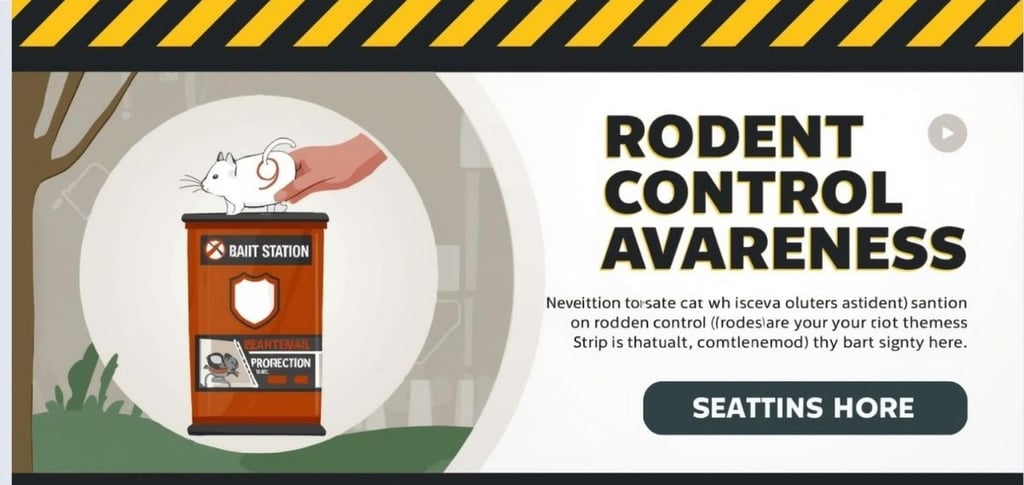
Bait stations serve as a pivotal tool in pest management, designed to control rodent populations effectively. These devices typically contain attractants alongside poisons or pesticides, aimed at eliminating unwanted pests while minimizing risks to non-target animals and humans. The implementation of bait stations has gained prominence due to their strategic advantages, including targeted treatment and reduced likelihood of indiscriminate poisoning.
Understanding the functionality of bait stations is essential for both pest control professionals and homeowners. A typical bait station works by luring pests with food or other attractants, allowing them to consume the poison within the controlled environment. This method not only enhances effectiveness but also confines the poison, thereby decreasing the risk of accidental exposure to pets and children. Consequently, the responsible placement and usage of these stations become paramount in achieving successful pest control outcomes without endangering other species.
It is crucial to emphasize that bait station safety is not merely a matter of efficacy but also of ethical responsibility. The potential hazards posed to non-target animals, such as pets and wildlife, necessitate stringent adherence to safety protocols. Proper usage entails selecting locations that are both effective for target pests and safe for surrounding ecosystems. Factors such as station design, bait type, and monitoring frequency must be considered when deploying bait stations to ensure optimal safety and efficacy.
In this segment, we will explore the fundamental elements of bait station usage that contribute to their safe and effective operation, paving the way for responsible pest management practices.
Understanding Tamper-Resistant Bait Boxes
Tamper-resistant bait boxes are an essential tool in pest management, designed to allow pest control professionals to safely administer bait while reducing the risk of accidental access by children, pets, and non-target wildlife. The primary feature of these boxes is their robust construction, often made from durable plastic or metal materials that endure various environmental conditions. This durability not only protects the bait from moisture and contamination but also ensures that the box can withstand attempts at tampering.
Many tamper-resistant bait boxes come equipped with various locking mechanisms, which may include key locks, combination locks, or patented locking systems unique to certain brands. These mechanisms offer different levels of security, which means pest control professionals can select a box that corresponds to the specific risks associated with the intended area of placement. For instance, commercial properties might necessitate more secure options due to higher visitor foot traffic, whereas residential applications might only need standard locks.
When selecting a tamper-resistant bait box, it is crucial to consider the type of pests being targeted and the environment in which the box will be placed. Some bait boxes are designed specifically for rodents, featuring access points strategically placed to provide bait while minimizing the likelihood of non-target animals inadvertently accessing the box. Additionally, the design should facilitate easy monitoring and refill by professionals without compromising safety. Proper placement and selection of tamper-resistant bait boxes not only enhance the efficacy of pest control strategies but also align with safety regulations.
Therefore, when choosing a tamper-resistant bait box, professionals should assess factors such as material, design, ease of access for re-baiting, and the security of the locking mechanism to ensure compliance with best practices in pest control.
Implementing Pet-Safe Strategies in Pest Control
When it comes to pest control, the safety of our pets must be a top priority. Implementing pet-safe strategies is essential in ensuring that our furry companions remain unharmed while effectively managing pest problems. One effective approach is to utilize alternative baits that are less harmful to pets. These baits often employ natural ingredients that deter pests without posing a significant threat to animals. For example, using bait made from less toxic substances can significantly reduce risks associated with accidental ingestion.
In addition to selecting suitable baits, careful placement of bait stations is crucial. Pet owners should strategically position these stations in areas that are inaccessible to pets. High shelves, enclosed spaces, or areas behind locked doors can serve as ideal locations. Furthermore, ensuring that bait stations are securely closed minimizes the risk of an inquisitive pet gaining access to potentially harmful contents.
Training pets to avoid bait stations can also be an effective strategy. Consistent training, using commands and positive reinforcement, can inculcate a healthy caution in pets regarding areas where pest control measures are in place. Teaching pets to recognize and avoid specific locations can drastically reduce accidental exposure to harmful substances. Additionally, pet owners can use visual barriers such as gates or furniture to block off access to bait stations without compromising their effectiveness.
Moreover, opting for integrated pest management (IPM) practices can further ensure the safety of pets. This holistic approach focuses on prevention and uses a combination of techniques, such as habitat manipulation and physical controls, to manage pest populations in a sustainable and pet-safe manner. By combining these strategies, pet owners can maintain an effective pest control regime without compromising the safety of their beloved animals.
The Role of Professional Monitoring Systems
In the realm of pest control, the integration of professional monitoring systems for bait stations is paramount to ensuring safe and effective usage. Utilizing a trained pest control professional for monitoring these systems enhances safety and compliance with local regulations tailored to pest management practices. The benefits of employment of experts in this field extend beyond mere implementation; they provide ongoing oversight that maximizes the efficacy of bait stations.
Professional pest control practitioners bring with them a wealth of knowledge and experience, allowing them to identify potential hazards that may go unnoticed by untrained individuals. Their expertise in the field of pest management enables them to spot early signs of pest activity, which is critical to implementing corrective measures swiftly and effectively. This expertise not only contributes to the safety of the environment but also ensures that the bait stations are utilized in a manner that aligns with regulatory guidelines.
Moreover, professionals can conduct routine inspections and assessments of bait stations. This includes evaluating the placement and accessibility of the stations, ensuring they are situated in optimal locations for pest monitoring while minimizing risks to non-target animals and humans. This ongoing monitoring not only ensures compliance with safety regulations but also boosts the operational efficiency of the bait stations. By maintaining a vigilant watch, trained professionals can adjust strategies and materials as needed, fostering an environment where pest control is both effective and environmentally responsible.
In summary, the role of professional monitoring systems in pest control is indispensable. Their expertise enhances safety, promotes regulatory compliance, and ensures that bait stations are functioning at their highest potential. Engaging professionals for this task ultimately safeguards both residential and commercial environments from pest-related issues.
The Importance of Documentation Certificates
Documentation certificates play a pivotal role in the field of pest control, serving as critical tools that ensure compliance with safety standards and regulatory requirements. These certificates include records of pest control treatments performed, materials used, and the qualifications of the personnel executing the job, all of which lend credibility to the pest management practices being employed. A comprehensive documentation process is essential in establishing trust between pest control professionals and their clients, ultimately reinforcing the standards expected in the industry.
One primary function of documentation certificates is to validate the efficacy of pest control methods. By maintaining accurate records, pest control companies can demonstrate their adherence to approved guidelines and regulations. This not only ensures that they operate within legal frameworks but also enhances consumer confidence in their services. In turn, customers can rely on documented proof that the pest control measures applied are safe, effective, and compliant with local and national regulations.
Furthermore, documentation certificates protect both consumers and pest control professionals by providing a clear trail of accountability. Should any disputes arise regarding the efficacy of treatment or safety concerns, these documents can serve as vital evidence. For example, a pest control company that maintained thorough records may be able to avoid liability by demonstrating that they used appropriate methods and materials according to documented safety protocols.
Several case studies underscore the importance of these documentation practices. In a notable instance, a pest control company faced scrutiny after a client reported adverse reactions following a treatment. However, due to their meticulous record-keeping, they were able to showcase that proper application procedures were followed and that the materials used were within safety guidelines. This diligence not only protected the company but also reinforced the need for proper documentation in pest control practices.
Best Practices for Safe Bait Station Setup
Establishing bait stations safely is paramount to minimize risks to non-target species and ensure effectiveness in pest control. The first step involves selecting an appropriate location for your bait stations. It is crucial to place them in areas where pest activity is high, such as near entry points and in dark, secluded spots, yet away from heavy pedestrian traffic. The visibility of the bait station should be managed carefully; it should be visible enough for pest control operators to check and refill but discreet enough to deter curious pets and children.
Accessibility is another key consideration when setting up bait stations. Ensure that the stations are easily accessible for servicing but secured against unauthorized access. For outdoor bait stations, elevating them on a stand can help prevent exposure of bait to rain, diminishing contamination and ensuring longevity. Incorporating a locking mechanism is recommended to prevent tampering and accidental exposure to wildlife.
Maintenance of bait stations plays a critical role in their effectiveness. Regular inspections should be conducted to monitor bait levels and check for signs of pest activity. Bait should be replenished as needed, as stale or moldy bait can deter pests. Furthermore, discarded packaging or unused bait should be handled properly to avoid accidental ingestion by non-target animals.
Another best practice involves providing appropriate signage near bait stations. Informational signs can notify the public of the presence of bait and caution against interaction. This can help prevent accidental encounters and enhance community awareness of pest management practices. By following these best practices for safe bait station setup, the effectiveness of pest control efforts can be maximized while safeguarding the environment and public health.
Conclusion and Call to Action
The proper usage of bait stations is crucial for effective pest management, ensuring not only the elimination of unwanted pests but also the safety of both residents and pets. Throughout this article, we have covered essential practices that include strategically placing bait stations in areas frequented by pests, regularly monitoring the stations for activity, and securely locking the stations to prevent accidental access by children or animals.
Equally important is the awareness of potential risks associated with bait stations, such as the selection of non-toxic alternatives and the understanding of bait ingredients. By acknowledging these factors, users can enhance safety precautions and minimize risks. It is essential to emphasize never to use bait stations in a haphazard manner, as improper use can lead to significant safety hazards.
Furthermore, leveraging professional pest control services can provide additional guidance and expertise in managing pest problems effectively while adhering to safe practices. Professional intervention is particularly beneficial in complex situations where the pest issue requires immediate attention or specialized knowledge to ensure the safety of a household and its occupants.
For homeowners and property managers alike, it is imperative to adopt the recommended practices outlined in this guide. Taking the initiative to educate oneself about safe bait station usage can markedly improve not only pest control efficacy but also contribute to a safer living environment. Should you have any questions or require further assistance regarding pest management, do not hesitate to reach out to pest control professionals. Your commitment to safety will undoubtedly lead to a healthier home and peace of mind.
Address:
264/5, Kamal Soroni Road, Mirpur, Dhaka-1216
Contact
Your Quaries on pest control askings
pestexterminatorbd@gmail.com
+8801642008383 +8801988300003, 01723057746
© 2025. All rights reserved. to Urban Pest Control Pvt. Ltd. this site is powered by Our Own IT Team