
Integrated Pest Management (IPM) Duty Plan for Residential & Industrial Projects
2/24/20267 min read
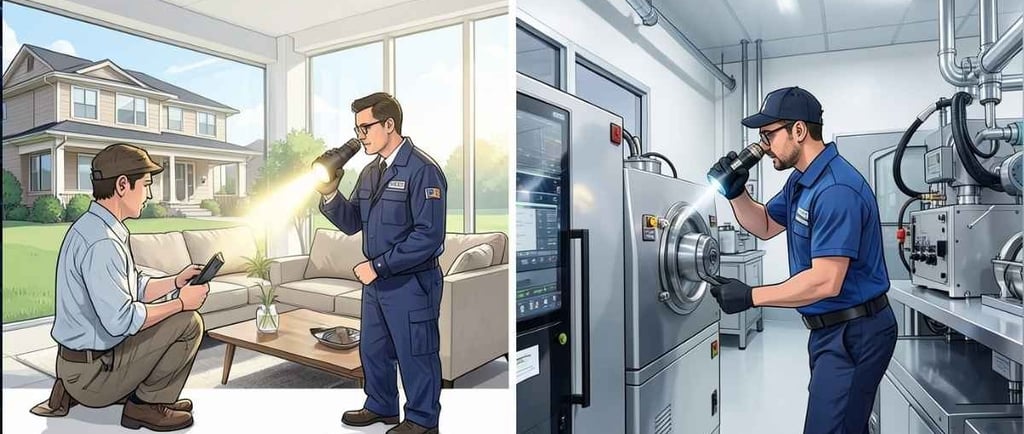
Introduction to Integrated Pest Management (IPM)
Integrated Pest Management (IPM) is a comprehensive approach to managing pests effectively while minimizing risks to human health, property, and the environment. This strategy emphasizes a multifaceted method that merges various control techniques tailored specifically to address the challenges posed by different pests. Unlike conventional pest control, which often relies heavily on chemical treatments, IPM focuses on a balanced combination of prevention, monitoring, and intervention practices.
The cornerstone of IPM lies in prevention, which involves identifying potential pest issues before they escalate into significant problems. This can include practices such as proper sanitation, structural maintenance, and habitat modification to eliminate conditions conducive to pest infestations. By proactively mitigating risk factors, residential and industrial projects can significantly reduce the likelihood of pest occurrences.
Monitoring plays an equally crucial role in IPM. Regular assessments of pest activity help to ensure that any burgeoning infestations are detected early, allowing for timely and appropriate responses. This component relies on techniques such as visual inspections and the use of traps to monitor pest populations, enabling property managers and homeowners to make informed decisions regarding control measures.
When intervention is deemed necessary, IPM advocates for a combination of control methods. This can include biological controls, such as the introduction of natural predators, and physical methods, such as traps and barriers. Chemical treatments, when required, are used judiciously, focusing on targeted applications rather than blanket pesticide use. This integrated approach not only enhances the efficacy of pest management efforts but also promotes long-term sustainability by reducing reliance on chemical solutions.
Implementing an IPM duty plan is essential for effectively safeguarding both residential and industrial spaces. By embracing the principles of IPM, stakeholders can cultivate a more resilient environment, protecting health and property from the adverse effects of pest infestations.
The Importance of an IPM Service Plan
Implementing an Integrated Pest Management (IPM) service plan is essential for both residential and industrial environments. This structured approach focuses on providing effective pest control solutions while minimizing environmental and health risks. One of the primary benefits of an IPM service plan is its capacity to significantly reduce the reliance on chemical pesticides. By integrating biological, cultural, and mechanical control methods, homeowners and facility managers can effectively manage pests without solely depending on harmful chemicals.
Furthermore, an IPM service plan enhances environmental safety. It promotes sustainable practices that protect ecosystems and reduce biodiversity loss. By choosing environmentally friendly pest control strategies, such as encouraging natural predators and implementing habitat modifications, property owners contribute positively to their surroundings. This approach not only conserves resources but also engages the community in responsible pest management practices.
In industrial settings, an IPM service plan plays a crucial role in ensuring compliance with health and safety regulations. Employers are mandated to provide a safe working environment, and incorporating an effective pest management system demonstrates a commitment to this responsibility. Adhering to these regulations can prevent potential fines and legal issues while preserving the health of employees and customers alike.
For residential homeowners, an IPM service plan offers peace of mind. Homeowners are often concerned about the presence of pests and the implications of treatment options. Knowing that pests are being managed through a comprehensive and environmentally friendly strategy alleviates anxiety regarding potential health hazards. With an established IPM service plan, both homeowners and businesses can benefit from improved long-term pest management, ensuring that issues are addressed before they escalate into significant problems.
Key Components of an IPM Duty Plan
An effective Integrated Pest Management (IPM) duty plan encompasses several key components that work synergistically to manage pests in residential and industrial settings. The first element is pest identification, which is crucial for tailored pest control measures. Accurate identification of pests leads to appropriate management decisions, enabling stakeholders to distinguish between harmful and beneficial organisms.
The second component is monitoring and assessment. Regularly evaluating pest populations through traps, inspections, and field observations allows for an informed approach to pest management. This continual assessment helps to identify pest activity trends, assess treatment efficacy, and understand the pest’s life cycle, ensuring that management strategies remain relevant.
Prevention strategies constitute the third major element. These proactive measures involve modifying the environment to make it less conducive to pest infestation. Implementing sanitation practices, maintaining structural integrity, and altering landscape management can significantly reduce the likelihood of pest problems while promoting sustainable living and working environments.
Following preventive measures, control methods come into play when pests are identified. These methods can be chemical, biological, or cultural and should take into account the best practices for minimizing risks to human health and the environment. The choice of control methods should align with the specific pest problem and the overall goals of the IPM plan.
The final essential component is the evaluation of results. After implementing control measures, it is vital to examine their impact through follow-up monitoring. Evaluating results allows for the adjustment of strategies and confirms whether the pest management practices are effective. This feedback loop enhances future planning and execution, thus refining the overall efficiency of the IPM duty plan.
Residential Pest Inspection Checklist
Homeowners play a crucial role in maintaining a pest-free environment through regular inspections. A well-structured pest inspection checklist is vital for identifying signs of pest activity and potential vulnerabilities within the home. The following points should be covered during a residential pest inspection to ensure thoroughness.
First, inspect both the exterior and interior of your home for any signs of pest activity. Look for droppings, gnaw marks, or nesting materials indicating the presence of rodents or insects. Pay special attention to commonly affected areas such as kitchens, basements, and attics. Additionally, check around windows, doors, and foundations for any visible signs of insect trails or webbing.
Next, assess potential entry points that may allow pests to infiltrate your home. This includes examining gaps around windows and doors, cracks in walls or floors, and any openings near utility lines. Seal these gaps with appropriate materials to prevent pest entry. It is also advisable to inspect ventilation systems, as they can serve as access points for unwanted pests.
Furthermore, evaluate your property's landscaping for conditions conducive to pest infestations. Ensure that shrubs and trees do not touch the house, as branches can serve as bridges for insects. Also, check for standing water sources that could attract mosquitoes and eliminate them promptly. In addition, store firewood at least 20 feet away from the home to deter termites.
Finally, consider making a habit of documenting any findings from your inspections. This record can help track patterns over time, allowing you to take proactive measures against potential infestations. Overall, conducting regular inspections using this detailed checklist will empower homeowners to identify issues early and manage pests effectively, demonstrating the significance of an Integrated Pest Management (IPM) approach.
Industrial Pest Control Strategies
Pest control in industrial settings such as warehouses, manufacturing facilities, and food processing plants presents unique challenges that necessitate specialized strategies. These environments often provide abundant resources for pests, making effective management crucial to maintain operational efficiency and adhere to health regulations. Understanding pest behavior is fundamental to devising an effective Integrated Pest Management (IPM) plan in these contexts.
One of the primary strategies in industrial pest control is thorough monitoring and inspection. Regular assessments of the facility can help identify pest entry points, nesting sites, and food sources. Utilizing traps and visual inspections allows for timely detection of infestations, enabling early intervention. Technological advancements like digital monitoring systems can also enhance this aspect by providing real-time feedback on pest activity.
Sanitation is another key component in industrial pest management. Maintaining cleanliness is essential, as it minimizes the availability of food and breeding grounds for pests. Industrial settings should implement robust cleaning protocols, focusing on areas that are often neglected, such as behind equipment and in storage areas. Additionally, proper waste disposal techniques, including sealed containers and regular sanitation schedules, are vital for disruption of pest life cycles.
Furthermore, tailoring pest control methods to the specific environment can result in more effective outcomes. For example, in food processing plants, using non-toxic and environmentally-friendly solutions can be crucial to prevent contamination. Conversely, warehouses may benefit from the use of bait stations strategically placed to target specific pest populations without affecting other areas of the facility. By adopting a customized approach, businesses can enhance their pest management efforts.
Incorporating employee training is also essential. Educating staff about pest identification and prevention measures fosters a culture of proactive pest control. This collective effort can significantly impact the success of an IPM plan, as informed employees are more likely to report potential issues early and adhere to established sanitation practices.
Implementing and Evaluating Your IPM Duty Plan
The successful implementation of an Integrated Pest Management (IPM) Duty Plan requires a systematic approach that begins with thorough staff training. This training should encompass the principles of IPM, best practices for pest identification, and the correct use of monitoring tools. Engaging employees in the significance of the duty plan not only boosts adherence to the guidelines but also promotes an environment where proactive pest management becomes a collective responsibility.
Next, integrating sophisticated pest monitoring systems is crucial. These systems can range from basic inspections and visual assessments to more advanced traps and digital monitoring technologies. By employing these tools, staff can detect pest populations early, allowing for immediate action that aligns with the IPM approach. Consistent monitoring facilitates a proactive stance rather than a reactive one, making it easier to adhere to the objectives of the duty plan.
Regular evaluation of the IPM Duty Plan plays a vital role in its ongoing effectiveness. Assessing the plan involves looking at pest population trends, incidences of pest-related issues, and evaluating the effectiveness of the chosen management strategies. Keeping abreast of developments in pest control regulations helps ensure compliance and allows for timely adjustments to the plan. Furthermore, periodic training refreshers and updates for staff can help maintain their awareness and skills, adapting to any changes that might arise in pest behaviors or environmental conditions.
Adaptability is a cornerstone of effective IPM implementation. The success of the plan hinges on its ability to evolve based on evaluation results and emerging pest management practices. By fostering a culture that embraces change and prioritizes continuous improvement, organizations can significantly enhance their pest control strategies, resulting in better protection of residential and industrial spaces against pests.
Conclusion: The Future of Pest Management with IPM
As we summarize the evolution of Integrated Pest Management (IPM), it is essential to recognize its significance in shaping pest control strategies for both residential and industrial projects. The future of pest management relies heavily on IPM approaches, which promote an understanding of pest biology and behavior, emphasizing environmental sustainability and the reduction of chemical reliance.
The ongoing evolution of pest management practices showcases the dynamic nature of IPM. In recent years, advancements in technology have played a crucial role in enhancing pest control measures. For instance, the integration of precision agriculture and data analytics has allowed for more targeted treatments, minimizing unnecessary applications of pesticides while maximizing efficacy. Furthermore, the use of monitoring tools, drones, and smart traps provides pest management professionals with real-time data, fostering a proactive approach to pest control.
Moreover, the growing awareness of sustainable practices underscores the importance of IPM in today’s world. Consumers are increasingly favoring environmentally friendly pest management solutions that balance effectiveness with ecological responsibility. This shift in public perception places pressure on pest control service providers to prioritize sustainable methodologies. As a result, IPM continues to gain traction in various industries, aligning with global efforts to promote sustainability and conservation.
Ultimately, the future of pest management lies in the continued development of IPM strategies that integrate innovative technologies, promote education among pest control professionals, and cultivate awareness among consumers. By embracing these principles, we can enhance the effectiveness of pest management while safeguarding our health and the environment.
Address:
264/5, Kamal Soroni Road, Mirpur, Dhaka-1216
Contact
Your Quaries on pest control askings
pestexterminatorbd@gmail.com
+8801642008383 +8801988300003, 01723057746
© 2025. All rights reserved. to Urban Pest Control Pvt. Ltd. this site is powered by Our Own IT Team