
International Standard Over Duty Plan for Pest Control Inspectors & Technicians – Complete SOP Guide 2026
2/24/20268 min read
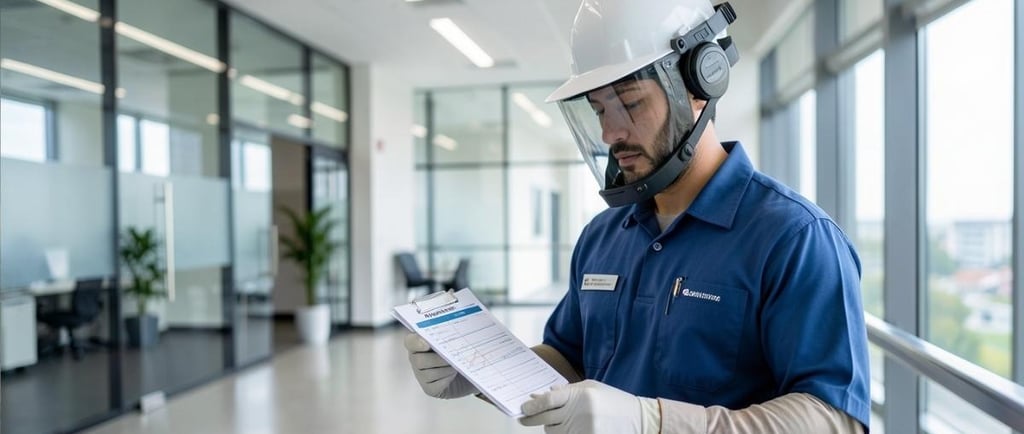
Introduction to Pest Control Standards
The realm of pest control is governed by various methodologies and practices designed to manage unwanted pest populations effectively. At the core of these methodologies lies the significance of international standards, which play a crucial role in harmonizing pest control practices worldwide. These standards ensure that pest control inspectors and technicians operate under a consistent framework, promoting safety, efficiency, and environmental protection. Without standardized protocols, the risk of mismanagement and adverse effects on public health and ecosystems significantly increases.
Standard Operating Procedures (SOPs) are formal documents that provide comprehensive instructions on how to carry out specific tasks within pest management. These SOPs are vital for pest control professionals, offering clear guidelines that promote safety and efficiency. Implementing SOPs minimizes the potential for errors, thus safeguarding both human and environmental health. In pest control, where the stakes involve both the effectiveness of interventions and the ecological balance, adherence to these operational guidelines becomes imperative.
The necessity of standardized procedures transcends geographical boundaries, as pest control issues are often similar in nature across different regions. By adopting international standards, pest control technicians can ensure they have the necessary tools and knowledge to address pest problems effectively, thereby protecting public health. Moreover, through the establishment of these guidelines, there is a collective understanding of pest management strategies, which fosters cooperation among professionals across the globe.
In essence, international pest control standards and SOPs are foundational to the industry. They not only enhance the competency of pest control measures but also underscore the shared responsibility of protecting human health and the environment against the potentially harmful effects of pests and pest control activities. By adhering to established protocols, pest control inspectors and technicians can ensure that their practices contribute positively to public health and ecological stability.
Understanding the Role of Pest Control Inspectors and Technicians
Pest control inspectors and technicians play a crucial role in the effective management of pest populations. Their responsibilities encompass a wide range of activities essential for maintaining health and safety standards in various environments. These professionals are primarily tasked with identifying pest threats, assessing the extent of infestations, and recommending suitable control measures. The accurate diagnosis of pest-related problems is vital as it serves as the foundation for developing targeted pest management strategies.
The qualifications required for pest control inspectors and technicians typically include a high school diploma, although additional certifications or associate degrees in pest management can enhance a candidate's prospects. In many jurisdictions, obtaining a license to practice pest control is mandatory, which often necessitates passing comprehensive examinations that cover pest biology, pesticide use, and integrated pest management practices. Continuous education is also a requirement, as regulations and best practices evolve to address emerging pest threats and environmental concerns.
Training for these professionals can be gained through formal educational programs, apprenticeships, and on-the-job experiences. Participating in workshops and refresher courses is essential to stay updated with new technologies, pest control methods, and legislative requirements. This training ensures that pest control inspectors and technicians are not only proficient in the technical aspects of pest control but also adept at applying state and federal regulations, thereby ensuring compliance with the International Standard Over Duty Plan for Pest Control.
The expertise of pest control inspectors and technicians is vital in implementing Standard Operating Procedures (SOPs) effectively. Their roles substantially contribute to fostering a pest-free environment and safeguarding public health. Their ability to assess, manage, and monitor pest populations sets a critical foundation for successful pest management initiatives.
Development of the SOP for Pest Control
Creating a Standard Operating Procedure (SOP) for pest control is a structured process that demands meticulous attention to detail and comprehensive understanding of various components relevant to successful pest management. To initiate the development of an SOP, thorough research is paramount. This research not only entails reviewing existing procedures and guidelines but also includes an evaluation of current industry standards and emerging trends in pest control. Identifying reliable sources such as government regulations, industry publications, and academically verified studies forms the foundation upon which the SOP is built.
Furthermore, collaboration with experts in pest management is essential. Consultation with experienced pest control technicians, entomologists, and regulatory bodies will provide valuable insights into effective practices. Engaging with stakeholders ensures that the SOP is reflective of real-world applications, making it more practical and effective. Workshops and interviews with these professionals can help highlight common challenges faced in the field, thus allowing the SOP to address these concerns proactively.
Several components must be included in the SOP to ensure its effectiveness. Legal requirements are of utmost importance, as adhering to local, national, and international laws protects both the organization and the public. Safety measures must also be an integral part of the SOP; guidelines should outline necessary precautions, personal protective equipment, and emergency response actions in case of accidental exposure to pest control chemicals. Additionally, consideration of environmental impacts is crucial; the SOP should promote sustainable practices and minimize harm to non-target species, ecosystems, and human health.
In conclusion, developing an SOP for pest control involves a careful blend of research, expert consultation, and adherence to legal and environmental standards. By incorporating these elements, pest control inspectors and technicians can ensure their procedures are effective, compliant, and safe, ultimately leading to more effective pest management outcomes.
Key Elements of the International Standards Over Duty Plan
The International Standards Over Duty Plan (ISODP) for pest control inspectors and technicians encompasses various fundamental components designed to ensure effective pest management practices. The first essential element is the inspection protocols. These protocols dictate the systematic approaches inspectors must follow during evaluations of premises, ensuring thorough assessments of potential pest-related issues while adhering to safety and legal guidelines.
Another crucial aspect is the reporting methods employed after inspections. Detailed reports should effectively communicate observations, assessment results, and recommended actions. Utilizing standardized templates ensures consistency and clarity in reporting, which is vital for maintaining accurate records and facilitating communication among team members and clients.
Furthermore, pest identification and assessment techniques play a significant role in ISODP. Inspectors are trained to recognize different pest species and understand their behaviors, habitats, and the extent of infestations. This knowledge is critical in determining the most effective management strategies and ensuring that the appropriate treatment applications are deployed.
Regarding treatment application guidelines, ISODP emphasizes the importance of safe, efficient, and environmentally responsible methods of pest control. Technicians must be familiar with various application techniques, including integrated pest management practices that minimize risks to human health and non-target organisms. Compliance with manufacturer instructions and safety data sheets is also paramount to ensure effective and responsible treatment.
Finally, follow-up procedures are integral to the ISODP framework. These procedures involve reassessing treated areas to ensure that the pest control measures have been successful. Scheduling follow-up visits allows inspectors to determine if further actions are necessary and provides an opportunity to fine-tune pest management strategies based on the outcomes observed.
Implementation Strategies for Pest Control SOPs
Successfully implementing the Standard Operating Procedures (SOPs) for pest control necessitates a systematic approach that encompasses comprehensive training, rigorous assessment, and ongoing compliance mechanisms. First and foremost, creating a robust training program for pest control inspectors and technicians is vital. This training should cover the specific protocols outlined in the SOPs, focusing on both theoretical knowledge and practical applications. Trainers should incorporate various learning methods, such as workshops, hands-on demonstrations, and e-learning modules, to cater to different learning styles and increase retention of information.
Furthermore, the implementation phase should ensure that all personnel are well-versed in the latest pest management techniques and regulatory requirements. This can be achieved through regular refresher courses and updates aligned with advancements in pest control technologies and methodologies. Assessing the effectiveness of these training programs is equally important; therefore, organizations may adopt evaluation methods, such as quizzes, practical assessments, and on-site evaluations, to gauge understanding and readiness.
Compliance with SOPs also requires establishing clear assessment and monitoring mechanisms. Regular audits should be conducted to ensure that pest control activities align with the prescribed standards. These audits can involve direct observation of operations, review of documentation, and assessment of pest management outcomes. Moreover, creating a feedback loop encourages inspectors and technicians to report challenges faced in adhering to the SOPs while offering suggestions for improvements.
By fostering a culture of accountability and continuous improvement, pest control organizations can ensure effective implementation of their SOPs. This commitment to training, assessment, and diligent compliance monitoring not only enhances operational effectiveness but also safeguards public health and welfare.
Evaluation and Monitoring of Pest Control Practices
Continuous evaluation and monitoring of pest control practices is crucial to ensure their effectiveness and safety. The dynamic nature of pest populations and the environment necessitates that pest control inspectors and technicians systematically assess their interventions and strategies. By implementing regular evaluation protocols, professionals in this field can gather actionable data that informs future pest management decisions.
Several tools are available for assessing the effectiveness of pest control measures. These may include visual inspections, traps, and pest population monitoring techniques. For instance, using sticky traps can provide insight into the presence and levels of pest populations, while visual inspections can reveal any structural or environmental factors contributing to infestations. Furthermore, integrating technology, such as remote sensing and data analytics, offers enhanced capabilities in monitoring pest activity over time.
The adaptability of Standard Operating Procedures (SOPs) is another essential aspect of effective pest management. Feedback from evaluations allows pest control professionals to identify successes and shortcomings in their current practices. By analyzing the data collected, they can modify their SOPs based on real-world results, improving their strategies in line with the latest industry standards and pest management techniques. Adapting SOPs not only enhances operational efficiency but also ensures compliance with regulatory guidelines.
It is the responsibility of pest control inspectors and technicians to engage in continuous professional development. This involves staying informed about technological advancements in monitoring tools and methodologies. Additionally, participating in workshops and training sessions can further enhance their skills in evaluating pest control efforts. By committing to regular assessment and adaptation, pest control professionals can significantly improve the efficacy of their operations, ultimately contributing to safer and more effective pest management solutions.
Future Trends and Challenges in Pest Control Standards
The pest control industry is on the brink of significant transformation, shaped by emerging trends and innovative technologies. As pest control standards evolve, professionals must be prepared to meet the increasingly rigorous demands set forth by international guidelines. One of the most notable trends is the integration of advanced technology, such as drones and artificial intelligence, which assist in pest detection and monitoring. These innovations not only enhance efficiency but also ensure precision in pest management practices, which is essential in adhering to international standards.
In addition to technological advancements, the industry faces the challenge of adapting to changing environmental regulations. Governments worldwide are implementing stricter policies aimed at promoting sustainable pest control methods. This shift necessitates a comprehensive understanding of integrated pest management (IPM) approaches, emphasizing the importance of eco-friendly solutions. Pest control technicians and inspectors must remain informed about these regulations to ensure compliance and to promote environmental stewardship in their practices.
Moreover, ongoing education is paramount in the pest control sector. As new products and techniques emerge, continuous professional development will be vital for pest control professionals aiming to enhance their skills and maintain high competence levels. Certification programs and training sessions focused not only on the pests themselves but also on the responsible use of chemicals will help in retaining alignment with international standards.
Furthermore, as customer expectations evolve, the necessity for transparency in pest control operations has increased. Stakeholders need to communicate effectively about safety measures, methods used, and chemical applications to build trust with clients while meeting regulatory obligations.
In conclusion, the future of pest control standards is characterized by rapid technological advancements, evolving regulations towards sustainability, and a pressing need for education and adaptability. The industry must proactively address these trends and challenges to ensure compliance with international standards and foster a responsible pest control environment.
Address:
264/5, Kamal Soroni Road, Mirpur, Dhaka-1216
Contact
Your Quaries on pest control askings
pestexterminatorbd@gmail.com
+8801642008383 +8801988300003, 01723057746
© 2025. All rights reserved. to Urban Pest Control Pvt. Ltd. this site is powered by Our Own IT Team