
Invisible Household Pests in the USA That Trigger Chronic Allergies
2/5/20267 min read
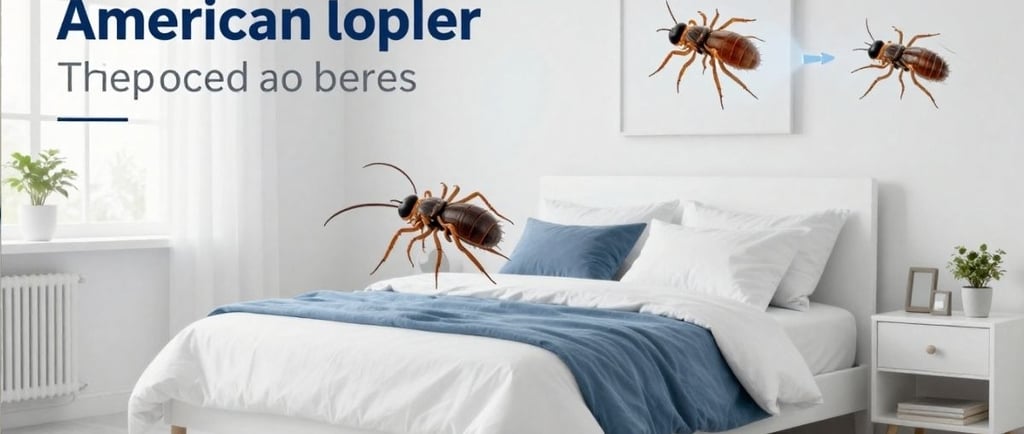

Introduction to Allergies and Household Pests
Allergies are immune responses triggered by exposure to certain substances known as allergens. When an individual encounters these allergens, their immune system may overreact, resulting in symptoms that range from mild irritations to severe health complications. Common allergic reactions include sneezing, itching, and respiratory problems, which can significantly diminish an individual’s quality of life. In many households across the USA, one prevalent contributor to allergies is the presence of various household pests.
Pests such as cockroaches, dust mites, and rodents are frequently found in residential environments. These creatures tend to thrive in conditions that are often coincident with human habitation, making their presence a common issue for many. Their waste products, body parts, and secretions can become airborne, acting as potent allergens. For example, cockroach droppings and body fragments are well-documented triggers for asthma and other allergic reactions. Similarly, dust mites, microscopic creatures that feed on human skin flakes, are prevalent in bedding and upholstery and are a common source of allergy-related discomfort.
Statistics indicate that a significant portion of the population suffers from allergies triggered by these household pests. Estimates suggest that around 20 million adults have hay fever, which can be aggravated by allergens such as those produced by pests. In addition, many children are increasingly affected, with asthma linked to exposure to indoor allergens, including those from household pests. Understanding this connection is crucial for homeowners, as it facilitates better management practices to mitigate the impact of these hidden pest-related allergens. Being informed about the relationship between household pests and allergies is the first step towards creating a healthier living environment.
Common Invisible Pests that Trigger Allergies
Invisible household pests can pose significant health risks, especially for individuals with allergies. Among these pests, dust mites, cockroaches, and bed bugs are particularly notorious for exacerbating allergic reactions.
Dust mites are microscopic organisms that thrive in warm, humid environments, making bedding, upholstered furniture, and carpets their primary habitats. They feed on dead skin cells and are often found in high concentrations in homes. The allergen produced by dust mites is a protein found in their waste and body fragments, which can provoke asthma and allergic responses in sensitive individuals.
Cockroaches are another prevalent pest that can trigger allergies and asthma. These insects are often found in kitchens and bathrooms, preferring warm, dark places such as under sinks and behind appliances. The allergens released from cockroaches are found in their saliva, feces, and decomposing body parts. The presence of cockroaches in the home can significantly affect indoor air quality, leading to increased symptoms for those with sensitivities.
Bed bugs, although larger than dust mites, are also often undetected until a significant infestation occurs. These nocturnal pests hide in mattresses, bedding, and furniture crevices, coming out to feed on human blood during the night. They can cause itchy bites and contribute to insomnia. Moreover, their droppings and shed skins are known allergens that can trigger allergic reactions and asthma in predisposed individuals.
In summary, understanding the common invisible pests in households can aid in better home management and allergy prevention. Awareness of their habitats and the specific allergens they produce is crucial for reducing allergic reactions in sensitive individuals.
The Impact of Pests on Indoor Air Quality
Invisible household pests, such as dust mites, cockroaches, and mold spores, can significantly compromise indoor air quality, which in turn exacerbates allergic reactions among sensitive individuals. These pests produce allergenic proteins that become airborne and are easily inhaled, leading to respiratory issues and chronic allergies. For example, dust mites thrive in warm, humid environments, such as bedding and carpets, and their droppings can release potent allergens. When these allergens become airborne, they contribute to an increase in indoor particulate matter, resulting in poorer air quality.
Cockroaches are another common pest associated with allergenic reactions. Their waste products and saliva contain strong allergens that can trigger asthma and other allergic responses. Studies suggest that children exposed to cockroach allergens in their home environment are at a heightened risk for developing asthma and respiratory infections. Control of cockroach populations is vital for maintaining a healthy indoor atmosphere.
The presence of mold is also critical in the discussion of indoor air quality. Mold spores can become airborne when disturbed, leading to allergic reactions and respiratory illnesses. Mold thrives in damp conditions often linked to pest infestations, which can exacerbate the issue further. Thus, addressing pest populations is not only essential for the comfort of inhabitants but also for ensuring that indoor air remains clean and allergens are minimized.
In summary, invisible pests play a significant role in diminishing indoor air quality and can contribute significantly to chronic allergies. By understanding the connection between pests and allergens, homeowners can take proactive measures to eradicate pest issues, thereby improving indoor air quality for all residents.
Identifying Signs of Pest Infestation
Identifying signs of pest infestation is crucial for maintaining a healthy home environment. Invisible household pests, such as dust mites, cockroaches, and rodents, often trigger chronic allergies, making it essential to recognize their presence early on. Understanding the visual clues and health changes associated with these pests can help you act promptly.
One of the first signs of a pest infestation is an increase in allergy symptoms among household members. If you or your family notice unexplained sneezing, coughing, or skin rashes, it may indicate the presence of allergens originating from pests. Dust mites, for instance, thrive in bedding and carpets, causing allergic reactions among sensitive individuals. Cockroaches also produce allergens that can exacerbate asthma symptoms.
In addition to health symptoms, there are visual indicators of pest presence. Look for droppings, which are often small, dark, and elongated for rodents or tiny and speckled for cockroaches. These fecal traces can typically be found in confined areas like under sinks, inside cabinets, or in corners. Furthermore, physical damage, such as chewed wires or holes in food packaging, may also signify an infestation.
Monitoring pest activity can be highly effective. Utilize monitoring tools such as sticky traps to capture rodents or cockroaches discreetly. Regularly inspecting your home, especially in high-risk areas like kitchens and bathrooms, can also help detect any alarming changes. Keeping a clean environment, reducing clutter, and sealing entry points are additional preventive measures to minimize pest infestations.
Overall, recognizing the signs of pest infestations commonly linked to chronic allergies is vital for ensuring the well-being of your household. By staying aware of symptoms, visual indicators, and prevention techniques, you can effectively address and mitigate the impact of these unseen nuisances in your home.
Preventative Measures to Reduce Pest Infestations
Preventing pest infestations in the home is essential for reducing the risk of chronic allergies caused by various household pests. Implementing effective strategies can significantly minimize the chances of these nuisances finding their way into living spaces. One of the fundamental steps is to maintain a rigorous cleaning routine. Regular vacuuming and dusting can help eliminate food particles and allergens that attract pests. Utilizing a vacuum cleaner equipped with a HEPA filter can effectively trap allergens like dust mites and pet dander, providing a healthier environment.
In addition to routine cleaning, it is critical to seal entry points around the home. Inspecting windows, doors, and any potential gaps in the foundation can prevent rodents and insects from entering the premises. Applying weather stripping to doors and screens can provide an effective barrier against these pests. Moreover, ensuring that any cracks or holes are properly caulked can further diminish access points for unwanted guests.
Another proactive measure involves managing moisture levels within the home. Many pests are attracted to damp areas; thus, promptly fixing leaks and ensuring adequate ventilation in bathrooms and kitchens can significantly deter infestations. Installing dehumidifiers in basements or other high-moisture environments can also help maintain optimal humidity levels, making the habitat less appealing to pests.
Lastly, being mindful of storage habits can vastly reduce pest attraction. Keeping food in airtight containers and storing items off the floor can minimize pest harborage areas. Regularly checking pantry items for potential infestations can help catch any issues before they escalate. By integrating these practical cleaning techniques and preventive measures, homeowners can effectively reduce pest infestations and mitigate allergy triggers associated with them.
Effective Pest Control Solutions
Managing household pests is critical for maintaining a healthy indoor environment, especially for individuals who suffer from chronic allergies. Both natural and chemical solutions can effectively eliminate these pests while addressing allergy concerns.
Natural pest control methods are increasingly popular due to their lower impact on indoor air quality and overall safety for both residents and pets. One such method includes the use of essential oils, such as tea tree and peppermint oil, which can deter common allergens like dust mites and mold. Additionally, thorough cleaning practices, including regular vacuuming with HEPA filters and frequent washing of bedding at high temperatures, can significantly reduce the presence of allergy-inducing pests.
Another natural remedy is the introduction of beneficial insects, such as ladybugs and lacewings, which can help control pest populations without harmful chemical exposure. Landowners can also consider creating a less hospitable environment for pests by reducing humidity levels through proper ventilation and using dehumidifiers, thereby discouraging mold and dust mites.
On the other hand, chemical pest control solutions provide a faster response to severe infestations. However, it is essential to approach these methods with caution due to potential health risks. Utilizing insect growth regulators and targeted sprays can minimize exposure, as these products are designed to disrupt the life cycles of pests while reducing the release of harmful chemicals into the air. Choosing low-toxicity options can also mitigate risks associated with traditional pesticides.
It is crucial to apply any pest control method judiciously, ensuring that safety measures are in place. This includes following label instructions carefully and considering professional pest control services that prioritize non-toxic methods. By finding a balance between efficacy and safety, homeowners can effectively manage pests that trigger allergies while preserving good indoor air quality.
Conclusion: Taking Action Against Invisible Allergens
Chronic allergies can significantly impact the quality of life of affected individuals, and a major contributor to these allergic reactions may be the invisible household pests that often go unnoticed. These pests, including dust mites, pet dander, mold, and various insects, release allergens that are easily inhaled, triggering a range of symptoms from mild irritation to severe respiratory issues. Understanding the mechanisms by which these allergens operate is essential for effective management and prevention.
Awareness is the first step in combating the effects of invisible household pests. It is crucial for individuals to identify potential sources of allergens within their homes. Simple actions such as regular cleaning, using air purifiers, and maintaining low indoor humidity can substantially reduce the presence of allergens and improve indoor air quality. For households with pets, consistent grooming and cleaning can limit the amount of pet dander that contributes to allergic reactions.
Furthermore, it may be necessary to seek professional assistance, especially in severe cases. Pest control experts can provide valuable insights and services to eliminate infestations that may not be visible to the naked eye. Air quality assessments can also detect underlying issues with mold or other allergens that could be exacerbating allergy symptoms.
In conclusion, by prioritizing awareness and taking proactive measures, individuals can significantly reduce their exposure to allergens linked to invisible household pests. This approach not only helps alleviate allergy symptoms but also promotes a healthier living environment for all household members. By understanding and addressing these invisible threats, we can pave the way towards improved well-being and comfort in our homes.
Address:
264/5, Kamal Soroni Road, Mirpur, Dhaka-1216
Contact
Your Quaries on pest control askings
pestexterminatorbd@gmail.com
+8801642008383 +8801988300003, 01723057746
© 2025. All rights reserved. to Urban Pest Control Pvt. Ltd. this site is powered by Our Own IT Team