
Invisible Infestations: Why You Don’t See the Pests Destroying Your Home
2/1/20267 min read
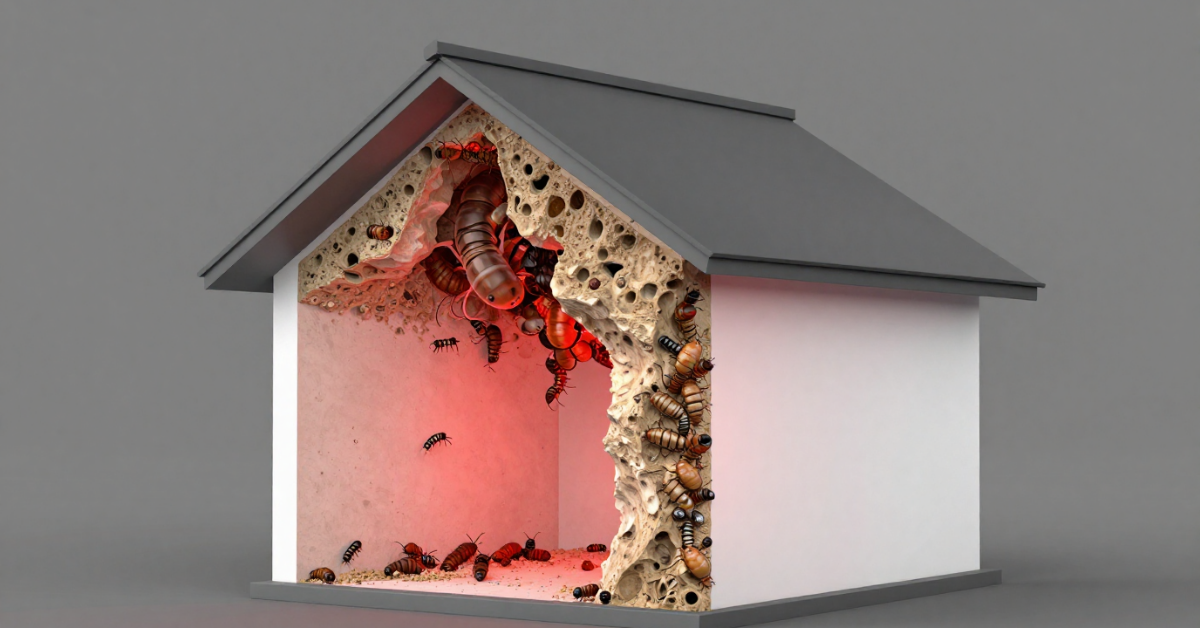
Understanding Invisible Infestations
Invisible infestations refer to pest problems that can exist within a home without being immediately noticeable to its occupants. These infestations are typically characterized by the presence of pests that are either hidden from plain sight or are adept at evading detection. Common examples of such pests include termites, bed bugs, and various types of rodents. Despite their hidden nature, these pests can cause significant damage to property and pose health risks.
Termites are notorious for their ability to silently consume wooden structures, leading to serious compromises in a home’s integrity. Often, homeowners are unaware of termite activity until significant damage has occurred, sometimes resulting in costly repairs. Similarly, bed bugs are another type of pest that is hard to spot; they typically hide in seams of mattresses or small crevices during the day, emerging only at night to feed on blood. Their rapid reproduction can lead to a full-blown infestation before homeowners even realize there is a problem.
Rodents, such as mice and rats, can also reside unnoticed within walls or under floorboards. They not only damage property through gnawing but can pose health risks by spreading diseases through their droppings and urine. The first signs of their presence often include gnaw marks, droppings, or a sudden increase in noise, rather than the sight of the animals themselves.
In addition to causing physical harm, invisible infestations can lead to significant emotional stress as homeowners may feel uneasy in their own environment. Therefore, understanding the nature of these hidden threats is crucial to maintaining both the structural integrity of one's home and the health of its occupants. Awareness and proactive measures are essential for addressing these invisible infestations effectively.
Common Types of Invisible Pests
Several pests can infiltrate homes without being immediately perceived, leading to significant damage and health concerns. Among these, termites, bed bugs, and certain types of molds are particularly notorious.
Termites are perhaps the most insidious of invisible pests. Known for their wood-destroying habits, these insects often live within the structural timbers of a home, meticulously consuming wood from the inside out. Signs of a termite infestation include the presence of discarded wings, frass (wood droppings), and hollow-sounding wood. For instance, homeowners may not recognize a termite problem until extensive damage has already occurred, as these pests can remain hidden for years.
Bed bugs are another common type of invisible pest that can go unnoticed. These small, brown insects typically inhabit areas close to where people sleep, such as mattresses and bed frames. While they do not transmit diseases, their bites can cause significant discomfort and lead to secondary infections due to scratching. Signs of bed bugs include small, red welts on the skin, tiny blood stains on bed sheets, and dark spots of bed bug excrement. It is not unusual for individuals to unknowingly introduce bed bugs to their homes by acquiring infested furniture or luggage.
Additionally, certain molds can also be classified as invisible pests, often growing undetected in damp and dark areas of the home. Common types include black mold and penicillium, both of which can lead to health issues, especially for those with respiratory conditions. Mold may present itself through a musty odor or discoloration on walls and ceilings, but its presence can easily be overlooked until structural damage occurs or health symptoms arise.
Understanding these common invisible pests is crucial for homeowners. Prompt identification and action can help mitigate potential risks associated with these hidden threats.
Signs of an Invisible Infestation
Invisible infestations can pose a significant threat to homeowners, as many pests remain hidden until considerable damage has already occurred. Being vigilant about the signs of an infestation is essential for early detection and effective management. A checklist of indicators helps identify potential problems with household pests, allowing homeowners to take proactive measures to minimize damage.
One of the most common indicators of an infestation is the presence of droppings. These droppings can vary in appearance depending on the pest involved; for instance, rodent droppings are small, pellet-like shapes, while insect droppings might appear as tiny specks. Observing these droppings in areas such as basements, under sinks, or in pantry spaces should raise alarm bells.
Unusual noises within walls, attics, or other concealed areas can also suggest an infestation. Sounds of scratching, squeaking, or gnawing may signify that rodents or other pests are present and active. Homeowners should be attentive, especially during nighttime when these creatures are more likely to be active.
Stains on walls, ceilings, and floors are further signs that might go unnoticed. These stains may originate from pest urine, feces, or even bodily fluids, depending on the type of infestation. Homeowners should inspect areas behind appliances, inside cabinets, and around pipes for any unusual discoloration or damage.
Lastly, unusual or musty odors can be a telltale sign of an invisible infestation. These odors may emanate from decaying pests, feces, or even nests that have accumulated in hidden locations. Homeowners should trust their sense of smell; if they detect something out of the ordinary, it is worth investigating further.
Why Some Pests Go Unnoticed
Presence of pests in residential spaces often goes undetected, primarily due to their life cycles and behavioral adaptations. Many pests, such as termites or bed bugs, thrive in environments that promote concealment and protection. For instance, termites can live within wooden structures and remain hidden for extended periods. Their ability to silently chew through wood means that homeowners may only notice signs of infestation when significant damage has already occurred. Similarly, bed bugs are excellent at hiding in small crevices, making detection difficult until bites appear on skin.
The behavioral patterns of pests can also contribute to their unnoticed presence. Some pests are nocturnal, emerging primarily at night to feed, while humans are less active. This timing allows them to operate without the risk of being spotted. Furthermore, certain pests maintain distance from human activities, preferring secluded areas, such as behind walls or under floors, which are often inaccessible for thorough inspection. Thus, the very nature of their habits and preferences increases the possibility of undetected infestations.
Humans may also overlook pest activity due to various factors, such as unfamiliarity with warning signs or simply underestimating the potential threat these pests pose. Over time, subtle indicators of infestations, like droppings, debris, or small holes, can blend into the household landscape, leading to misinterpretations or neglect. The consequences of ignoring these infestations can be severe, resulting in significant structural damage and potentially costly repairs. By understanding the reasons why some pests remain unnoticed, homeowners can take proactive steps to identify and mitigate these hidden threats, ensuring a safe and secure living environment.
The Consequences of Ignoring Invisible Infestations
Invisible infestations can pose a serious threat to both the structural integrity of a home and the health of its inhabitants. When homeowners overlook these hidden pests, such as termites, bed bugs, or rodents, the repercussions can be extensive. Termites, for instance, are notorious for causing substantial damage to wooden structures. Their feeding habits compromise the strength of support beams, leading to potential structural failures. Over time, minor infestations can escalate into major problems, resulting in costly repairs that could have been avoided with timely intervention.
Moreover, the health implications of ignoring pest infestations are equally concerning. Many pests can trigger allergic reactions, respiratory issues, and other severe health complications. For instance, cockroach droppings contain allergens that can exacerbate asthma and other respiratory problems, especially in children and the elderly. Additionally, pests such as rodents are vectors for various diseases, including hantavirus, leptospirosis, and salmonella. These diseases can be transmitted through direct contact or contaminated food and surfaces, posing significant health risks to families.
Ignoring signs of an infestation not only jeopardizes physical structures and introduces health risks but also leads to increased stress and anxiety for homeowners. Once the existence of pests becomes evident, the emotional toll can be substantial, as many individuals feel a loss of control over their living environment. Consequently, early detection and an active response to pest problems are crucial in preventing the escalation of issues related to invisible infestations. By maintaining vigilance and addressing pest issues promptly, homeowners can protect their properties and preserve their health and well-being.
Preventative Measures and Solutions
Preventing invisible infestations in your home requires regular diligence and proactive measures. One critical step is conducting routine inspections of your property. Homeowners should inspect areas commonly known for pest activity, such as the attic, basement, and subfloor. Look for signs of infestation, including droppings, nests, or damage to wood and insulation. Performing these checks at least twice a year can help detect any problems before they escalate.
Maintaining cleanliness is another essential preventive action. Pests are often attracted to food sources and debris, so regularly cleaning countertops, floors, and hard-to-reach areas can significantly reduce the likelihood of infestations. Store food in airtight containers and promptly address any spills or crumbs. Moreover, decluttering your home can eliminate potential hiding spots for pests, making it less inviting for them to take up residence.
Monitoring moisture levels in your home is crucial, as excess humidity can create conducive environments for various pests, such as termites and mold. Implementing a dehumidifier in areas prone to dampness, such as basements and bathrooms, can help control moisture levels. Additionally, promptly fixing any leaks in plumbing or roofing and ensuring proper drainage around your property will further minimize risks.
While taking these preventative measures is essential, enlisting the services of professional pest control can provide an added layer of protection. Experts can offer comprehensive assessments and tailored treatments based on your home's specific needs. They also provide advice on best practices to prevent future infestations, ensuring your household remains pest-free. By proactively addressing these issues and implementing effective strategies, homeowners can significantly reduce the chances of experiencing invisible infestations.
When to Call a Professional Exterminator
Identifying the correct time to enlist the help of a professional exterminator can significantly impact your efforts in managing pest infestations. Early detection is pivotal, as many pests can reproduce quickly and cause extensive damage before you even notice their presence. It is essential to recognize the warning signs that may indicate a pest problem.
If you experience unusual noises coming from walls or ceilings, notice droppings, or find gnaw marks on furniture or walls, these could be indicators that pests are present. Additionally, if you discover nests or pathways, it is advisable to seek professional help. The presence of pests often leads to consequences that extend beyond mere discomfort; they can pose serious health risks and contribute to structural damage within your home.
Professional pest control services offer a range of benefits, including comprehensive inspections and targeted treatments tailored to specific pest issues. A qualified exterminator can accurately identify the types of infestations present and implement effective solutions, ensuring the problem is handled efficiently. Furthermore, they possess access to advanced tools and products that are not readily available to the average homeowner, providing a level of expertise that enhances the success of eradication efforts.
When hiring pest control services, you can generally expect an initial consultation where professionals assess your home and discuss potential treatment plans. This might include follow-up visits to ensure that the treatment is effective and to prevent future infestations. The investment in professional assistance not only resolves immediate concerns but also establishes a preventative approach to pest management.
Ultimately, the sooner you address a pest issue, the more manageable it will be. By calling a professional exterminator at the first signs of trouble, you can safeguard your home from more significant damage and health risks associated with pest infestations.
Address:
264/5, Kamal Soroni Road, Mirpur, Dhaka-1216
Contact
Your Quaries on pest control askings
pestexterminatorbd@gmail.com
+8801642008383 +8801988300003, 01723057746
© 2025. All rights reserved. to Urban Pest Control Pvt. Ltd. this site is powered by Our Own IT Team