
Invisible Pests Living in Your Bed That Cause Allergy Without Biting
2/5/20267 min read
Introduction to Invisible Bed Pests
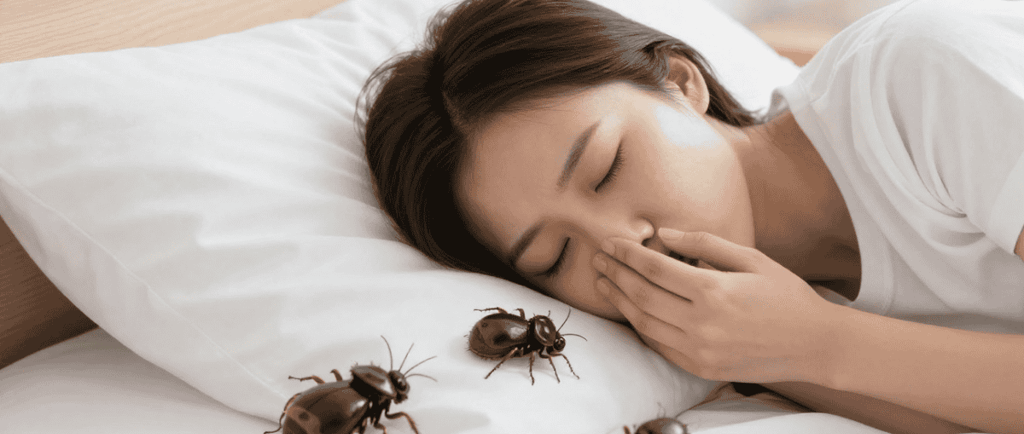
Many individuals may not realize that their beds are home to a variety of invisible pests that can significantly affect health and well-being. These often unnoticed inhabitants can lead to allergy symptoms without the telltale signs of bites. Among the various types of pests that may be present, dust mites and bedbugs are commonly mentioned, though their behaviors differ markedly. While bedbugs are notorious for their bites, dust mites operate in a much subtler manner, thriving in the fibers of bedding and carpeting.
Dust mites are microscopic creatures that feed on dead skin cells shed by humans and pets. As such, they flourish in domestic environments, particularly in bedding, pillows, and mattresses. Their feces and body fragments can trigger allergic reactions in sensitive individuals, leading to symptoms such as sneezing, runny noses, and even asthma attacks. Despite their prevalence, many remain unaware of their presence and the potential health risks they pose.
Furthermore, it is essential to recognize that these invisible pests can exist in even the cleanest of homes, as their survival is based more on the environment than cleanliness. A humid atmosphere fosters dust mite proliferation, highlighting the importance of ventilation and humidity control in maintaining a healthy living space. Likewise, common misunderstandings about pest management can inadvertently worsen the problem, as conventional cleaning methods may not eliminate them effectively.
Understanding the nature and behavior of these unseen pests is critical for maintaining a healthy lifestyle. By educating oneself about these factors and implementing appropriate measures, individuals can mitigate allergic reactions and improve the overall comfort of their sleeping environment. The first step in addressing the issue of invisible bed pests is awareness and proactive management in combating their effects.
Common Types of Bed-Dwelling Pests
Within the confines of our sleeping spaces, several unseen pests thrive, often leading to unexpected allergic reactions. One of the most prevalent culprits is the dust mite, a minuscule arthropod that flourishes in warm, humid environments, particularly within bedding materials such as mattresses, pillows, and linens. Dust mites feed primarily on dead skin cells shed by humans and pets, which are abundant in household dust. Their presence is not directly felt, yet their waste products are potent allergens that can trigger various respiratory issues and skin reactions.
Alongside dust mites, mold spores are another common microbial presence in bedding. Mold thrives in damp conditions and can derive nutrients from organic materials found in mattresses and sheets. As mold spores become airborne, they can elicit allergic responses, including sneezing, runny noses, and even asthma attacks. The growth of mold is often accelerated by moisture accumulation, making it essential to maintain proper ventilation and humidity levels in living spaces.
Other microscopic organisms such as pet dander, pollen, and dead skin cells also contribute to the allergenic environment within our bedrooms. These particles can aggregate in bedding, exacerbating allergies for sensitive individuals. In fact, while we may not notice their presence, the combination of these allergens can create a complex environment that significantly impacts our health.
Addressing these invisible intruders involves regular cleaning practices, such as using allergen-proof covers for pillows and mattresses, washing bedding frequently in hot water, and utilizing air purifiers to reduce airborne particles. By understanding the types of pests that might inhabit our beds, we can take proactive steps to minimize their presence and alleviate allergy symptoms.
Understanding Allergies: Symptoms and Triggers
Allergies are immune responses to substances that the body perceives as harmful, even though they may be harmless to most individuals. Various allergens exist, including those associated with invisible pests often found in bedding, such as dust mites and bed bugs. These pests can trigger allergic reactions, leading to a range of symptoms that vary from mild to severe.
Common symptoms of allergies include sneezing, nasal congestion, itchy or runny eyes, and irritating skin conditions. More severe reactions can lead to respiratory issues such as asthma, characterized by difficulty in breathing, wheezing, and chest tightness. Given that these invisible pests thrive in warm, humid environments, they can exacerbate allergy symptoms, particularly in individuals already vulnerable due to pre-existing conditions.
Dust mites, for instance, are notoriously prevalent in household environments, where they feed on organic debris like skin flakes. The proteins found in dust mite droppings are potent allergens that can trigger immediate and delayed reactions. Symptoms may surface shortly after exposure, or they may take longer to manifest, contributing to confusion and sometimes leading to the underdiagnosis of allergies related to these pests.
Additionally, nasal and respiratory symptoms can become chronic if an individual's environment remains untreated for these pests. Hence, monitoring the presence of such allergens in bedding and taking preventive measures is crucial. Addressing these invisible pests through proper household cleaning and management techniques can significantly alleviate allergy symptoms and improve overall quality of life for affected individuals.
How Bedding Materials Affect Pest Infestation
Bedding materials play a crucial role in the proliferation of invisible pests, particularly dust mites and other allergens that can contribute to various allergic reactions. Certain fabrics and materials are more conducive to creating an environment that fosters the survival and reproduction of these pests. Cotton, for example, is a natural fiber known for its breathability and softness, but it also retains moisture, which is favorable for dust mites. On the other hand, synthetic materials such as polyester may lack moisture absorption but can provide the warmth and shelter these pests need.
Moreover, the choice of bedding materials can significantly influence the ease of cleaning and maintenance. Fabrics that are easy to wash, such as cotton blends, are preferable, as frequent washing at high temperatures helps eliminate dust mites and their allergens. In contrast, heavier materials or those that are difficult to maintain can trap allergens and provide a habitat for pests. Bedding accessories like mattress pads and pillow covers made of allergen-proof materials can also minimize exposure to these pests, reducing the risk of allergy-related symptoms.
Environmental factors, such as humidity and temperature, further affect pest infestation. High humidity levels combined with poor ventilation create an ideal breeding ground for invisible pests within bedding. Therefore, selecting appropriate bedding materials and maintaining a controlled environment are essential in mitigating allergy risks associated with pests. Regularly airing out bedding, opting for hypoallergenic materials, and ensuring good airflow can significantly contribute to preventing infestations.
In conclusion, the relationship between bedding materials and pest infestation is complex yet essential to understanding how to combat allergenic reactions effectively. By choosing suitable materials and maintaining a clean environment, individuals can significantly reduce their exposure to these invisible pests and improve their overall health.
Preventive Measures: Keeping Your Bed Pest-Free
Ensuring a pest-free environment in the bedroom is essential for maintaining optimal health and comfort. Various pests, such as dust mites and bed bugs, can thrive in bedding, leading to allergies and respiratory issues without leaving noticeable signs of bites. Implementing effective preventive measures is crucial in minimizing these risks.
One of the most straightforward and efficient methods is to establish a regular washing routine for your bedding. It is advised to wash sheets, pillowcases, and blankets in hot water weekly. This practice helps to eliminate dust mites and other allergens, creating a cleaner sleeping environment. Additionally, consider washing pillow and duvet covers at least monthly to ensure these larger items remain pest-free.
Utilizing hypoallergenic mattress covers is another recommendation for reinforcing your bed against pests. These specialized covers create a barrier that prevents allergens and pests from infiltrating the mattress. It is important to select a cover designed specifically for hypoallergenic protection, as this will help in reducing allergic reactions triggered by dust and other irritants.
Maintaining proper humidity levels in the bedroom is equally important. Dust mites thrive in humid environments; therefore, keeping the humidity level below 50% can significantly deter their presence. Employing a dehumidifier or air conditioning unit can assist in regulating indoor moisture, creating an unfavorable environment for pests.
Finally, regular vacuuming of the bedroom, including carpets and curtains, is essential in reducing potential allergens. Be sure to use a vacuum cleaner equipped with a HEPA filter to capture fine particles effectively. Taking these steps will contribute significantly to keeping your bed and bedroom free from annoying and potentially harmful pests.
Treatment Options for Pest-Induced Allergies
For individuals experiencing allergies due to invisible pests such as dust mites or bed bugs, effective treatment options can dramatically enhance comfort and overall well-being. There are multiple strategies available, including natural remedies, over-the-counter medications, and the necessity of consulting a healthcare professional when symptoms persist or worsen.
Natural remedies are often the first line of defense for some individuals. Common strategies include the use of essential oils such as eucalyptus or tea tree oil, which may help in reducing allergy symptoms due to their anti-inflammatory properties. Regular washing of bedding in hot water can eliminate potential allergens, thereby providing relief. Furthermore, maintaining a clean environment by minimizing clutter and utilizing air purifiers can significantly decrease the presence of airborne allergens caused by these pests.
For more immediate relief, over-the-counter medications play a crucial role. Antihistamines, such as cetirizine or loratadine, can alleviate sneezing, watery eyes, and nasal congestion associated with allergies. Decongestants may also provide temporary relief for nasal blockage, while nasal corticosteroids can help reduce inflammation in the nasal passages, addressing the root cause of symptoms caused by pest allergens. It is important to follow the dosage recommendations as prescribed on packaging or advised by a pharmacist.
It is advisable to consult a healthcare provider when allergy symptoms are severe or do not improve with home treatments. A professional evaluation may lead to additional options such as prescription medications or allergy testing, which can provide valuable insights into specific allergens. They can also discuss further treatments like immunotherapy, which gradually desensitizes the body to allergens.
By integrating natural remedies, utilizing appropriate over-the-counter medications, and knowing when to seek professional help, individuals can effectively manage pest-induced allergies and improve their quality of life.
Conclusion: The Importance of Awareness and Prevention
In summary, invisible pests residing in your bed can be a significant source of allergens, leading to a variety of health issues without inflicting any bites. These minute creatures, including dust mites and bed bugs in their juvenile stages, thrive in warm, humid environments, making beds an ideal habitat. The consequences of ignoring their presence can lead to ongoing allergy symptoms such as sneezing, nasal congestion, and skin irritations that can disrupt daily life.
Awareness is crucial in combating these hidden pests. Understanding that they exist and the potential health implications they carry is the first step towards prevention. Implementing measures such as regular cleaning routines, investing in protective covers for bedding, and maintaining appropriate humidity levels can greatly reduce the likelihood of infestations. Consider incorporating hypoallergenic materials in your bedding choices which can aid in minimizing exposure to allergens.
Furthermore, educating oneself and others about the various signs and symptoms related to allergies caused by these pests can facilitate a deeper understanding of the issue. If you or someone you know is experiencing persistent allergy symptoms, it is advisable to seek professional advice. An expert can help identify the source of the problem and recommend appropriate measures.
In conclusion, being proactive in awareness and prevention strategies regarding invisible pests in your sleeping environment is essential for maintaining a healthy living space. By taking these steps, you can significantly alleviate allergy symptoms and improve your overall well-being. It is vital to recognize the seriousness of this issue and act accordingly to safeguard your health and comfort.
Address:
264/5, Kamal Soroni Road, Mirpur, Dhaka-1216
Contact
Your Quaries on pest control askings
pestexterminatorbd@gmail.com
+8801642008383 +8801988300003, 01723057746
© 2025. All rights reserved. to Urban Pest Control Pvt. Ltd. this site is powered by Our Own IT Team