
Invisible Pests Living on Your Skin Right Now
2/3/20267 min read
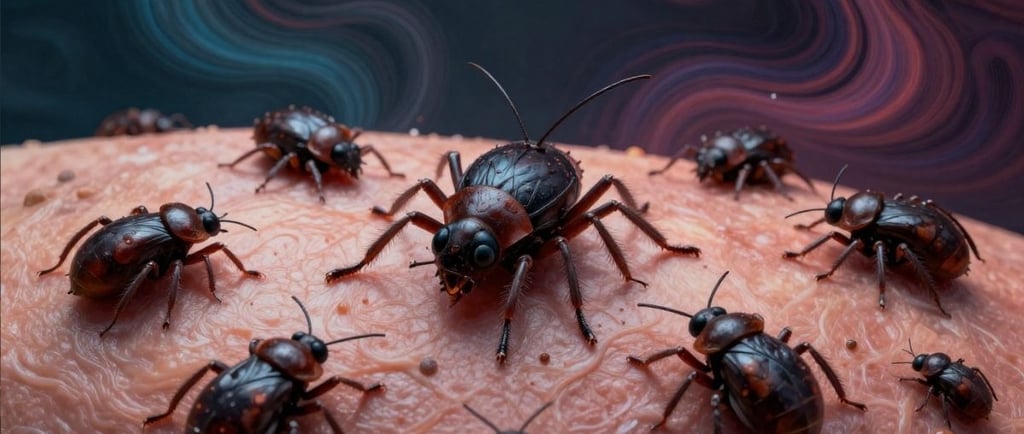
Introduction to Skin-Dwelling Pests
Human skin is not merely a protective barrier; it is a thriving microhabitat teeming with a plethora of organisms, many of which are microscopic and largely invisible to the naked eye. Among these inhabitants are various skin-dwelling pests that often go unnoticed yet play significant roles in our skin's ecology. Understanding these pests can be crucial for maintaining skin health and overall well-being.
Research indicates that numerous types of mites and other microorganisms reside within the top layers of the skin, specifically adapted to exploit the human body's environment. These organisms, including Demodex mites, feed on sebum and skin flakes, thriving in areas with abundant hair follicles. Though their presence is common, many individuals remain unaware of their existence due to their microscopic size and generally benign nature.
The prevalence of skin-dwelling pests is startling; studies have shown that a significant percentage of the population is host to these mites by the time they reach adulthood. This highlights the idea that encountering these invisible pests is a universal experience, though it can sometimes be unsettling to consider such organisms residing on our bodies. Furthermore, these pests usually do not exhibit any adverse effects, which is the primary reason they often go unnoticed. People may experience irritation or skin issues without connecting those symptoms to the presence of these detritivores.
Awareness of skin-dwelling pests not only fosters a greater understanding of our skin's ecosystem but also encourages proactive measures in skincare. Adopting appropriate hygiene practices and understanding when to seek medical advice can improve skin condition and health. Therefore, it is essential to explore the world of these invisible pests, examining their biology, impact, and management strategies in subsequent sections of this blog.
Types of Invisible Pests
Invisible pests are organisms that can be found living on human skin, often going unnoticed while playing significant roles in health and disease. These pests can be broadly categorized into three main types: mites, bacteria, and fungi.
Firstly, mites are small arachnids that thrive in various environments, including human skin. The most well-known species is Demodex folliculorum, which resides in hair follicles and sebaceous glands. These mites feed on dead skin cells and oils, contributing to the skin's natural ecosystem. Adult mites have a life cycle that includes egg, larval, and nymph stages, and they can reproduce quickly under favorable conditions.
Secondly, bacteria are ubiquitous microorganisms that inhabit the skin's surface and within pores. Two significant bacterial species include Staphylococcus epidermidis and Propionibacterium acnes. The former plays a crucial role in maintaining skin health by preventing harmful bacteria from colonizing, while the latter is associated with acne development. Bacteria on the skin multiply rapidly, and their populations can fluctuate based on the skin's cleanliness and environment.
Lastly, fungi also make their home on human skin, often existing as harmless commensals until conditions become favorable for overgrowth. Malassezia is a well-known genus of fungi that thrives on the sebaceous regions of the skin and can lead to conditions such as dandruff or seborrheic dermatitis when out of balance. The life cycle of fungi typically involves spore formation, which can be triggered by moisture or pH changes in the skin's environment.
In summary, the types of invisible pests residing on human skin include mites, bacteria, and fungi, each contributing to skin health and, in some cases, disease. Understanding these organisms is essential for maintaining healthy skin and addressing potential issues that may arise from their presence.
How Invisible Pests Affect Our Skin Health
The skin, as the largest organ of the human body, serves as a barrier against various external threats, including a myriad of invisible pests that inhabit its surface. These pests, such as mites and bacteria, can profoundly impact skin health, leading to irritation, skin allergies, and even infections. Understanding the dynamics of these intruders is vital for maintaining optimal skin condition.
Invisible pests often exist in a delicate balance within the skin microbiome, which comprises various microorganisms that contribute to skin health. When this balance is disrupted, it can result in adverse effects. For instance, an overpopulation of certain bacteria or mites can lead to skin irritation and conditions like dermatitis or acne, manifesting as redness, itching, and inflammation. These symptoms significantly compromise the skin's integrity and overall appearance.
Moreover, skin allergies can arise from the presence of these pests. Allergic reactions may stem from substances released by mites or from the byproducts of bacterial metabolism. Such allergies can cause discomfort that extends beyond mere cosmetic concerns, impacting daily life quality. Treatment may involve topical or systemic medications, but it is crucial to identify the root cause to prevent recurrence.
Infection is another serious consequence of an imbalance caused by invisible pests. When the skin barrier is compromised due to irritation or allergies, pathogens can invade, leading to conditions like folliculitis or cellulitis. Accordingly, it is essential to maintain skin health by fostering a balanced microbiome and recognizing the signs of pest-related issues early on.
By understanding the role of invisible pests on our skin, individuals can take proactive steps to protect and promote their skin health effectively. Good hygiene practices, along with targeted skincare routines, assist in managing these unseen intruders.
Signs You Might Have Invisible Pests
Invisible pests can often go unnoticed until the symptoms manifest in more recognizable forms. One of the most common signs that you may be harboring these pests is persistent itching. This sensation can emerge at any time, primarily when you are resting or unwinding, leading to frustration. Itching often results from an allergic reaction to the saliva or waste produced by the parasites, which can include mites, fleas, or other skin-dwelling insects.
Another significant indicator is the appearance of unexplained rashes. These rashes can vary widely in appearance, ranging from small red bumps to larger, inflamed patches on the skin. Their sudden onset, particularly when no known allergen has been introduced, may suggest the presence of invisible pests. Maintaining a diary of when these rashes appear in relation to external factors can provide valuable insights into your skin's health.
In addition to itching and rashes, a tingling sensation or crawling feeling on the skin can be alarming. Many individuals describe this sensation as if insects are scuttling over their skin. This symptom is often associated with certain types of mites or other microscopic pests. Consequently, it can create significant discomfort and anxiety.
Moreover, skin abnormalities such as unusual scaliness or irritation may be symptomatic of a pest invasion. These changes in skin texture can be accompanied by inflammation, and if persistent, they should not be ignored. Observing such changes, especially in conjunction with the previously mentioned symptoms, is vital for understanding your skin's condition.
Recognizing these signs is the first step in determining whether you might need to consult a dermatologist or pest control professional. Addressing issues promptly can alleviate discomfort and prevent further complications from invisible pests that can affect your skin and overall health.
Prevention and Maintenance Strategies
Pest infestations on the skin can often be mitigated through effective prevention and maintenance strategies. The primary focus should begin with robust personal hygiene practices. Regular washing of the skin with mild soap and warm water can help to eliminate potential pests and their eggs, thereby minimizing their chances of survival. It is advisable to shower after engaging in outdoor activities, especially in environments where exposure to pests is likely.
In addition to hygiene, adopting a consistent skincare routine is paramount. Utilizing moisturizers can not only keep the skin healthy and hydrated but also create an unfriendly environment for certain pests. Opting for non-comedogenic products helps prevent pore blockages that some pests thrive upon. Incorporating ingredients with natural pest-repelling properties, such as tea tree oil or neem oil, into your skincare regimen may also provide added defensive benefits against potential intruders.
The role of the environment in pest prevention cannot be overlooked. Maintaining a clean living space is essential; this includes regular cleaning and disinfection of surfaces. Wash bedding and clothing frequently in hot water to eradicate any pests that might reside there. It is also advisable to keep the living environment well-ventilated and avoid overcrowding, as pests can thrive in tightly packed spaces.
Lifestyle factors contribute significantly to pest control as well. A balanced diet rich in vitamins and minerals can boost the immune system, making the body less susceptible to infestation. Hydration plays a vital role in skin health, and thus, drinking sufficient water daily is recommended. Avoiding excessive stress and ensuring adequate sleep can further support skin health and improve your body's natural defenses against potential invaders. By combining these prevention and maintenance strategies, the risks of pest infestations on the skin can be significantly minimized.
Treatment Options for Infestations
Pest infestations on the skin can be both uncomfortable and concerning. Fortunately, there are several effective treatment options available for dealing with these invisible invaders. The approach to treatment may depend on the type of pest involved and the severity of the infestation.
Over-the-counter (OTC) products are often the first line of defense. For instance, anti-itch creams containing hydrocortisone can alleviate discomfort caused by bites or irritation. Additionally, there are specialized insecticidal shampoos and lotions designed to target specific pests like lice or mites. These products usually contain active ingredients such as permethrin or pyrethrin, which effectively rid the skin of these unwelcome guests. It is crucial to read and follow the instructions carefully to ensure optimal results while minimizing any potential side effects.
For individuals seeking natural remedies, several options exist. Essential oils, such as tea tree oil and lavender oil, have been noted for their insect-repellent properties. Diluting these oils in carrier oils before applying them to the infected area may provide relief. Moreover, maintaining good hygiene practices, such as regular washing and changing of bedding, can significantly reduce the risk of future infestations.
However, in cases where the infestation persists despite home treatments, or where symptoms worsen, seeking professional medical advice is essential. Healthcare providers can prescribe stronger medications or suggest additional treatments tailored to the specific needs of the patient. In some instances, underlying health conditions may contribute to skin issues exacerbated by infestations, which necessitates a comprehensive treatment plan.
Overall, being informed about the available treatment options empowers individuals to take decisive action against pest infestations, ensuring a return to comfort and well-being.
Conclusion and Final Thoughts
In summary, the presence of invisible pests such as mites, bacteria, and other microorganisms on our skin is a reality that often goes unnoticed. These organisms can have various impacts on our health, ranging from benign interactions to potential allergic reactions or infections. Understanding the role these pests play in our daily lives is crucial for maintaining skin health and overall well-being.
Awareness is the first step towards prevention. Keeping our skin clean and properly moisturized can help mitigate the proliferation of these unwanted inhabitants. Simple practices, such as regular washing and using appropriate skin care products, can significantly reduce the risk of overpopulation by these pests. Furthermore, it is important to recognize the signs of an infestation early on, as timely treatment can alleviate associated discomfort and prevent further complications.
For those who suspect they may be dealing with an infestation, whether it's itchiness, irritation, or any unusual skin condition, it is advisable to consult a medical professional. Seeking expert advice not only helps in identifying the specific type of pest but also in determining the most effective treatment options. Empowering ourselves with knowledge about these invisible pests is essential; recognizing their existence allows us to better manage our skin health and maintain a hygienic environment. Taking proactive measures can help protect our skin from these unseen intruders, ensuring our health remains unaffected by their unnoticed presence.
Address:
264/5, Kamal Soroni Road, Mirpur, Dhaka-1216
Contact
Your Quaries on pest control askings
pestexterminatorbd@gmail.com
+8801642008383 +8801988300003, 01723057746
© 2025. All rights reserved. to Urban Pest Control Pvt. Ltd. this site is powered by Our Own IT Team