
Is anti-termite treatment permanent?
Is anti-termite treatment permanent?
1/28/20267 min read
Introduction to Anti-Termite Treatments
Termites are social insects that primarily feed on wood, paper, and other cellulose-based materials, making them a significant threat to residential and commercial structures. Their ability to consume wood can lead to severe structural damage, often going unnoticed until the infestation has escalated. The impact of a termite infestation can be detrimental, resulting in costly repairs and potential safety hazards. As a response to these threats, anti-termite treatments have been developed to manage and eliminate termite populations effectively.
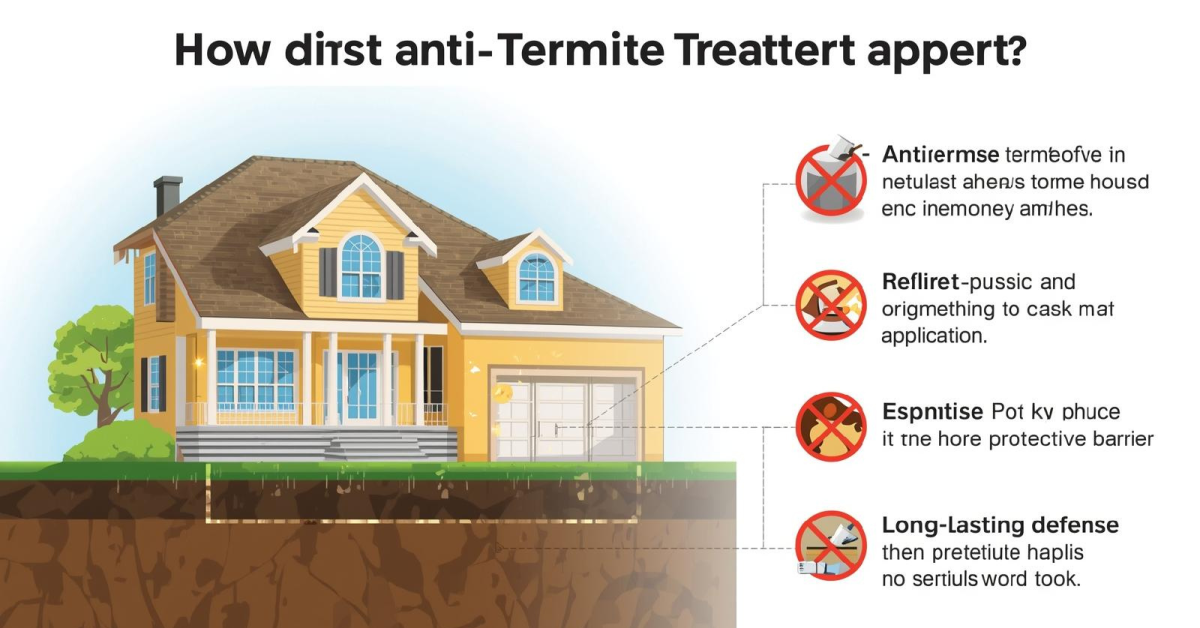
The primary objective of anti-termite treatments is to protect properties from the destructive capabilities of these pests. Various methods are employed to combat termite infestations, which can be broadly categorized into two approaches: preventative and curative treatments. Preventative treatments are implemented before an infestation occurs, often involving the use of chemical barriers or physical deterrents to inhibit termites from entering a property. Common substances used include termiticides that are applied to the soil around a building to create a protective barrier.
In contrast, curative treatments are employed once a termite presence has been established. These methods aim to eliminate existing colonies and may involve localized applications of pesticide or fumigation. In addition to chemical strategies, other innovative approaches such as bait systems have emerged, attracting termites to bait stations that contain slow-acting insecticides, effectively disrupting their life cycle.
In summary, understanding anti-termite treatments is crucial for property owners seeking to safeguard their investments. With the potential for substantial damage posed by termites, employing effective treatments is vital to ensure long-term protection. This introduction provides a foundation for further discussion about the effectiveness and longevity of these methods, which directly impacts their viability as a permanent solution.
Types of Anti-Termite Treatments
Various anti-termite treatments exist to manage and prevent termite infestations effectively. These treatments can be broadly categorized into chemical treatments, baiting systems, and physical barriers, each with its own methodology and efficacy.
Chemical treatments involve the application of insecticides to the soil, creating a barrier that termites cannot cross. Common substances used in these treatments include fipronil and imidacloprid. When executed correctly, chemical treatments can offer long-lasting protection, but they require professional application and may pose environmental risks if not managed appropriately.
Baiting systems represent another strategy, where bait stations filled with cellulose material are strategically placed around the property. When termites consume this bait, they are exposed to a slow-acting insect growth regulator. Over time, this can lead to colony elimination as affected termites return to the nest, inadvertently sharing the poison with others. While baiting systems can be effective and provide detailed monitoring of termite activity, they may take longer to realize full effectiveness compared to chemical barriers.
Physical barrier methods include the installation of stainless steel mesh or sand barriers within a building’s structure. These barriers act as a preventive measure, blocking termites' access points. Physical barriers are environmentally friendly and require no chemical application. However, they may be less effective in certain soil types or if not correctly installed.
Each of these methods has its pros and cons, with factors such as the property’s environment, the extent of infestation, and homeowner preferences playing vital roles in determining the most effective approach. A thorough assessment by professionals is recommended to choose the best anti-termite treatment suited to individual needs.
Factors Influencing Treatment Longevity
The longevity of anti-termite treatments is significantly influenced by various factors that come into play before, during, and after the application of these treatments. Understanding these factors is essential for homeowners aiming to protect their properties from potential termite infestations.
One of the primary influences on the effectiveness and duration of anti-termite treatments is environmental conditions. Termites thrive in warm and humid environments, which can accelerate their activity and, consequently, increase the chances of treatment failure. Soil composition and moisture levels are also crucial as they affect how long a chemical treatment remains effective in the ground. In areas with high rainfall or poor drainage, the active ingredients in a treatment may degrade more quickly than in drier climates, reducing the time in which protection is offered.
The type of treatment used plays a vital role in determining its longevity. Chemical barriers, for instance, may differ in duration based on their formulation. Some treatments are designed to provide long-lasting protection, while others might require more frequent applications. Additionally, non-chemical alternatives, such as baiting systems, can also vary in effectiveness depending on various factors, including the termite species targeted and the overall pest control strategy employed.
The species of termite infesting a property can also influence treatment effectiveness. Certain species have developed resistance to specific treatments, necessitating a tailored approach for effective management. Property maintenance practices, such as regular inspections and controlling moisture levels, can further affect treatment success. Homes that are well-maintained and monitored are less likely to encounter severe infestations, impacting the overall effectiveness of any anti-termite measures implemented.
Myths About Permanent Anti-Termite Solutions
Terminology surrounding termite management can often lead to a muddy understanding of what constitutes a permanent solution. One common myth is that anti-termite treatments result in a one-time fix that ensures a property is entirely safe from future infestations. While it is true that modern treatments may effectively eliminate current termite populations, new infestations can occur, thereby negating the permanence of the solution.
Another prevalent misconception is that all treatment methods are equally effective. While there are many options available, including chemical barriers, bait systems, and physical barriers, their effectiveness can vary based on various factors, such as the species of termite, the existing environmental conditions, and the overall maintenance of the property. This variability suggests that some treatments may provide longer-lasting protection than others, but none can be deemed completely foolproof indefinitely.
Many property owners assume that once a treatment has been applied, there is no further need for monitoring or maintenance. This belief often leads to neglect, increasing the risk of re-infestation. Regular inspections and preventative measures should form part of an integrated pest management plan. Education is key; awareness regarding potential vulnerabilities and the signs of termite activity will allow homeowners to act promptly, mitigating the risk of a major infestation.
Additionally, the idea that environmentally friendly treatments are less effective than traditional methods is another myth that must be addressed. An increasing number of natural and eco-friendly solutions are proving to be effective in managing termite populations. These treatments can be just as robust, challenging the outdated perception that sustainable solutions are inferior.
In summary, addressing these myths allows homeowners to have a clearer grasp of what anti-termite treatments can realistically offer. Understanding that these treatments are not permanent and require ongoing attention will empower individuals to take proactive measures, enhancing the longevity and effectiveness of the prevention strategies employed.
Signs of Termite Re-infestation
Once a home has undergone anti-termite treatment, it is crucial for homeowners to remain vigilant for any signs of termite re-infestation. Termites can be elusive, and detecting their presence early can prevent extensive damage. A few physical indicators can alert you to the possibility of re-infestation.
One of the primary signs of termite activity is the presence of mud tubes. These tubes, which are usually found on exterior walls or apart from a structure, serve as highways for termites traveling between their colony and food sources. Homeowners should inspect their property periodically for these tubes, as they are a clear indication of ongoing termite activity.
Another warning signal is damaged wood. Termites often consume wood from the inside out, meaning that the outer appearance might seem intact. Tapping on wooden surfaces can help homeowners detect hollow-sounding areas, suggesting that termites may be present within. Additionally, any signs of wood that appear water-damaged or have a sagging appearance should be closely monitored.
Furthermore, the presence of discarded wings can indicate a swarm of termites has occurred. During their reproductive phase, termites shed their wings, and finding these wings near windowsills or ground areas may suggest that a new colony has established nearby.
Homeowners should also be aware of any changes in their property’s structure, including unexplained cracks in walls or ceilings that could be attributed to termite damage. Regular inspections and prompt attention to any concerning signs can significantly impact the overall integrity of the home.
By identifying these warning signals promptly, homeowners can take action and consult pest control professionals for additional treatment, ensuring their property remains safe from the detrimental effects of termites.
Prevention Tips to Extend Treatment Effectiveness
Implementing effective preventative measures is essential for homeowners seeking to prolong the effects of anti-termite treatments. Regular inspections of your property should be a priority to identify potential signs of termite activity early. Professionals recommend conducting these inspections at least once a year. During these inspections, look for mud tubes, which are created by termites to travel between their colony and food sources, and any signs of wood damage or frass.
Another crucial aspect of prevention is maintaining a dry environment, as termites are attracted to moisture. Homeowners should ensure proper drainage around the home by directing gutters and downspouts away from the foundation. It is also advisable to repair any leaks in plumbing or roofing that may introduce excess moisture into wooden structures. Additionally, using dehumidifiers in damp areas such as basements can significantly reduce the moisture levels that appeal to termites.
Landscaping practices play an important role in deterring termite activity as well. Homeowners should avoid planting trees or shrubs too close to the house, as their roots can provide a pathway for termites to invade. Instead, maintain a clear area of at least twelve inches between the foundation and any wooden structures or mulch. Using gravel instead of wood mulch can also discourage termite inhabitants, as wood is an attractive food source for these pests. Furthermore, routinely inspect firewood storage and move any stacked wood away from the home.
By integrating these practical tips into your routine, you can significantly enhance the effectiveness of anti-termite treatments and protect your home from potential infestations. Consistent diligence in inspections, moisture control, and prudent landscaping can provide long-term benefits in the fight against termite damage.
Conclusion: The Reality of Anti-Termite Treatments
In summarizing the effectiveness of anti-termite treatments, it is crucial to understand that while such treatments can significantly reduce the risk of termite infestations, they are not foolproof or permanent solutions. Many treatments are designed to create a barrier that deters termites from invading a structure, but the durability of these barriers can vary based on numerous factors, including environmental conditions, the type of treatment used, and ongoing maintenance efforts.
Anti-termite solutions may include chemical barriers, bait systems, or physical barriers. Each of these methods can be effective when applied correctly and maintained according to industry standards. However, over time, the efficacy of chemical treatments can diminish, and physical barriers may become compromised, allowing wood-destroying insects to breach defenses unnoticed. This reality underscores the necessity for homeowners to remain vigilant.
Regular inspections and maintenance are paramount in the fight against termite infestations. It is advisable for homeowners to schedule periodic inspections with pest control professionals who can assess the situation and recommend appropriate measures. This ongoing vigilance not only helps in identifying potential threats before they develop into significant issues but can also aid in prolonging the effectiveness of existing anti-termite treatments.
In conclusion, while anti-termite treatments play a vital role in safeguarding homes from these destructive pests, their effectiveness is not absolute. Homeowners should adopt a proactive approach, integrating both preventive measures and regular assessments, to ensure their properties remain protected over time. Remaining informed and engaged in termite management is essential in the lifelong protection of one's home.
Address:
264/5, Kamal Soroni Road, Mirpur, Dhaka-1216
Contact
Your Quaries on pest control askings
pestexterminatorbd@gmail.com
+8801642008383 +8801988300003, 01723057746
© 2025. All rights reserved. to Urban Pest Control Pvt. Ltd. this site is powered by Our Own IT Team