
Mosquito Control in India: Dengue, Malaria & Chikungunya Prevention Guide
Mosquito Control in India: Dengue, Malaria & Chikungunya Prevention Guide
1/30/20267 min read
Understanding the Mosquito Problem in India
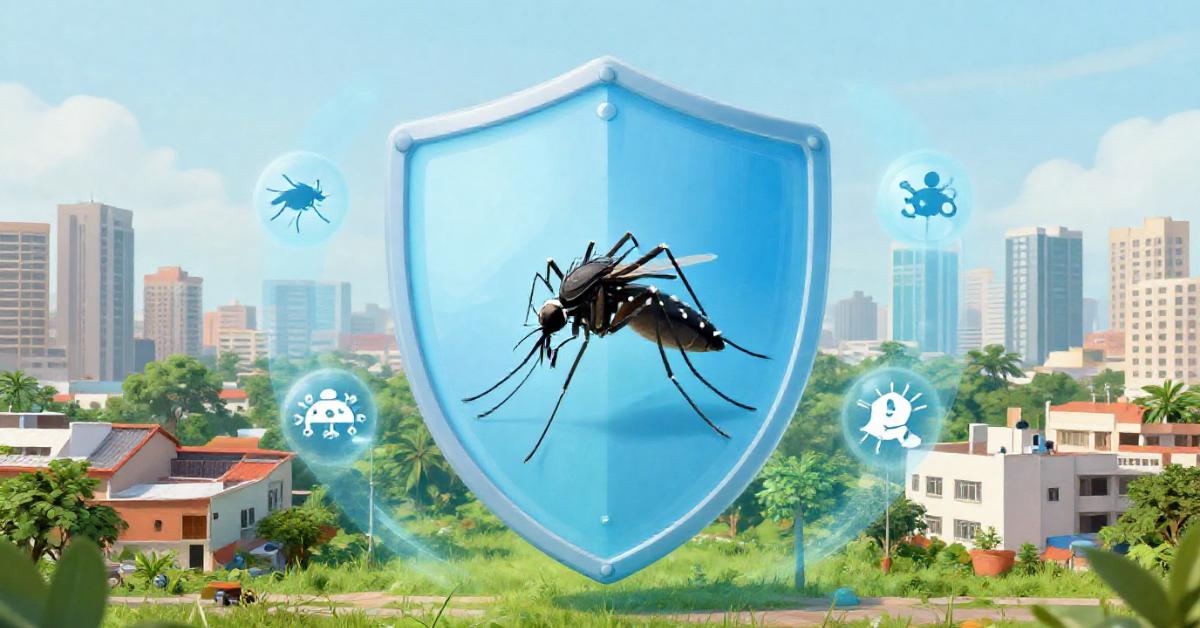
India faces a significant mosquito problem, particularly during the summer and monsoon seasons. The environmental conditions prevalent during these periods create an ideal habitat for various mosquito species, leading to an alarming rise in their population across numerous urban areas. Cities such as Mumbai, Delhi, Kolkata, and Bengaluru experience substantial mosquito activity, mainly due to their unique climatic conditions and high population density.
The primary culprits behind the mosquito menace in India are several species, including Aedes aegypti, Anopheles mosquitoes, and Culex species. Aedes aegypti, for instance, is notorious for being a vector of diseases such as dengue and chikungunya. These mosquitoes thrive in stagnant water, which becomes abundant during the monsoon, leading to a rise in their breeding sites. Containerized water sources, such as buckets, flower pots, and discarded tires, provide prime locations for these pests to reproduce.
Moreover, the warm and humid climate found in many regions during these seasons further accelerates mosquito reproduction rates. A single female mosquito can lay hundreds of eggs in a suitable breeding site, which can hatch within days under optimal conditions. This rapid multiplication contributes to the widespread prevalence of mosquitoes, making it crucial to address the issue proactively.
The health risks associated with mosquito-borne diseases are significant, and public awareness is crucial for prevention. Conditions such as malaria, dengue fever, and Japanese encephalitis pose serious threats to human health, thereby necessitating effective mosquito control measures in homes and communities. Understanding the ecology of mosquitoes, their breeding habits, and their environmental preferences is essential for devising successful strategies to combat their proliferation.
Dengue, Malaria, and Chikungunya: Risks and Symptoms
The prevalence of mosquito-borne diseases such as dengue, malaria, and chikungunya poses significant health concerns, particularly in India during the summer and monsoon seasons. Various species of mosquitoes serve as vectors, transmitting viruses and parasites that can lead to serious health complications. Understanding the transmission methods and symptoms of these diseases is essential for effective prevention.
Dengue fever, caused by the dengue virus and primarily transmitted by the Aedes aegypti mosquito, often manifests with high fever, severe headaches, joint and muscle pain, and characteristic skin rashes. Severe cases may progress to dengue hemorrhagic fever, which can be life-threatening. According to the National Vector Borne Disease Control Programme, major cities like Delhi and Mumbai report thousands of dengue cases annually, especially during the peak rainy months.
Malaria, on the other hand, is caused by Plasmodium parasites and transmitted by Anopheles mosquitoes. The symptoms of malaria include fever, chills, profuse sweating, and fatigue. If left untreated, it can lead to complications such as anemia and respiratory distress. In Chennai and surrounding regions, malaria cases, although declining due to aggressive health campaigns, still pose a risk, particularly in rural areas and slums.
Chikungunya, also transmitted by Aedes mosquitoes, shares several symptoms with dengue, including high fever, severe joint pain, and fatigue. While chikungunya is rarely fatal, the pain can persist for months, impacting the quality of life. Cities like Mumbai have reported outbreaks, especially when rainwater accumulates, providing a breeding ground for mosquitoes.
The incidence of these diseases underscores the need for increased public awareness and preventive measures. By recognizing symptoms and seeking timely medical attention, individuals can mitigate the risks associated with dengue, malaria, and chikungunya effectively.
Identifying Mosquito Breeding Sources
Understanding and identifying mosquito breeding sources is critical for effective control of their populations, especially in regions like India where the monsoon season creates favorable conditions for these pests. Mosquitoes require stagnant water to breed, with females depositing their eggs in still water sources. It is essential for homeowners to recognize common breeding grounds within and around their properties.
One of the primary sources is stagnant water. This includes puddles, clogged drains, and any areas where water collects after rain. Homeowners should routinely check their surroundings for such water accumulation. For example, emptying flower pots, bird baths, and pet dishes regularly can greatly diminish potential breeding sites. Additionally, it is important to inspect roofs and gutters for blockages that can trap water.
Another common breeding ground is uncovered containers. Buckets, old tires, and other receptacles left outdoors can quickly fill with water, becoming ideal habitats for mosquitoes. To combat this, all containers should either be covered securely or stored indoors where they cannot collect water. Moreover, ensuring that garbage bins are tightly sealed can prevent them from becoming makeshift breeding sites.
Lastly, overgrown vegetation can also contribute to mosquito problems. Dense foliage provides shelter for mosquitoes and often holds moisture. Regular landscaping and yard maintenance are essential in reducing the habitat that supports mosquito survival. Clearing debris, trimming shrubs, and maintaining lawns can significantly reduce mosquito populations.
By taking these practical steps to identify and eliminate sources of standing water, uncovered containers, and overgrown vegetation, homeowners can play an essential role in combatting the mosquito menace effectively. Regular inspections and prompt actions are key strategies for ensuring a mosquito-free environment.
Fogging and Larvicide Treatments: What You Need to Know
Controlling mosquito populations is crucial for maintaining a healthy living environment, particularly in India during the sweltering summer and monsoon seasons. Among the various methods available, fogging and larvicide treatments stand out for their effectiveness in combating adult mosquitoes and targeting their larvae. Fogging involves dispersing insecticides in a fog-like mist, which allows for quick and efficient coverage of large areas. This method is especially useful in urban settings where stagnant water bodies often serve as breeding grounds for mosquitoes. The choice of insecticide used in fogging can greatly impact its success, with formulations designed specifically to eliminate adult mosquito populations.
On the other hand, larvicides are targeted at the developmental stage of mosquitoes. By applying larvicides to stagnant water sources, homeowners can prevent mosquito larvae from maturing into adults. This preventive approach is critical, as it reduces overall mosquito populations before they can reproduce. Seasonal variations should be considered when implementing these treatments; for instance, fogging might be more beneficial during peak breeding periods, while larvicides can be employed proactively near water sources throughout the rainy season.
When seeking professional help for mosquito control, it is essential to choose reliable services that follow safety guidelines and local regulations. Potential clients should research companies that specialize in integrated pest management (IPM) strategies, as these methods often combine various treatments for optimal results. Evaluating a professional exterminator's credentials, customer reviews, and service offerings can also provide insight into their effectiveness. Investing in these methods will not only offer immediate relief from mosquito populations but also significantly contribute to long-term pest management strategies.
Preventive Measures: Home Solutions Against Mosquitoes
As the heat of summer and the humidity of monsoon arrive in India, the prevalence of mosquitoes becomes a significant concern for homeowners. Implementing effective preventive measures can greatly reduce the likelihood of mosquito infestations within the home. One of the most straightforward strategies involves the use of insect repellents. Homeowners should consider applying these repellents to exposed skin, particularly when spending extended periods outside. Additionally, choosing repellents that contain DEET or picaridin can offer reliable protection against mosquito bites.
Securing windows and doors is another essential tactic. Investing in fine mesh screens can prevent mosquitoes from entering the home while still allowing fresh air to circulate. Ensuring that any gaps or openings in screens are promptly repaired is vital for maintaining a barrier against these pests. Furthermore, homeowners should also consider using air conditioning units or ceiling fans, as mosquitoes are less active in cooler environments.
Maintaining a clean and clutter-free environment is crucial; standing water serves as an ideal breeding ground for mosquitoes. It is important to regularly check for and eliminate any stagnant water collected in pots, discarded tires, or clogged drains. In conjunction with these measures, utilizing mosquito nets over beds or doorways can provide effective protection against bites during the night.
Additionally, exploring natural remedies can cater to those seeking alternative solutions. Plants such as citronella, lavender, and marigold are known for their mosquito-repelling properties. Homeowners may wish to cultivate these plants around their living areas or strategically place essential oils derived from them in various corners of the home. Utilizing these preventive strategies can significantly contribute to creating a mosquito-free environment.
Safety Tips During Mosquito Season
As the summer and monsoon seasons arrive in India, the rise in mosquito populations can pose a significant health risk due to the transmission of various mosquito-borne diseases. It is crucial to adopt effective safety measures to mitigate this risk. One of the most effective strategies is to wear protective clothing. Opting for long-sleeved shirts and long pants can minimize the amount of exposed skin, making it harder for mosquitoes to bite. Clothing that is light-colored and made from breathable materials is advisable, as mosquitoes are often attracted to dark colors.
In addition to protective clothing, utilizing mosquito nets is an essential practice, especially in areas where mosquitos are prevalent. Installing mosquito nets around beds not only provides a physical barrier against insect bites during sleep but also enhances peace of mind. For additional safety, consider using treated nets to increase their efficacy in repelling mosquitoes.
Moreover, it is vital to stay updated on vaccinations related to mosquito-borne diseases such as dengue fever or malaria, particularly if you reside in or are traveling to areas known for outbreaks. Consult with healthcare professionals to determine which vaccinations are necessary for you and your family. Implementing preventive measures, such as using insect repellents containing DEET or natural alternatives, can further aid in protecting against mosquito bites.
Ultimately, maintaining hygiene practices and keeping surroundings clean can significantly decrease mosquito breeding sites. Ensure that standing water is removed and areas are free of debris where mosquitoes may congregate. Regularly cleaning water containers and using larvicidal agents in bodies of water can be beneficial. By adhering to these practices, residents can effectively reduce their risk of contracting mosquito-borne diseases, ensuring a safer living environment during these critical seasons.
Frequently Asked Questions and Seasonal Prevention Checklist
With the arrival of summer and monsoon, many households in India find themselves grappling with increasing mosquito populations. Addressing common concerns can help dispel myths about mosquito control and enhance understanding of effective prevention methods. One frequently asked question is: "What attracts mosquitoes to my home?" The answer typically involves factors like standing water, certain scents (such as sweat and perfumes), and even carbon dioxide emissions from our breathing. Understanding these attractants can help you take proactive measures to minimize mosquito presence.
Another common inquiry pertains to the effectiveness of various repellents. While natural options like citronella and eucalyptus oil are popular, research shows that synthetic repellents containing DEET or Picaridin are often more effective. Families should evaluate their strategies based on the efficacy and duration of protection provided, especially when planning outdoor activities.
In light of the mosquito menace, here is a seasonal checklist to help families prepare for the months ahead:
- Inspect and eliminate standing water around your home, including in flower pots, bird baths, and gutters.
- Utilize mosquito nets for sleeping areas, especially in homes without air conditioning.
- Apply insect repellent on exposed skin when going outdoors, particularly during dusk and dawn, when mosquitoes are most active.
- Ensure window and door screens are intact to prevent mosquitoes from entering your home.
- Utilize citronella candles and essential oils to create a mosquito-repelling environment in your outdoor spaces.
- Regularly trim landscaping and remove debris that may provide mosquito habitats.
By following these guidelines and being informed about common mosquito-related queries, families can significantly reduce their chances of mosquito exposure during the summer and monsoon seasons. Organizations and local governments may also offer additional resources and support for community-wide mosquito control efforts.
Address:
264/5, Kamal Soroni Road, Mirpur, Dhaka-1216
Contact
Your Quaries on pest control askings
pestexterminatorbd@gmail.com
+8801642008383 +8801988300003, 01723057746
© 2025. All rights reserved. to Urban Pest Control Pvt. Ltd. this site is powered by Our Own IT Team