
Mosquito Control in Malaysia: How to Protect Your Home from Dengue & Zika
2/9/20268 min read
The Malaysian Climate: A Breeding Ground for Mosquitoes
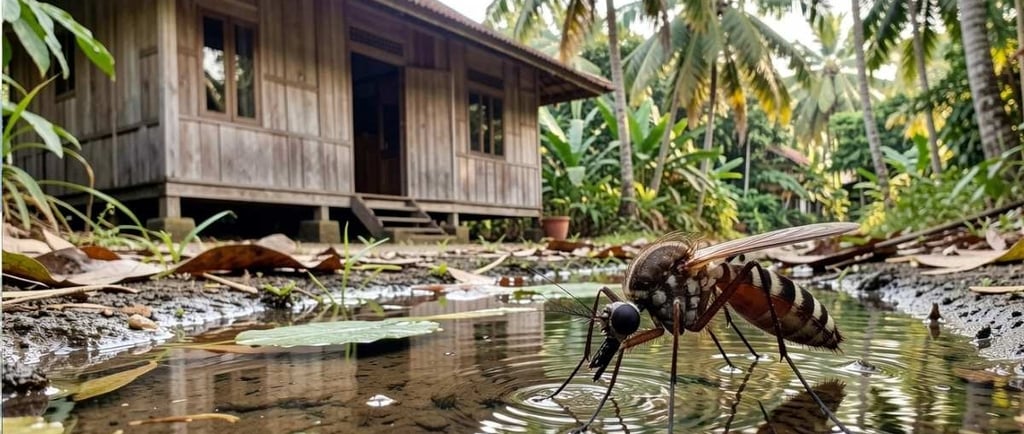
Malaysia's tropical climate plays a significant role in creating an ideal habitat for mosquitoes. Characterized by high humidity levels and consistent rainfall throughout the year, the environment fosters optimal conditions for these pests to thrive. The average temperature in Malaysia ranges from 77°F to 95°F (approximately 25°C to 35°C), which further contributes to the rapid reproductive rate of mosquitoes. Under such weather conditions, mosquito populations can multiply exponentially.
The life cycle of mosquitoes consists of four stages: egg, larva, pupa, and adult. Eggs are laid in stagnant water, and with ample rainfall in Malaysia, bodies of water are frequently created, providing ideal breeding sites for mosquito species. The larval stage emerges shortly after eggs hatch, feeding on organic material found in water. This stage is crucial, as larvae require standing water to survive and develop effectively. In Malaysia, areas like abandoned containers, clogged drains, and even natural water bodies facilitate this phase.
Additionally, the high humidity level in the region aids adult mosquitoes in finding food sources and mating opportunities. As adults, female mosquitoes require blood meals, which they obtain from animals or humans, to nourish their eggs before laying. Urban areas in Malaysia, with their proximity to human settlements and frequent water stagnation, create a promising environment for consistent mosquito populations.
Moreover, the continuous rainfall ensures that water bodies persist, promoting further reproduction regardless of the season. In both urban and rural settings, these ideal conditions lead to an ongoing cycle of mosquito breeding that poses health risks, including the transmission of diseases such as dengue fever and Zika virus. Understanding how Malaysia's climate affects mosquito life cycles is crucial in implementing effective control measures.
The Dangers of Dengue: Understanding the Risks
Dengue fever is a significant mosquito-borne disease prevalent in Malaysia, posing severe health risks to its population. This infectious disease is caused by the dengue virus, primarily transmitted through the bites of infected Aedes mosquitoes. The resurgence of dengue in urban areas is alarming, with instances reported year-round, particularly during the rainy seasons when breeding sites flourish.
Individuals infected with the dengue virus may experience a range of symptoms, typically beginning 3 to 14 days after being bitten. Common manifestations of dengue include high fever, severe headaches, pain behind the eyes, joint and muscle pain, rash, and mild bleeding. In some cases, these symptoms can escalate to more severe forms of the disease, such as dengue hemorrhagic fever or dengue shock syndrome, which can be life-threatening.
The prevalence of dengue cases varies across different regions in Malaysia. Urban centers, particularly those with dense populations and inadequate waste management, tend to experience higher rates of infection. Health authorities consistently report spikes in dengue cases, emphasizing the need for robust surveillance and response strategies. The impact of dengue extends beyond immediate health risks; it burdens healthcare systems and affects economic productivity due to work absenteeism associated with illness.
Awareness and preventive measures play a crucial role in mitigating the risks of dengue. Community engagement in eliminating mosquito breeding sites, such as stagnant water in containers, tires, and other receptacles, is vital. Furthermore, educating the public on recognizing early signs of dengue can lead to timely medical intervention, reducing the risk of complications and fatalities. Through concerted efforts, both at the community and individual levels, it is possible to curb the prevalence of dengue and protect public health.
Identifying Common Breeding Spots Around Homes
Understanding the breeding habits of mosquitoes is crucial for effective control. In residential areas, certain locations consistently serve as prime breeding spots due to the presence of stagnant water. These breeding sites can be easily overlooked. Thus, recognizing them is the first step in mitigating mosquito populations nearby.
One of the most common breeding grounds is found in flower pots where water can accumulate. Homeowners often fail to realize that this small amount of water, if stagnant for even a few days, can be ideal for mosquito larvae. It is advisable to regularly check flower pots and ensure that excess water is drained to prevent larvae from developing.
Clogged drains also pose a significant risk as they can trap water and create an environment conducive to mosquito reproduction. Routine maintenance of drainage systems, including cleaning and ensuring unobstructed flow, can significantly reduce the risk associated with these areas.
Another frequently overlooked source of stagnant water is discarded containers, such as old tires, buckets, or plastic bottles. These items can collect rainwater and become breeding sites if they are not properly disposed of or covered. Homeowners should inspect their yards for such discarded items and either eliminate or properly store them to reduce the likelihood of mosquitoes breeding nearby.
Additionally, ensuring that outdoor appliances, such as birdbaths or fountains, are regularly cleaned and maintained is critical. These water sources can harbor mosquitoes if left unattended, especially if they are not frequently changed or filtered.
Overall, vigilance and routine maintenance of one’s environment can effectively minimize the presence of mosquito breeding spots around homes. By being proactive about these potential habitats, homeowners can contribute significantly to controlling mosquito populations in their vicinity.
Debunking Fogging Myths: What You Need to Know
Fogging is often perceived as an effective and straightforward strategy for controlling mosquito populations. However, several myths surround this method, leading to misconceptions about its efficiency and safety benefits. Understanding the truth behind these myths is crucial for developing an informed perspective on mosquito control measures applicable in Malaysia.
One common misconception is that fogging eliminates all mosquitoes instantly. In reality, fogging serves as a short-term solution designed to reduce adult mosquito populations effectively. It involves the use of specialized equipment to disperse insecticides in a fog-like mist, aiming to target mosquitoes during their flight. While this method can reduce mosquito numbers temporarily, it does not address the underlying problem of stagnant water sources that facilitate breeding.
Another frequently discussed myth concerns the safety of fogging for humans and pets. The application of chemicals during fogging is regulated by health authorities, and when executed according to guidelines, fogging can be considered safe. However, individuals with pre-existing health conditions or sensitivities may still experience irritations as a result of exposure to the chemicals used. Hence, it is advised that residents vacate the area during the treatment period for added safety.
Some individuals believe fogging can eliminate mosquito breeding sites, leading to a false sense of security. Fogging is only effective in killing adult mosquitoes that are airborne during treatment but not the eggs or larvae residing in water bodies. For comprehensive mosquito management, fogging should be complemented with other methods, such as source reduction and environmental management, targeting larval breeding habitats.
In summary, while fogging is a useful tool in the fight against mosquito populations, it is imperative to understand its limitations and incorporate it as part of a multi-faceted mosquito control strategy. Without addressing fundamental breeding issues and implementing safe practices, the long-term effectiveness of fogging as a standalone solution is significantly compromised.
Professional Mosquito Control Methods in Malaysia
In Malaysia, the escalation of mosquito-borne diseases has prompted the need for efficient professional mosquito control strategies. Various methods have been successfully deployed to combat the proliferation of mosquito populations, which pose significant health risks. Among these strategies, larviciding, indoor residual spraying, and community-wide eradication programs stand out as foremost approaches to mosquito management.
Lavistaing, or applying larvicides to water bodies, is a critical tactic to address mosquito breeding. This method targets the immature stages of mosquitoes, effectively reducing their populations before they can evolve into adults capable of transmission. It is especially effective in areas where standing water is a prevalent breeding ground. Professional services ensure the correct types and dosages of larvicides are used, minimizing environmental impact while maximizing effectiveness.
Indoor residual spraying (IRS) is another essential control measure. This approach involves applying insecticide on indoor surfaces, which mosquitoes contacts when seeking refuge. IRS not only kills existing adult mosquitoes but also provides lasting protection against new infestations. By employing trained professionals for this method, homeowners gain access to the latest insecticide formulations and application techniques, ensuring that the treatment is comprehensive and adheres to safety standards.
Moreover, community-wide eradication programs, often supported by governmental initiatives, are pivotal in creating mosquito-free environments. These programs mobilize local communities to engage in comprehensive mosquito management practices, encompassing education, source reduction, and coordinated insecticide application efforts. Partnering community members with professional pest control services fosters a sustainable approach to managing mosquito populations at larger scales.
Utilizing expert services for mosquito control in Malaysia is vital for achieving effective, long-term results. Professional strategies not only address current infestations but also play a significant role in preventing the emergence of future outbreaks of mosquito-borne diseases.
Community Involvement: A Key to Effective Mosquito Control
Effective mosquito control in Malaysia necessitates a robust level of community involvement. Public participation is crucial not only for the success of eradication initiatives but also for fostering long-term sustainable practices. One of the primary ways community members can engage is through organized clean-up campaigns. By tackling litter and removing standing water that serves as breeding grounds for mosquitoes, residents can directly mitigate the risk of mosquito-borne diseases.
Educational campaigns also play a pivotal role in raising awareness about mosquito control. These initiatives can range from workshops to distribution of informational materials, which can be facilitated in collaboration with local health authorities. The objective is to inform the community about the life cycle of mosquitoes, the importance of reducing open water storage, and the necessity of using preventive measures like insect repellent and mosquito nets.
Partnerships with local authorities can enhance mosquito control efforts significantly. Such collaborations can include the implementation of public health policies aimed at managing mosquito populations. Local government participation ensures that community efforts are supported with necessary resources, such as proper waste disposal services or the application of larvicides in problem areas.
Moreover, community involvement fosters a sense of ownership and responsibility among residents. When individuals recognize their contributions to the collective effort, they may be more vigilant about maintaining their surroundings. Programs that encourage repeated engagement, such as regular community workshops or competitions for the cleanest neighborhood, can further strengthen this bond.
In conclusion, community involvement is not merely beneficial but essential for mosquito control in Malaysia. Through collective action, education, and partnerships with local authorities, communities can significantly reduce mosquito populations, thereby minimizing health risks associated with mosquito-borne diseases. Emphasizing shared responsibility will likely lead to more effective and enduring solutions.
Conclusion: A Collaborative Approach to Combat Mosquito Breeding
In light of the significant challenges posed by mosquito breeding in Malaysia, a comprehensive understanding of the factors contributing to this issue is paramount. By recognizing the health risks associated with mosquito-borne diseases such as dengue fever, communities can prioritize effective action plans aimed at mitigating these threats.
It is essential to acknowledge that controlling mosquito populations requires a multifaceted approach. This includes implementing community-wide sanitation efforts, educating the public about the life cycle of mosquitoes, and promoting environmental management strategies to eliminate still water where mosquitoes breed. Engagement from all community stakeholders, including local authorities and residents, ensures that these initiatives are not only established but also sustained over time.
Moreover, the responsibilities of combating mosquito breeding extend beyond individual efforts. Collaboration among community members can enhance the efficiency of control measures. Organizing community clean-up drives, disseminating knowledge about preventive practices, and fostering a culture of vigilance in monitoring mosquito habitats can significantly diminish the breeding grounds in urban and rural settings alike.
As we move forward, it is crucial for individuals to take proactive steps within their households and engage with their local communities. By promoting awareness of mosquito breeding sites and advocating for the regular maintenance of the environment, we collectively contribute to the reduction of potential disease transmission. Commitment to a collective effort is instrumental in creating healthier living conditions throughout Malaysia.
Conclusively, through the combined knowledge, action, and vigilance of both individuals and communities, we can combat mosquito breeding effectively, thereby reducing the risk of diseases such as dengue and improving public health outcomes.
Address:
264/5, Kamal Soroni Road, Mirpur, Dhaka-1216
Contact
Your Quaries on pest control askings
pestexterminatorbd@gmail.com
+8801642008383 +8801988300003, 01723057746
© 2025. All rights reserved. to Urban Pest Control Pvt. Ltd. this site is powered by Our Own IT Team