
Mosquito Control Service in Hyderabad – Dengue & Malaria Protection
3/2/20267 min read
Introduction
The monsoon season in Hyderabad marks a significant increase in the population of mosquitoes, primarily due to environmental changes conducive to their breeding. The increased humidity and stagnant water bodies created by heavy rains offer ideal breeding grounds for these pests. Mosquitoes lay their eggs in standing water, which can accumulate in various locations such as clogged gutters, discarded containers, and natural depressions in the landscape, all common during this season.
The rise in mosquito populations during the monsoon not only affects the comfort of the residents but also poses serious public health risks. Among the most concerning diseases transmitted by mosquitoes are dengue fever, malaria, and chikungunya. These diseases can lead to severe health complications, particularly in vulnerable groups like children and the elderly. For instance, dengue fever, propagated by the Aedes aegypti mosquito, has seen an alarming increase in cases during the rainy months, reflecting the urgent need for a comprehensive understanding of mosquito control measures.
Moreover, the conducive conditions for mosquito breeding are compounded by urbanization, which often results in poorly managed waste and water drainage systems. The combination of climate factors and infrastructural challenges provides a persistent challenge for health authorities in Hyderabad. As such, effective mosquito control strategies become critical in preventing the outbreaks of vector-borne diseases. Stakeholders, including local government and public health organizations, need to collaborate in implementing preventive measures and educating the public on the importance of maintaining clean surroundings to mitigate the mosquito problem during this tumultuous season.
Fogging: An Essential Mosquito Control Method
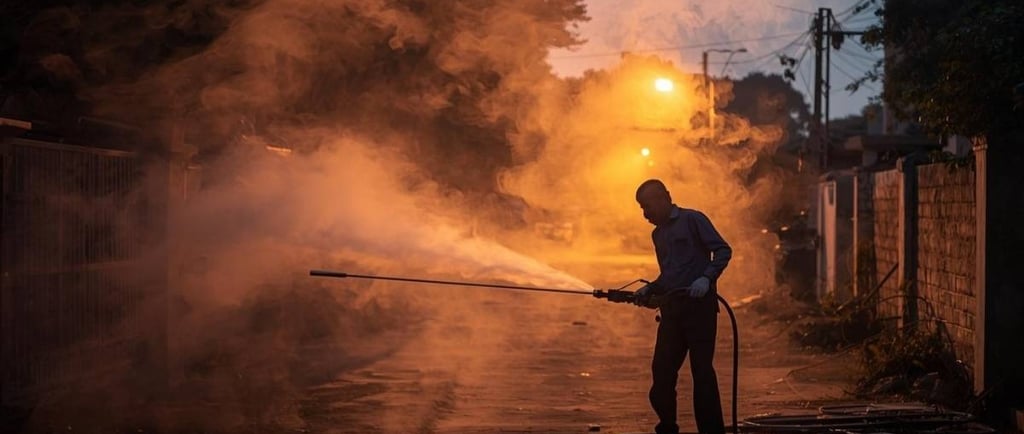
Fogging is a critical pest control strategy employed by local authorities in Hyderabad to effectively manage adult mosquito populations, particularly during the monsoon season when mosquito breeding is at its peak. The process involves the application of insecticides in a fine mist, which can target adult mosquitoes rapidly and efficiently. The insecticides used are usually a combination of synthetic pyrethroids which are proven to be highly effective against mosquitoes while posing minimal risks to humans and the environment.
The fogging process can be broken down into two main components: thermal fogging and ultra-low volume (ULV) fogging. Thermal fogging involves heating insecticide solutions, creating a thick fog that fills the area, whereas ULV fogging disperses the insecticide in smaller droplets, allowing it to cover larger distances with minimal product usage. Each method has its advantages, and the choice between them may depend on specific situational factors, such as wind speed and humidity levels.
Timing plays a crucial role in the efficacy of fogging operations. The recommended times for fogging are typically early morning or late evening when visibility is low, and mosquito activity is at its peak. This strategic timing not only enhances the effectiveness of the insecticides but also reduces exposure to the public, ensuring a safer environment. Furthermore, local authorities are advised to coordinate with communities for better awareness of fogging schedules and safety precautions.
While fogging is an essential tool for mosquito control, residents should follow safety guidelines during these operations. It is advisable to stay indoors during the fogging process, close windows and doors, and cover children's play areas to minimize exposure to the fog. Educating the community about these measures can significantly improve safety and the overall effectiveness of mosquito control initiatives.
Larvicide Treatment: Targeting Mosquito Larvae
Controlling mosquito populations during the monsoon season is crucial for public health, particularly in Hyderabad, where heavy rainfall creates ideal breeding grounds for these pests. One of the most effective preventive measures is the application of larvicides, a targeted treatment specifically designed to kill mosquito larvae before they mature into adult mosquitoes.
Larvicides act on the larvae in water bodies, which are usually stagnant during the rainy season. There are several types of larvicides available, including chemical and biological options. Chemical larvicides, such as methoprene and temephos, are synthetic compounds that disrupt the larvae's development, preventing them from reaching adulthood. On the other hand, biological larvicides like Bacillus thuringiensis israelensis (Bti) are derived from naturally occurring bacteria, which are harmless to human beings and other wildlife, yet lethal to mosquito larvae.
In Hyderabad, the use of larvicides is particularly effective in areas known for stagnant water, including clogged drains, ponds, and construction sites. Regular monitoring and treatment of these locations can significantly reduce the mosquito population. When implementing larvicide treatments, it is essential to follow the manufacturer’s instructions and safety guidelines to protect non-target species and ensure the effectiveness of the application.
Another important consideration is the timing and frequency of larvicide applications. They should be applied after heavy rains, as new water bodies form, and subsequently at regular intervals to ensure the remaining larvae are also targeted. Local authorities often collaborate with pest control agencies to formulate a comprehensive plan for larvicide application, which includes training community members about preventive measures.
Overall, effective larvicide treatment is an integral component of mosquito control strategies, minimizing the risk of mosquito-borne diseases in Hyderabad during the monsoon season.
Breeding Control: Preventing Mosquito Reproduction
One of the most effective strategies for controlling mosquito populations, especially during the monsoon season in Hyderabad, is to prevent their breeding. Mosquitoes breed in stagnant water, and it is crucial for both individuals and communities to be proactive in identifying and eliminating potential breeding sites.
Residents should begin by inspecting their surroundings for areas where water accumulates. This includes checking containers such as plant pots, discarded tires, and buckets. Regularly emptying or treating these water sources can significantly reduce mosquito reproduction. Additionally, it is important to ensure that any outdoor items that can hold water, such as children's toys, are kept flipped over or covered when not in use.
Communities can also take collective action to address mosquito breeding. Organizing clean-up drives to clear standing water from public areas is a vital step. Local government and health authorities can support these initiatives by providing resources aimed at educating residents on the importance of sanitation in mosquito control. Workshops focusing on effective waste management can empower communities to take ownership of their environment, reducing both mosquito populations and disease transmission.
Furthermore, community members should be encouraged to maintain proper drainage systems to prevent water from pooling. This includes cleaning gutters and ensuring stormwater drains are free from blockage. Taking these measures can significantly disrupt the life cycle of mosquitoes, making it difficult for larvae to develop into mature insects.
By working together and taking personal responsibility, residents of Hyderabad can create a less hospitable environment for mosquitoes and thereby effectively contribute to controlling their breeding and reducing the risks associated with mosquito-borne diseases during the monsoon season.
Municipal Guidelines for Mosquito Control in Hyderabad
In Hyderabad, the local municipal authorities have established a comprehensive framework aimed at controlling mosquito populations, particularly during the monsoon season. The primary responsibility for implementing these guidelines primarily falls on the city’s health departments. They conduct regular inspections in various localities to identify potential mosquito breeding sites, which include stagnant water bodies, construction sites, and poorly maintained drainage systems. The local health offices are equipped to address any outbreak of diseases associated with mosquito bites, such as dengue and malaria.
Moreover, community involvement plays a crucial role in the success of these mosquito control measures. The municipal guidelines encourage residents to actively participate in programs designed to eliminate areas conducive to mosquito breeding. For instance, local communities are often mobilized to clear out standing water and manage waste disposal effectively. This engagement emphasizes a collaborative approach where community members contribute to monitoring their neighborhoods and reporting any health hazards to the authorities.
The guidelines also include educational campaigns led by health officials, which aim to raise awareness about the dangers posed by mosquito-borne diseases and the importance of personal preventive measures, such as using mosquito repellents and sleeping under treated nets. Residents are advised to cooperate with the municipality by allowing access to their premises for inspections and treatments, reinforcing a collective commitment towards reducing mosquito populations.
In conclusion, the synergy between municipal authorities and residents fosters a healthier environment. By adhering to these guidelines, the community can effectively work towards minimizing the risks associated with mosquito-transmitted diseases during the challenging monsoon season in Hyderabad.
Pricing of Mosquito Control Services in Hyderabad
The importance of effective mosquito control during the monsoon season in Hyderabad cannot be overstated, especially given the surge in mosquito populations that accompanies this time of year. As residents seek relief from these pests, understanding the pricing structures of professional services becomes essential for budgeting effectively. Various mosquito control services provide a range of treatment options, and their costs can vary widely based on several factors.
Fogging is one of the most common methods employed to reduce mosquito populations, typically costing between INR 1,500 to INR 3,000 for a single session, depending on the area size to be treated. This method involves spraying insecticides into the air to kill adult mosquitoes swiftly. It's most effective when used in conjunction with other treatments, and many companies offer packages that include multiple sessions, often at reduced rates.
Another prevalent technique is the application of larvicides, which target the mosquito larvae before they mature into adults. The price for this treatment can range from INR 800 to INR 2,000 per treatment, contingent upon the specific materials employed and the scope of the area. Some companies offer comprehensive plans that bundle fogging and larvicide treatments, ensuring a thorough approach to mitigating mosquito populations.
In addition, preventive measures such as the installation of mosquito nets or home-automation systems that utilize automated sprays can incur additional costs. Budgeting for these services should include consideration of the service provider's reputation, the extent of treatment coverage, and any follow-up services provided. It is advisable for residents to obtain quotes from multiple service providers to compare costs and identify the most effective solutions suited to their specific needs.
Preventive Steps: Personal Measures to Avoid Mosquito Bites
During the monsoon season in Hyderabad, the increase in moisture creates a conducive environment for mosquito breeding. Consequently, taking personal preventive measures becomes essential to mitigate the risk of mosquito bites and the potential diseases they may transmit.
One effective strategy is to wear protective clothing. Opting for long-sleeved shirts and long pants, made of densely woven fabric, can provide a barrier against mosquito bites. Light-colored clothing is recommended, as it is less attractive to mosquitoes compared to dark colors. Additionally, it is advisable to cover exposed skin, particularly during dusk and dawn, when mosquitoes are most active.
Another critical measure involves the application of mosquito repellents. Products containing DEET, picaridin, or oil of lemon eucalyptus can be effective in repelling mosquitoes. It is important to apply these repellents on exposed skin and clothing, following the instructions on the label for proper usage. Frequent reapplication may be necessary, especially after sweating or exposure to water, to ensure continued protection.
Moreover, making home modifications can further decrease mosquito invasions. Installing window screens and ensuring that doors are kept closed can inhibit mosquitoes from entering living spaces. Additionally, eliminating any standing water in and around the household is crucial, as this is where mosquitoes breed. Regularly check and clean items such as flower pots, birdbaths, and drainage systems to prevent water accumulation.
Furthermore, the use of mosquito nets while sleeping, particularly for infants and those vulnerable to mosquito-borne diseases, can provide an additional layer of protection. Stringing mosquito netting around beds, especially in areas without air conditioning, ensures a safer resting environment.
Address:
264/5, Kamal Soroni Road, Mirpur, Dhaka-1216
Contact
Your Quaries on pest control askings
pestexterminatorbd@gmail.com
+8801642008383 +8801988300003, 01723057746
© 2025. All rights reserved. to Urban Pest Control Pvt. Ltd. this site is powered by Our Own IT Team