
Mosquitoes, Rodents & Roaches Share One Common Threat
2/2/20268 min read
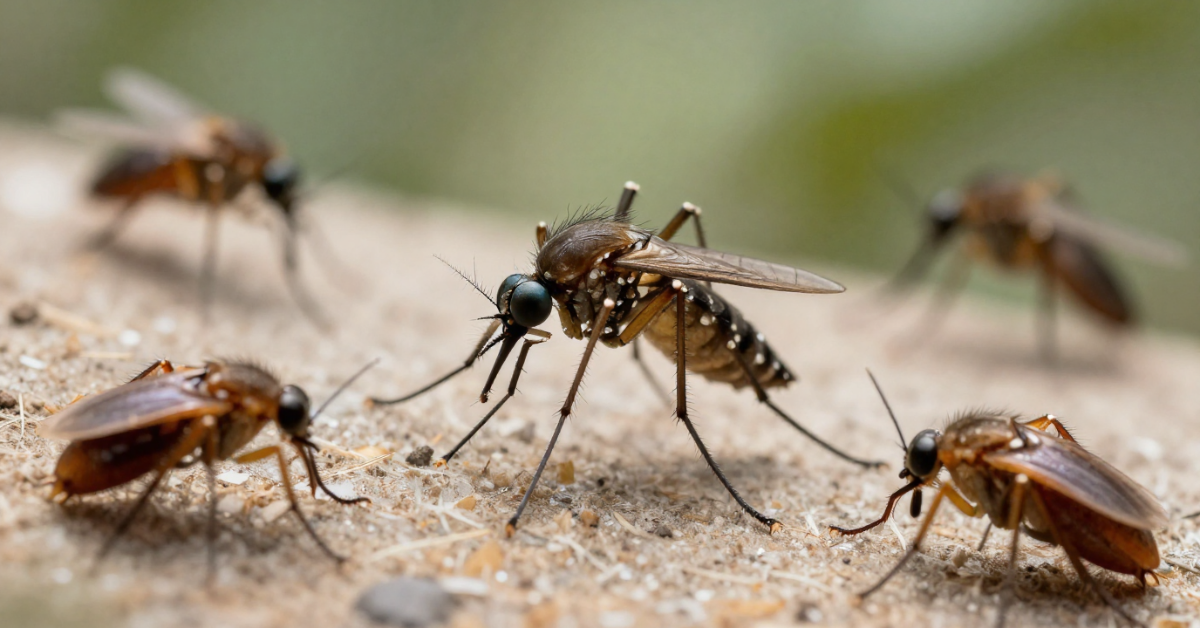
Introduction to Common Pests
Many individuals encounter various pests that significantly impact their daily lives, particularly mosquitoes, rodents, and roaches. These pests are not only prevalent in urban areas, but also in rural settings, posing challenges to public health and comfort. Understanding these common pests is crucial to mitigate their effects on our homes and environments.
Mosquitoes, classified under the family Culicidae, are known for their biting habits and role as vectors for several diseases, including malaria, dengue fever, and West Nile virus. They thrive in both tropical and temperate climates, making them ubiquitous worldwide. Their population flourishes in wet regions where standing water is abundant, providing ideal breeding grounds. The presence of mosquitoes necessitates vigilant measures to control their populations, particularly during the warmer months.
Rodents, primarily including rats and mice, fall under the order Rodentia. These creatures are notorious for invading residential areas in search of food, shelter, and warmth. They can compromise food safety by contaminating surfaces with their droppings and urine, leading to the potential spread of conditions such as hantavirus and leptospirosis. The industrious nature of rodents enables them to reproduce rapidly, requiring proactive pest management strategies to maintain control.
Roaches, members of the order Blattodea, are often found in human dwellings due to their adaptability and scavenging behavior. The most common types include the American and German cockroaches. Their presence is not only uncomfortable but can contribute to asthma and allergic reactions, particularly in children. Roaches breed quickly and thrive in unsanitary conditions, thus emphasizing the importance of cleanliness in preventing infestations.
In summary, mosquitoes, rodents, and roaches are common pests that threaten public health and property. Their prevalence and biological characteristics reveal the urgent need for effective pest control measures, making it essential for individuals and communities to remain vigilant in understanding and combating these nuisances.
The Shared Threat: Disease Transmission
In urban and rural settings alike, the presence of mosquitoes, rodents, and roaches poses significant threats to public health through disease transmission. Each of these pests serves as a vector, carrying pathogens that can lead to severe illnesses among humans. Understanding the specific diseases associated with each pest is crucial in implementing effective prevention and control measures.
Mosquitoes are particularly notorious for transmitting a variety of diseases. Among their most infamous capabilities is their role in spreading malaria—a life-threatening infection caused by parasites transmitted through the bites of infected female mosquitoes. Other serious conditions include dengue fever, Zika virus, and West Nile virus, which can lead to hospitalization and, in extreme cases, death. The global impact of these diseases underscores the importance of mosquito control initiatives aimed at reducing their populations and minimizing human contact.
Rodents, like rats and mice, are also significant carriers of disease. One of the most concerning diseases associated with them is the hantavirus, which can lead to severe respiratory distress and is sometimes fatal. Rodents are capable of transmitting other diseases, such as leptospirosis and salmonellosis, through their droppings, urine, and saliva. As rodents invade human living spaces, the risk of exposure to these pathogens increases, necessitating effective rodent management strategies.
While cockroaches are typically not carriers of diseases in the same overt manner as mosquitoes and rodents, they can still pose health risks. Their bodies and droppings can carry allergens that cause serious allergic reactions and exacerbate asthma symptoms, particularly in children. Additionally, they can contaminate food and surfaces with bacteria such as E. coli and salmonella, leading to foodborne illnesses. Thus, it is essential to address roach infestations promptly to mitigate these health risks.
Overall, the shared threats posed by these pests call for ongoing vigilance and proactive measures to safeguard public health. Recognizing the diseases associated with mosquitoes, rodents, and roaches is a crucial step toward effective pest management and disease prevention.
Ecological Impact of Mosquitoes, Rodents, and Roaches
Mosquitoes, rodents, and roaches are often viewed primarily as pests, yet they play significant roles within their respective ecosystems. Understanding their ecological impact provides a nuanced perspective on these insects and animals, highlighting the balance they maintain within nature.
Mosquitoes, for instance, serve as a vital food source for numerous species including birds, bats, and amphibians. These diminutive insects contribute significantly to the food web, acting as prey that sustains the populations of various predators. Furthermore, while mosquitoes are notorious for their role in transmitting diseases to humans and domestic animals, they also contribute to the biodiversity of ecosystems wherein their larvae are found, as they help support aquatic life.
Rodents, similarly, play an essential role in their environments. Species such as mice and rats are crucial for seed dispersal, promoting plant growth and regeneration. Their burrowing activities aerate the soil, thus facilitating the process of nutrient cycling. Moreover, rodents serve as prey for numerous carnivorous birds and mammals, contributing to the dynamic balance of different food chains.
In addition, roaches are often underappreciated for their ecological function in decomposition. They consume organic matter, breaking it down and returning nutrients back to the soil. This helps maintain soil health and contributes to plant growth. Nevertheless, when populations of these creatures surge uncontrollably, the decay of ecological balance can lead to adverse effects, including increased transmission of diseases and competition for resources among species.
Consequently, while mosquitoes, rodents, and roaches fulfill important ecological roles, their overpopulation can disrupt the delicate interaction within ecosystems. Awareness of this dual nature encourages a balanced approach toward managing pest populations, considering both their ecological importance and their potential impact on human health and comfort.
Overlapping Habitats and Behavioural Patterns
The prevalence of mosquitoes, rodents, and roaches in urban and suburban environments is closely tied to their overlapping habitats and behavioral patterns. Understanding these commonalities is crucial for managing and preventing infestations effectively. Mosquitoes are often attracted to areas with standing water, as these locations serve as breeding grounds. Stagnant water in containers, puddles, or clogged gutters provides an ideal environment for mosquitoes to reproduce, leading to increased populations in nearby areas.
Similarly, rodents, particularly rats and mice, thrive in environments where food sources are readily accessible. Food storage areas, such as pantries or discarded waste, often become hotspots for these pests. Their ability to squeeze through small openings and their rapid reproductive rates mean that even minor food sources can lead to significant infestations over time. Therefore, proper sanitation and waste management are vital in deterring rodents.
Roaches, on the other hand, are drawn to moisture-rich environments. Areas such as bathrooms, kitchens, and basements provide the humidity and warmth that roaches prefer. Cracks around pipes, leaks, and accumulated debris can create conducive hiding spots for these pests. Furthermore, roaches are known to feed on organic materials, including food waste, making areas with poor cleanliness particularly susceptible to infestation.
The factors that encourage the proliferation of these pests often overlap, setting the stage for an ecosystem where one pest's presence exacerbates others. For instance, moisture and food sources may attract roaches, which can in turn create conditions ideal for rodents that search for food. Likewise, stagnant water not only draws mosquitoes but also increases humidity, which can also benefit roaches. Understanding these behaviors and habitats is essential in implementing integrated pest management strategies that can minimize the risk of infestations.
Economic Consequences of Infestations
The economic impact of infestations caused by mosquitoes, rodents, and roaches is significant and multifaceted. These pests not only pose threats to public health but also impose substantial financial burdens on individuals, families, and communities. One of the most apparent costs arises from healthcare expenses associated with pest-related diseases. For instance, mosquito-borne diseases like West Nile virus and Zika virus can lead to thousands of hospitalizations each year, resulting in hefty medical bills and lost wages for affected individuals. On average, hospital costs for severe malaria cases can exceed thousands of dollars, placing a strain on both personal finances and public health systems.
In addition to healthcare costs, property damage caused by rodents and roaches further aggravates economic consequences. Rodents are notorious for chewing through electrical wiring and insulation, potentially leading to hazardous living conditions and requiring extensive repairs. According to the National Pest Management Association, homeowners spend upwards of $6 billion annually to address rodent-related damages, which can significantly impact household budgets. Cockroaches, similarly, can contaminate food supplies and surface areas, necessitating costly clean-up efforts and pest control interventions.
Pest control itself introduces additional direct costs, with families investing in pest management services to mitigate infestations. A typical pest control treatment can range from $150 to $300 depending on infestation severity and location. Moreover, recurring treatments may be necessary if the underlying issues are not addressed, compounding financial burdens for households.
Furthermore, the economic impacts extend to businesses—especially in the hospitality and food industries—where an infestation can lead to loss of reputation, decreased customer satisfaction, and potential legal liabilities. Case studies have shown that restaurants faced with pest-related violations have seen revenue losses of up to 30%, underscoring the importance of efficient pest management strategies to mitigate these economic challenges.
Preventative Measures and Control Strategies
To effectively manage the presence of mosquitoes, rodents, and roaches, implementing preventative measures is essential. The first step is to maintain a clean and hygienic environment. Regularly cleaning living spaces, including kitchens and dining areas, minimizes food sources that attract these pests. Ensuring that crumbs and spills are promptly addressed plays a critical role in deterring infestations.
Additionally, proper food storage is vital. Utilizing airtight containers for foods, especially those that are easily accessible, will limit the food supply available to rodents and roaches. It is also advisable to store pet food securely and avoid leaving it out overnight. This routine not only prevents infestations but also promotes better overall hygiene in the household.
Another effective strategy involves sealing potential entry points. Inspect your property for gaps around windows, doors, and foundations. Small openings, which may appear insignificant, can serve as gateways for rodents and insects. Use caulk or weather stripping to close these gaps. Installing screens on windows and vents can further deter mosquitoes and other pests from entering your home.
For existing infestations, the use of traps can be a safe and effective approach. Sticky traps and snap traps designed for rodents can capture unwanted visitors without the need for toxic substances. Similarly, roach baits and traps are available that lure these insects in while minimizing chemical exposure. When using pesticides, it is crucial to follow the manufacturer’s instructions carefully to ensure both effectiveness and safety.
Lastly, consider consulting a pest control professional for severe infestations. Experts can implement strategies tailored to your situation, ensuring an effective long-term solution. By combining cleanliness, exclusion techniques, and responsible pest management, individuals can significantly reduce the risk posed by mosquitoes, rodents, and roaches in their living spaces.
Conclusion: Understanding Our Shared Battle Against Pests
Throughout this discussion, it has become increasingly clear that mosquitoes, rodents, and roaches represent a common threat to public health and well-being. Each of these pests not only poses individual challenges but collectively raises concerns regarding disease transmission, property damage, and overall quality of life. Acknowledging the shared problems caused by these pests is crucial for developing effective management strategies.
Understanding the specific ways in which mosquitoes, rodents, and roaches affect our lives allows us to adopt more comprehensive pest control approaches. For instance, the prevention of mosquito-borne diseases can greatly benefit from community initiatives focused on reducing standing water, while awareness campaigns regarding rodent habits can aid in reducing their populations in urban settings. Similarly, addressing the environmental factors that attract roaches can minimize their presence in homes and businesses.
Being proactive in pest control is essential. This includes learning about the habits and breeding patterns of these pests, implementing preventative measures, and staying informed about the latest pest control technologies and solutions. It also entails fostering community engagement, where individuals share their experiences and best practices with one another. By engaging neighbors and local organizations, we can work together to create a coordinated response to these pests, ultimately enhancing public health and safety.
In conclusion, the battle against mosquitoes, rodents, and roaches is a shared responsibility. By promoting awareness and proactive measures, communities can mitigate the effects these pests have on our lives. Encouraging discussions around pest management not only educates individuals but also strengthens communal ties in our collective fight against these unwelcome intruders.
Address:
264/5, Kamal Soroni Road, Mirpur, Dhaka-1216
Contact
Your Quaries on pest control askings
pestexterminatorbd@gmail.com
+8801642008383 +8801988300003, 01723057746
© 2025. All rights reserved. to Urban Pest Control Pvt. Ltd. this site is powered by Our Own IT Team