
Noise Pollution: The Urban Pest Slowly Killing Mental Peace
2/5/20268 min read

Understanding Noise Pollution
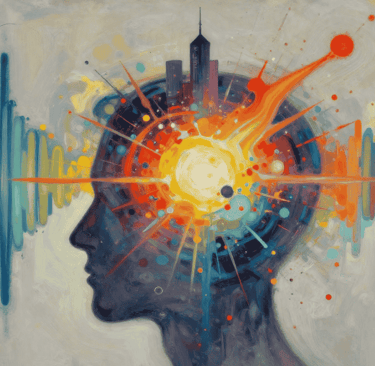
Noisy environments have become increasingly prevalent due to rapid urbanization and modernization. Noise pollution, broadly defined, is the excessive or harmful levels of sound that disrupt the normal acoustic environment. It is measured in decibels (dB), where sounds exceeding 85 dB can potentially harm auditory health. This phenomenon affects not only the physical well-being of individuals but also their mental peace.
Various sources contribute to noise pollution, primarily associated with industrial activities, transportation, and urban infrastructure. Industrial noise, stemming from construction and manufacturing processes, is a significant contributor. Meanwhile, transportation-related noise includes sounds from vehicles, trains, and aircraft, which often create a continuous background cacophony, especially in heavily populated regions.
Another crucial aspect of noise pollution is its diverse categories, which range from mechanical noises such as engines and machinery, to social disturbances like loud music or conversations. Natural environments, once sanctuaries of tranquility, are increasingly disrupted by these unwanted sounds. In densely populated urban areas, vibrant city life often generates a symphony of noise that can be detrimental to an individual's mental health.
The adverse effects of prolonged exposure to noise pollution can manifest in various mental health challenges, including stress, anxiety, and even depression. Urbanization has led to the accumulation of noise levels in residential areas, affecting the overall quality of life. In recent years, researchers have started to draw more attention to the correlation between noise levels and psychological well-being, suggesting that a quieter environment is crucial for mental tranquility.
As urban centers continue to expand, understanding noise pollution and its implications becomes increasingly essential. Awareness of this issue can lead to efforts aimed at reducing noise levels, thereby enhancing the quality of life for urban dwellers.
The Impact of Noise Pollution on Mental Health
Noise pollution has become a pervasive issue in urban environments, adversely affecting the mental health of residents. Research indicates that long-term exposure to elevated noise levels can significantly contribute to anxiety, stress, and various sleep disturbances. Individuals living in noisy areas often experience increased levels of irritability and emotional distress, leading to detrimental impacts on their overall well-being.
One of the critical psychological effects of noise pollution is its ability to trigger stress responses in the body. Constant exposure to loud sounds can stimulate the release of stress hormones, which may lead to feelings of unease and anxiety. A study conducted by the World Health Organization (WHO) found that individuals living near major roadways reported higher stress levels compared to those residing in quieter neighborhoods. This connection underscores the importance of a noise-free environment for maintaining mental peace.
Moreover, sleep disturbances caused by noise pollution are widely documented. Research highlights how disruptive noises, especially during night hours, can prevent individuals from achieving restful sleep, leading to chronic fatigue and further exacerbating mental health issues. Insufficient sleep has been linked to increased susceptibility to anxiety disorders and depression. The relationship between noise and sleep disturbances demonstrates another layer of how urban noise pollution contributes to deteriorating mental health.
The phenomenon of urban noise signifies more than just an irritant; it acts as a potential catalyst for serious mental health conditions. As contemporary life continues to be dominated by bustling cityscapes, understanding the correlation between noise pollution and mental health becomes vital. Fostering awareness of these effects can lead to proactive measures aimed at minimizing noise exposure, hence promoting a healthier living environment.
Common Sources of Noise Pollution in Urban Areas
Noise pollution has become an increasingly pressing concern in urban environments, with various sources contributing to the degradation of mental peace for residents. One of the most significant culprits is traffic. Urban traffic generates a cacophony of sounds from honking horns, revving engines, and accelerating vehicles. According to the World Health Organization, road traffic noise can exceed 80 decibels in some cities, posing a considerable risk to health and well-being.
Construction activities represent another prominent source of noise pollution. Construction sites often employ heavy machinery, which produces loud noises throughout the day. It is estimated that construction noise can reach levels of over 100 decibels, particularly during peak operations. This can lead to chronic disturbances for nearby residents, severely affecting their quality of life.
Public transportation systems, such as buses and trains, also contribute to urban noise levels. The sounds of bus engines, train whistles, and screeching metal on tracks create a continuous backdrop of noise in many metropolitan areas. Research indicates that areas near public transit lines often report higher levels of noise pollution, which can interfere with daily activities and exacerbate stress levels.
Furthermore, nightlife in urban centers introduces another layer of noise pollution. Bars, clubs, and events generate sounds from music, chatter, and celebrations, often extending into the late hours. This nightlife noise can disrupt sleep patterns for residents living in proximity, leading to further health consequences.
Lastly, industrial activities play a crucial role in contributing to urban noise pollution. Factories and manufacturing plants produce a range of sound emissions, from machinery to employees at work, often causing disturbances in surrounding residential areas. With the cumulative effect of these prevalent sources of noise pollution, residents face increasing challenges to maintain their mental peace in urban settings.
Regulations and Laws Addressing Noise Pollution
Urban areas across the globe are increasingly implementing regulations and laws aimed at mitigating the adverse effects of noise pollution on residents' mental and physical well-being. Noise pollution, characterized by excessive or harmful levels of noise, can arise from various sources, including traffic, industrial activities, and construction work. Effective legislation is crucial in managing these disturbances and ensuring that city dwellers can enjoy a degree of peace and quiet.
Many cities have adopted noise ordinances that set permissible noise levels during different hours of the day. These regulations often categorize noise sources, distinguishing between residential, commercial, and industrial activities. For instance, residential areas typically enforce stricter limits on noise emissions during nighttime hours. Public health departments and environmental agencies frequently collaborate to monitor noise levels and enforce compliance with established laws.
However, the enforcement of such regulations presents substantial challenges. Limited resources and manpower often hinder authorities' efforts in monitoring noise pollution effectively. Moreover, the subjective nature of noise perception can complicate the process of measuring compliance. What may be tolerable for one individual might be distressing for another, making it difficult for enforcement agencies to address complaints consistently.
Despite these challenges, cities can enhance their regulatory framework by investing in better monitoring technologies and public awareness campaigns. Advanced sound level meters and real-time monitoring systems can help detect violations more effectively, encouraging compliance among businesses and individuals alike. Additionally, engaging the community in discussions about local noise issues may foster a collaborative approach to noise reduction efforts.
In conclusion, while existing regulations and laws play a vital role in addressing noise pollution, continuous evaluation and adaptation are essential for improving their efficacy. Enhanced enforcement mechanisms, community involvement, and innovative technologies can significantly contribute to creating a more harmonious urban environment, safeguarding residents’ mental peace.
Community Solutions to Mitigate Noise Pollution
Noise pollution is a growing concern in urban settings, impacting the mental well-being of residents. However, communities can implement various initiatives to mitigate its effects. One effective approach is the installation of noise barriers, which have proven successful in reducing sound levels from busy roads and construction sites. These barriers can be constructed from various materials, such as earth, concrete, or specially designed sound-absorbing panels, and can significantly enhance the quality of life for those living nearby.
Another valuable solution is the development of green spaces. Parks and urban gardens not only provide a natural buffer against noise but also offer residents a peaceful retreat from the hustle and bustle of city life. Trees and vegetation play an essential role in absorbing sound, creating a more serene environment. Many cities have initiated programs to plant more trees along busy streets or convert vacant lots into community gardens, fostering both ecological and social benefits.
Community awareness programs are crucial in educating residents about the impacts of noise pollution and the importance of collective action. Workshops, seminars, and informational campaigns can encourage locals to adopt quieter practices, such as using electric tools instead of gas-powered versions, or promoting noise-aware behavior in shared spaces. Furthermore, organizing public campaigns can empower communities to advocate for stricter noise regulations and engage local authorities in taking appropriate actions.
Successful case studies, such as the implementation of noise reduction programs in cities like New York and San Francisco, highlight the positive outcomes of these community efforts. By participating in local initiatives, residents can play a pivotal role in advocating for changes that lead to quieter, more peaceful urban environments. Collaboration between local government, businesses, and citizens is essential to create a sustainable plan for noise pollution reduction.
Individual Strategies for Coping with Noise Pollution
Noise pollution, prevalent in urban settings, can significantly affect mental well-being. However, individuals can adopt various practical strategies to mitigate these effects and reclaim their mental peace. One method is soundproofing living spaces. By using soundproof curtains, weather stripping for doors and windows, and acoustic panels, individuals can create an environment that minimizes external noise interference. This reinforcement of home acoustics not only aids in maintaining tranquility but also enhances overall comfort.
Another useful approach is the utilization of noise-canceling headphones. These specialized headphones effectively reduce ambient sounds, which is particularly beneficial when commuting or in public places. Whether working in a bustling café or traveling on public transportation, wearing these headphones can help filter out distracting background noise, allowing individuals to focus better or relax in auditory comfort. Listening to soothing music or nature sounds through these devices can further promote a serene mental state by drowning out irritating noise.
Establishing personal quiet zones within the home is also essential. Designating an area specifically for relaxation or mindfulness practices can cultivate a refuge from the everyday hustle and bustle. Stress-reducing activities, such as reading, meditating, or performing yoga in this tranquil space, become more accessible when free from disruptive noise. Moreover, incorporating plants and natural elements can amplify the calming effect of these zones.
Lastly, individuals should consider advocating for noise reduction initiatives in their communities. Joining forces with neighbors to address sources of noise pollution, such as traffic or construction, contributes not only to personal peace but to a broader collective effort aimed at enhancing urban living conditions.
The Future of Urban Living: Striking a Balance
As urbanization continues to accelerate, the challenge of noise pollution necessitates innovative solutions to create more harmonious living environments. The future of urban living is likely to witness a profound transformation, embracing urban design principles that prioritize peace and well-being. For instance, cities might increasingly integrate green spaces and sound-mitigating structures into their architectural frameworks. Such designs could include the use of sound barriers, strategically planted vegetation that absorbs noise, and quieter paving materials, all contributing to a significant reduction in urban noise levels.
Moreover, the rise of Smart City technologies offers exciting potential for combating noise pollution. These technologies can include advanced monitoring systems that provide real-time data on noise levels across different urban areas. Feedback from residents can inform city planners about the most problematic noise sources, enabling targeted interventions that reduce disturbance. Smart technologies also pave the way for efficient traffic management systems, which can alleviate vehicular noise by optimizing traffic flow and reducing congestion, a common contributor to urban clamor.
Moreover, concurrent trends towards quieter lifestyles are emerging as communities place a greater emphasis on mental health and quality of life. Many individuals are advocating for changes in lifestyle that reflect a desire for tranquility, such as remote work options that decrease daily commuting, and community events that encourage mindful practices like meditation and yoga in nature. This cultural shift helps cultivate environments that embrace silent retreats and peaceful gatherings, reflecting a broader societal commitment to prioritizing mental peace in the urban landscape.
Ultimately, navigating the complexities of urban living while addressing noise pollution will require a multi-faceted approach. By investing in thoughtful urban designs, leveraging technology, and embracing quieter lifestyles, cities can forge a future that not only curbs noise pollution but also enhances the mental well-being of their residents.
Address:
264/5, Kamal Soroni Road, Mirpur, Dhaka-1216
Contact
Your Quaries on pest control askings
pestexterminatorbd@gmail.com
+8801642008383 +8801988300003, 01723057746
© 2025. All rights reserved. to Urban Pest Control Pvt. Ltd. this site is powered by Our Own IT Team