
Office & Commercial Disinfection Service in Bangladesh – Protect Your Workplace
2/27/20267 min read
Understanding the Importance of Workplace Sanitization
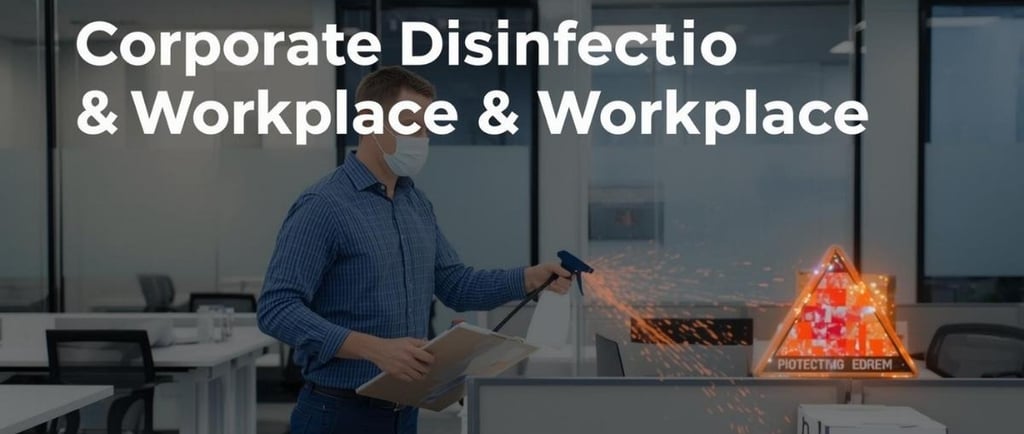
Workplace sanitization plays a crucial role in maintaining the health and safety of employees within B2B environments. In today’s landscape, where the spread of infectious diseases can hinder organizational functionality, effective sanitization practices are paramount. Not only do they minimize the risk of illness, but they also foster a healthier work environment, which significantly impacts overall morale and productivity.
The implementation of workplace sanitization procedures has been linked to a reduction in absenteeism, as a clean and sanitized space directly decreases the chances of employees contracting or transmitting illnesses. Germ hotspots, or commonly touched surfaces such as doorknobs, keyboards, and shared equipment, serve as primary vectors for germs. Regularly sanitizing these areas can help mitigate the concentration of harmful pathogens, ensuring that employees remain healthy and present at work, thus enhancing operational efficiency.
Moreover, a systematic approach to sanitization demonstrates an organization’s commitment to employee well-being. This not only cultivates a sense of trust and loyalty among team members but can also enhance the company's reputation externally, positioning it as a responsible entity in the business ecosystem. In a world increasingly focused on health and safety, the perception of a company's hygienic practices can influence customer relationships and partnerships.
In summary, workplace sanitization is more than just a preventative measure; it is an essential component of a robust organizational framework. It contributes to maintaining a productive and healthy workforce, reduces absenteeism through the management of germ hotspots, and signals a commitment to health that resonates within and outside of the organization. As entities strive for compliance and sustainability in health practices, the role of effective sanitization becomes increasingly critical.
Identifying Germ Hotspots: Key Areas to Focus On
In any workplace environment, maintaining hygiene is critical to preventing the spread of illnesses. Certain areas within the office are more prone to collecting germs due to frequent human contact. Herein, we will identify common germ hotspots that warrant special attention during sanitization efforts.
One of the primary areas to address is door handles. These high-touch surfaces are frequently gripped by multiple individuals, making them an optimal vector for germ transmission. Employee hand hygiene can significantly reduce this risk; however, regular disinfection of door handles should be included in routine cleaning protocols.
Lift buttons present another significant germ hotspot. Given that many employees utilize elevators throughout the day, the buttons can quickly become contaminated. Cleaning staff should prioritize sanitizing these surfaces with appropriate disinfectants to mitigate microbial presence and promote a healthier environment.
Desks and workstations also require meticulous attention. Individual workspaces can harbor a myriad of pathogens, particularly if employees do not adhere to consistent cleaning practices. Items such as keyboards, mice, and telephone receivers should be cleaned regularly to prevent the buildup of germs that can compromise health.
Lastly, shared equipment and communal resources like printers, copiers, and coffee machines should not be overlooked. These devices are accessed by multiple users and can serve as reservoirs for harmful microbes. Implementing a strict sanitization schedule for these communal items will significantly reduce health risks associated with shared usage.
Understanding and targeting these germ hotspots is crucial for any B2B workplace sanitation strategy. A focused approach to cleaning these areas can greatly enhance overall health and compliance in the workplace.
Infection Prevention Strategies for Businesses
The effectiveness of infection prevention measures within a business largely depends on a combination of employee education, personal hygiene practices, and regular sanitization protocols. Developing a culture that prioritizes health and safety can significantly enhance compliance with these practices, thereby creating a safer work environment.
First and foremost, educating employees about the importance of infection prevention is essential. Workshops, training sessions, and informational materials can be utilized to inform staff about common pathogens, their modes of transmission, and the critical role each employee plays in maintaining a sanitary workplace. For instance, understanding how respiratory viruses spread can encourage staff to adopt preventive behaviors such as using tissues when coughing or sneezing and immediately disposing of them.
Encouraging personal hygiene practices is another pillar of effective infection control. Businesses should promote handwashing before meals and after using the restroom, utilizing hand sanitizers available throughout the workplace. Installing signage that reminds employees of proper hygiene etiquette can serve as constant reinforcement. Additionally, providing personal protective equipment, such as masks and gloves when necessary, also contributes to a culture of health and safety.
Equally important is the establishment of regular sanitization protocols. Daily cleaning routines should be standardized, with special attention given to high-touch surfaces such as door handles, shared equipment, and restroom facilities. Integrating advanced sanitization technologies, such as UV light sterilizers or electrostatic sprayers, can also provide an added layer of protection. Furthermore, involving employees in these routines can foster a sense of responsibility and accountability for communal health.
The role of workplace culture in supporting these initiatives cannot be overstated. When management actively supports and participates in infection prevention measures, employees are more likely to follow suit. A commitment to health and safety not only protects individual employees but also promotes overall well-being within the organization.
ISO Compliance Benefits of Workplace Sanitization
Workplace sanitization not only enhances employee health but also aligns with the International Organization for Standardization (ISO) regulations, contributing to numerous compliance benefits. ISO standards provide a framework for businesses to establish, implement, and maintain effective health and safety practices, including workplace sanitization. By adhering to these standards, organizations can achieve various certifications that validate their commitment to maintaining a safe and clean work environment.
One of the primary ISO standards related to workplace health and safety is ISO 45001, which specifically focuses on occupational health and safety management systems. This standard encourages organizations to proactively improve their workplace conditions through effective sanitization practices, reducing the risk of accidents and illnesses. Achieving compliance with ISO 45001 not only demonstrates a commitment to employee welfare but also enhances the organization’s reputation within the industry.
Furthermore, complying with ISO standards related to quality management, such as ISO 9001, can improve operational efficiency through systematic approaches to workplace sanitization. By integrating sanitization protocols into quality management systems, businesses reduce waste and enhance productivity. This comprehensive approach ensures that every level of the organization prioritizes cleanliness, fostering a culture of quality and responsibility.
The long-term advantages of achieving ISO compliance through effective workplace sanitization are significant. Businesses can build stronger relationships with clients and stakeholders who prioritize health and safety, leading to increased trust and loyalty. Additionally, organizations often see reduced operational costs associated with illness-related absenteeism and potential liability claims, translating to a healthier bottom line.
Establishing a Routine Disinfection Schedule
Creating an effective routine disinfection schedule is critical to maintaining a clean and healthy workplace. This practice not only enhances the overall safety of employees but also ensures compliance with health regulations. The first step in developing a disinfection schedule is to assess the specific needs of the workplace. Factors such as the number of employees, the nature of the business, and the layout of the office will all influence the frequency and types of disinfecting tasks required.
Best practices suggest that high-touch surfaces, such as doorknobs, light switches, and shared equipment, should be disinfected at least twice daily. Areas that experience heavy foot traffic may require even more frequent cleaning, particularly during peak working hours. It is also advisable to implement a deeper cleaning routine on a weekly basis, which covers all surfaces and areas that may not be routinely disinfected.
Monitoring the effectiveness of the disinfection schedule is essential. This can be achieved by conducting regular inspections or utilizing third-party audits. Establishing a feedback mechanism, where employees can report cleanliness concerns, further enhances the monitoring process. Over time, the schedule can be adjusted based on observed needs and any changes in workplace occupancy or activity levels.
When selecting cleaning products, it is important to choose those that meet regulatory standards and are effective against a wide range of pathogens. The U.S. Environmental Protection Agency (EPA) maintains a list of disinfectants that are appropriate for use against SARS-CoV-2, the virus responsible for COVID-19, which can guide organizations in their selection. Utilizing a combination of manual cleaning methods and automated systems can also improve efficiency and ensure comprehensive coverage.
Targeting Industrial Areas: Focus on Gazipur, Narayanganj, and EPZ Dhaka
In the context of workplace sanitization, industrial areas such as Gazipur, Narayanganj, and EPZ Dhaka present a unique set of sanitization challenges and strategies. Each of these regions hosts a diverse array of industries which significantly influence their cleaning protocols and practices. For instance, Gazipur is known for its garment manufacturing sector, while Narayanganj has a combination of textiles, shipbuilding, and other heavy industries. Meanwhile, the Export Processing Zone (EPZ) in Dhaka typically houses a range of manufacturing entities catering to international markets. These variances necessitate tailored sanitization approaches to address specific environmental factors and industry-specific requirements.
The presence of heavy machinery and the scale of operations in these industrial areas often lead to higher levels of dust, debris, and potential contaminants, posing a distinct challenge for effective cleaning. In addition, the operational hours of these facilities may limit the time available for thorough sanitization processes. Therefore, it becomes crucial to devise cleaning protocols that can adapt to the continuous operation of these industries, ensuring that health and safety standards are consistently met without disrupting normal workflows.
Moreover, industries such as textiles may involve various chemicals that require careful handling and disposal, thereby influencing the choice of cleaning agents. Sanitization strategies here must not only focus on surface cleaning but also on maintaining air quality and reducing chemical exposure for workers. Further complicating the matter, waste management practices must be strictly adhered to in line with environmental regulations, preventing contamination of nearby areas.
To conclude, the diverse industrial landscape in Gazipur, Narayanganj, and EPZ Dhaka necessitates tailored sanitization efforts that respect the unique characteristics of each sector while ensuring compliance with health regulations. By adopting customized cleaning protocols, businesses can enhance workplace safety and hygiene, ultimately fostering a healthier environment for employees and visitors alike.
HR/Admin Managers' Checklist for Workplace Sanitization
Creating a sanitized workplace requires a meticulous approach, especially for HR and Admin managers who play a key role in overseeing health and safety compliance. Below is a comprehensive checklist that highlights essential tasks to ensure adequate sanitization in the workplace, the frequency of each task, necessary resources, and best practices.
1. Daily Cleaning Routines:
- Restrooms: Sanitize all surfaces including sinks, toilets, and door handles at least twice daily.
- Common Areas: Wipe down high-touch surfaces such as tables, countertops, and doorknobs multiple times throughout the day.
- Kitchenettes: Clean all shared equipment and wipe down tables after each use.
2. Weekly Deep Cleaning:
- Floor Maintenance: Vacuum carpets and mop hard surfaces. Schedule a thorough clean of communal carpets every week.
- Furniture Sanitization: Wipe down all workstations, including desks and chairs, using appropriate disinfectants.
3. Monthly Maintenance:
- Air Quality Checks: Inspect and replace HVAC filters to maintain optimal air quality, reducing airborne contaminants.
- Safety Equipment Review: Ensure that sanitization supplies such as hand sanitizer and disinfecting wipes are adequately stocked.
Recommended Resources:
- High-quality disinfectants approved by health authorities.
- Personal protective equipment (PPE) for staff involved in cleaning.
- Professional sanitization service contact information for comprehensive cleaning.
Best Practices:
- Encourage employees to maintain personal hygiene by providing hand sanitizers at various locations.
- Develop and communicate sanitization policies clearly to all staff members, establishing a culture of cleanliness.
In conclusion, HR and Admin managers should actively engage in these tasks to foster a safer workplace environment. By implementing this checklist and considering professional sanitization services, organizations can significantly enhance employee health and compliance with sanitation regulations.
Address:
264/5, Kamal Soroni Road, Mirpur, Dhaka-1216
Contact
Your Quaries on pest control askings
pestexterminatorbd@gmail.com
+8801642008383 +8801988300003, 01723057746
© 2025. All rights reserved. to Urban Pest Control Pvt. Ltd. this site is powered by Our Own IT Team