
Office & Commercial Disinfection Service in Dhaka – Workplace Safety & Infection Control Experts
2/28/20267 min read
Introduction to Workplace Sanitization
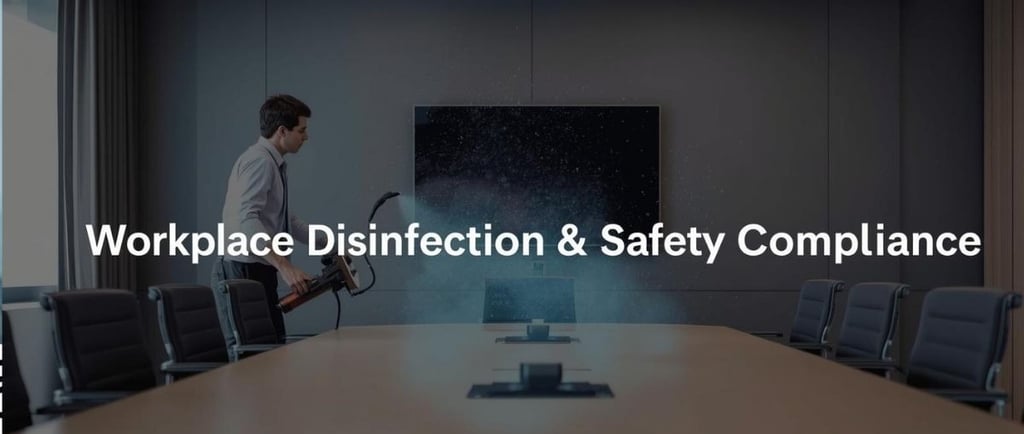
In recent years, workplace sanitization has emerged as a critical focus for businesses around the globe. The heightened awareness and concern for health and hygiene, particularly in light of recent global health challenges, have underscored the significance of maintaining a sanitized environment in corporate offices, manufacturing facilities, and industrial spaces. Organizations are now acknowledging that effective sanitization practices are not merely a compliance necessity but a vital component of a well-rounded employee safety strategy.
Effective workplace sanitization goes beyond routine cleaning; it involves systematic procedures designed to minimize the risk of illness and promote overall wellbeing among employees. This includes assessing high-touch surfaces, implementing regular cleaning schedules, and utilizing appropriate disinfecting agents. Companies are investing in both training for staff on best practices and tools that enhance their ability to maintain a clean and safe workplace, recognizing that employee safety directly correlates with productivity and morale.
Businesses of all sizes are realizing that comprehensive sanitization is essential for operational continuity. From small-scale offices to large factories and warehouses, the need for heightened hygiene protocols has never been more pressing. Establishing environments that encourage good hygiene practices not only protects employee health but also builds trust among staff and clients alike. The integration of workplace sanitization strategies fosters an atmosphere of safety, contributing to a positive organizational culture that values employee health and productivity.
In the upcoming sections, we will delve deeper into specific sanitization methods and best practices tailored for different types of work environments, ensuring that organizations can effectively create and maintain safe spaces for their workforce.
Identifying Germ Hotspots in the Workplace
In maintaining a safe workplace, it is imperative to identify and address common germ hotspots that can harbor pathogens, contributing to the spread of illnesses among employees. Understanding these areas is crucial for effective sanitization strategies in diverse environments, including corporate offices, factories, warehouses, banks, and garment industries.
One of the most frequently overlooked locations is door handles. These surfaces are touched multiple times throughout the day and can easily become contaminated with germs. In office settings, communal kitchens present another significant risk; shared appliances, countertops, and utensils can serve as vectors for bacteria and viruses if not properly sanitized on a regular basis.
Restrooms are vital areas for maintaining hygiene, yet they are often breeding grounds for harmful microorganisms. High-touch surfaces such as faucet handles, toilet flush mechanisms, and soap dispensers require routine disinfection to minimize the risk of infection.
Additionally, workstations, especially in corporate offices, are personal spaces where employees spend significant time. Desks, computers, telephones, and office supplies can accumulate germs, making it essential to implement regular cleaning protocols. In warehouse and factory settings, equipment handles, machinery controls, and safety gear also need attention, as they are frequently handled by multiple workers.
Lastly, in industries such as banking and retail, point-of-sale terminals and shared contact surfaces must be included in sanitization efforts. By identifying these germ hotspots, organizations can tailor their cleaning strategies to combat the spread of illness effectively, fostering a healthier work environment for all employees.
Effective Infection Control Strategies
In the modern workplace, ensuring a sanitized environment is paramount to minimizing the risk of infection and promoting employee health. One of the most effective infection control strategies is the implementation of a rigorous cleaning schedule. Regular cleaning of commonly-touched surfaces such as desks, doorknobs, and restrooms should be prioritized. Utilizing EPA-approved disinfectants can effectively eliminate pathogens and reduce the likelihood of transmission within corporate offices and industrial spaces.
Another crucial component in infection control is fostering good employee hygiene practices. Organizations should encourage hand washing with soap and water for at least 20 seconds, particularly before meals and after using the restroom. Providing hand sanitizer stations throughout the workplace increases accessibility and promotes regular use among employees. Additionally, it may be beneficial to conduct workshops or training sessions on proper hygiene practices, thereby enhancing staff awareness and compliance.
The establishment of health policies can also play a vital role in infection control. It is essential for employers to create clear guidelines on reporting illnesses, mandatory health screenings, and protocols for employees exhibiting symptoms of infectious diseases. These policies should promote transparency and ensure that staff members understand the importance of prioritizing their own health, as well as the health of their colleagues.
Lastly, cultivating a culture of health and safety should be a continual effort. Employers can lead by example, demonstrating a commitment to workplace sanitization and employee well-being. By actively engaging staff in discussions about health measures and the importance of adhering to hygiene practices, it is possible to create an environment where safety is valued. Thus, implementing these effective infection control strategies forms a comprehensive approach to ensuring a safe and healthy workplace.
Understanding ISO & HACCP in Workplace Sanitization
In today's corporate environments, maintaining a safe and hygienic workplace is of paramount importance. Adherence to International Organization for Standardization (ISO) standards and the Hazard Analysis and Critical Control Points (HACCP) principles plays a critical role in achieving this goal. ISO standards provide a framework that ensures organizations follow consistent processes for quality and safety management, benefiting both the workforce and the broader community.
Implementing ISO standards facilitates a systematic approach to workplace sanitization. These standards cover numerous aspects related to health, safety, and environmental conditions, ensuring that corporate offices and industrial spaces adhere to best practices. In particular, establishments located in industrial zones such as Gazipur and EPZ, along with the Narayanganj region, can greatly enhance their operational protocols by following these well-established guidelines.
HACCP, on the other hand, specifically targets food safety and sanitation. By identifying potential hazards within the workplace and setting control measures, HACCP provides a detailed blueprint for preventing contamination and ensuring a clean work environment. The application of HACCP principles not only assures compliance with health regulations but also cultivates trust among employees, clients, and stakeholders. This trust is particularly vital in sectors where food production and safety are interconnected with employee health.
Furthermore, integrating ISO and HACCP into workplace practices fosters efficiency. Employees become more aware of sanitization protocols and health standards, reducing instances of illness and improving overall productivity. Organizations that prioritize these safety measures ultimately benefit from decreased absenteeism and a more engaged workforce.
In conclusion, understanding and implementing ISO standards and HACCP guidelines in workplace sanitization not only improves safety and compliance but also fosters a culture of trust and efficiency. Particularly in areas like Gazipur, EPZ, and Narayanganj, these frameworks serve as essential tools for creating safer environments in both corporate and industrial settings.
Developing Routine Sanitization Plans
Establishing routine sanitization plans is integral to maintaining a safe workplace. These plans not only help in minimizing the transmission of pathogens but also contribute to a healthier work environment overall. It is essential for corporate offices and industrial spaces alike to implement structured cleaning schedules which can be categorized into weekly and monthly protocols.
For weekly cleaning, organizations should focus on high-touch surfaces such as doorknobs, light switches, and communal equipment. Designating specific days of the week for routine cleaning ensures that these tasks are performed consistently. Resource allocation is vital; organizations should invest in appropriate cleaning supplies and equipment to facilitate these weekly cleans effectively. Additionally, it may be beneficial to assign trained staff members to carry out these tasks, ensuring that cleaning protocols are followed meticulously.
Monthly cleaning protocols should encompass a more comprehensive approach, including deeper cleaning measures. This might involve carpet cleaning, window washing, and less commonly touched surfaces that require attention for dust and allergens. Scheduling these monthly cleanings during off-peak hours can minimize disruption to daily operations. Furthermore, engaging with professional cleaning services can provide expert insight and the manpower needed for such extensive cleanings.
Employee training is another critical aspect of sanitization plans. Ensuring that staff members are aware of the importance of personal hygiene and environmental cleanliness can foster a collective responsibility towards maintaining health standards. Training sessions should cover proper sanitization techniques, the importance of consistent cleaning habits, and the effective use of cleaning supplies. By cultivating an informed workforce, companies can enhance the adherence to sanitization protocols, further ensuring workplace safety.
Compliance Checklist for HR Managers
To ensure a consistently safe and sanitized workplace, HR managers must implement a thorough compliance checklist. This checklist serves as a foundational tool to guide the sanitization process within corporate offices and industrial spaces. Key aspects of this checklist include sanitization practices, documentation requirements, and audit strategies to verify compliance with established standards.
First, it is essential to outline the sanitization practices required on a daily, weekly, and monthly basis. Daily practices may include disinfecting high-touch surfaces, such as doorknobs, light switches, and shared electronic devices. Weekly tasks might encompass a deeper clean of common areas, kitchens, and restroom facilities. Monthly practices could involve comprehensive cleaning of carpets and upholstered furniture. Maintaining a schedule and assigning responsible personnel for these tasks reinforces accountability.
Documentation is another crucial element of compliance. HR managers should establish a system to log sanitization activities, noting the date, time, and personnel involved. These records serve as both a proof of compliance and a reference for future audits. Additionally, HR must maintain records of any employee training related to sanitization protocols to ensure all staff are informed and compliant with the current standards.
Lastly, regular auditing is essential to measure the efficacy of sanitization efforts. HR managers should create an internal auditing schedule, reviewing practices and documentation for accuracy and compliance. Feedback from employees should also be gathered to identify any areas needing improvement. By conducting such audits, HR can address potential gaps and reinforce sanitization efforts. This compliance checklist not only fosters a safe working environment but also elevates workplace morale and trust among employees.
Conclusion: Creating a Health-Conscious Workplace
In today’s corporate environment, prioritizing workplace safety through comprehensive sanitization methods is critical for enhancing overall employee well-being and productivity. As businesses continue to navigate the impacts of various health challenges, the need for regularly implemented and effective sanitization strategies cannot be overstated. Ensuring that both corporate offices and industrial spaces are sanitized not only protects employees from potential health risks but also promotes a culture of care and responsibility within the organization.
Particularly in industrial areas such as Gazipur, EPZ, and Narayanganj, the integration of rigorous sanitization protocols into day-to-day operations is essential. These strategies should encompass not just surface cleaning, but also air quality management and regular health assessments. Incorporating these measures contributes to creating a safe environment that not only mitigates the risks of illness transmission but also increases employee morale. Studies suggest that a health-conscious workplace significantly boosts productivity as employees feel secure and valued.
Ultimately, the commitment to maintaining a sanitized workplace reflects a broader dedication to health and safety standards within a business. Companies that are proactive about implementing thorough sanitization strategies position themselves as leaders in worker care. In turn, this can bolster their reputation, attract talent, and retain employees. Therefore, organizations are urged to view their sanitization protocols not merely as a reaction to current health concerns but as fundamental components of their operational ethos. A comprehensive approach to workplace sanitization will certainly foster a healthier, more productive workplace culture.
Address:
264/5, Kamal Soroni Road, Mirpur, Dhaka-1216
Contact
Your Quaries on pest control askings
pestexterminatorbd@gmail.com
+8801642008383 +8801988300003, 01723057746
© 2025. All rights reserved. to Urban Pest Control Pvt. Ltd. this site is powered by Our Own IT Team