
Overtime & Emergency Duty Policy for Pest Control Companies – Global Best Practices
2/24/20267 min read
Introduction to Overtime and Emergency Duty in Pest Control
Pest control is an essential service, particularly in urban environments where the health and safety of residents can be significantly impacted by infestations. With this critical role in mind, pest control companies face the challenge of responding to both regular and emergency requests for service. This necessity brings about the concepts of overtime and emergency duty. Overtime refers to the hours worked by employees beyond their standard working hours, while emergency duty involves urgent responses to pest control issues that require immediate attention.
Implementing a clear policy on overtime and emergency duty is vital for pest control companies. Such a policy not only outlines expectations for employees but also aids in maintaining operational efficiency. By establishing defined procedures, companies can minimize confusion during high-pressure situations, ensuring that the right services are delivered promptly and adequately. Furthermore, this clarity fosters a sense of security for the workforce, as they comprehend the implications of working overtime and what emergency responses entail.
The benefits of well-drafted overtime and emergency duty policies cannot be overstated. Companies can effectively manage labor costs while ensuring that workforce availability aligns with fluctuating demand for services. A structured policy also addresses potential legal ramifications, safeguarding the business against disputes that may arise from overtime claims or emergency service obligations. Conversely, the absence of such guidelines may lead to miscommunication, employee dissatisfaction, and ultimately, decreased service quality.
Thus, pest control companies around the world must adopt global best practices regarding overtime and emergency duty policies. By doing so, they can navigate challenges effectively while optimizing their service capabilities, enhancing both employee morale and customer satisfaction.
Understanding Pest Control Overtime Policies
Effective overtime policies are crucial for pest control companies to ensure compliance with labor laws while maintaining employee satisfaction. An ideal overtime policy not only adheres to local and national regulations but also incorporates industry standards and best practices. First and foremost, it is essential to understand the legal considerations surrounding overtime work. The Fair Labor Standards Act (FLSA) mandates that non-exempt employees must be compensated at a rate of at least one and a half times their regular pay for hours worked over 40 in a week. This legal framework sets the groundwork for any overtime policy.
In the pest control industry, seasonal fluctuations often result in variable workloads. Companies must account for these variations when creating scheduling policies. Flexibility is key; therefore, having a clear system for notifying employees about potential overtime work can help in managing expectations. For example, companies may consider establishing a standby schedule that outlines when employees are likely to be required for emergency duties or additional hours, helping to minimize last-minute stressful situations.
Fair compensation practices should also be integral to the policy. Offering overtime pay is not only a legal requirement but can also serve as a motivating factor for employees. Some companies may explore alternative compensation methods, such as offering time off in lieu of overtime pay, which might be appealing to employees seeking work-life balance. Nevertheless, all compensation methods should be clearly explained in the policy to ensure transparency.
Moreover, it is vital to engage employees in the development of overtime policies. Soliciting feedback can lead to a more effective policy that meets the needs of both the employers and the workforce. Together, adherence to legal requirements, flexible scheduling, fair compensation practices, and employee engagement construct a sound overtime policy capable of supporting pest control companies in their operational objectives.
Designing an effective emergency pest service plan is a critical component for pest control companies aiming to maintain high service quality during crises. The plan must be tailored to address the specific needs of diverse clients, ensuring that all possible scenarios are anticipated and managed efficiently. One pivotal element is the establishment of an optimal response time. Immediate response to pest emergencies not only mitigates potential damage but also enhances customer satisfaction, fostering long-term relationships.
Next, staffing during emergency situations requires careful consideration. Companies should maintain a roster of trained professionals who are readily available to address pest issues as they arise. Cross-training team members can enhance flexibility, allowing businesses to allocate resources where they are most needed. Furthermore, developing a rotational schedule ensures that staff will not become overworked, which can impact service quality.
Communication is another crucial factor within an emergency service plan. Clear, consistent communication channels should be established between the pest control company and clients. This includes timely updates regarding response times, service plans, and any changes due to unforeseen circumstances. Utilizing multiple communication platforms—such as phone calls, emails, and messaging applications—will ensure that clients feel informed and valued throughout the process.
Additionally, resource allocation is essential in managing emergencies effectively. Companies should assess and stock essential materials, tools, and chemicals needed to address a wide range of pest emergencies. Having a planned inventory and a reliable supplier network will greatly assist in minimizing interruption during critical times. Through careful design and implementation of an emergency pest service plan, pest control companies can not only assure service quality but also build resilience against future challenges.
Best Practices for Night Pest Control Services
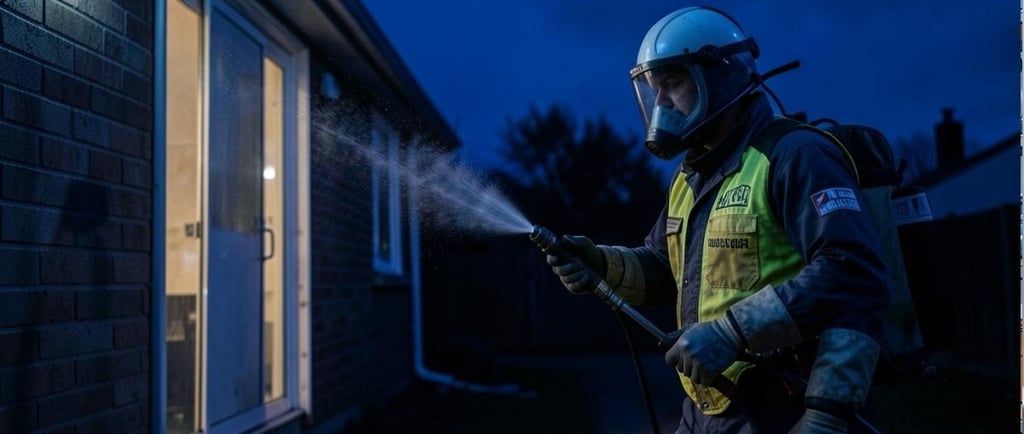
The demand for night pest control services has surged in recent years, driven by the need for effective pest management that minimizes disturbances to residential and commercial activities during daytime hours. To operate efficiently in this environment, pest control companies must adopt best practices tailored to the unique challenges of nighttime operations.
Safety protocols are paramount in ensuring the well-being of employees while conducting pest control services at night. Companies should conduct thorough risk assessments to identify potential hazards associated with nighttime work. Implementing safety measures such as proper lighting, reflective vests, and communication devices will reduce the risks of accidents. Additionally, maintaining a well-organized work environment aids in navigation and enhances safety during nighttime operations.
Employee training is another critical aspect of providing effective night pest control services. Nighttime environments can be unpredictable, requiring technicians to be well-prepared for various scenarios. Continuous training programs should focus on the specific challenges of night work while reinforcing core pest control techniques. This training should also encompass the safe handling of pesticides and equipment, as well as communication skills to address customer inquiries about the services being performed.
Furthermore, effective customer communication strategies are essential for managing client expectations during night services. Companies should proactively inform customers about service hours, potential disturbances, and safety precautions being implemented. Providing honest and transparent communication fosters trust and reassures clients that their properties are in capable hands, even during nighttime interventions.
By embracing these best practices, pest control companies can enhance their efficiency and safety during night operations, ultimately leading to improved client satisfaction and business success.
Case Studies of Successful Implementation
To illustrate the successful implementation of overtime and emergency policies within the pest control sector, we can examine several case studies that highlight best practices and positive outcomes.
One notable example comes from a leading pest control company based in the United States, which faced significant challenges during peak seasons. To enhance their efficiency and response times, they developed a structured overtime policy that clearly defined roles, responsibilities, and compensation rates for emergency calls. As a result, the company not only improved their service delivery but also managed to reduce employee burnout by ensuring adequate rest times between shifts. This adoption of a calculated approach allowed for a more sustainable work environment while maintaining high standards of pest control.
Another compelling case is from an Australian pest control firm that devised an emergency response framework. This policy included an on-call system, where trained technicians were equipped and ready to respond to urgent client needs outside of regular hours. The implementation resulted in a staggering 40% increase in client satisfaction ratings due to the immediate attention given to critical situations. Additionally, the employees felt more valued, experiencing a boost in morale as their commitment to emergency duties was recognized and rewarded appropriately.
Lessons learned from these companies highlight the importance of clear communication regarding policies and expectations, as well as the need to involve employees in the development process. By obtaining feedback from staff, the organizations were able to craft policies that resonated with frontline workers, leading to higher compliance and overall effectiveness of overtime and emergency procedures. These case studies serve as valuable templates for other pest control companies striving to improve their operations through efficient planning and the implementation of robust emergency protocols.
Employee Well-being and Satisfaction in Overtime and Emergency Situations
The dynamic nature of pest control work often requires employees to engage in overtime and emergency duties. It is essential to recognize that how these demands are managed significantly impacts employee morale and job satisfaction. When pest control companies prioritize the well-being of their employees during such challenging periods, it not only fosters loyalty but also enhances productivity.
To support employees effectively during overtime and emergency situations, companies should implement comprehensive policies that address their mental and physical health. Providing access to mental health resources, such as counseling services or stress management programs, can alleviate anxiety and promote resilience among workers. Furthermore, ensuring regular communication with team members can serve to reassure them of their value to the organization, particularly during high-pressure periods.
An important strategy for enhancing job satisfaction is to offer flexibility in work schedules whenever possible. This might include allowing employees to adjust their hours to accommodate personal commitments or providing additional time off after extensive overtime. Such measures demonstrate an understanding of the importance of work-life balance, which is crucial for employee retention and satisfaction in the long term.
Additionally, recognizing and rewarding the efforts of employees who take on overtime responsibilities can greatly improve their morale. This could be in the form of bonuses, public acknowledgments, or additional benefits, all of which can create a culture where employees feel appreciated and motivated to contribute positively, even in demanding circumstances.
Overall, fostering a supportive environment during overtime and emergency situations is vital in pest control companies. By considering the mental health and work-life balance of employees, organizations can ensure that their workforce remains satisfied, engaged, and productive, even amid the pressures of heightened demands.
Conclusion and Future Trends in Pest Control Overtime and Emergency Policies
In summary, the development of overtime and emergency duty policies within the pest control industry is paramount for maintaining operational efficiency while safeguarding employee rights. This blog post has discussed various best practices that companies can adopt to navigate the complex landscape of labor regulations, health and safety considerations, and client expectations. Key points include the necessity for clear communication regarding overtime provisions, the importance of proper training for emergency service delivery, and the adoption of flexible scheduling to mitigate employee burnout.
As the pest control industry evolves, so too will the challenges and demands placed upon service providers. One noted trend is the increasing reliance on technology for service delivery, which may require revisions to current overtime policies. For instance, the implementation of mobile applications for pest control scheduling can streamline service requests, which could lead to more predictable work hours and better management of emergency situations. Furthermore, leveraging data analytics could enhance strategic decision-making regarding workforce allocations during peak seasons.
Another emerging trend involves greater emphasis on employee well-being and mental health awareness in the workplace. Pest control companies are increasingly recognizing that fostering a healthier work environment contributes not only to employee satisfaction but also to enhanced service quality. This shift may encourage the development of more supportive overtime policies and emergency engagement protocols that prioritize the welfare of workers.
The regulatory landscape also continues to evolve, with governments revisiting labor laws in response to the changing nature of work. Companies in the pest control sector should remain vigilant and proactive in adapting their policies to comply with these changes while also addressing the evolving needs of their workforce.
Address:
264/5, Kamal Soroni Road, Mirpur, Dhaka-1216
Contact
Your Quaries on pest control askings
pestexterminatorbd@gmail.com
+8801642008383 +8801988300003, 01723057746
© 2025. All rights reserved. to Urban Pest Control Pvt. Ltd. this site is powered by Our Own IT Team