
Pest Control for Restaurants: Compliance, Hygiene & Food Safety Standards
2/15/20268 min read
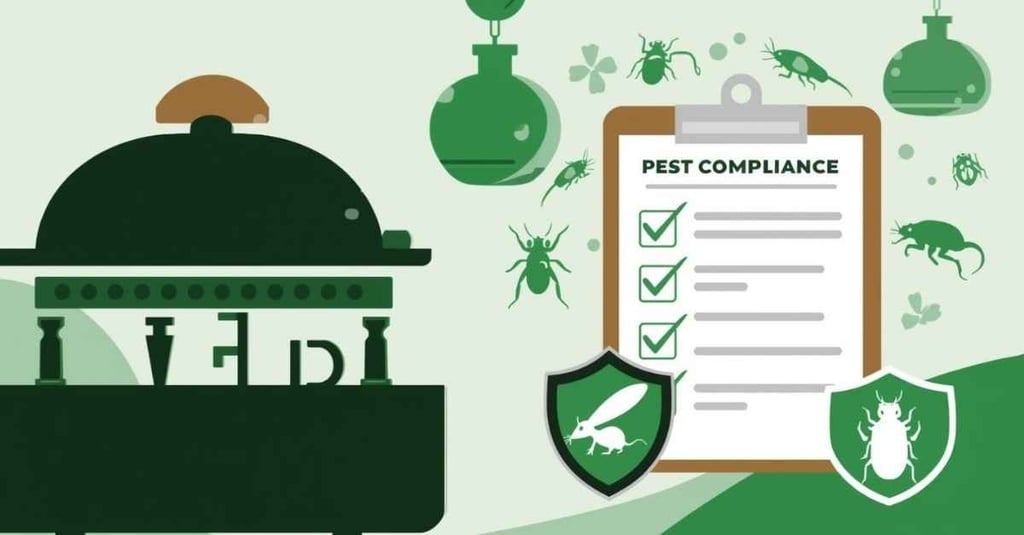
Understanding HACCP and Its Role in Pest Management
The Hazard Analysis Critical Control Point (HACCP) system is a preventive approach to food safety that identifies, evaluates, and controls hazards throughout the food production process. Its core objective is to ensure that food items are safe for consumption by identifying critical control points where contamination can occur. Among these hazards, pests pose a substantial risk, making effective pest management an integral component of the HACCP framework.
HACCP principles guide food businesses in establishing procedures and practices that safeguard food from biological, chemical, and physical hazards, including those caused by pests. The presence of rodents, insects, and other pests can lead to contamination, spoilage, and even foodborne illnesses, significantly impacting public health and food safety. Therefore, effective pest control strategies must align closely with the HACCP standards to ensure that food production environments remain safe and hygienic.
To establish a comprehensive pest management plan within a HACCP framework, businesses must first conduct a thorough assessment to identify potential pest hazards specific to their operations. This assessment will involve monitoring pest activity and evaluating any conditions that may foster infestations. Subsequently, preventive measures should be implemented, including structural repairs, sanitation practices, and routine inspections.
Regularly reviewing and updating the pest control measures is crucial to maintaining compliance with HACCP principles. Record-keeping is another essential aspect, as it ensures that all pest management activities are documented, which can help in audits and inspections. By effectively integrating pest management into the HACCP system, food businesses can mitigate risks, protect product integrity, and maintain brand loyalty by ensuring that their food products remain safe for consumers.
Comprehensive Audit Checklist for Pest Control
In order to ensure effective pest management, it is essential for businesses, especially those in the food industry, to have a comprehensive audit checklist. This checklist helps evaluate pest control measures, ensuring they comply with the HACCP guidelines and maintain food safety and brand integrity.
The first key area to assess is documentation. Businesses should review all pest control records, including contracts with pest management professionals, detailed reports of pest inspections, and action plans implemented following any pest sighting. This documentation should be organized and easily accessible to facilitate any inspections or audits.
Next, the audit should focus on the inspection processes. Regular inspections are crucial for identifying potential pest entry points and breeding sites. The checklist should include the frequency of inspections, the methods used, and the thoroughness of these evaluations. It is also important to document any findings, along with the specific locations where pests may have been observed.
Corrective actions taken in response to pest activities form another crucial component of the checklist. Businesses must establish a systematic approach to addressing pest issues, which includes prompt corrective actions and the implementation of pest management strategies. The reliability of pest control measures can be evaluated by checking if the actions taken are effective, documented, and reviewed regularly.
Finally, a thorough follow-up process should be part of any pest management audit. This should include reassessing pest control practices and the outcomes of corrective actions taken. The checklist should require businesses to evaluate if the implemented strategies resulted in sustained pest control and compliance with HACCP standards.
Implementing a Monthly Monitoring Log: Best Practices
In the realm of pest management, the implementation of a monthly monitoring log is paramount for ensuring effective food safety practices and maintaining brand integrity. A well-structured monitoring log serves as a vital tool for tracking pest activity, identifying trends, and ensuring compliance with health regulations. This log not only enhances the understanding of pest behaviors but also supports the creation of preventive measures tailored to specific environments.
The first crucial aspect of a monthly monitoring log is determining what data should be tracked. Key variables include the types of pests observed, specific locations of sightings, the date and time of each occurrence, and any control measures employed. Additionally, environmental factors such as temperature and humidity can be recorded, providing deeper insights into potential pest activity. By systematically gathering this information, businesses can paint a more accurate picture of their pest management challenges.
Analysing the data collected in a monthly monitoring log is equally significant. Trends can be identified by reviewing past records, which allow for proactive measures to be undertaken before problems escalate. For instance, if data indicates a consistent increase in sightings in a specific area, focused interventions can be implemented to address the concern effectively. Regular analysis not only aids in forecasting pest-related issues but also enhances staff training and awareness regarding pest management strategies.
Finally, documentation plays an essential role in maintaining compliance with health organizations. Keeping meticulous records can demonstrate adherence to HACCP (Hazard Analysis Critical Control Point) principles, thereby ensuring that food safety measures are upheld. A comprehensive monthly monitoring log serves as verifiable proof of diligence in pest management efforts, reinforcing a brand's commitment to safety and quality. It fosters communication between staff members and provides clear directives for future actions, supporting the overarching goal of safeguarding public health.
Effective Rodent Control Strategies for Food Businesses
Rodents pose significant risks to food safety, potentially compromising both the integrity of food products and the reputation of food businesses. Implementing effective rodent control strategies is essential for maintaining compliance with food safety regulations and ensuring adherence to Hazard Analysis Critical Control Point (HACCP) principles. The following methods outline preventive measures and active control tactics that can be employed.
One of the first steps in rodent management is habitat modification. This involves eliminating potential nesting sites and food sources that attract rodents to the premises. Regularly cleaning storage areas, disposing of waste efficiently, and ensuring that food items are stored securely can limit opportunities for rodents to thrive. Additionally, landscaping strategies, such as keeping grass trimmed and removing debris from around the building perimeter, can further deter rodent intrusion.
Exclusion is another critical component of an effective rodent control strategy. This process includes sealing entry points to prevent rodents from accessing the building. Common entry ways include gaps around windows, doors, utility lines, and vents. Using materials such as steel wool, caulk, or metal flashing can effectively block these entry points. Regular inspections should be conducted to identify and rectify any potential vulnerabilities in the facility’s structure.
When preventive measures are insufficient, businesses may need to employ active control tactics, including the safe use of traps and baits. Snap traps and electronic traps can effectively capture rodents without posing significant risks to non-target animals or humans. When utilizing bait stations, it is important to ensure they are monitored regularly and placed strategically, following HACCP guidelines to prevent contamination and ensure food safety.
In summary, integrating comprehensive rodent control strategies within food businesses is essential. By emphasizing habitat modifications, exclusion techniques, and humane trapping methods, food establishments can significantly reduce the risk of infestation and uphold high standards of food safety and brand integrity.
Cockroach Prevention Plan: Safeguarding Your Establishment
Developing a comprehensive cockroach prevention plan is a critical component in maintaining food safety and ensuring brand integrity within any establishment. The first step in this plan involves implementing rigorous sanitation practices. Keeping all areas of the facility clean is paramount, particularly kitchens and food storage zones where crumbs and spills can attract cockroaches. Regular cleaning schedules should be established, ensuring that surfaces, floors, and unreachable spaces are routinely sanitized. This also includes the disposal of waste materials in a timely manner, utilizing sealed containers to minimize potential food sources for pests.
In addition to sanitation, structural repairs play a vital role in cockroach prevention. Conduct a thorough inspection of the premises to identify and remediate any potential entry points, such as cracks, gaps, or holes in walls and foundations. Ensure that windows and doors are properly fitted and equipped with screens to prevent unwanted access. By sealing these vulnerabilities, you create a barrier against cockroaches and other pests while promoting a healthier space for food storage and preparation.
Monitoring protocols should also be an integral part of your prevention strategy. Implement frequent inspections of the premises to identify any emerging signs of cockroach activity, such as droppings or egg cases. Consider utilizing surveillance traps to gain insight into pest activity and population levels. This proactive approach enables the establishment to swiftly address potential infestations before they escalate. Effective documentation of monitoring efforts is crucial for compliance with health regulations and for assessing the efficacy of current control measures.
By integrating these key elements—sanitation, structural repairs, and monitoring—into a cohesive cockroach prevention plan, your establishment can safeguard not only its reputation but also its commitment to food safety. Ultimately, this approach not only minimizes the risk of infestation but also fosters a hygienic environment conducive to maintaining high standards of health and safety within the food service industry.
The Importance of Compliance Certificates in Pest Management
Compliance certificates play a vital role in the realm of pest management as they provide verifiable proof that a business adheres to established industry standards and regulations. These certificates demonstrate that a pest management company has completed necessary training and operates in conformity with the latest safety guidelines and legal requirements. The presence of such certifications can significantly enhance a company's reputation, ensuring clients that their pest management practices are thorough and compliant, which is crucial for food safety and maintaining brand integrity.
Moreover, obtaining compliance certificates is not just a matter of regulatory obligation; it also serves as an essential aspect of operational integrity. Businesses that neglect this requirement risk not only jeopardizing their credibility but may also face legal repercussions. Failure to maintain compliance can lead to severe penalties, including fines or even the suspension of operations. This underscores the necessity for businesses to integrate pest management compliance into their overall risk management strategies.
Additionally, the marketplace has become increasingly competitive, and consumers are more informed than ever. They often prefer to engage with businesses that prioritize safety and compliance. Thus, possessing compliance certificates can enhance customer trust and loyalty. On the other hand, a lack of such documentation can raise red flags, leading potential clients to question the safety and quality protocols of the business. Essentially, compliance certificates are more than just formalities; they are critical tools for ensuring accountability and transparency in pest management practices.
In conclusion, compliance certificates are indispensable in pest management, offering not only legal coverage but also serving as a cornerstone for consumer trust and business credibility. It is imperative for companies to prioritize the acquisition and retention of these certificates to safeguard their operations and uphold industry standards.
Protecting Brand Reputation through Effective Pest Control
In the competitive landscape of the food industry, brand reputation plays a crucial role in customer loyalty and trust. Effective pest control measures are essential in safeguarding not only the health and safety of consumers but also the integrity of the brand itself. An infestation can severely damage a brand’s image, leading to lost sales and long-term repercussions.
Food establishments that fail to manage pest issues could face devastating consequences. Customers often associate pest problems with poor hygiene practices, leading to negative perceptions and potentially reducing foot traffic. Research shows that a single pest sighting can deter a customer from returning and sharing their experience with others, amplifying the impact of the incident virally through social media and online reviews.
Organizations such as the World Health Organization and the Food and Agriculture Organization have established guidelines that emphasize the importance of maintaining a pest-free environment. Compliance with these guidelines not only enhances food safety but also reinforces consumer confidence in a brand. By effectively implementing pest management strategies, businesses not only adhere to safety standards but also demonstrate a commitment to public health and quality.
Moreover, proactive pest control enhances a company's credibility. Regular monitoring and maintenance show customers that the business is diligent about quality assurance. The presence of a well-driven pest control program in food operations can even become a selling point, assuring customers that their health is a priority.
In conclusion, the impact of pest control extends far beyond compliance; it is integral to sustaining a positive brand reputation. By establishing robust pest management practices, food businesses can protect their customers, ensuring trust and brand integrity remains intact in an ever-evolving market. Investing in these measures is an investment in the brand’s future, underscoring the message that quality and safety go hand in hand.
Address:
264/5, Kamal Soroni Road, Mirpur, Dhaka-1216
Contact
Your Quaries on pest control askings
pestexterminatorbd@gmail.com
+8801642008383 +8801988300003, 01723057746
© 2025. All rights reserved. to Urban Pest Control Pvt. Ltd. this site is powered by Our Own IT Team