
Pest Control Inspector Daily Checklist Template (Free Download)
2/24/20267 min read

Introduction to Pest Control Inspections
Pest control inspections play a crucial role in the maintenance of pest-free environments within both residential and commercial properties. Their purpose extends beyond mere identification of existing infestations; they serve as a preventive measure against future pest-related issues. By conducting systematic inspections, property owners can ensure a safe and healthier living or working space.
The role of pest control inspectors is multifaceted. These trained professionals possess the necessary expertise to evaluate properties thoroughly for various types of pests. Common pests that are often the focus during inspections include rodents, termites, bed bugs, and cockroaches, all of which can cause significant damage or health risks if left untreated. Moreover, inspectors are not only responsible for identifying pest presence but also for analyzing environmental factors that could contribute to an infestation. Their assessments often encompass checking for potential entry points, noting ideal breeding conditions, and identifying areas of high risk.
Utilizing a daily checklist during inspections is essential for pest control inspectors. This checklist helps streamline the inspection process and ensures that no crucial steps are overlooked. It serves as a guide for the inspector to methodically cover all bases, from examining structural components to evaluating outside surroundings. Furthermore, a daily checklist enhances accountability and efficiency, allowing inspectors to document their findings promptly. This process is beneficial for clients as it provides a clear overview of the condition of their properties and any actions taken to maintain pest control.
Understanding the Components of a Pest Control Inspector Checklist
A pest control inspector checklist is an essential tool that guides pest management professionals in their assessments. This checklist ensures that all critical areas are evaluated to prevent and manage pest infestations effectively. It typically comprises several key components, each serving a specific purpose in pest identification and damage evaluation.
Firstly, the property exterior assessment is crucial. Inspectors should examine the building's foundation, siding, and roof for cracks or gaps that could allow pest entry. They should also check for standing water or debris that may attract pests, as well as signs of previous infestations, such as droppings or nests. A thorough exterior evaluation helps in identifying the potential entry points for common pests, including rodents and insects.
Secondly, the interior areas must be assessed meticulously. This entails inspecting areas where pests are commonly found, like kitchens, bathrooms, and basements. Inspectors should check under sinks and appliances for signs of moisture, food debris, or droppings that indicate a pest presence. Each room should be scrutinized for structural issues or potential harborage areas where pests might thrive.
Additionally, it is essential to evaluate potential pest entry points. This includes gaps around windows, doors, and utility pipes. Inspectors should also look for unsealed cracks in walls or foundations. Identifying these entry points helps property owners take proactive measures to exclude pests.
Lastly, any specific pest sightings should be documented. Recognizing the type of pest present can inform the treatment method and preventive strategies. Inspectors should record the location of sightings, the extent of damage, and any immediate action to be taken.
By comprehending and addressing these components within the pest control inspector's checklist, professionals can significantly enhance their assessment accuracy and effectiveness in pest management.
Benefits of Using a Daily Checklist for Pest Control Inspectors
Utilizing a daily checklist offers numerous advantages for pest control inspectors, significantly enhancing the efficacy of their operations. One primary benefit is the increase in efficiency. A well-structured checklist ensures that inspectors can methodically assess each property, reducing the likelihood of overlooking critical areas that may harbor pests. This structured approach enables inspectors to manage their time effectively, allowing them to cover more sites and conduct thorough inspections in a shorter timeframe.
Moreover, improved accuracy in detecting pest issues is another crucial benefit of using a daily checklist. By providing a systematic guide, inspectors can check specific areas consistently, thereby increasing the chances of identifying pest infestations early. Early detection not only helps in taking timely action but also prevents further pest propagation, ultimately saving clients from more significant issues and potential financial losses. Accurate reporting derived from these inspections supports effective treatment plans and increases overall client satisfaction.
Documentation for accountability is also significantly enhanced through the use of daily checklists. Inspectors can maintain detailed records of their findings, which serve as a useful tool for both accountability and reference in future pest management strategies. This documentation can prove invaluable during follow-up visits or even in cases where disputes may arise regarding the service provided.
Lastly, a daily checklist fosters better communication with clients. By being able to present a clear and thorough account of the inspection process, inspectors can effectively convey the necessary information regarding pest control recommendations. This transparency builds trust and reassures clients of the inspector's professionalism, ultimately enhancing the perceived value of the services provided. Therefore, the incorporation of a daily checklist into a pest control inspector's routine can significantly improve service quality.
Customizing a pest inspection checklist is crucial for pest control professionals aiming to deliver effective and efficient services. Each client presents unique challenges and requirements, necessitating a specific approach toward inspections. To begin the customization process, it is essential to consider the type of property being inspected. Residential properties, commercial buildings, and agricultural lands each have distinct features and pest vulnerabilities that should influence the checklist criteria.
Moreover, incorporating the pest history of the property is vital. Understanding past infestations can inform the inspector of ongoing issues that may require focused attention. For instance, if a property has a history of termite infestations, the checklist should include detailed inspections for any signs of wood damage or potential entry points. Similarly, if previous treatments were applied, it would be prudent to evaluate the effectiveness of those measures in the current inspection to determine if further action is necessary.
In addition to property type and pest history, the checklist should be tailored to meet the specific requirements and preferences of the client. Engaging with clients to understand their concerns can facilitate the inclusion of relevant criteria. For example, some clients may prioritize the identification of allergens or risks associated with children or pets, while others may focus on preventative measures against recurring pest issues. Therefore, fostering communication and establishing expectations with clients is key to developing a comprehensive checklist.
Ultimately, an effective pest inspection checklist is one that reflects the unique aspects of each property while addressing the specific needs of the client. Customizing the inspection criteria ensures that pest control professionals can deliver timely, relevant, and satisfactory services, thereby enhancing the overall effectiveness of pest management strategies.
Free Download: Pest Control Inspector Daily Checklist Template
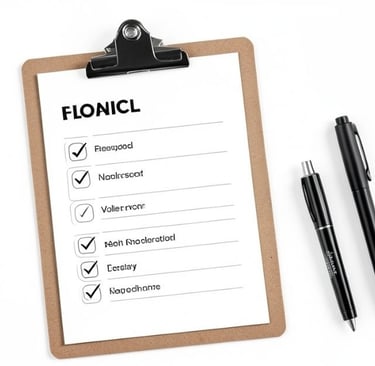
As a pest control inspector, maintaining a systematic approach is essential for ensuring thorough inspections and effective pest management. To facilitate this, we are pleased to offer a free download of a Pest Control Inspector Daily Checklist Template, designed to support professionals in their daily operations. This template is formatted in a user-friendly manner, making it easy to navigate and utilize during inspections.
The checklist template includes several crucial sections tailored to guide pest control inspectors through their daily responsibilities. Initially, it starts with a header section where inspectors can log their name, date of inspection, and location. This information serves as an essential record-keeping element and can be vital for follow-up inspections. Following this, the template incorporates a section for equipment checks, prompting inspectors to verify that all necessary tools and safety gear are in good condition before commencing their work.
Another significant feature of the checklist is a visual inspection section, where inspectors can document findings related to pest activity, signs of infestation, and any relevant environmental factors that may influence pest behavior. Additionally, there is space allocated for effective communication notes, which allows inspectors to outline recommendations or treatment plans based on their observations. This holistic approach in a checklist format not only enhances productivity but also ensures that pest control measures are both proactive and responsive.
To access the Pest Control Inspector Daily Checklist Template, please follow the highlighted download link. By integrating this comprehensive checklist into your daily routine, you can improve your inspection efficacy and documentation accuracy, thereby enhancing your overall pest control operations.
Best Practices for Conducting Pest Inspections
Conducting pest inspections requires a systematic approach to ensure that every potential pest issue is identified and addressed effectively. The first step in the inspection process is preparation. Before heading out to a job site, inspectors should gather all necessary tools and equipment, including inspection checklists, traps, flashlights, and personal protective gear. Understanding the type of pests commonly found in the region can also inform the inspector's approach and focus during the examination.
During the inspection, it is vital to employ thorough examination techniques. Inspectors should closely examine common entry points such as doors, windows, and ventilation systems. Additionally, areas with a history of pest problems should receive special attention. Utilizing a systematic method of inspecting each area can help ensure that no signs of infestation are overlooked. Inspectors should look for evidence like droppings, nesting materials, and visual sightings of pests, noting their location and density, as this will assist in determining the severity of the issue.
Safety protocols are essential in pest inspection, as some pests may pose health risks to inspectors. The use of protective clothing, gloves, and respiratory equipment is recommended, especially when inspecting areas suspected of containing hazardous materials or severe infestations. Keeping safety at the forefront helps ensure the well-being of both the inspector and the occupants of the property.
Lastly, maintaining clear communication with clients throughout the inspection process is crucial. Inspectors should take the time to explain their findings, potential risks, and recommended steps for treatment. Providing clients with a detailed report of the investigation and personalized advice reinforces transparency and builds trust, encouraging clients to engage with the pest control process actively. By following these best practices for conducting pest inspections, inspectors can deliver effective services, ensuring the best outcomes for properties and their occupants.
Conclusion and Encouragement to Download the Checklist
Utilizing a daily checklist for pest control inspections is essential for ensuring a thorough and effective service. A well-structured checklist aids pest control inspectors in systematically evaluating properties, examining potential infestations, and documenting findings accurately. This meticulous approach not only promotes better organization but also helps in adhering to regulatory compliance and industry standards.
Moreover, the use of a daily checklist can significantly enhance customer satisfaction. When pest control professionals follow a documented procedure, clients can trust that every aspect of the inspection process is addressed. This kind of diligence fosters responsiveness to client concerns and demonstrates a commitment to quality service delivery, ultimately leading to long-term customer relationships. By implementing a daily checklist, pest control inspectors can streamline their workflow, reduce the chances of overlooking critical steps, and ensure that pest management solutions are both effective and reliable.
We encourage you to take a proactive step in elevating your pest control inspections by downloading our free daily checklist template. This resource is designed to simplify your inspection process and serve as a valuable tool in your daily operations. Whether you are a seasoned professional or a newcomer in the pest control field, having a checklist at your disposal can make a significant difference in your efficiency and effectiveness. By embracing a structured approach to pest control inspections, you take a crucial step towards achieving better outcomes for both your clients and your business.
Address:
264/5, Kamal Soroni Road, Mirpur, Dhaka-1216
Contact
Your Quaries on pest control askings
pestexterminatorbd@gmail.com
+8801642008383 +8801988300003, 01723057746
© 2025. All rights reserved. to Urban Pest Control Pvt. Ltd. this site is powered by Our Own IT Team