
Pest Control Insurance Claims: Can Termite & Pest Damage Be Covered Worldwide?
Pest Control Insurance Claims: Can Termite & Pest Damage Be Covered Worldwide?
1/29/20267 min read
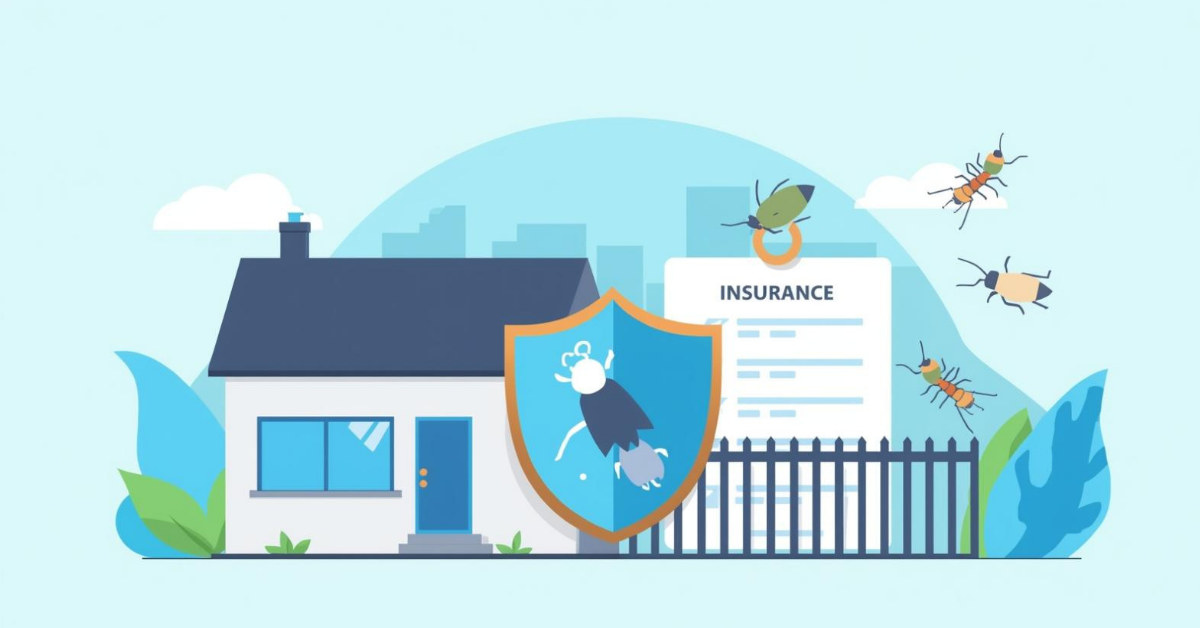
Understanding Home Insurance Coverage for Pest and Termite Damage
Homeowners often seek clarity on their home insurance policies, particularly regarding coverage for pest and termite damage. Home insurance varies significantly from one region to another, with distinct regulations and standards established in the USA, UK, Canada, Australia, and Europe. It is paramount for homeowners to understand the fundamental components of their insurance policies, as these can influence the extent of their coverage against infestations.
Generally, most standard home insurance policies exclude specific types of pest and termite damage. This exclusion often stems from the fact that such damages are typically categorized as preventable. Insurers may argue that routine maintenance and inspections can mitigate the risk of infestations, thus limiting their liability for related damages. Many policies delineate specific terms related to pest control, indicating that coverage may only apply when pest damage arises from an external event, such as natural disasters or unforeseen accidents.
In particular, homeowners should be aware of the common caveats in terms of coverage. For instance, many insurance policies will not cover damage resulting from continuous pest activity – commonly referred to as wear and tear – or infestations that were present prior to the policy's initiation. Additionally, some policies may stipulate that pest inspections and mitigation efforts be performed regularly as a condition of coverage. This requirement further emphasizes the importance of understanding both the scope of coverage and the responsibilities expected of homeowners.
Thus, prospective policyholders should engage in comprehensive reviews of their insurance documents, paying close attention to sections that detail inclusions and exclusions regarding pest and termite damage. Consulting with insurance agents or legal experts can also provide valuable insights into specific policy nuances and how they relate to an individual’s unique circumstances.
Standard Exclusions in Home Insurance Policies
When assessing whether pest and termite damage is covered by a home insurance policy, it is essential to understand the standard exclusions that typically accompany these policies. Most homeowners insurance plans are designed to protect against sudden and accidental damages, but they often explicitly exclude coverage for damages caused by pests, including termites. The rationale behind these exclusions is largely preventative; insurers argue that pest infestations often develop over long periods and can usually be avoided through regular maintenance and upkeep of the property.
For instance, many policies include language indicating that damages resulting from insects, vermin, or rodents are not covered under standard terms. This exclusion is rooted in the understanding that homeowners are responsible for maintaining their properties and mitigating potential infestations. Insurers prioritize claims related to unforeseen incidents, like a tornado or fire, over those resulting from preventable issues such as pest damage.
Specific policy wording can vary, but common phrases include "damage caused by or resulting from insects or pests" or "no coverage for losses caused by gradual deterioration from pests." It is crucial for homeowners to review their insurance contracts thoroughly to identify these exclusions. In some cases, optional endorsements or additional coverage may be available to cover pest-related damages, yet these typically come at an extra cost. Homeowners should consult with their insurance agents to explore the specifics of their policy and consider pest control measures as a preventive strategy to avoid costly damages that insurance may not cover.
The Importance of Pest Inspection Reports
Pest inspection reports are critical documents for homeowners, particularly in relation to home insurance policies. These reports provide a comprehensive overview of a property’s condition concerning pest infestation, which can include but is not limited to termites, rodents, and other harmful species. A thorough inspection assesses the extent of any existing pest damage, allowing homeowners to understand potential risks and necessary remediation steps.
When it comes to home insurance, having a detailed pest inspection report can significantly influence the claims process. Insurers typically require evidence of property condition before issuing comprehensive coverage. If a homeowner files a claim related to pest damage, the absence of an inspection report could result in denied claims or incomplete compensation. In contrast, possessing an up-to-date inspection report can facilitate smoother communication with insurance providers, helping to validate claims and support the homeowner’s position.
Additionally, obtaining a pest inspection report prior to purchasing or renewing a home insurance policy is a prudent step. Homeowners can identify potential issues early, thus enabling them to take proactive measures against infestations. For prospective buyers, failing to conduct such an inspection may lead to unexpected repair costs after moving in. Furthermore, some insurers may have specific requirements regarding pest inspections before covering properties, particularly in regions prone to termite activity.
In conclusion, pest inspection reports not only provide homeowners with essential insights into their property’s integrity but also play an instrumental role in the home insurance landscape. These reports are invaluable tools that can safeguard homeowners from future financial burdens due to pest damage and ensure adequate insurance coverage when needed most.
Preventive Pest Control Requirements for Homeowners
Pest control is not only about dealing with infestations when they occur; it also involves preventive measures that can significantly reduce the risk of pest damage to your home. Many homeowners insurance policies now include stipulations that may require proof of regular pest control to ensure greater coverage. Therefore, understanding preventive pest control is essential for safeguarding your home and your insurance policy.
One recommended approach is to engage a professional pest control service for routine inspections. These experts can identify potential problem areas that may attract pests and offer solutions tailored specifically to your property. It is advisable to have a comprehensive inspection at least once a year, although some homes may benefit from biannual visits depending on their geographic location and susceptibility to various pests.
In addition to professional help, homeowners should adopt preventive maintenance practices. Keep the home clean and clutter-free, as pests often thrive in shady, densely cluttered spaces. Regularly check for cracks around doors, windows, and the foundation, as these are potential entry points for pests. Sealing these gaps can greatly reduce your risk of infestation.
Moreover, consider monitoring and maintaining your yard. Moisture attracts many pests, including termites, thus ensuring proper drainage and avoiding standing water is crucial. Keeping vegetation well-trimmed and removing potential nesting sites can also deter pests from making your yard their home.
Ultimately, maintaining a proactive stance towards pest control not only protects your home but may also fulfill the requirements of your insurance provider. Keeping records of pest control services and maintenance can serve as proof of preventive measures, which can be invaluable when making a claim resulting from pest damage.
Real Estate Risks Associated with Pest Damage
Pest infestations, ranging from termites to rodents, present significant risks to real estate, compelling homeowners to carefully consider the implications of these nuisances. One of the most concerning aspects of pest damage is the structural harm it can inflict on a property. For instance, termite colonies can silently consume the wooden elements of a home, leading to extensive damage that may go unnoticed until it is too late. This structural weakening not only threatens the integrity of the dwelling but can also trigger costly repairs that, if unaddressed, may escalate further over time.
The presence of pests can also adversely affect property values. Homes that are known to have had pest issues often carry a stigma, resulting in lower market desirability. Potential buyers may be reluctant to invest in a home if there are lingering concerns about previous infestations or visible signs of damage. This decrease in perceived value can lead to longer selling times and reduced offers, directly influencing the homeowner’s financial return on investment.
Moreover, pest problems create long-term financial implications, particularly when homeowners fail to address infestation issues promptly. Regular pest inspections and appropriate preventative measures can mitigate future damage; however, neglect can lead to compounding issues that threaten the home’s marketability. Legal responsibilities further complicate the situation, as homeowners may be obligated to disclose any known pest problems during the sale process, potentially deterring prospective buyers. Maintaining a pest-free environment is crucial not only for the protection of the home but also to uphold property values and ensure legal compliance in real estate transactions.
Frequently Asked Questions about Pest and Termite Insurance Coverage
Homeowners frequently have questions regarding pest and termite damage insurance, and understanding the nuances can be essential for effective home protection. One common inquiry is whether homeowners can purchase additional coverage specifically for pest and termite infestations. Generally, most standard home insurance policies do not include coverage for pest-related damages, as these are often considered preventable issues. However, some insurers may offer endorsements or separate policies that can provide the necessary coverage for pest control.
Another prevalent question revolves around regional differences in pest insurance coverage. Coverage can vary significantly depending on the geographic location and the prevalence of specific pests in that area. For example, homeowners residing in warmer regions may face higher risks of termite infestations, and thus, insurance products may reflect this increased risk. Checking with local insurance providers can give homeowners a clearer understanding of what is available in their specific region.
When homeowners discover pest damage, it is vital to act swiftly. Immediate steps should include documenting the damage thoroughly and contacting your insurance provider as soon as possible. Homeowners should be prepared to provide evidence, such as photographs and estimates for repairs. Additionally, seeking professional pest control services might be necessary to assess the extent of the damage and prevent further issues. It is important to note that some insurers may have specific requirements for damage reports, so following these guidelines can help ensure a smoother claims process.
Overall, understanding the coverage options, regional variations, and procedural steps after pest damage can enable homeowners to make informed decisions regarding their insurance policies.
Expert Guidance on Filing Claims and Maximizing Insurance Benefits
When dealing with pest and termite damage, understanding the intricacies of your home insurance policy is paramount for homeowners. One of the first steps in filing a claim is to thoroughly document all damage. It is essential to take clear photos of the affected areas, maintain a detailed list of damaged property, and record any repair estimates you might receive. This comprehensive documentation will serve as crucial evidence of the damage when you submit your claim.
Furthermore, it is vital to closely examine your insurance policy language. Homeowners should pay attention to specific terms and conditions regarding pest and termite damage coverage. Some policies may include exclusions that can affect your claim. Knowing what is covered will not only inform you when to file a claim but will also help you avoid potential disputes with your insurer.
Once you've collected your documentation and reviewed your policy, the next step is to file your claim. It's advisable to contact your insurance agent or adjuster early in the process to discuss your situation. Be prepared to present the evidence you have gathered. Insurers often appreciate proactive communication and might provide guidance on the next steps, which can facilitate the claims process.
To maximize your benefits, it is crucial to work closely with your insurance adjuster. This professional can guide you regarding what is required for your claim to be approved. Be open and responsive to questions, and do not hesitate to ask for clarification on any aspect of the claims process. Remember, the more organized and informed you are, the better your chances of successfully obtaining benefits for pest-related damage to your property.
Address:
264/5, Kamal Soroni Road, Mirpur, Dhaka-1216
Contact
Your Quaries on pest control askings
pestexterminatorbd@gmail.com
+8801642008383 +8801988300003, 01723057746
© 2025. All rights reserved. to Urban Pest Control Pvt. Ltd. this site is powered by Our Own IT Team