
Pest Infestation Signs Every Homeowner Should Know
Pest Infestation Signs Every Homeowner Should Know
1/26/20267 min read
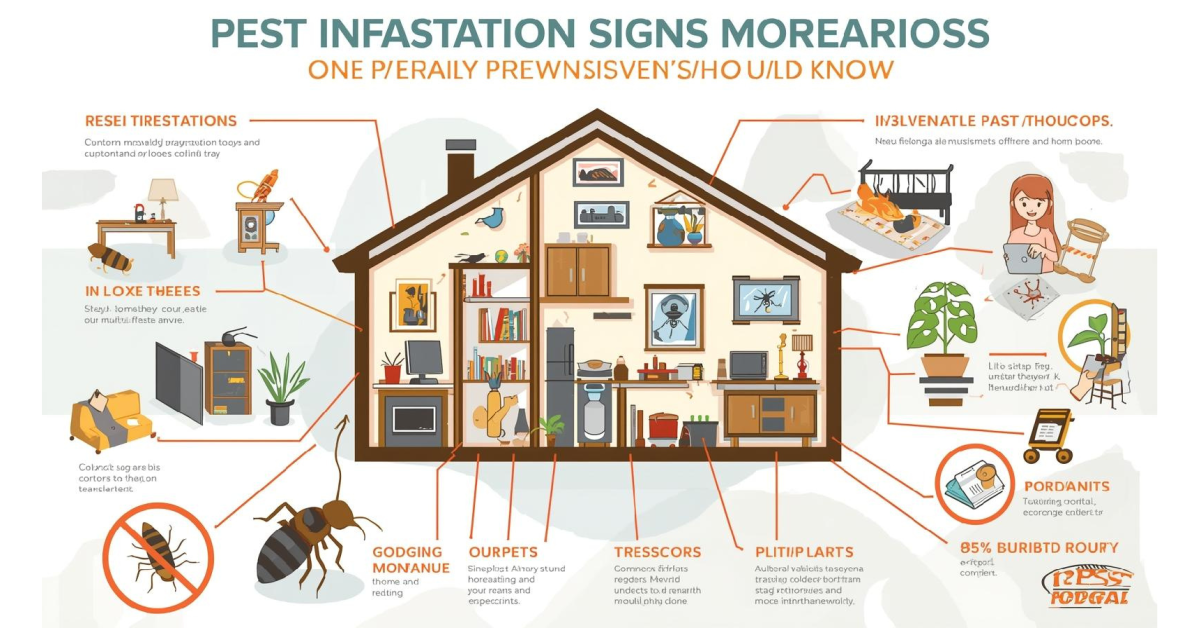
Introduction to Pest Infestations
Pest infestations are an increasingly common issue that homeowners face, often leading to significant damage and health risks within residential properties. Understanding the basics of pest infestations is essential for effective management and prevention. Various types of pests can infiltrate homes, including rodents, termites, bedbugs, cockroaches, and ants, each presenting unique challenges and threats.
Rodents, such as mice and rats, can gnaw on wiring, insulation, and wooden structures, compromising the integrity of the home and leading to costly repairs. Termites are known for their destructive feeding habits, consuming wood and weakening the structure of the property over time without visible signs in the early stages. Bedbugs, while not typically destructive to property, pose severe health risks through bites, causing discomfort and allergic reactions. Cockroaches and ants, while seemingly less menacing, can contaminate food sources and spread diseases, making them a considerable nuisance.
Recognizing early signs of pest infestations is crucial for homeowners. Common indicators include sightings of the pests themselves, droppings, and gnawed materials. Additionally, homeowners may discover nests or hear unusual sounds within walls or attics. Being aware of these signs allows for timely intervention, which can prevent a small problem from escalating into a larger infestation, ultimately saving time and money on pest control measures.
In light of these potential risks, it is imperative for homeowners to remain vigilant and proactive in their approach to pest management. A thorough understanding of pest behavior, along with regular inspections and preventive measures, can significantly diminish the likelihood of an infestation taking hold in the home.
Common Signs of Pest Infestation
Pest infestations can be troublesome for homeowners and can lead to significant property damage if not addressed promptly. Recognizing the signs of pests is essential for effective early detection and management. Several common indicators can help identify the presence of pests in your home.
One of the most noticeable signs of a pest problem is the presence of droppings. Different types of pests leave distinct droppings; for instance, rodent droppings are usually small and pointed, while larger pests, such as raccoons, produce larger, more irregularly shaped droppings. Finding droppings in areas such as the kitchen, basement, or attic often suggests an infestation that requires immediate attention.
Another common sign is the appearance of gnaw marks. Many pests, particularly rodents like rats and mice, have strong front teeth that they use to gnaw through wood, insulation, and even electrical wiring. Noticing chew marks on baseboards or food packaging can point to hidden infestations that may necessitate professional pest control.
Strange smells are also telling indicators of pest activity. For example, a musty odor may suggest the presence of termites or mold caused by a rodent infestation. Foul smells can often emanate from decaying organic matter left by pests, thereby indicating a possible outbreak. Another sign includes the appearance of nests or burrows created by pests in hidden corners of your home or yard. Rodents often build nests using shredded paper, fabric, and other soft materials, while insects like ants may create visible mounds of dirt or debris.
By familiarizing themselves with these signs, homeowners can proactively manage pest infestations. Vigilance and timely action can help contain potential damage caused by these unwanted guests.
Noises: An Indicator of Infestation
Identifying pest infestations early can save homeowners significant time, money, and stress. One of the crucial ways to detect these unwanted guests is by paying close attention to the noises they make. Different pests are known to produce distinct sounds, and recognizing these can be essential in diagnosing an infestation.
Rodents, such as mice and rats, are notorious for the characteristic squeaks and scrapes they emit. Squeaking is often associated with their communication, while the scratching or scuttling sound may indicate their movement within walls or ceilings. These rodents are nocturnal, so homeowners are likely to hear these sounds during the night, potentially causing concern about a growing problem that requires immediate attention.
Insects can also contribute to a multi-faceted soundscape that signals their presence. For example, the buzzing of insects like wasps or bees is unmistakable and typically signifies a nest nearby. Additionally, the rustling sounds associated with various insects, such as cockroaches or ants moving through walls, can be heard, especially at night when they are most active. The rhythmic sound of wings flapping in the case of flying insects, like moths, also serves as a potential indicator of infestation.
Furthermore, the sound of gnawing, particularly related to pests such as termites or wood-boring beetles, can be an early signal of a more severe issue. This sound can often be mistaken for creaking due to the home settling but may indicate structural damage if it persists.
In summary, understanding the noises associated with various pests is pivotal for homeowners. By staying vigilant and identifying these sounds, one can take proactive measures to address possible infestations before they escalate into major issues.
Physical Evidence: Damages and Changes
Homeowners are often unaware of the physical evidence left behind by various pests until significant damage has occurred. Recognizing the signs of pest infestation is critical to preventing extensive damage and costly repairs. Common pests, such as rodents, termites, and carpenter ants, can cause substantial structural harm, making it crucial for homeowners to conduct regular inspections of their properties.
One common indication of a pest problem is unusual wear or damage to furniture, floors, and walls. Rodents, for instance, are known to gnaw on items to keep their teeth from growing too long, resulting in visible chew marks on wooden furniture or furniture fabrics. Additionally, if you find droppings under shelves or cabinets, it may signal that you have unwelcome guests in your home.
Another significant sign of pest activity is structural damage, especially when it comes to wood-boring insects like termites. These pests create tunnels within wood, which can weaken the integrity of beams and frames, creating safety hazards. Homeowners should be vigilant for signs such as hollow-sounding wood and the presence of mud tubes that termites build to travel and access food sources.
Nesting is another indicator that pests might inhabit your home. Unusual nests, whether made from shredded paper, insulation, or other materials, can often be found in hidden areas like attics, basements, or wall cavities. Identifying these nests early can help you take corrective action before infestations escalate.
Regular home inspections are essential for detecting these physical signs of pest infestation. Early identification can save homeowners from the burdens of extensive repairs and ensure a safe living environment. By being observant and addressing these concerns, you can maintain a pest-free home.
The Importance of Maintaining Cleanliness
Maintaining cleanliness in and around the home is crucial for deterring pest infestations. A clean and organized environment significantly reduces the likelihood of attracting unwanted pests, such as rodents, insects, and other vermin. Regular cleaning practices play an essential role in creating a barrier against these pests, as they are often drawn to clutter and food debris found in unkempt spaces.
Food storage is one of the primary areas where homeowners can make substantial changes. First and foremost, all food items should be stored in airtight containers to prevent pests from accessing them. This includes not only dry goods, such as grains and cereals, but also pet food and snacks that may attract various insects. Additionally, it is important to regularly check expiration dates and dispose of any expired food appropriately, as decaying items can become a significant attraction point for pests.
Moreover, managing waste is equally critical in maintaining a pest-free home. Homeowners should ensure that garbage cans are tightly sealed and emptied frequently. Compost bins, if used, should be managed meticulously, with the contents turned regularly and covered to minimize odor and discourage pests. Outside the home, landscaping should be kept tidy with debris and leaf litter removed, as these can serve as breeding grounds for pests.
Lastly, the overall tidiness of living spaces cannot be overlooked. Regular vacuuming and sweeping can eliminate crumbs and small debris that may be a food source for pests. Keeping clutter to a minimum allows homeowners to inspect areas more easily for signs of pests, enabling early intervention if necessary. By adhering to these best practices, homeowners can create a clean living environment that actively prevents pest infestations and fosters overall well-being.
Preventive Measures to Avoid Infestations
Homeowners can take several proactive steps to prevent pest infestations, thereby ensuring a safe and healthy living environment. One of the most effective measures is sealing entry points in and around the home. This includes checking windows and doors for gaps and ensuring that screens are intact. Additionally, homeowners should inspect the foundation for cracks and holes, as these can serve as entryways for various pests.
Regular maintenance checks are crucial in identifying potential issues before they escalate into infestations. It is advisable to routinely examine attics, basements, and other less-frequented areas for signs of pests or damage, such as droppings or nests. Keeping clutter to a minimum can also help reduce hiding spaces for pests. Tools and supplies should be stored in closed containers and away from living spaces.
Another effective preventive measure is managing the surrounding landscape. Maintaining a distance between trees and shrubs and the exterior of the home can inhibit pest access. Furthermore, proper drainage and avoiding standing water will discourage mosquitoes and other moisture-loving pests from breeding in the vicinity. It might be beneficial to use natural deterrents such as essential oils or vinegar solutions, which can repel pests without the need for harsh chemicals.
Moreover, proper food storage practices also play an essential role in pest prevention. Ensure that all food items are tightly sealed and stored in containers to deter insects and rodents from foraging.
By implementing these preventive strategies, homeowners can significantly reduce the risk of pest infestations and effectively safeguard their homes from unwanted intruders.
When to Call a Professional
Determining when to call a professional for pest control can be crucial in maintaining a safe and healthy living environment. While some pest issues can be effectively managed through do-it-yourself (DIY) methods, there are specific scenarios where professional intervention is advisable. Understanding these circumstances can help homeowners make informed decisions and potentially save money in the long run.
One of the primary indicators that it may be time to contact a professional is the severity of the infestation. If you notice a significant presence of pests, such as rats, termites, or bed bugs, it is likely that the situation is beyond casual remedies. In cases where DIY treatments do not yield positive results after multiple attempts, seeking the help of trained pest control experts can be the most efficient approach. Professionals possess specialized knowledge and resources that allow them to assess, treat, and prevent infestations effectively.
Another critical aspect to consider is the potential health risks associated with certain pests. For example, rodents and insects can carry diseases that pose serious threats to household members. If there is an indication of disease transmission, such as droppings or bites, it is advisable to reach out to professionals promptly. Furthermore, if anyone in the home has allergies or health conditions that could be exacerbated by pest presence, seeking professional help is essential.
Finally, pest control specialists can offer long-term solutions tailored to your specific situation. Instead of merely addressing the symptoms, professionals investigate the root causes of infestations, providing sustainable strategies to prevent future occurrences. Their expertise ensures that treatment is not only effective but also safe for the inhabitants of the home.
Address:
264/5, Kamal Soroni Road, Mirpur, Dhaka-1216
Contact
Your Quaries on pest control askings
pestexterminatorbd@gmail.com
+8801642008383 +8801988300003, 01723057746
© 2025. All rights reserved. to Urban Pest Control Pvt. Ltd. this site is powered by Our Own IT Team