
Pest Inspection Before Buying a Property: Global Guide for Homebuyers
Pest Inspection Before Buying a Property: Global Guide for Homebuyers
1/30/20267 min read
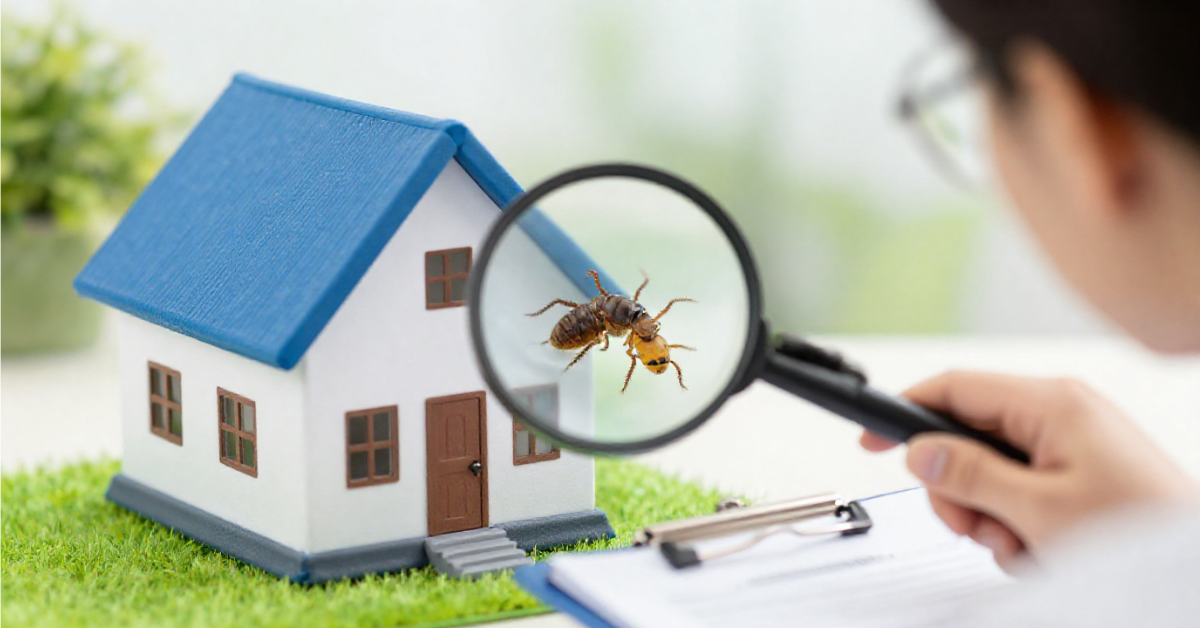
Understanding Pest Inspections: What They Are and Why They Matter
Pest inspections play a crucial role in real estate transactions, providing a thorough evaluation of a property for any signs of pest infestations. These inspections are typically conducted by licensed professionals who are trained to identify various pests that may compromise the integrity and safety of a home. Common pests identified during these inspections include termites, rodents, ants, and other structural pests that could cause significant damage over time.
Termites, often referred to as the silent destroyers, pose a serious threat to wooden structures and can lead to extensive repair costs if left unchecked. Rodents, on the other hand, not only damage property but also pose health risks through diseases they may carry. Ants, although small, can infiltrate homes in large numbers, making their presence a nuisance. Understanding these pests and their potential impact reinforces the importance of a pre-purchase pest inspection for anyone considering buying a home or investing in real estate.
A pest inspection is not merely a precaution; it is an essential step in the due diligence process for homebuyers and investors. The findings from this inspection can provide vital information, potentially influencing the decision to proceed with the purchase or negotiate repairs with the seller. Failing to conduct a pest inspection can result in unforeseen financial burdens due to repair costs or damage control measures that may arise after the purchase. Therefore, the significance of these inspections cannot be overstated, as they serve as a preventive measure that safeguards buyers from future losses.
Moreover, being aware of pest issues early on can foster informed decisions regarding home maintenance and overall property management, thus enhancing the long-term value of the investment. In essence, a pest inspection holds immense value, ensuring that property buyers remain protected and informed before making significant financial commitments.
Common Pests to Look Out For: Termites, Rodents, and Structural Pests
Pest inspections play a crucial role in real estate transactions, particularly in identifying common pests that can adversely affect property value. Termites are one of the most notorious pests homeowners should be aware of due to their destructive nature. These wood-destroying insects can cause significant structural damage by feeding on cellulose found in wood. A colony of termites can compromise the integrity of a home within months, leading to costly repairs. Therefore, early detection through pest inspections is essential, as it can save homeowners from incurring substantial financial losses.
Rodents also present a serious issue for property owners. Mice and rats not only damage property by gnawing on insulation, wiring, and structural components, but they can also introduce health risks. Rodents are known carriers of various diseases, and their droppings and urine can contaminate food sources, causing hygienic concerns. A rodent infestation, if not addressed promptly, can escalate rapidly, making pest inspections a necessary step in safeguarding a home’s health status.
In addition to termites and rodents, various structural pests can threaten a property’s safety and value. For example, carpenter ants can damage wooden structures by tunneling through them to establish their nests. Furthermore, bees and wasps can create hazardous conditions if they decide to nest within or near a residential area. It is critical to conduct thorough inspections not only for termites but also for these structural pests to ensure a property remains structurally sound and safe. Ignoring the presence of these pests can lead to increased repair costs and diminished property value, making pest inspections an integral part of any real estate transaction.
The Pest Inspection Process: What to Expect
When navigating the real estate landscape, understanding the pest inspection process is paramount. The journey typically begins by hiring a qualified inspector who specializes in pest detection. Homebuyers and investors should seek out licensed professionals with good reputations, as their expertise is critical in identifying potential pest issues that could impact property value or safety.
Once an inspector is hired, the actual inspection process begins. During this thorough examination, inspectors assess various aspects of the property, including crawl spaces, attics, basements, and structural components. They look for signs of infestation, such as droppings, nests, and damage caused by pests like termites or rodents. Inspectors also evaluate external areas, including the foundation and landscaping, to determine any possible entry points that pests might exploit.
To effectively carry out their duties, inspectors employ a range of specialized tools, including moisture meters, infrared cameras, and inspection mirrors. The use of such equipment allows for a comprehensive evaluation that transcends simple visual checks. For instance, moisture meters can identify hidden areas of dampness, which could attract pests, while infrared cameras reveal temperature differences that may indicate pest activity.
On average, a thorough pest inspection can take anywhere from one to three hours, depending on the property's size and condition. Homeowners can assist in this process by ensuring that the property is accessible. This means moving furniture away from walls and clearing clutter in crawl spaces and attics. An organized environment enables inspectors to perform a meticulous examination, ensuring that their findings are accurate and comprehensive. This proactive approach can save future homeowners from unforeseen pest-related challenges.
Cost Estimates for Pest Inspections Around the World
Pest inspections are an essential part of real estate transactions, helping to identify potential pest issues before they escalate. The costs of these inspections vary significantly across different regions. In the United States, homebuyers typically spend between $75 to $300 for a standard pest inspection. Factors influencing this price include the size of the property and its geographical location, with urban areas generally commanding higher fees due to increased demand for pest control services.
In the United Kingdom, the cost for pest inspections averages around £50 to £200. Similar to the U.S., the pricing can also depend on the property size and location. Additionally, the type of pests present can significantly affect the overall cost, especially if specialized treatment is required post-inspection.
Moving to Europe, the costs can vary widely by country. For instance, in Germany, a pest inspection may cost anywhere from €100 to €400, while prices in Spain could be lower, averaging €50 to €150. Factors such as regional pest prevalence and the inspector's qualifications can contribute to this cost disparity.
In Australia, pest inspections generally range from AUD 100 to AUD 400, influenced by similar variables including property dimensions, location, and pest severity. The importance of these inspections reflects the country's varied climate conditions, which can foster a range of pest infestations.
Finally, in the United Arab Emirates, the costs for pest inspections can be higher, ranging from AED 300 to AED 800. This price range may be largely driven by the need for specialized services due to the unique pest problems prevalent in the region.
As seen, while costs can fluctuate based on several factors, understanding these estimates can help homebuyers and investors prepare financially for pest inspections across different regions.
The Consequences of Untreated Pest Infestations
Pest infestations are not merely an annoyance; they can also lead to serious and consequential damage to a property if left untreated. Common pests such as termites, rodents, and cockroaches can cause significant structural and health-related issues. Termites, for instance, are notorious for silently eating away at wooden structures, and over time, this can weaken the integrity of a home. The estimated costs of repair due to termite damage can easily escalate, often amounting to thousands of dollars. Homebuyers and property investors must be aware that untreated pest problems can create unforeseen financial burdens.
Additionally, infestations can result in health risks for occupants. Rodents and insects can carry disease and introduce allergens into the home, creating an unhealthy living environment. A family living in a space compromised by pests may face health complications, leading to increased medical expenses. The buyers should consider this potential impact not only on their health but also on their investment, as the presence of pests can lead to reluctance from future buyers or renters who may be wary of an infestation.
The presence of pests does not just undermine the physical state of a property but also diminishes its overall value. According to research, homes affected by pest infestations tend to sell for lower prices compared to similar homes without pest problems. This diminished property value can have long-term implications for homebuyers looking to sell in the future. Neglecting pest inspections during real estate transactions is a gamble that can affect the financial security of potential homeowners and investors.
FAQs about Pest Inspections: Common Concerns Addressed
Pest inspections play a crucial role in real estate transactions, prompting various questions from potential homebuyers and investors. One of the most frequently asked questions revolves around how often pest inspections should be conducted. Generally, it is advisable to have a pest inspection at least once a year. This proactive approach helps in identifying potential infestations early, allowing for timely intervention before they escalate into more serious issues. Additionally, if the property is located in an area prone to pest issues, more frequent inspections may be necessary.
Another common inquiry pertains to the types of services available for pest control. Pest control services range from preventive measures to reactive solutions. Preventive services typically include ongoing monitoring and treatments aimed at deterring pests before they become a problem. In contrast, reactive services focus on addressing existing infestations. These can encompass various techniques, including baiting, trapping, and chemical treatments. Homebuyers should consider consulting a pest control professional to determine the best approach based on the specific needs of their property.
Understanding the difference between preventative and reactive pest management is crucial for effective pest control. Preventative pest management aims to stop infestations from occurring, while reactive management deals with issues after they have been identified. Taking a preventative stance can save property owners time and money in the long run by reducing the likelihood of severe infestations that require intensive treatments.
Lastly, finding reputable pest control services nearby can significantly impact the effectiveness of pest management efforts. Homebuyers and investors can start by seeking recommendations from friends and family or checking online reviews. Professional associations for pest management can also offer valuable resources and referrals to certified pest control companies.
Conclusion: The Importance of Incorporating Pest Inspections in Your Home Buying Strategy
In the complex arena of real estate transactions, pest inspections play a pivotal role in the home buying process. As noted throughout this guide, pests not only pose a threat to the structural integrity of a property but also affect health and comfort levels for future occupants. Therefore, a thorough pest inspection is not merely an optional step; it is a necessary component of informed decision-making for prospective homebuyers and investors.
One of the primary takeaways is that early detection through pest inspections can save buyers from potential financial burdens down the line. If pests are discovered before purchase, buyers can negotiate repairs or reconsider their investment, saving them from complications that could arise later. Such proactive measures not only protect the buyer's investment but also enhance peace of mind, knowing that their new home is safe and secure.
Moreover, understanding the unique pest challenges particular to the location of the property further emphasizes the necessity of conducting these inspections. Each region may have specific pests that are prevalent, requiring tailored solutions for prevention and control. Consulting with pest control experts will not only aid in identifying these threats but also provide comprehensive strategies for mitigation, ensuring long-term safety.
Ultimately, prioritizing pest inspections should be integrated into the standard home buying strategy of all prospective homeowners and real estate investors. The benefits of such inspections extend far beyond immediate concerns, fostering a more reliable and enjoyable living environment. Therefore, we encourage all readers to take action: schedule a pest inspection for any property you are considering, or consult with pest control professionals to safeguard your investment.
Address:
264/5, Kamal Soroni Road, Mirpur, Dhaka-1216
Contact
Your Quaries on pest control askings
pestexterminatorbd@gmail.com
+8801642008383 +8801988300003, 01723057746
© 2025. All rights reserved. to Urban Pest Control Pvt. Ltd. this site is powered by Our Own IT Team