
Pests Are Not Annoying—They Are Dangerous
2/2/20267 min read
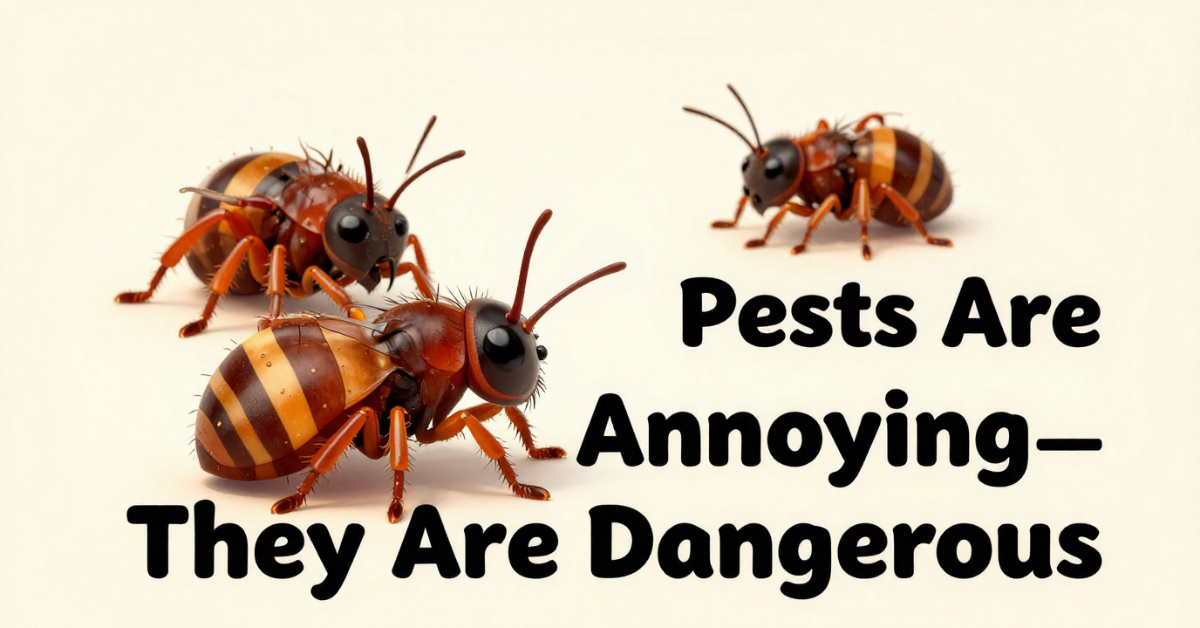
Understanding The Nature of Pests
Pests are organisms that can disrupt human environments, causing not only nuisances but also serious health hazards. They encompass a wide variety of species, primarily insects and rodents, as well as other unwanted critters such as birds and arachnids. Each of these pests has distinct biological characteristics and behaviors that allow them to adapt well to human habitats, ranging from homes to gardens and urban areas.
Insects, which include a multitude of species like ants, cockroaches, and termites, are often drawn to human spaces due to the availability of food, moisture, and shelter. For instance, cockroaches thrive in warm, humid areas and are known to reproduce rapidly under favorable conditions, making infestations particularly difficult to manage. Termites are notorious for their wood-eating habits, which can lead to significant structural damage in homes. Their ability to go unnoticed until a severe problem arises underscores their potential dangers.
Rodents, such as mice and rats, are another common category of pests; they are highly adaptable mammals. Rodents typically seek refuge in homes during colder months, favoring dark and secluded areas for nesting. Their biological reproduction rate is high, which means a few individuals can quickly escalate into a serious infestation. Rodents are not just a nuisance; they can carry diseases and contaminate food sources, which raises public health concerns.
Beyond insects and rodents, other pests like birds and various arachnids can also impact our living spaces. Birds may introduce diseases through their droppings, while spiders can complicate matters through their webs and bites. Understanding the behaviors and habitat preferences of these pests is crucial in developing effective management and prevention strategies.
Health Risks Associated with Pests
Pests are often perceived merely as nuisances, but they pose significant health risks to humans. Various species of pests can transmit a range of diseases, which can lead to severe health complications. One of the most well-known examples is Lyme disease, primarily transmitted by ticks. The presence of these pests in residential areas can elevate the risk of infection, leading to symptoms that may include fatigue, fever, and joint pain, which can linger for years if not treated appropriately.
Rodents, another common household pest, are notorious for spreading Hantavirus, a severe respiratory disease that can be fatal. Contact with rodent droppings, urine, or saliva can lead to the transmission of this virus. The initial symptoms may resemble those of the flu, making it easy to overlook but potentially serious if not promptly addressed.
In addition to infectious diseases, pests can also contribute to allergic reactions and exacerbate pre-existing health conditions such as asthma. Cockroaches, for instance, produce allergens that can induce asthma attacks, especially in children who are particularly vulnerable. These allergens can be found in their droppings, saliva, and body parts, which can contaminate indoor air. Furthermore, the presence of pests can lead to stress and anxiety, affecting overall wellbeing.
Moreover, certain pests, including mosquitoes, can transmit diseases such as West Nile virus and Zika virus, posing additional risks to populations. The public health implications of pest infestations are vast and cannot be ignored, emphasizing the importance of pest control measures for safeguarding health.
Economic Impacts of Pest Infestations
Pest infestations can impose significant economic burdens on homeowners and businesses, affecting various sectors from residential properties to agriculture and hospitality. Homeowners may face substantial costs related to property damage caused by infestations of rodents, termites, or other pests. Structural integrity can be compromised, leading to extensive repairs that accumulate hefty bills. In fact, the presence of pests can reduce property values and even hinder a sale, as potential buyers often perceive infestations as severe liabilities.
Additionally, pest-related illnesses pose a financial risk through increased healthcare expenses. Diseases transmitted by pests such as rodents and insects can result in medical treatment costs for affected individuals. This not only impacts the direct victims but also places a strain on healthcare systems, ultimately leading to higher insurance premiums and greater public health expenditure.
Certain industries are especially susceptible to the economic ramifications of pest problems. Agriculture, for instance, suffers from crop damage due to insects and rodents, leading to substantial losses in yield and quality. Farmers may incur additional costs through the need for pesticides and preventive measures, which can further diminish profit margins. Furthermore, these losses may ripple through local and national economies, affecting food supply and causing price increases.
The hospitality sector is not exempt either; establishments such as hotels and restaurants face severe reputational damage and lost revenue due to pest infestations. Guests who encounter pests during their stay may leave negative reviews or seek refunds, directly impacting business operations. The cumulative effect of these economic consequences highlights the need for proactive pest management strategies to mitigate loss.
Pests encompass a wide range of organisms, including insects, rodents, and weeds, and their environmental impact extends far beyond mere annoyance to human activities. One of the most pressing concerns is how these organisms disrupt ecosystems. For instance, certain pests can outcompete native species for resources, leading to a decline in biodiversity. This competition often results in the extinction of less robust native species, which are vital to maintaining ecosystem balance.
Moreover, pests can significantly harm agriculture, which serves as a primary source of food for human populations. Crop pests, including various insects and nematodes, can lead to substantial agricultural losses. They not only damage crops directly but can also facilitate the spread of diseases that affect plants, further threatening food security. This ripple effect influences economic stability for farmers and communities dependent on agriculture, creating a broader impact on local and global markets.
Additionally, pests play an essential role in the introduction and proliferation of invasive species. They can inadvertently transport invasive organisms to new habitats, where these species often thrive at the expense of native flora and fauna. For example, a pest that travels on a plant might introduce invasive insects that compromise local agriculture and harass native bird populations that prey on them. As invasive species flourish, they impose severe stress on ecosystems, endangering native species and altering habitat structures.
The decline of native species and habitats due to pest infestations can have profound and unsettling consequences on overall biodiversity. With every species lost, the resilience of ecosystems diminishes, leading to more pronounced issues such as soil degradation, diminished water quality, and impaired pollination. The intricate balance of ecosystems is delicate, and pests represent a significant threat to this equilibrium. Understanding and managing the environmental impact of pests is essential for preserving biodiversity and fostering healthy ecosystems.
Effective Pest Control Strategies
Pest control is a critical aspect of maintaining a safe and healthy environment. Effective pest management involves understanding the specific challenges posed by various pests and adopting strategies that address these challenges comprehensively. One of the foremost approaches to pest control is prevention. By identifying and eliminating conditions that allow pests to thrive, such as standing water, clutter, and food sources, homeowners can significantly reduce the likelihood of infestations.
In addition to preventive measures, natural remedies can play a vital role in pest management. For example, essential oils such as peppermint and tea tree oil are known to repel some types of insects. Diatomaceous earth, a non-toxic powder derived from fossilized algae, can effectively halt pests such as ants and cockroaches by dehydrating them upon contact. Utilizing these natural options can help mitigate pest issues while minimizing chemical exposure to residents and pets.
However, when infestations become unmanageable, seeking professional extermination services may be necessary. Pest control specialists employ integrated pest management (IPM) techniques that combine biological, physical, and chemical strategies tailored to the specific types of pests encountered. These experts can conduct thorough inspections and apply targeted treatments that are both safe and effective.
It is important to act promptly at the first signs of a pest problem. Delaying action can lead to more extensive infestations and potentially more damaging consequences. Whether employing DIY methods, utilizing natural solutions, or hiring professionals, proactive and integrated approaches offer the best chance of controlling pest populations effectively. By adopting these strategies, one can maintain a pest-free home and promote a healthier living environment for everyone involved.
The Importance of Awareness and Education
Raising public awareness about pests and their potential hazards is essential in preventing infestations and safeguarding public health. Knowledge is a powerful tool that empowers individuals and communities to recognize the signs and implications of pest activity, which can range from minor annoyances to serious health risks. Educational initiatives that inform the public about various pests—such as rodents, insects, and other wildlife—help foster an understanding of their behaviors and habitats, thereby decreasing the likelihood of encounters and infestations.
Community outreach programs play a pivotal role in enhancing awareness. These programs can involve workshops, informational seminars, and collaboration with local schools to incorporate pest education into their curriculums. By connecting with communities directly, pest management professionals can deliver specialized knowledge tailored to local environmental conditions. This grassroots approach not only informs residents about effective pest control strategies, but also encourages proactive behaviors that mitigate the risks associated with infestations.
Additionally, numerous resources are available to educate the public on pest-related themes. Government health departments, universities, and non-profit organizations frequently publish materials online and hold events focusing on pest prevention. These resources typically include information on identifying common pests, understanding their impact, and reviewing effective control measures. Social media platforms and community bulletin boards can also serve as valuable channels for disseminating such educational content.
Ultimately, an informed public is essential in the fight against pest-related dangers. Education enables individuals to understand the consequences of neglecting pest problems, empowering them to seek solutions promptly. By promoting awareness and providing accessible information, communities can significantly reduce the prevalence of pests and foster a healthier living environment.
Conclusion: Shifting Perspectives on Pests
As we draw our discussion to a close, it is crucial to acknowledge that pests represent more than mere inconveniences; they are potential carriers of significant threats to health and well-being. Many people often view pests such as rodents, insects, and other vermin simply as nuisances due to their often unsettling presence in homes and environments. However, the reality is that these creatures can pose serious risks, including the transmission of diseases, destruction of property, and negative impacts on local ecosystems.
Recognizing the dangers posed by pests encourages individuals and communities to shift their perspectives, fostering a proactive approach to pest management. By embracing a broader understanding of pest-related threats, residents can advocate for effective control measures and integrated pest management strategies that minimize risks. Such measures not only help in alleviating immediate concerns but also play a vital role in preventing future infestations. This proactive stance is fundamentally important given the potential for pests to disrupt both public health and safety.
Moreover, bringing attention to pest awareness within communities can drive collective action. Engaging in educational programs and community discussions can empower individuals to identify pest problems early on and respond accordingly. This communal effort establishes a culture of vigilance and responsibility, further enhancing the effectiveness of pest management efforts. By viewing pests through a lens that recognizes their serious implications, we promote a more informed approach to handling infestations.
In summary, it is imperative to understand and communicate the hidden dangers that pests present. A conscientious commitment to pest awareness, combined with proactive measures, can significantly mitigate the risks associated with these unwelcome intruders and protect our health and environments. Together, let us turn our attention towards fostering a safer, pest-free community.
Address:
264/5, Kamal Soroni Road, Mirpur, Dhaka-1216
Contact
Your Quaries on pest control askings
pestexterminatorbd@gmail.com
+8801642008383 +8801988300003, 01723057746
© 2025. All rights reserved. to Urban Pest Control Pvt. Ltd. this site is powered by Our Own IT Team