
Pests Multiply Faster Than You Think—And You’re Helping Them
2/2/20267 min read
Understanding Pest Population Dynamics
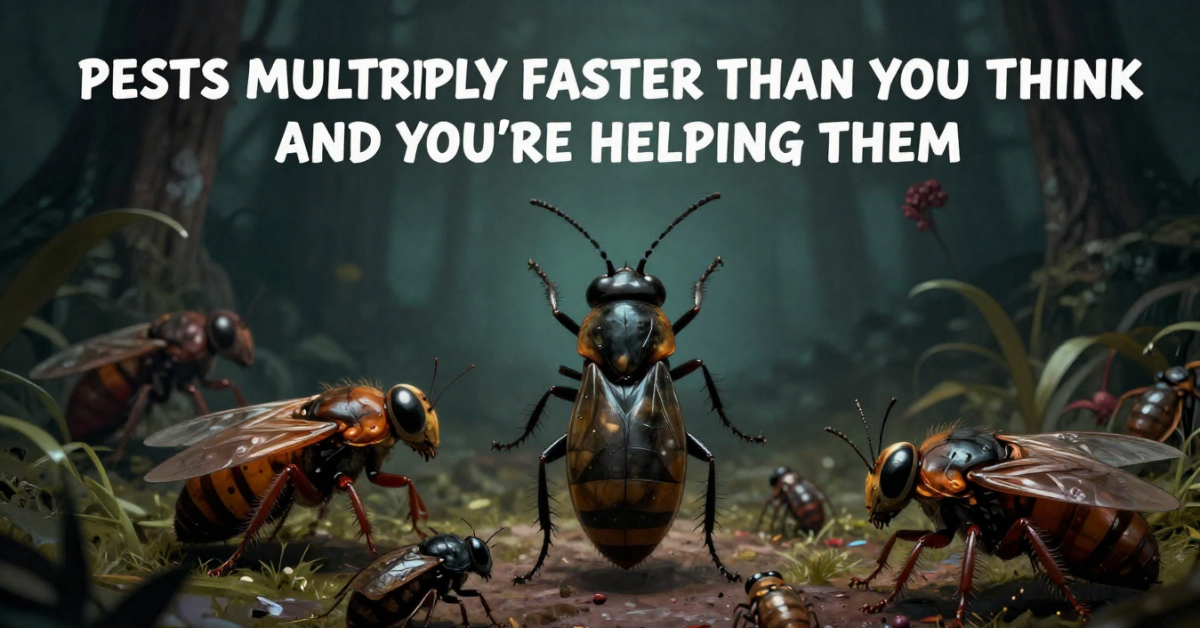
Pests are organisms that can be detrimental to human activities, crop production, and overall ecosystem balance. Their rapid reproduction rates are a critical aspect of their success as pests and understanding these dynamics is essential for effective pest management. To illustrate, consider the common housefly, which can reproduce every 10 days, with each female capable of laying up to 500 eggs during her lifetime. Such exponential growth means that a single housefly can lead to thousands within just a few weeks.
Numerous factors contribute to the swift multiplication of pests. Environmental conditions such as temperature, humidity, and food availability play significant roles. For example, warmer temperatures often accelerate the reproductive cycles of insects, leading to more generations in a shorter time frame. Established pests like fleas or mosquitoes thrive in humid climates, where their eggs can develop rapidly, resulting in burgeoning populations that are difficult to control.
The life cycles of many pests, particularly insects, often involve multiple stages, such as egg, larva, pupa, and adult. This complexity allows for various environmental adaptations. For instance, cockroaches have a life cycle that includes an ootheca, a protective casing for their eggs, enabling them to survive in inhospitable conditions until favorable circumstances arise for hatching. Some pests even employ unique reproductive strategies such as parthenogenesis, where females can reproduce without males, further contributing to their rapid proliferation.
Moreover, the urbanization and agricultural practices have unwittingly facilitated pest population growth. Monoculture farming, for instance, produces a consistent food source for pests, creating ideal conditions for them to flourish. Similarly, poorly managed waste and standing water in urban areas provide breeding grounds for mosquitoes and other pests, exacerbating population increases.
Common Misconceptions About Pests
Pests are often deemed to be seasonal nuisances, leading many individuals to believe they only need to be vigilant during specific times of the year. This notion is not only misleading but can significantly impact effective pest management strategies. In reality, many pests, including ants, cockroaches, and rodents, can thrive in diverse environments and can reproduce year-round. What may start as a small infestation in the summer can escalate into a severe problem if left unaddressed. Believing that pests are only a problem during warmer months can lead to complacency, allowing populations to increase unchecked.
Another prevalent misconception is that pest problems can be resolved without the need for professional intervention. Many individuals attempt to tackle infestations using over-the-counter solutions or homemade remedies, which often only provide temporary relief. This approach can inadvertently contribute to the proliferation of pests, as improper application of treatments may lead to resistant pest strains. Moreover, without a thorough understanding of pest behavior and biology, DIY efforts may miss key sources of infestations, prolonging the issue.
The belief that pests are manageable without professional help is particularly dangerous. Many pests are not only irritating but can carry diseases, contaminate food, and cause damage to properties. Consequently, addressing pest issues effectively requires a comprehensive understanding and a tailored approach, often necessitating the expertise of pest control professionals. Using unqualified methods can result in financial losses and health risks that might have been avoided with proper pest control solutions.
By debunking these misconceptions, individuals and communities can develop a more realistic perception of pest behaviors. Recognizing that pests persist beyond seasons and that professional help is crucial can enhance pest control efforts and result in healthier living environments.
How Human Behavior Contributes to Pest Growth
The interaction between human behavior and pest proliferation is often overlooked, yet it plays a critical role in supporting pest populations. One primary contributor to this issue is poor waste management. Improper disposal of waste leads to the accumulation of food scraps and organic matter, which attract various pests such as rodents, cockroaches, and flies. Landfills, overflowing bins, and unsealed trash containers provide ideal breeding grounds, enabling these pests to thrive in urban environments.
Inadequate food storage is another significant factor that unwittingly assists in the growth of pest populations. Many households fail to utilize airtight containers for storing food, allowing easy access for pests that seek out grains, sugars, and leftovers. This negligence not only supports existing infestations but can also catalyze new ones, as pests are proficient at finding any food source available to them.
Moreover, it is essential to recognize how lifestyle choices can create habitats conducive to pest reproduction. Overgrown gardens, cluttered basements, and standing water from poor drainage contribute to environments where pests can easily nest and thrive. By providing shelter and a steady food source, human activity inadvertently fuels pest growth.
Ultimately, it is evident that human behaviors, such as neglecting proper waste management practices, inadequate food storage methods, and creating appropriate habitats for pests, significantly impact pest control efforts. Addressing these human-induced factors is crucial in a comprehensive approach to managing pest populations effectively. By being aware of the ways in which our actions can support pest growth, we gain the ability to implement strategies that can mitigate these challenges and enhance our overall living environment.
The Role of Climate Change in Pest Proliferation
Climate change significantly impacts pest behavior and population dynamics, facilitating conditions that favor the proliferation of various pest species. One of the most profound changes is the increase in global temperatures, which creates favorable environments for many pests that were previously restricted by colder climates. For instance, the life cycle of insects such as the pine beetle has accelerated due to warmer temperatures, enabling them to reproduce multiple times within a single year. This phenomenon has led to widespread damage to forests across North America, as these pests decimate trees that are unable to cope with their increased population density.
In addition to rising temperatures, changing precipitation patterns also contribute to pest outbreaks. Increased rainfall and humidity can create optimal breeding conditions for pests like mosquitoes and aphids. For example, regions experiencing unusually heavy rainfall may see a spike in mosquito populations, which not only affects local ecosystems but also raises public health concerns due to the transmission of various diseases. The interconnection between weather patterns and pest behavior highlights the complex ways in which climate change is influencing pest dynamics.
Furthermore, climate change leads to alterations in the geographic distribution of pests. Warmer climates allow pests to migrate northward into previously uninvaded territories, threatening local agriculture and natural ecosystems. This expansion risk creates additional challenges for pest management strategies, as new species and populations emerge in areas that may not have the infrastructure or resources to combat them effectively.
In essence, the implications of climate change on pest life cycles are multifaceted, presenting serious challenges for agriculture, public health, and environmental conservation. Understanding these dynamics is crucial for developing effective pest management strategies that can adapt to a rapidly changing climate.
Impact of Pests on Health and Ecosystems
Pests significantly affect both human health and the integrity of ecosystems. One of the primary concerns regarding pest infestations is their role as vectors for various diseases. For example, mosquitoes are known carriers of dengue fever and West Nile virus, while rodents can transmit hantavirus and leptospirosis. These pest-related health risks can lead to severe medical implications, requiring public health interventions that strain healthcare resources.
In addition to health impacts, pests pose a substantial threat to agriculture, leading to crop destruction and significant economic losses. For many farmers, pests such as aphids, locusts, and caterpillars can decimate entire harvests, jeopardizing food security and the livelihoods of those dependent on agriculture. The direct consequences manifest not only in decreased yields but also in increased costs associated with pest control measures, which can deter sustainable agricultural practices.
Moreover, pests disrupt local ecosystems by altering the balance between species, engaging in competitive interactions with native organisms. For example, invasive species can outcompete native flora and fauna, leading to declines in biodiversity. This alteration often results in cascading effects throughout the food web, as predator-prey relationships become imbalanced. As pest populations grow unchecked, they can fundamentally shift the dynamics of ecological interactions, ultimately affecting wider environmental health.
It is vital to recognize the interconnectedness of pest populations with our ecosystems and health systems. Addressing pest infestations requires a comprehensive approach that considers not only the immediate consequences of their presence but also the long-term impacts on human health and environmental stability. Such an understanding is essential for developing effective pest management strategies that mitigate their adverse effects while promoting resilience within affected communities and ecosystems.
Preventive Measures and Best Practices
Preventing pest infestations requires a multifaceted approach that encompasses effective sanitation practices, pest-proofing strategies, and the implementation of regular inspections. By adhering to these best practices, both individuals and businesses can significantly reduce the likelihood of pests multiplying within their environments.
First and foremost, maintaining proper sanitation is crucial. Cleanliness plays a vital role in deterring pests, as it removes potential food sources and nesting sites. Regularly disposing of garbage, cleaning spills promptly, and ensuring that kitchen surfaces are sanitized can hinder pest attraction. Additionally, food should be stored in airtight containers to minimize accessibility for pests.
Pest-proofing spaces is another imperative step in creating a pest-resistant environment. This involves sealing cracks and crevices, repairing damaged screens, and ensuring that doors and windows are fitted with tight seals. By blocking entry points, the likelihood of pests infiltrating a space is greatly diminished. Landscaping should also be tended to, with a focus on trimming vegetation away from buildings to eliminate pest pathways.
Regular inspections are equally important. Routine checks of homes and businesses can identify potential pest issues before they escalate. This can include monitoring for signs of rodents, insects, or other unwanted guests. By implementing self-assessments or engaging pest control professionals for inspections, property owners can address concerns promptly, fostering a proactive rather than reactive approach to pest management.
Adopting sustainable practices should be a priority as well. Utilizing eco-friendly solutions for pest deterrence, such as natural repellents and traps, can minimize dependence on chemical pesticides. Sustainable methods not only safeguard the environment but also promote the health and safety of occupants.
When to Seek Professional Help
Pest control is a crucial aspect of maintaining a safe and healthy living environment. Recognizing the signs that indicate the need for professional pest control services is essential for preventing infestations from escalating. Common indicators include seeing droppings, unusual damage to furniture or structure, and the presence of nests or dead insects. If your home is experiencing persistent pest activity despite using DIY methods, this could signify a more serious underlying issue.
While many homeowners attempt to address pest problems on their own, the benefits of hiring professional pest control services cannot be overstated. Trained technicians possess specialized knowledge and tools that allow them to identify pest types and nesting habits effectively. They can develop a targeted treatment plan, ensuring that the methods used are not only more effective but also safer for your family and pets. Unlike DIY approaches, which risk incomplete treatments, professionals can provide a comprehensive solution to eliminate the pests and prevent future occurrences.
Timely action in seeking help is vital to managing pest populations effectively. Delaying treatment can result in a situation where pests have the opportunity to breed rapidly, compounding the issue and potentially leading to more extensive damage to your property. Pest control experts will assess the severity of the infestation and may offer preventive strategies to safeguard against re-infestation. Understanding what to expect when hiring these professionals can also ease concerns. Typically, the process begins with an inspection to assess the pest situation, followed by treatment that may include spraying, trapping, or sealing entry points, and concluding with recommendations for maintenance.
In summary, recognizing the signs of a pest problem and weighing the benefits of professional intervention are key aspects of effective pest management. Acting promptly and relying on experienced services can save both time and resources in the long run.
Address:
264/5, Kamal Soroni Road, Mirpur, Dhaka-1216
Contact
Your Quaries on pest control askings
pestexterminatorbd@gmail.com
+8801642008383 +8801988300003, 01723057746
© 2025. All rights reserved. to Urban Pest Control Pvt. Ltd. this site is powered by Our Own IT Team