
Prevent Rodent Problems in Dhaka Offices and Apartments
2/13/20267 min read

Understanding the Problem: Common Entry Points for Pests
Identifying how pests infiltrate residential spaces is crucial for effective pest management. Various factors contribute to these unwelcome invasions, and understanding their entry points is the first step in preventive measures. Cracks in walls are a significant pathway for pests such as ants, cockroaches, and rodents. These small openings can provide sufficient access for pests, often unnoticed by homeowners. Therefore, regular inspection for any visible cracks or gaps is necessary to curb these entry points.
Moreover, gaps around doors and windows often serve as access routes for insects and small animals. Weather stripping, screen installation, and proper sealing techniques can be employed to minimize these vulnerabilities. It is essential to ensure that frames are tightly sealed, as this impedes pests from entering homes easily. Attention should also be given to the condition of door sweeps and window screens, as deterioration over time can create further entry points.
Additionally, openings in roofs and foundations pose significant risk factors for pest invasions. These entry points can be more challenging to identify, often requiring a thorough examination by homeowners or professionals. Roof vents and gaps in chimney structures can also serve as conduits for rodents or birds entering the home. Regular maintenance and inspections of roofing structures can safeguard against these potential breaches.
Weather conditions play a pivotal role in the likelihood of pest invasions. For instance, the rainy season often increases moisture levels, attracting pests that thrive in humid environments. Following heavy rainfall, pests may seek refuge indoors, leveraging any accessible entry points. Homeowners should remain vigilant during these times and ensure that their homes are adequately sealed against the influx of pests.
Sealing Your Home: Best Practices for Pest Prevention
To maintain a pest-free environment, it is crucial to effectively seal your home against unwanted intruders. This process involves identifying and addressing potential entry points that pests may exploit. A thorough inspection of your home should be conducted regularly, especially before the rainy season when many pests seek shelter indoors.
Start by examining the exterior of your home for cracks in the foundation, walls, and openings around utility lines. Use a high-quality outdoor caulk to seal these gaps, ensuring that the material can withstand varying weather conditions. In areas where larger gaps are prevalent, expanding foam insulation can provide a more robust barrier against pests.
Doors and windows are common entry points for insects and rodents. Installing door sweeps at the bottom of exterior doors is an effective strategy to block gaps. These should be fitted snugly while allowing the door to still open and close smoothly. For windows, check that they close tightly and replace any damaged screens to prevent pests from slipping through. Additionally, consider using window caulking to seal edges and prevent leaks.
Regular maintenance of your sealing efforts is essential, as materials can wear down over time. Schedule annual inspections to assess the condition of your seals and address any wear promptly. Pay particular attention to high moisture areas such as basements and crawl spaces, as these are more susceptible to pest infestations.
In conclusion, sealing your home effectively involves using quality materials and regular maintenance checks to prevent pest infiltration. By being proactive in sealing vulnerabilities, homeowners can significantly reduce the risk of pest problems and maintain a healthier living environment.
The Importance of Proper Food Storage to Deter Pests
Proper food storage is a crucial aspect of home pest management, as it significantly reduces the risk of attracting pests such as rodents, ants, and various insects. By implementing effective food storage practices, homeowners can create a less hospitable environment for these unwelcome guests.
One of the most effective strategies for preventing pests from accessing food is to use airtight containers. Glass, plastic, or metal containers with secure lids not only help in keeping food fresh but also deter pests from reaching the contents. It is essential to store dry goods such as cereals, grains, and snacks in these containers immediately after opening the original packaging. Additionally, labeling food items can facilitate organized storage, making it easier to keep track of what you have and (most importantly) when items need to be used or discarded.
Another key component of pest management is maintaining cleanliness in food storage areas. Regularly cleaning pantry shelves, spaces beneath sinks, and other storage locations is vital. This includes promptly cleaning up any spills or crumbs that may attract pests. By scheduling routine cleaning and organizing your food storage areas, you can minimize the risk of infestations.
Seasonal considerations also play a significant role in prudent food storage. For example, during the dry season, food items should be kept in cool, dry places, whereas in the rainy season, humidity may require increased vigilance. Sealing gaps and ensuring containers are moisture-proof can further protect items against pests that thrive in humid conditions. Understanding these aspects of food storage is integral to sustaining a pest-free home.
Waste Management Strategies: Keeping Pests at Bay
Effective waste management is a critical component in the fight against pests in residential settings. Proper disposal of waste not only maintains cleanliness but also diminishes environments conducive to pest infestations. One of the fundamental strategies involves utilizing garbage bins equipped with tight-fitting lids. These lids serve to prevent easy access for pests, such as rodents and insects, that are often attracted to food scraps and organic waste.
Regular garbage collection is another essential practice. Homeowners should aim to ensure that waste is collected frequently, thereby minimizing the duration that garbage remains accessible. Inconsistently managed waste areas can quickly become breeding grounds for pests, leading to infestations that require more extensive control measures. Establishing a schedule for regular garbage collection can significantly reduce these risks, providing fewer opportunities for pests to thrive.
Composting is a sustainable method; however, it requires careful management to prevent it from attracting pests. Guidelines for effective composting include keeping compost bins sealed securely and monitoring moisture levels. Rainy weather can exacerbate waste-related pest issues by creating excess moisture in compost bins and trash receptacles, which attracts pests. Homeowners should consider placing bins in sheltered areas to mitigate this risk during periods of heavy rainfall.
In addition to these strategies, maintaining a tidy landscape around the home further supports pest prevention efforts. Regularly clearing food debris and organic waste from outdoor spaces can also deter pests from making their way indoors. By implementing vigilant waste management practices, homeowners can effectively minimize the likelihood of pest infestations, contributing to a cleaner and healthier living environment.
Utilizing Traps: Types and Techniques for Effective Pest Control
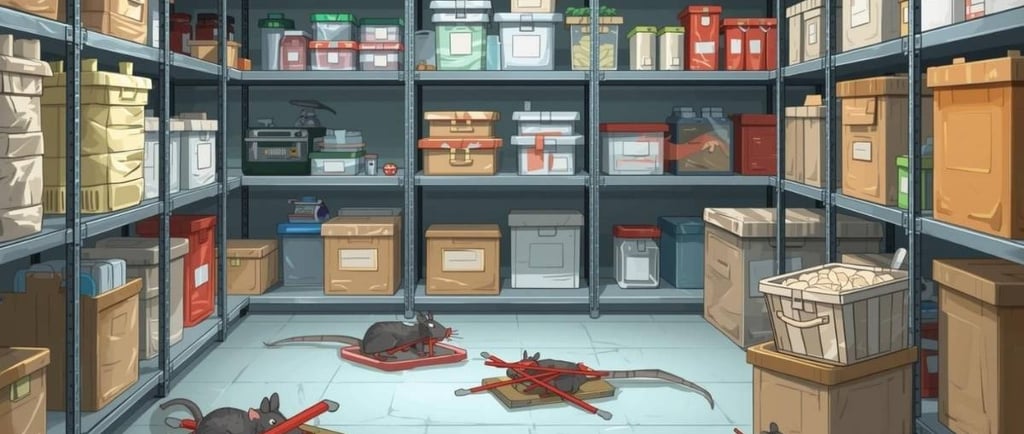
Effective pest control is essential for maintaining a healthy and comfortable living environment. One crucial method involves the use of traps, which can be classified into various types depending on the targeted pest species. Traditional snap traps are commonly used for rodents, offering a quick solution by physically eliminating the pest. These traps, while effective, often raise concerns regarding humaneness. As a result, more humane trap options such as catch-and-release traps are increasingly popular, particularly among individuals who wish to avoid lethal methods.
When selecting the right trap for specific pests, it is important to consider the behavior and biology of the target species. For example, baited traps can effectively attract mice, while sticky traps may be more suitable for insects. Positioning plays a crucial role in trap efficacy. Traps should be placed along known pathways of pest activity, such as walls and corners, ensuring they are easily accessible for the targeted pests. Additionally, maintaining cleanliness around the trap area helps to maximize effectiveness by reducing alternative food sources.
Seasonal considerations significantly influence pest behavior and, consequently, the trapping strategy. During the rainy season, pests such as rodents may seek shelter indoors, making it essential to deploy traps promptly. In contrast, during dry seasons, insects might be more active in search of moisture, necessitating the use of traps tailored to those specific pests. Understanding these seasonal dynamics allows homeowners to adapt their pest management strategies efficiently. Ultimately, combining various trapping techniques while adhering to ethical considerations can lead to a comprehensive and effective pest control plan.
Seasonal Spikes in Pest Activity: Strategies to Adapt
Pest activity in and around the home often fluctuates with the seasons, significantly affecting the types and volumes of pests encountered. During the rainy months, for example, pests such as mosquitoes, ants, and termites tend to thrive due to the increased moisture levels and available breeding grounds. The moisture not only provides hydration but also promotes the growth of mold and decaying materials, further attracting these insects.
To effectively manage pest control during the rainy season, homeowners should focus on reducing standing water and moisture levels in and around their properties. This can be achieved by ensuring proper drainage systems are in place, cleaning gutters regularly, and fixing any leaks in plumbing or roofing. Additionally, sealing cracks and crevices around windows and doors will prevent ants and other pests from entering the home in search of food and shelter.
Conversely, during dry seasons, pests like spiders, cockroaches, and rodents may become more prevalent as they seek water sources. Homeowners should prioritize regular cleaning to eliminate food residues and clutter that encourage pest infestations. Vacuuming frequently and storing food in airtight containers can significantly reduce food accessibility for these creatures. Implementing traps designed for specific pests can also be useful in monitoring and controlling their numbers.
Ultimately, understanding the seasonal patterns of pest activity allows homeowners to tailor their pest control strategies appropriately. By remaining vigilant and proactive during both wet and dry seasons, it is possible to significantly reduce pest populations and minimize their impact on the home. Adapting pest management techniques based on seasonal fluctuations can lead to a healthier, pest-free living environment year-round.
Regular Maintenance: Staying Ahead of Pest Problems
Maintaining a pest-free environment in your home requires consistent efforts and regular maintenance. A proactive approach ensures that potential pest problems are addressed before they escalate into infestations. Regular inspections and thorough attention to details can help identify areas at risk, allowing homeowners to take necessary preventative measures. Understanding the seasonal patterns of pests further aids in effective management.
Implementing a routine check of potential entry points, such as cracks in walls, gaps around windows, and holes in screens can significantly reduce the likelihood of pests invading your space. Seal any openings with appropriate materials to fortify your home against intrusions. This vigilance should extend beyond interior checks to include the exterior of your dwelling, where outdoor pests can rapidly find their way inside.
In conjunction with sealing gaps, proper storage of food and waste is crucial. Store food in airtight containers to deter rodents and insects, and promptly dispose of any waste. Regular cleaning, especially in kitchens and dining areas, eliminates food sources that attract pests. Taking these preventive measures demonstrates a commitment to ongoing pest management, helping to create a less inviting atmosphere for unwanted invaders.
Seasonal check-ups are equally essential. Different pests thrive during different times of the year; thus, a tailored approach to maintenance can be the difference between a pest-free home and an unexpected infestation. Schedule inspections in line with seasonal changes, ensuring that preventive measures are regularly assessed and updated. This strategic maintenance not only addresses immediate concerns but also cultivates long-term pest management success.
Address:
264/5, Kamal Soroni Road, Mirpur, Dhaka-1216
Contact
Your Quaries on pest control askings
pestexterminatorbd@gmail.com
+8801642008383 +8801988300003, 01723057746
© 2025. All rights reserved. to Urban Pest Control Pvt. Ltd. this site is powered by Our Own IT Team