
Professional Disinfection Service in Bangladesh – 99.9% Germ-Free Protection for Homes & Offices (2026 Guide)
2/28/20267 min read
Introduction to Professional Disinfection Services
In recent years, the significance of professional disinfection services has gained heightened attention, particularly due to various health crises. As infectious diseases pose a threat to public health, the need for rigorous sanitation practices has become paramount. Professional disinfection services are designed to mitigate these risks by employing specialized techniques and products that ensure thorough cleaning and sanitization across a range of environments.
These services are essential across multiple settings, including residential properties, corporate offices, healthcare facilities, educational institutions, and dining establishments. Each environment presents unique challenges and requires tailored disinfection protocols. For instance, in hospitals, where the prevalence of pathogens is high, comprehensive disinfection strategies are critical to protect patients, staff, and visitors. Similarly, schools and nurseries must maintain a healthy environment for children, making regular disinfection a necessity.
As a response to increasing awareness of health and safety, particularly in Bangladesh, the demand for disinfection services has surged. This rise can be attributed to heightened public consciousness regarding hygiene and the need to prevent the spread of illnesses. Consequently, many service providers have emerged, offering varied solutions ranging from routine cleaning to comprehensive pathogen elimination.
Employing trained professionals equipped with the appropriate techniques and materials, these services not only improve cleanliness but also instill confidence among the public that their environments are safeguarded against harmful microorganisms. As Bangladesh continues to advance its health and safety measures, professional disinfection services play an indispensable role in promoting well-being within communities.
Understanding Different Disinfection Methods
Disinfection is a crucial process in maintaining hygiene and preventing the spread of infectious diseases. In Bangladesh, several disinfection methods are employed, each offering unique advantages depending on the environment and the level of contamination. Here, we will explore three prominent disinfection methods: ULV (Ultra Low Volume) fogging, electrostatic spraying, and surface wipe-down.
ULV fogging is an efficient technique used for large spaces, where a fine mist of disinfectant is dispersed into the air. This method effectively covers surfaces and can penetrate hard-to-reach areas, making it ideal for open environments such as schools and large offices. The particles created during this process are small enough to remain airborne for extended periods, allowing the disinfectant to settle and effectively sanitise surfaces. ULV fogging is particularly beneficial for rapid disinfection in high-traffic areas, where quick turnaround is essential.
Electrostatic spraying, on the other hand, utilizes specially charged droplets of disinfectant to enhance surface coverage. In this method, the electrostatic charge ensures that the droplets attract to surfaces, including vertical and uneven areas, providing a uniform coat. This technique is especially effective for disinfection in settings like hospitals, where thorough coverage and contact with surface pathogens are crucial. The ability to significantly reduce the amount of cleaning solution needed makes this method also cost-effective.
Lastly, the surface wipe-down process typically involves using disinfectant wipes or cloths to physically clean and disinfect surfaces. This method plays a vital role in areas with visible contamination or for objects frequently touched, such as doorknobs and light switches. It requires a manual effort but ensures that surfaces are not only disinfected but also free from dirt and grime. Surface wipe-down is often employed in personal spaces like homes and offices.
Each of these disinfection methods holds its ground in various scenarios. Depending on the specific needs and the type of environment, understanding their effectiveness and best use cases can facilitate safer practices across homes, offices, hospitals, schools, and restaurants.
Hospital-Grade Chemicals and Their Importance
Hospital-grade chemicals are specialized disinfectants designed to effectively eliminate pathogens, including bacteria, viruses, and fungi, commonly found in healthcare settings. These chemicals are more potent and rigorously tested compared to standard cleaning agents. Their primary purpose is to ensure that environments such as hospitals remain safe and hygienic, particularly in areas where vulnerable patients may be present.
Among the types of hospital-grade chemicals, one can find quaternary ammonium compounds, chlorine dioxide, hydrogen peroxide, and phenolic compounds. Each of these agents has distinct properties enabling them to target specific pathogens; for example, hydrogen peroxide is known for its ability to breakdown cell walls, effectively leading to microbial death. Additionally, quaternary ammonium compounds stand out for their residual effectiveness, leaving behind a protective barrier that continues to inhibit microbial growth after application.
The importance of utilizing these hospital-grade chemicals cannot be overstated. Effective disinfection is essential in preventing healthcare-associated infections (HAIs), which can arise due to inadequate cleaning protocols. By maintaining high health standards through the use of these powerful chemical agents, hospitals can significantly reduce the risk of HAIs, safeguarding patient health and improving overall patient care outcomes.
While these chemicals are highly effective, it is crucial that proper safety measures are followed during their handling and application. Staff must be trained to understand appropriate usage levels, application techniques, and the proper personal protective equipment (PPE) to use. By adhering to these safety protocols, the risk of chemical exposure can be minimized, ensuring a safe environment for both healthcare workers and patients alike.
Safety Compliance in the Disinfection Process
Ensuring safety compliance in the disinfection process is crucial for both the professionals involved and the public they serve. Professional disinfection services in Bangladesh follow stringent regulations and guidelines that are designed to protect health and safety during disinfection procedures. Key regulations that govern these services include the Environmental Protection Rules and the guidelines set forth by the Occupational Safety and Health Administration (OSHA). These regulations mandate the use of approved disinfectants and equipment to ensure effective and safe disinfection practices.
The disinfection services must adhere to industry standards, often guided by certifications from recognized bodies. For instance, complying with ISO 9001 standards ensures that the disinfection processes are continuously monitored and refined for safety and effectiveness. Additionally, the Health and Safety Executive (HSE) guidelines provide essential information on safe practices that help to mitigate risks during the disinfection process. Following these guidelines not only enhances the safety of the workers but also protects the occupants of the spaces being disinfected.
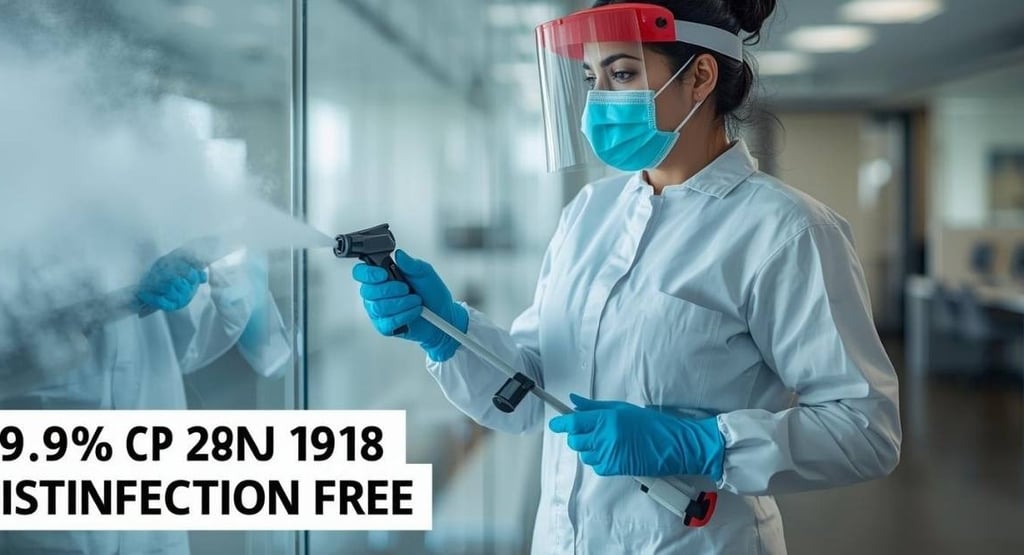
Protective gear plays an integral role in ensuring the safety of workers involved in the disinfection process. This includes the use of personal protective equipment (PPE) such as gloves, masks, face shields, and gowns which safeguard against exposure to harmful chemicals used in disinfection. Training and education on the proper use of this equipment are essential to minimize any potential hazards. Professionals are instructed to follow a specific protocol that covers the personal precautionary measures to take before, during, and after the disinfection process.
In conclusion, maintaining safety compliance during disinfection is vital for the well-being of both workers and the public. By adhering to established regulations, obtaining necessary certifications, and employing appropriate protective gear, professional disinfection services can effectively mitigate risks associated with their operations.
Service Pricing and Coverage Areas
In Bangladesh, professional disinfection services have become essential for maintaining hygiene and safety in various environments, including homes, offices, hospitals, schools, and restaurants. The pricing for these services can vary based on several factors, including the type of facility, the area to be sanitized, and specific service requirements. Below is a general pricing table to illustrate average costs associated with different sanitization services across various sectors:
| Service Type | Average Cost (BDT) |
|---|---|
| Residential Disinfection | 2,500 - 5,000 |
| Office Sanitization | 5,000 - 10,000 |
| Hospital Infection Control | 10,000 - 20,000 |
| School Disinfection | 3,000 - 7,000 |
| Restaurant Sanitation | 5,000 - 12,000 |
The variations in pricing reflect the scale and complexity of the disinfection services. For example, hospitals require more comprehensive and frequent sanitization measures due to higher health risks, which contributes to elevated costs. Conversely, residential disinfection can be less expensive, as it usually involves smaller areas and fewer specialized materials.
When considering geographical coverage, major cities such as Dhaka, Gazipur, Narayanganj, and Chattogram are among the primary markets for disinfection services. Many providers extend their operations to these areas, ensuring accessibility for both residential and commercial clients. As awareness regarding health and safety increases, the demand for professional disinfection services is likely to grow, calling for transparent pricing and efficient coverage solutions that cater to various needs.
Frequently Asked Questions (FAQ) about Disinfection Services
When considering professional disinfection services, many individuals and businesses have questions regarding the effectiveness, safety, and frequency of these essential services. Below are some commonly asked questions that can help clarify and inform your decision-making process.
1. How often should disinfection services be conducted?
The frequency of disinfection services depends on factors such as the type of environment and the level of foot traffic. For high-traffic areas like offices, schools, and restaurants, it is recommended to conduct disinfection services weekly or bi-weekly. In contrast, homes may require less frequent service, perhaps monthly or quarterly, especially if there are no health concerns.
2. Are disinfection services effective against viruses and bacteria?
Yes, professional disinfection services utilize EPA-approved chemicals and methods that are scientifically proven to eliminate a wide range of pathogens, including viruses and bacteria. The effectiveness of these services can vary based on the products used and the thoroughness of the application.
3. Are disinfection services safe for my family and pets?
Most professional disinfection services prioritize safety by using low-toxicity, environmentally friendly products. Reputable service providers will inform you of the products used and any precautions to take post-service, allowing you to maintain a safe home environment.
4. What is the difference between basic cleaning and professional disinfection?
Basic cleaning generally involves removing dirt and grime, while professional disinfection goes a step further by eliminating harmful microorganisms. Disinfection focuses specifically on high-touch areas to reduce the risk of illness transmission.
5. How can I choose the best disinfection service provider?
Evaluate potential providers based on their experience, reviews from previous clients, certifications, and the types of disinfection products they use. Requesting a consultation can also help assess their knowledge and approach to safety and effectiveness in disinfection services.
Emergency Services and Call to Action
The need for professional disinfection services has become increasingly apparent, particularly in times of health crises, such as the recent pandemic. Understanding the urgency for effective disinfection, many companies now offer emergency response services. These services are designed to provide immediate assistance in the event of a suspected outbreak or contamination in any environment, including homes, offices, hospitals, schools, and restaurants.
Timely disinfection is essential. In situations where there is a potential risk of exposure to harmful pathogens, delaying action can lead to the spread of illness and endanger the health and safety of individuals and communities. Emergency disinfection teams are equipped with the expertise and tools necessary to swiftly and effectively sanitize affected areas, ensuring that any harmful organisms are eradicated.
In Bangladesh, several reputable disinfection service providers are available around the clock, ready to assist during critical situations. If you find yourself in need of immediate disinfection, it is crucial to reach out to a professional service without delay. For urgent assistance, please contact our hotline at [insert hotline number here]. Our trained professionals are dedicated to ensuring a clean and safe environment for you and your loved ones.
Taking proactive measures in ensuring your surroundings remain hygienic is vital. Disinfection not only protects against threats by eliminating contaminants but also instills a sense of security among occupants. Whether facing the aftermath of a confirmed case or taking precautionary steps to prevent possible contamination, reaching out for professional disinfection services is a responsible action. Don't hesitate — ensure a safe space for your family, employees, or clients by contacting our team today.
Address:
264/5, Kamal Soroni Road, Mirpur, Dhaka-1216
Contact
Your Quaries on pest control askings
pestexterminatorbd@gmail.com
+8801642008383 +8801988300003, 01723057746
© 2025. All rights reserved. to Urban Pest Control Pvt. Ltd. this site is powered by Our Own IT Team