
Professional Pest Control vs DIY Pest Control: Which is the Best Option for Homeowners?
Professional Pest Control vs DIY Pest Control: Which is the Best Option for Homeowners?
1/29/20269 min read
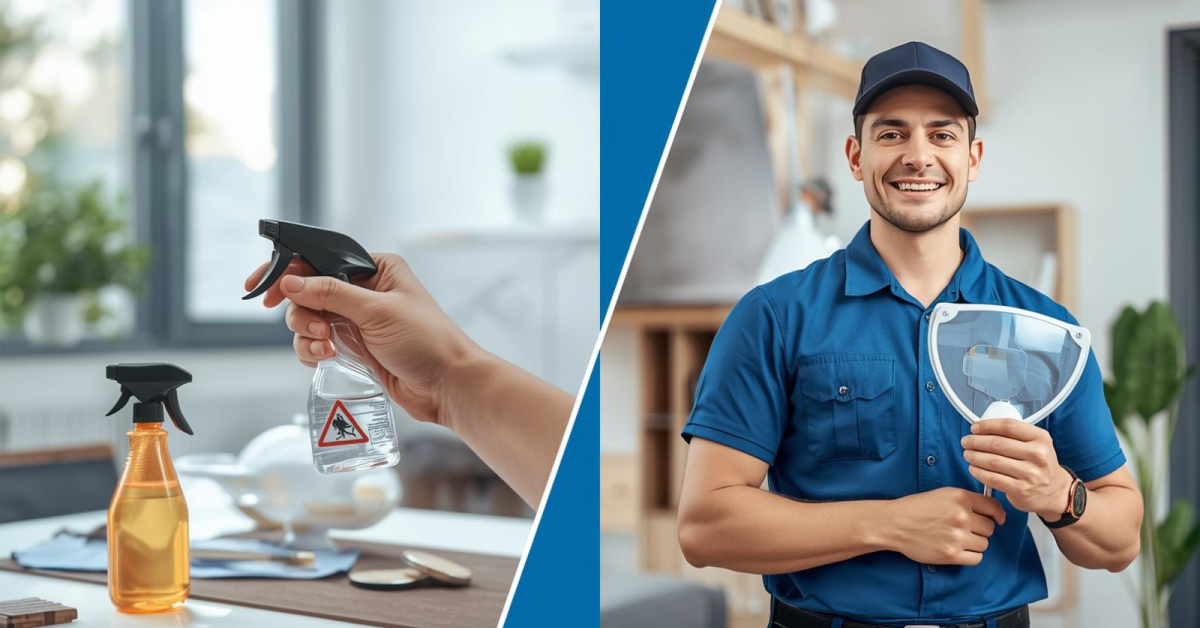
The Pest Control Dilemma
Pests are a common nuisance faced by homeowners across various regions, including the USA, UK, Canada, Australia, and the Middle East. The presence of pests such as rodents, insects, and termites not only disrupts daily life but can also pose significant health risks and damage to property. Faced with this pervasive issue, homeowners often find themselves caught in a dilemma: should they opt for professional pest control services or tackle the problem with DIY pest control methods?
Making an informed decision regarding pest control is crucial. One of the primary considerations is cost. Professional pest control could incur higher upfront expenses, with services tailored to provide comprehensive treatments. On the other hand, DIY methods may seem more economical, yet can lead to recurring pest problems if not executed effectively. This brings forth another important aspect: the effectiveness of the chosen method. While professionals possess the expertise, experience, and tools required for effective pest elimination, homeowners using DIY strategies often rely on over-the-counter products, which might not be as potent.
Safety is another fundamental factor to weigh in when choosing between professional services and DIY approaches. Pest control treatments can involve hazardous materials, posing potential risks to household members and pets. Hence, the training and knowledge that professionals possess can be invaluable in ensuring the safe application of these solutions. Additionally, long-term protection is paramount in pest control. Professionals often provide warranties or follow-up services, ensuring pests do not return, whereas DIY methods may lack such guarantees.
Lastly, it's crucial to acknowledge the potential hidden risks associated with inadequate pest control efforts. An improper approach can exacerbate pest issues and lead to further infestation. Therefore, homeowners must assess these elements carefully to make an effective decision, prioritizing safety, efficiency, and long-term benefits in their pest control strategy.
Understanding Pest Control Methods
Pest control is essential for maintaining a healthy and safe living environment, particularly for homeowners who may encounter various pests ranging from insects to rodents. Two primary approaches to pest management exist: professional pest control services and do-it-yourself (DIY) pest control methods. Each approach has its unique advantages and considerations, making it crucial for homeowners to understand the differences.
Professional pest control typically involves trained exterminators who possess the qualifications and expertise to manage pest infestations effectively. These services often include comprehensive inspections, targeted treatments, and preventive strategies tailored to the specific pest problem at hand. Professional pest control operators (PCOs) are usually licensed, having undergone rigorous training and certification processes. Some common services provided by professionals include fumigation, baiting systems, and long-term monitoring plans, ensuring efficient eradication of pests while minimizing health risks to residents.
On the other hand, DIY pest control methods provide homeowners with immediate measures to tackle pest problems on their own. These methods can range from natural remedies, such as diatomaceous earth or essential oils, to commercial over-the-counter products like insect sprays and traps. While these options may be less expensive and more accessible, they often require a thorough understanding of the pest species and effective application techniques to ensure safety and efficacy. Homeowners may find that some DIY solutions only provide temporary relief rather than complete eradication, leading to potential recurring infestations.
Ultimately, the choice between professional pest control services and DIY methods depends on the severity of the infestation, the pest species involved, and the homeowner's comfort level with tackling pest problems independently. Understanding both methods allows homeowners to make informed decisions about pest management that best suit their needs.
Cost Comparison of Pest Control Options
When it comes to managing pest infestations, homeowners often weigh the costs associated with professional pest control services against the DIY approaches. Understanding the financial implications of each option is essential for making an informed decision.
Professional pest control typically involves the hiring of licensed exterminators, with costs that can range from $100 to $500 per visit, depending on the severity of the infestation, the size of the home, and the specific pest being targeted. Most services include a thorough inspection and follow-up visits, which can provide an extensive solution aimed at eradicating pests effectively. While the upfront cost may be higher, the benefits include expertise, guaranteed results, and reduced risk of spreading the infestation.
In contrast, DIY pest control methods may seem cost-effective at first glance, particularly with the availability of consumer pest control products that can be purchased at local stores or online. An average homeowner might spend between $30 and $150 on these products, which could include traps, sprays, baits, and exclusion devices. However, the potential for hidden costs can significantly alter this perception. Homeowners need to consider recurring purchases for multiple treatments, especially if the initial attempt fails. Furthermore, ineffectively tackled infestations can lead to more extensive damages that necessitate costly repairs or further treatments.
Additionally, DIY approaches may lack the comprehensive solutions that professional services offer. The risk of re-infestation due to partial treatment can result in prolonged costs over time, as DIY methods may not address the root cause of the problem. Therefore, while DIY pest control presents lower initial costs, it can ultimately lead to increased long-term expenses if not executed properly.
In conclusion, comparing the costs of professional pest control and DIY methods reveals that while DIY approaches appear cheaper initially, potential hidden costs and the risk of ineffective treatment can lead to higher expenses in the long run. Homeowners should carefully evaluate their options to determine the most financially sound choice for their specific pest control needs.
Safety Considerations in Pest Control
When it comes to pest control, safety is an essential consideration for homeowners, particularly with the use of chemical treatments. Both professional pest control and DIY methods have their own sets of risks and protective measures. Homeowners engaging in DIY pest treatments often expose themselves and their pets to various chemicals that can be hazardous. For instance, over-the-counter insecticides and rodenticides may contain potent ingredients that pose health risks if inhaled, ingested, or if they come into contact with the skin.
In contrast, professional pest control companies are typically required to follow strict safety protocols and regulations. Licensed pest control technicians undergo extensive training to ensure they understand the potential risks associated with the chemicals they use. They also adhere to guidelines set by regulatory bodies such as the Environmental Protection Agency (EPA), which oversees the safe application of pesticides. This training includes proper handling and application techniques that minimize exposure to both technicians and residents.
Furthermore, professionals typically evaluate the specific needs of a property before applying any treatments, ensuring a targeted approach that can reduce the quantity of chemicals used and enhance effectiveness. In addition to following regulations, many pest control services provide safety data sheets that outline the precautions to be taken during and after treatment, allowing homeowners to stay informed about potential exposure risks.
While DIY pest control methods may seem more convenient and cost-effective, the risks associated with improper application and the lack of professional guidance can lead to unsafe situations. Ultimately, weighing the safety protocols followed by professionals against the potential hazards of at-home treatments is crucial in making an informed decision regarding pest control.
Effectiveness of Pest Control Methods
When it comes to addressing pest issues, effectiveness is a crucial factor for homeowners. Professional pest control services are often seen as more reliable due to their access to advanced technologies, thorough training, and years of experience. These services typically evaluate the specific type of pest infestation, allowing them to tailor their approach accordingly. For example, common pests such as termites, rodents, and bed bugs require specialized treatments that DIY methods may not adequately address.
In contrast, DIY pest control methods, while cost-effective, may not provide guaranteed results. Many homeowners resort to over-the-counter pesticides or homemade remedies, which can be hit or miss. While these approaches may be effective for minor infestations, they often fail to eliminate the root cause of the problem, allowing pests to return. Furthermore, some pests, like termites, can cause extensive damage before being even detected, emphasizing the need for expert intervention.
One significant advantage of hiring professionals is their ability to identify the species of pest and determine the best course of action. Different pests respond uniquely to various treatments; for instance, bacillus thuringiensis is a common biological pest control method effective against caterpillars, but may be inadequate for ant infestations. Professionals are trained to know these distinctions and execute the most efficient strategies.
Ultimately, while DIY methods can be suitable for minor pest management, professional pest control services generally yield better results for severe or persistent infestations. In cases where health risks are involved, such as with rodents or disease-carrying insects, the expertise and thoroughness offered by professionals can mean the difference between a temporary fix and a long-lasting solution.
Long-Term Protection and Prevention Strategies
When considering pest control options, homeowners must evaluate the effectiveness of long-term protection strategies offered by professional pest control services compared to the typically transient solutions provided by DIY methods. Professional pest control companies are equipped with the expertise and tools necessary to create tailored treatment plans that not only address immediate infestations but also establish preventative measures to thwart future occurrences.
One key advantage of professional pest control is the use of integrated pest management (IPM) techniques. These strategies encompass a combination of biological, physical, and chemical methods to ensure comprehensive management of pests. The emphasis is placed not solely on eliminating existing pests but also on creating an environment that is inhospitable to these invaders. This holistic approach may include sealing entry points, improving sanitation, and landscaping adjustments to eliminate potential nesting sites, thereby offering sustainable solutions that are less likely to lead to recurring infestations.
On the contrary, DIY pest control often relies on store-bought sprays or traps, which may provide quick relief but typically lack the lasting effects of professional intervention. Many over-the-counter products do not address underlying issues or breeding sites and thus may lead to the resurgence of pests shortly after treatment. Furthermore, homeowners might not possess the knowledge to identify different pest species and their specific requirements, potentially leading to misguided attempts at control.
Ultimately, investing in professional pest control services not only targets current pest issues effectively but also employs proactive measures that foster long-term protection and prevention. The sustainability of these methods ensures that homeowners can enjoy a pest-free environment well into the future, making professional services a worthwhile consideration over DIY alternatives.
Frequently Asked Questions (FAQs)
When it comes to pest control, homeowners often have numerous questions regarding the methods available, their effectiveness, costs, and safety. Here, we will address some of the most common inquiries to assist homeowners in making informed decisions.
1. What are the costs associated with professional pest control services?
The costs of professional pest control vary significantly based on the type of pest problem, the size of the property, and the services required. On average, homeowners can expect to pay between $100 to $500 for treatment, depending on factors such as service frequency and location. While the initial investment may be higher than DIY methods, professional services often ensure more effective and long-lasting results.
2. How safe are pest control products?
Safety is a primary concern for many homeowners when it comes to pest control. Professional pest control companies utilize commercial-grade substances that meet stringent regulatory standards, ensuring they are effective while also minimizing risks to humans and pets. DIY pest control products, while sometimes effective, may pose higher risks if not applied correctly. Consultation with a professional can guide homeowners toward safer alternatives and application methods.
3. Are DIY pest control methods effective?
DIY pest control methods can be effective for minor infestations and preventative measures. However, with more severe infestations, the chances of success diminish, as many pests require specialized treatment. By employing a professional pest control service, homeowners can benefit from expertise and targeted solutions that often lead to better outcomes than traditional DIY approaches.
4. How do I choose between professional and DIY pest control?
The choice between professional and DIY pest control methods ultimately depends on the severity of the issue, budget considerations, and personal comfort level with handling pest control substances. Homeowners dealing with severe infestations, especially those involving harmful pests such as termites or bedbugs, may find greater assurance in hiring professionals. For smaller infestations or preventive measures, DIY solutions may suffice.
Conclusion: Making the Right Choice for Your Home
In determining the best pest control method for your home, it is crucial to carefully weigh the advantages and disadvantages of both professional pest control services and DIY pest management strategies. Homeowners often face a challenging decision between utilizing the expertise of licensed professionals and opting for cost-effective do-it-yourself solutions.
Professional pest control offers the benefit of expert knowledge and access to specialized tools and treatments that may not be available to the average homeowner. These professionals are trained to identify pest problems accurately and implement effective solutions to eliminate infestations efficiently. Additionally, professional services often provide guarantees, ensuring that if pests return, they will revisit and address the issue without extra charges.
On the other hand, DIY pest control can be appealing due to its lower upfront costs and the control it offers homeowners over the pest management process. Various home remedies and store-bought products can sometimes handle minor infestations effectively. However, it is essential to recognize that these methods may not always be successful, especially for larger or more complex pest issues.
Ultimately, the decision should be based on the specific circumstances of each homeowner. Factors such as the severity of the pest problem, the type of pests involved, budget considerations, and the homeowner's comfort with handling pest control measures should influence the choice. For significant infestations or when dealing with potentially hazardous pests, consulting with a pest control professional is often the most prudent approach. Their expertise can save time, prevent health risks, and offer peace of mind, allowing homeowners to make an informed decision for their pest control needs.
Address:
264/5, Kamal Soroni Road, Mirpur, Dhaka-1216
Contact
Your Quaries on pest control askings
pestexterminatorbd@gmail.com
+8801642008383 +8801988300003, 01723057746
© 2025. All rights reserved. to Urban Pest Control Pvt. Ltd. this site is powered by Our Own IT Team