
Restaurant & Food Industry Disinfection Service in Bangladesh – Ensure Hygiene Compliance
2/23/20267 min read
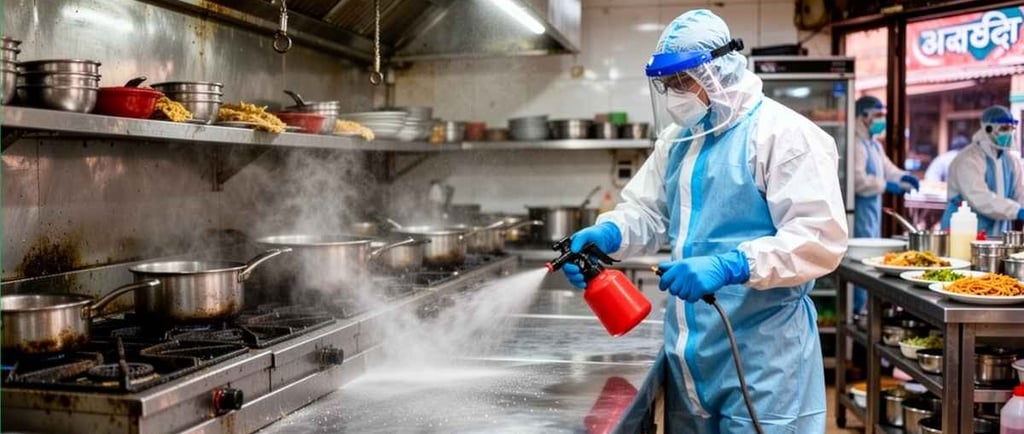
Introduction to Restaurant Sanitization Services
In recent years, the significance of restaurant sanitization services in Dhaka has become increasingly prominent, particularly regarding food safety and public health. These services encompass a comprehensive range of cleaning and disinfecting practices aimed at maintaining a hygienic environment in food establishments. With growing health regulations imposed by local authorities and heightened public awareness about hygiene, the need for robust sanitization practices has never been more crucial.
Restaurants are unique environments that require regular sanitization due to the high volume of food preparation and customer service activities taking place. Contaminants can quickly accumulate on surfaces, kitchen equipment, and dining areas, posing serious risks to food safety. Therefore, restaurant sanitization services play a pivotal role in preventing foodborne illnesses and ensuring that establishments comply with health standards.
The relevance of these services is further underscored by the increasing scrutiny from health inspectors and the media regarding food hygiene practices. Consumers are becoming more discerning and often choose dining establishments based on their sanitation practices and food safety ratings. This cultural shift indicates a growing awareness and expectation for cleanliness, compelling restaurant owners to prioritize effective sanitization solutions.
Moreover, in a densely populated city like Dhaka, where the culinary scene is vibrant yet competitive, maintaining hygiene can differentiate a successful restaurant from its competitors. By investing in professional sanitization services, businesses not only protect their patrons but also their reputation. Through routine cleaning, disinfecting, and training staff in proper hygiene practices, restaurants can create a safe dining experience.
Understanding Food Safety & Contamination Prevention
Food safety is a critical aspect of public health, particularly in the restaurant industry, where improper handling can lead to significant foodborne illnesses. The concept encompasses various practices and standards aimed at ensuring that the food prepared, served, and consumed is safe and free from harmful contaminants. Understanding the fundamentals of food safety is essential for restaurant owners and staff, as well as for safeguarding the health of patrons.
Contamination can occur at any stage of food preparation, including sourcing, handling, cooking, and serving. The types of hazards to be aware of are typically classified into three main categories: biological, chemical, and physical. Biological hazards include bacteria, viruses, and parasites that can thrive in food environments, potentially leading to severe health consequences for consumers. Chemical hazards arise from the improper use of pesticides, cleaning agents, or food additives, while physical hazards might consist of foreign objects like glass or metal fragments introduced during food processing.
Effective food handling practices are crucial for minimizing contamination risks. This includes proper handwashing, maintaining appropriate temperatures for food storage, and avoiding cross-contamination between raw and cooked foods. Regular sanitization of kitchen surfaces, equipment, and utensils is essential in controlling these hazards. Employing professional restaurant sanitization services can further enhance food safety by employing specialized techniques and products designed to eliminate pathogens that standard cleaning may overlook.
The necessity of regular sanitization cannot be overstated. Establishing robust cleaning schedules and adhering to them not only meets regulatory compliance but also builds trust with customers. By prioritizing food safety and understanding the principles of contamination prevention, restaurants in Dhaka can play a significant role in averting foodborne illnesses and ensuring the wellbeing of their clientele.
Effective Kitchen Deep Disinfection Methods
In maintaining a safe and hygienic environment in restaurants, kitchen deep disinfection methods play a critical role. These methods encompass both chemical and non-chemical approaches that ensure the thorough cleaning of kitchen tools, surfaces, and equipment. Understanding these techniques not only enhances food safety but also fosters a healthier dining experience for patrons.
One widely used method for kitchen deep disinfection involves the application of chemical disinfectants. These powerful agents are designed to eliminate harmful bacteria, viruses, and fungi from various surfaces. Commonly used chemicals include chlorine bleach, quaternary ammonium compounds, and hydrogen peroxide. Each chemical has specific guidelines for dilution and contact time, which are essential to achieve maximum efficacy without damaging kitchen infrastructure.
In addition to chemical methods, non-chemical techniques, such as steam cleaning, have gained popularity in the food service industry. Steam cleaning utilizes high-pressure steam to penetrate surfaces, effectively removing dirt and pathogens without the need for chemical agents. This method not only disinfects but also can remove grease and other residues that harbor germs. Furthermore, steam cleaning is eco-friendly, making it a desirable choice for establishments looking to reduce their environmental impact.
Another effective approach is the use of food-safe sanitizers that can be applied to food contact surfaces. These sanitizers provide rapid disinfection and are designed to be safe for use in kitchens where food is prepared. It is crucial for restaurant staff to be well-trained in the correct application of these sanitizers to ensure that all areas of the kitchen are thoroughly disinfected.
Combining these methods within a comprehensive kitchen sanitization schedule ensures that all aspects of the kitchen are regularly cleaned and disinfected. Engaging professional sanitization services in Dhaka can provide expertise in implementing these effective kitchen deep disinfection methods, ultimately reinforcing the importance of food safety in the restaurant industry.
HACCP-aligned Sanitization Practices
The integration of HACCP (Hazard Analysis Critical Control Point) principles within restaurant sanitization practices is critical for maintaining food safety standards. HACCP is a systematic approach designed to identify, evaluate, and control food safety hazards that could compromise the health of consumers. By implementing HACCP-aligned sanitization protocols, restaurants in Dhaka can significantly mitigate risks associated with food contamination.
First and foremost, the HACCP framework emphasizes the identification of potential hazards at every stage of food preparation, from purchasing to serving. This proactive stance enables restaurant operators to critically assess their processes and implement appropriate sanitization measures to counteract identified risks. For instance, ensuring that food contact surfaces are regularly sanitized can prevent cross-contamination, particularly when raw and cooked foods are handled in close proximity.
Furthermore, bimonthly training programs for staff on HACCP principles ensure that all team members are equipped with the necessary knowledge and skills to adhere to sanitation standards. When employees understand the importance of hygiene and cleanliness, they are more likely to engage in consistent sanitization practices, thereby fostering a culture of food safety within the establishment.
Additionally, monitoring and verification are key components of the HACCP system. Regular assessments of sanitation practices, such as checking the efficacy of cleaning agents and the microbial levels on surfaces, help in maintaining a high standard of cleanliness. These monitoring activities must be documented to demonstrate compliance with food safety regulations.
In summary, HACCP-aligned sanitization practices play an essential role in reducing contamination risks in restaurants. By adopting these practices, food establishments can ensure consumer safety and enhance the overall quality of their food service operations.
Monthly Commercial Contracts for Hygiene Services
In the food service industry, maintaining a high standard of hygiene is essential for both compliance and the protection of public health. Entering into monthly commercial contracts for sanitization services offers a systematic approach to achieving this goal. These contracts ensure that restaurants and food factories establish a routine of regular hygiene practices that align with local health regulations and industry standards.
One of the primary advantages of monthly contracts is the establishment of a consistent service routine. Regular visits from sanitation experts allow for meticulous cleaning of kitchens, dining areas, and food storage facilities. This helps prevent the buildup of harmful bacteria and pests that can compromise food safety. By scheduling monthly deep cleanings, restaurant owners can also ensure that their establishments are ready for health inspections at any time, thereby minimizing the risk of violations and potential fines.
Cost efficiency is another compelling benefit of engaging in such contracts. Regular service not only helps avoid the potential expenses of handling health code violations but also offers financial predictability. Typically, providers of sanitization services may offer discounts or bundled pricing for long-term contracts, making it more affordable than engaging in sporadic cleaning services on an as-needed basis.
Moreover, maintaining hygiene through a monthly contract ensures consistent upkeep of sanitation standards. This includes pest control, kitchen equipment sanitization, and comprehensive cleaning procedures. By employing a dedicated sanitization service on a monthly basis, restaurants can safeguard their reputation and build trust with their customers by demonstrating their commitment to food safety and hygiene.
Overall, monthly commercial contracts for hygiene services represent a proactive and economically sound strategy for restaurants and food factories aiming to uphold sanitary practices essential for safe food handling.
Coverage Areas Across Bangladesh
In Bangladesh, the importance of restaurant sanitization services cannot be overstated, especially in urban centers where food establishment density is high. These services are designed to ensure that food safety standards are maintained, thereby protecting the health of consumers. Coverage areas for sanitization services have expanded significantly, catering to various locations across the country, including key cities and towns.
In Dhaka, the capital city, numerous professional sanitization firms offer comprehensive cleaning and disinfecting services to restaurants, cafes, and catering services. Institutions in sectors such as food processing and healthcare also benefit from high-quality sanitization practices. Cities like Chittagong, Khulna, and Rajshahi have begun to see a rise in demand for these services as public awareness of food safety increases.
Moreover, small towns and rural areas are gradually gaining access to professional hygiene maintenance as more companies expand their service areas. This is particularly evident in regions that are becoming culinary hubs, drawing visitors who expect high standards of sanitation in food establishments. Areas such as Sylhet and Barisal are now featuring restaurants that prioritize cleanliness and food safety through regular sanitization practices.
Additionally, the growth of the e-commerce industry has made it easier for restaurant owners across Bangladesh to access sanitization services. With just a few clicks, they can schedule cleaning services or even consult experts on how to maintain high hygiene standards in their establishments. This accessibility underscores a widespread recognition of the need for effective food safety measures in all corners of the country.
Overall, the extensive coverage of restaurant sanitization services across Bangladesh signifies a collective commitment to improving food safety standards, ultimately ensuring the wellbeing of the dining public.
Conclusion
In the food industry, the significance of sanitary practices cannot be overstated. Restaurant sanitization services serve as a backbone for ensuring food safety and hygiene, particularly in urban centers like Dhaka where the demand for food is ever-increasing. The role of these services goes beyond mere compliance with local health regulations; they are crucial for maintaining customer trust and promoting the overall well-being of the community.
Sanitization services help mitigate the risks associated with foodborne illnesses, which are heightened in environments where large volumes of food are prepared and served. Professional sanitization goes beyond basic cleaning, incorporating specialized techniques and products to eliminate pathogens, bacteria, and allergens that could pose health risks. This comprehensive approach not only protects consumers but also safeguards the business's reputation, ultimately leading to sustained success.
For food business operators in Bangladesh, investing in expert sanitization services is a proactive step toward achieving high hygiene standards. Regular sanitation routines should be viewed as essential components of food safety management systems. These measures not only ensure compliance with health codes and regulations but also foster a culture of safety within the food establishment.
Furthermore, when restaurant owners prioritize cleanliness and sanitation, they send a strong message to customers about their commitment to health and safety. Such actions can significantly enhance customer loyalty and create a competitive edge within an increasingly health-conscious marketplace. Thus, prioritizing professional restaurant sanitization services is not only a health imperative but also a strategic business decision.
Address:
264/5, Kamal Soroni Road, Mirpur, Dhaka-1216
Contact
Your Quaries on pest control askings
pestexterminatorbd@gmail.com
+8801642008383 +8801988300003, 01723057746
© 2025. All rights reserved. to Urban Pest Control Pvt. Ltd. this site is powered by Our Own IT Team