
Restaurant Pest Control & Food Safety Compliance: Global Standards Explained
Restaurant Pest Control & Food Safety Compliance: Global Standards Explained
1/30/20268 min read
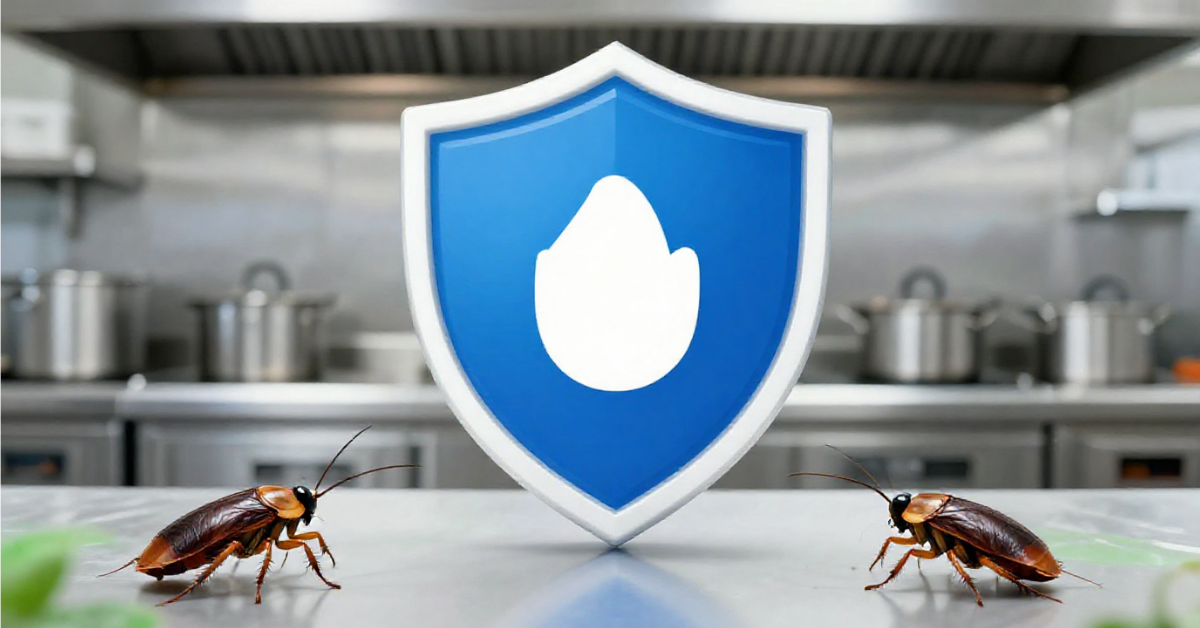
Understanding Pest Control in the Food Industry
Pest control is an essential aspect of maintaining a safe and hygienic environment in restaurants, cafes, hotels, and other food-related establishments. The presence of pests can compromise food safety, adversely affect a business's reputation, and lead to violations of health regulations. Effective pest management not only protects customers and employees but also ensures compliance with local and national food safety laws.
Common pests found in food businesses include rodents such as mice and rats, insects like cockroaches and flies, and larger pests like birds. These pests are often attracted to food sources, unsanitary environments, and structural defects in buildings. The risks associated with these pests are significant, as they can contaminate food with bacteria, disrupt operations, and potentially cause foodborne illnesses. For instance, rodents are known carriers of various diseases, while cockroaches are infamous for spreading pathogens that can lead to severe health issues.
Addressing pest control effectively is crucial for maintaining the integrity of food products and the well-being of patrons. Failure to implement adequate pest management practices may lead to loss of customers, negative reviews, and even legal actions resulting from health code violations. Consequently, ensuring thorough inspections, regular maintenance, and ongoing monitoring is crucial for any food business aiming to uphold high standards of hygiene.
In conclusion, pest control is not merely a regulatory requirement, but a commitment to ensuring food safety and customer satisfaction. Restaurants and food businesses must take proactive measures to manage pests, thereby safeguarding their reputation and ensuring compliance with health regulations.
Food Safety Laws: Regulations You Must Know
Food safety laws play a significant role in ensuring that restaurants and food businesses maintain a safe environment for customers. These regulations encompass several aspects, one of which is appropriate pest management. Different countries and regions implement various pest control requirements to protect public health, making it essential for food establishments to adhere to them.
In the United States, the Food and Drug Administration (FDA) sets forth guidelines under the Food Code. Restaurants are required to implement pest management programs to minimize the risk of pest interference in food preparation areas. Non-compliance with these regulations can result in fines, closure, and severe reputational damage.
Similarly, in the United Kingdom, the Food Standards Agency (FSA) mandates that businesses conduct systematic pest control assessments. The law requires food businesses to have pest prevention procedures in place, as defined by the Food Safety Act 1990. A lack of adequate pest control can lead to legal repercussions, including criminal charges against the establishment or its operators.
At the European Union level, Regulation (EC) No. 852/2004 outlines the necessity of maintaining a pest control strategy in catering businesses. This regulation emphasizes the importance of effective measures for the management of pests, combined with hygiene protocols, to ensure food safety in restaurants.
In Canada, the Safe Food for Canadians Regulations (SFCR) highlight the responsibility of food businesses to prevent pest infestations. Inspections are routinely carried out by authorities, and failure to comply could lead to licence suspension or revocation.
Australia has similar requirements through the Food Standards Australia New Zealand (FSANZ), requiring establishments to develop a pest management plan tailored to their operational needs. Furthermore, the regulations in the Middle East vary by country, but many adhere to strict guidelines similar to those in other regions that require diligent pest management practices to ensure food safety.
Understanding and complying with these regional food safety laws is paramount for restaurants and food businesses seeking not just to maintain legal standards but to ensure the safety and well-being of their customers.
Hygiene Audits: The Role of Pest Control
Hygiene audits play a crucial role in ensuring food safety and maintaining high standards in restaurants and food businesses. These comprehensive assessments evaluate various hygiene practices, including pest control measures, which are vital for safeguarding public health. Typically conducted by health inspectors or third-party auditors, hygiene audits assess compliance with local and national food safety regulations. The frequency of these audits can vary; however, it is common for restaurants and food businesses to undergo them at least once a year, with more frequent inspections for establishments with a history of violations.
During a hygiene audit, the auditors will meticulously examine pest control operations to determine their adequacy and effectiveness. This includes reviewing documentation of pest control measures—such as pest sighting logs, treatment records, and contracts with licensed pest control professionals. Additionally, auditors evaluate the physical environment of the premises to identify potential entry points for pests, breeding areas, and harborage sites. By adhering to the recommended pest control strategies, establishments can demonstrate their commitment to maintaining a pest-free environment, which is essential for passing audits.
To prepare for hygiene audits effectively, restaurants should implement several best practices related to pest control. Regularly schedule professional pest control services to ensure continuous monitoring and treatment of pest populations. Furthermore, staff training should be provided to raise awareness of common signs of pest activity and to encourage timely reporting of any issues. Keeping detailed records of pest control efforts and ensuring that all areas, particularly food storage and preparation spaces, are clean and clutter-free can also significantly enhance audit performance. Ultimately, integrating robust pest control measures into the overall hygiene strategy not only meets regulatory requirements but also fosters a safe environment for customers and employees alike.
Identifying Pest Risk Points in Your Establishment
In the restaurant and food business industry, understanding pest risk points is paramount for maintaining safe and sanitary conditions. Pests, including rodents, insects, and other vermin, often infiltrate establishments, posing significant health risks to consumers and reputations to businesses. Identifying these risk points allows food operators to implement effective pest management strategies and reduce the likelihood of infestations.
Common areas where pests are likely to thrive include kitchens, storage areas, and dining spaces. In kitchens, the presence of food, spills, and waste can attract pests. Pay particular attention to areas under sinks, around cooking equipment, and where food is prepared. Keeping these zones clean and well-organized reduces potential nesting sites.
Storage areas for food are also critical risk points. Bulk food items, especially grains and dry goods, should be stored in sealed, pest-proof containers. Regularly inspect these storage units for signs of pests, such as droppings or gnawed packaging, which can indicate an infestation.
Dining spaces, on the other hand, require constant vigilance. Tables and floors where food is consumed can attract pests when crumbs and spills are left unattended. Keeping dining areas immaculate and prompt cleaning of spills are essential preventive measures. Additionally, entry points, such as doors and windows, should be adequately sealed to prevent pests from entering the premises.
To further aid in the identification of pest risk points, a checklist can be useful. The checklist should include:
- Inspect food storage areas for signs of pests.
- Keep kitchen surfaces and appliances clean.
- Monitor dining areas for spills and debris.
- Seal entry points to the building.
- Regularly check for structural damages that might allow pest entry.
By thoroughly identifying and monitoring these critical risk points, food operators can take proactive steps in pest management, ensuring their establishment remains a safe, healthy environment for both staff and patrons.
Creating Effective Pest Prevention Plans
Establishing an effective pest prevention plan is crucial for restaurants and food businesses to maintain a safe and sanitary environment. The first step in developing such a plan is to conduct regular inspections. Schedule these inspections frequently to identify any signs of pest activity, such as droppings or damage. Inspections should include all areas of the establishment—from kitchens to storage rooms—ensuring that any potential pest entry points are noted and addressed.
Another essential component of pest prevention is maintaining stringent sanitation practices. This involves proper waste management, frequent cleaning of food preparation areas, and ensuring that food items are stored securely. Implementing a consistent cleaning schedule not only minimizes food debris that can attract pests but also enhances overall food safety standards. Training employees on these practices is vital; each staff member must understand their role in maintaining cleanliness and preventing infestations.
Employee training should be comprehensive, covering identification of common pests, understanding their behavior, and applying preventive measures effectively. Engaging staff through regular training sessions ensures that all team members are vigilant and proactive in pest management. Consider creating easy-to-follow checklists or guidelines that employees can refer to during their shifts.
Moreover, partnering with a professional pest control service is an indispensable aspect of a robust pest prevention strategy. Such services can provide expert insights, periodic inspections, and proactive treatments tailored to the specific needs of the food business. Establishing a pest control contract can ensure regular monitoring and response to potential pest issues, thus reinforcing safety measures and compliance with health regulations.
In summary, creating effective pest prevention plans requires a multifaceted approach that encompasses regular inspections, stringent sanitation practices, thorough employee training, and collaboration with pest control professionals. By implementing these strategies, food businesses can significantly reduce the risk of pest infestations and promote a healthier environment for both staff and customers.
Pest control is a critical aspect of maintaining a safe and hygienic environment in restaurants and food businesses. The following frequently asked questions will provide clarity on important considerations regarding pest management in these establishments.
What are the costs associated with pest control services for restaurants?
The costs of pest control can vary significantly depending on several factors including the size of the facility, the severity of the infestation, and the pest management company chosen. On average, restaurants can expect to spend anywhere from $200 to $500 on initial treatments, with ongoing monthly or quarterly services costing around $100 to $300. It is advisable for food businesses to obtain quotes from multiple providers to ensure competitive pricing and to assess the scope of services offered.
How should restaurants choose the right pest management service?
Selecting an effective pest management service is essential for food businesses. Operators should consider a variety of factors, including the company's reputation, experience in the food industry, and their adherence to safety regulations. Checking for certifications and customer reviews can help in making an informed decision. Furthermore, it is beneficial to inquire whether the service uses Integrated Pest Management (IPM) practices, which focus on prevention and safe methods of control.
How effective are different pest control methods?
Various pest control methods can be employed in a restaurant setting, such as chemical interventions, traps, and biological controls. The effectiveness of these methods can differ based on the type of pest and the extent of the infestation. Integrated Pest Management strategies, which combine several methods, are often recommended for their sustainability. However, it is crucial to assess the specific needs of the business to determine which methods will yield the best results.
How often should pest control be conducted in food businesses?
The frequency of pest control interventions can depend on the specific location and risk level of pests in the establishment. Many regulatory bodies recommend monthly inspections as a standard practice, especially in high-risk areas. Restaurants in regions with prevalent pest populations may require more frequent treatments. Regular assessments and preventive measures can significantly reduce the likelihood of infestations and ensure compliance with health and safety standards.
The Importance of Partnering with Professional Pest Control Services
Establishing and maintaining a pest-free environment is not only essential for food businesses but also a critical component of ensuring public health. Engaging with professional pest control services is vital to effectively manage pests, mitigate risks, and comply with health regulations. These service providers bring a wealth of expertise, knowledge, and experience to the table, allowing businesses to focus on their core operations without worrying about pest-related disruptions.
One significant advantage of opting for professional pest control services is their ability to develop customized solutions that meet the specific needs of each establishment. Unlike one-size-fits-all products or approaches, professionals can assess individual infestations, evaluate sanitation practices, and consider building layouts to design an effective pest management strategy. This tailored approach ensures a more successful outcome and helps to reduce the likelihood of future infestations.
Furthermore, a reputable pest control contractor offers ongoing support and training to restaurant staff. This partnership is crucial for educating employees on the importance of maintaining hygiene and implementing preventive measures. Regular training and communication strategies can help staff to recognize early signs of pest activity, enabling prompt action to be taken before infestations escalate.
When selecting a pest control contractor, it is essential to consider certain factors, such as licenses, experience, and customer reviews. Ensure that the provider adheres to regulatory standards and employs environmentally responsible practices. Additionally, consider their availability for regular assessments; ongoing inspections are critical, as they help to adapt strategies to evolving pest challenges. By committing to regular evaluations, food businesses can stay ahead of potential issues, ensuring a consistent and reliable pest management program.
In conclusion, partnering with professional pest control services offers several benefits, including expert solutions, ongoing support, and adaptability. By prioritizing pest management and collaborating with skilled providers, restaurants and food businesses can foster a safe and hygienic environment for both employees and customers.
Address:
264/5, Kamal Soroni Road, Mirpur, Dhaka-1216
Contact
Your Quaries on pest control askings
pestexterminatorbd@gmail.com
+8801642008383 +8801988300003, 01723057746
© 2025. All rights reserved. to Urban Pest Control Pvt. Ltd. this site is powered by Our Own IT Team