
Restaurant Pest Control Compliance Certificate: Why It’s Mandatory for Food Businesses
2/14/20268 min read
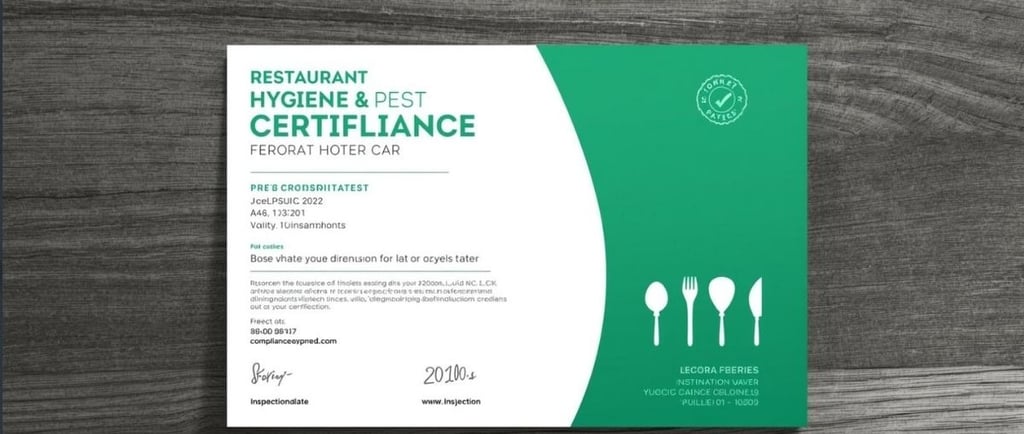

Introduction to Food Safety Laws and Pest Compliance
Food safety laws are crucial regulations that govern the operations of restaurants, ensuring that food served to the public is safe for consumption. These laws encompass a wide range of guidelines that cover food handling, storage, preparation, and serving practices. The primary objective is to safeguard public health by minimizing the risk of foodborne illnesses, which can arise from improper food handling or contamination. Adherence to these laws not only protects patrons but also bolsters a restaurant's reputation and operational credibility.
Pest compliance is an integral component of food safety regulations, as pests can pose significant risks to both food quality and public health. An infestation of insects or rodents can lead to contamination and compromise the integrity of food products. Consequently, restaurants are required to implement effective pest control measures as part of their overall food safety strategy. These measures include routine inspections, sanitation practices, and the use of pest deterrents to prevent infestations. Complying with pest control regulations is not just a legal obligation, but also essential for maintaining hygiene standards and customer satisfaction.
In the vibrant and densely populated city of Dhaka, where the food industry plays a pivotal role in daily life, understanding food safety laws and pest compliance is more vital than ever. The continuous growth of dining establishments amplifies the importance of rigorous adherence to these regulations. By fostering a culture of food safety and pest control, restaurants can contribute to a healthier community while sustaining their business viability. Thus, this guide aims to elucidate the various aspects of food safety laws and pest compliance, highlighting best practices and encouraging restaurant owners to prioritize these essential components of their operations.
HACCP-Related Pest Monitoring
The Hazard Analysis Critical Control Point (HACCP) system is a systematic approach that aims to ensure food safety through the identification and management of potential food hazards. One aspect that significantly influences the effectiveness of a HACCP plan is pest control, which plays a vital role in preventing contamination in food handling environments. Effective pest monitoring within the HACCP framework is essential to maintaining a safe food supply.
Pests, such as rodents and insects, pose a serious risk to food safety. They can contaminate food and surfaces, leading to the potential spread of foodborne illnesses. Therefore, integrating pest control measures into a HACCP plan can help in identifying vulnerabilities within food operations and taking the appropriate actions to mitigate these risks. By doing so, restaurants can comply with regulations and protect their customers' health.
Strategies for monitoring pests include regular inspections, using traps, and establishing a reporting system that tracks pest activity. These measures should be documented as part of the HACCP plan to ensure compliance with food safety laws. The critical control points identified in the HACCP process should include pest management considerations, allowing staff to promptly address any signs of infestation. Training employees on how to recognize the early signs of pest activity is also crucial in establishing a proactive pest management approach.
Incorporating pest monitoring into the HACCP system not only strengthens food safety compliance but also enhances the overall operational efficiency of a restaurant. By prioritizing pest control, establishments can maintain a hygienic environment, safeguard the quality of food served, and uphold their reputation within the community.
Monthly Inspection Requirements
Maintaining food safety and pest control compliance is vital for restaurants in Dhaka. One essential aspect of this commitment involves adhering to specific monthly inspection requirements. These inspections not only help in ensuring compliance with food safety laws but also in preventing potential pest infestations that could affect food quality and consumer health.
To effectively monitor and manage pest control, restaurants should incorporate a thorough checklist into their monthly inspection routines. This checklist generally includes the following key areas: checking for signs of pest activity, inspecting food storage areas, assessing waste disposal practices, evaluating the effectiveness of existing pest control measures, and noting any changes in the environment that could affect pest populations.
Inspectors should pay close attention to potential entry points for pests, such as cracks, gaps in doors, and poorly sealed windows, as well as verify the condition of screens and other barriers that can help minimize invasion. Food storage areas should be free from spills or overflowing dumpsters, as these create attractive environments for pests. It is also important to ensure that food products are stored in airtight containers to deter potential infestations.
Additionally, regular staff training on pest awareness can significantly contribute to the success of monthly inspections. Educating employees about the importance of prompt reporting of pest sightings and maintaining cleanliness will streamline the inspection process and create a proactive approach to food safety compliance. Engaging staff in the inspections can lead to greater accountability and an enhanced commitment to preserving a safe dining environment.
In conclusion, monthly inspections are an indispensable aspect of pest control and food safety compliance for restaurants. By implementing a structured checklist and fostering a culture of cleanliness and awareness, restaurants in Dhaka can effectively mitigate the risks associated with pest infestations.
Audit Checklist for Food Safety and Pest Compliance
Conducting regular audits is essential for restaurants to ensure adherence to food safety laws and pest compliance regulations. An effective audit checklist can serve as a vital tool for identifying potential issues before they escalate. Below is a comprehensive checklist that restaurant owners and managers in Dhaka can utilize during their audits.
1. Food Storage Practices: Check that all food is stored properly, with raw meats separated from ready-to-eat foods. Verify that the refrigerators and freezers maintain appropriate temperatures (below 40°F for refrigeration and below 0°F for freezing). Confirm that all food items are labeled with expiration dates.
2. Cleaning and Sanitation: Ensure that the kitchen and dining areas are cleaned daily. Review the sanitation procedures, including the frequency of cleaning food contact surfaces and equipment. Check if cleaning supplies are stored away from food and if sanitizing agents are being used correctly.
3. Pest Control Measures: Inspect for any signs of pest infestation, such as droppings or damage to packaging. Ensure that routine pest control treatments are documented and that traps are checked regularly. Verify that all potential entry points are sealed to prevent pest access.
4. Employee Training: Evaluate whether staff members have received proper training in food safety practices and pest management. Keep records of training sessions and ensure that employees understand the importance of reporting any health or pest-related issues.
5. Documentation and Record Keeping: Maintain thorough and accurate documentation of all audits, pest control operations, and food safety training. Regularly review these records to assess compliance and identify areas for improvement. Ensure that health inspections and any corrective actions taken are also recorded and easily accessible.
Following this audit checklist will help restaurant owners and managers mitigate risks associated with food safety and pest compliance. Vigilant monitoring and compliance can play a significant role in safeguarding public health and ensuring a successful dining experience.
Benefits of Complying with Food Safety Laws in Dhaka
Complying with food safety laws in Dhaka presents a multitude of advantages for restaurants, enhancing their operational framework and customer interactions. A primary benefit is the improvement of customer trust. In today's competitive food industry, patrons are increasingly mindful of food safety. When restaurants adhere strictly to safety regulations and maintain high standards, they instill confidence in their customers, which can lead to repeat patronage and positive word-of-mouth advertising.
Another significant advantage concerns liability reduction. By complying with food safety laws, restaurants minimize their risk of facing legal disputes or penalties associated with foodborne illnesses. With proper pest control measures and adherence to safety protocols, restaurants can protect themselves from potentially costly lawsuits, which can severely impact financial health and reputation.
Moreover, compliance with these laws can enhance operational efficiency. Establishing clear safety protocols not only fosters a safer environment for customers but also streamlines operations. Employees who are trained in food safety practices are more likely to work effectively, a factor which can contribute to increased productivity. Improved operational efficiency further bolsters profitability by reducing waste and preventing costly incidents tied to food contamination.
Lastly, for restaurants aiming to align with international standards, compliance opens doors to increased business opportunities. Many global suppliers and partners require adherence to certain food safety and pest control regulations. By demonstrating compliance, restaurants may gain access to a wider market, attracting clientele who prioritize quality and safety.
Risks of Non-Compliance with Food Safety and Pest Control Regulations
Restaurants in Dhaka face numerous risks when they fail to adhere to food safety laws and pest control regulations. Firstly, non-compliance can lead to substantial financial penalties. Regulatory agencies impose fines on establishments that violate food safety protocols, which can significantly impact a restaurant's bottom line. These fines vary in scale but can be a serious burden, particularly for smaller restaurateurs trying to maintain profitability.
Additionally, there is a considerable risk of legal actions stemming from non-compliance. If a restaurant is found to be serving unsafe food or allows pest infestations to thrive, customers may take legal action, leading to lawsuits. Such legal battles not only result in further financial strain but can also bring increased scrutiny from regulatory bodies. Repeated offenses can escalate the situation, resulting in the suspension of business licenses and potential closure.
Moreover, reputational damage is an ominous consequence of non-compliance. In today's digital age, news travels fast; negative reviews about a restaurant’s food safety practices can deter potential customers and tarnish the establishment's reputation. Social media plays a significant role in influencing public perception. Once a restaurant's reputation is compromised due to health violations or pest issues, recovery can be a lengthy and expensive process.
Finally, the health risks to customers cannot be overstated. Non-compliance with food safety laws can lead to foodborne illnesses, putting diners’ health at risk. Illness outbreaks linked to a restaurant can lead to public outrage, and if a significant number of customers are affected, it can have dire consequences for the business. Ensuring compliance with food safety and pest control regulations is not only a legal obligation for restaurants in Dhaka but a crucial factor in safeguarding both their customers and their businesses.
Global Standards and Recommendations from WHO and FAO
Food safety is a critical aspect of public health, and adherence to global standards is paramount for restaurants aiming to ensure the highest levels of food safety. The World Health Organization (WHO) and the Food and Agriculture Organization (FAO) provide comprehensive guidelines and recommendations which serve as the backbone for effective food safety management systems worldwide.
The WHO’s food safety strategy emphasizes the necessity of maintaining hygiene throughout the food production, preparation, and serving process. This includes the implementation of Hazard Analysis Critical Control Point (HACCP) systems, which focus on identifying and managing risks to food safety. Following these guidelines not only helps in preventing foodborne illnesses but also enhances the overall quality of food services provided by restaurants.
Meanwhile, the FAO underscores the importance of integrating pest control measures in food safety practices. Their recommendations highlight that effective pest management is crucial for safeguarding food production chains. Consequently, adopting integrated pest management (IPM) strategies, which combine various pest control methods, is vital for maintaining food safety and complying with international standards.
Furthermore, aligning local food safety practices with WHO and FAO guidelines fosters a culture of accountability among food industry stakeholders. This alignment not only ensures the well-being of consumers but also enhances the reputation of restaurants in Dhaka and beyond. By prioritizing compliance with these global standards, restaurant owners not only protect their customers but also position themselves favorably in a competitive market.
In light of the recommendations set forth by WHO and FAO, it is clear that a commitment to food safety and pest control is a necessary requirement for any restaurant dedicated to excellence. This proactive approach contributes significantly to the health and safety of the community, thereby reinforcing the restaurant's role as a responsible business entity.
Address:
264/5, Kamal Soroni Road, Mirpur, Dhaka-1216
Contact
Your Quaries on pest control askings
pestexterminatorbd@gmail.com
+8801642008383 +8801988300003, 01723057746
© 2025. All rights reserved. to Urban Pest Control Pvt. Ltd. this site is powered by Our Own IT Team