
Rising Rat Infestation in Urban Dhaka
2/19/20267 min read

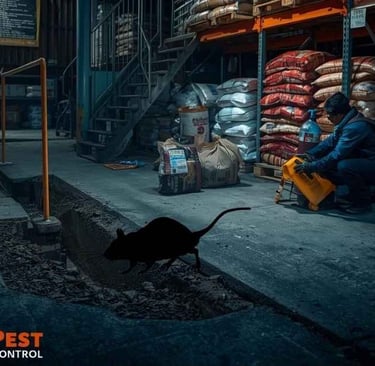
Understanding the Urban Rat Problem
The urban rat problem is a significant concern in many metropolitan areas around the globe. The most common species of rats found in cities include the Norway rat (Rattus norvegicus) and the roof rat (Rattus rattus). These rodents thrive in urban environments due to a combination of factors that create conducive conditions for their rapid population growth.
One primary contributor to the urban rat population surge is waste mismanagement. In cities, the accumulation of organic waste in streets, parks, and vacant lots offers an abundant food source for rats. Garbage left uncollected, improperly disposed of refuse, and poorly managed waste disposal systems can lead to increased availability of food for these pests. As a result, rat populations can expand quickly, as they reproduce significantly—in optimal conditions, a single pair of rats can produce up to 2,000 descendants within a year.
In conjunction with waste mismanagement, construction activities also play a crucial role in exacerbating the rat problem. Urban construction sites often disturb the natural habitats of these rodents, driving them into nearby residential and commercial areas in search of food and shelter. Additionally, construction debris and improperly managed construction waste can create new nesting sites for rats, offering even more opportunities for their populations to flourish. The disruption caused by these activities leads to an increased overlap between rat habitats and human living spaces, intensifying the risk of rat infestations in urban areas.
Understanding the severity of the urban rat issue necessitates recognizing these contributing factors. Both waste management shortcomings and the impacts of construction are intertwined and require comprehensive solutions that address the root causes of rat population growth. Acknowledging the relationship between urban living and rat proliferation is essential for developing effective strategies to mitigate this persistent problem.
Waste Mismanagement: A Breeding Ground for Rats
Improper waste disposal and management practices are critical contributors to urban rat population growth. Urban environments, with their dense populations and extensive waste production, provide a conducive atmosphere for rats to thrive. When waste is not managed effectively, it results in an accumulation of food sources and nesting materials, creating an ideal breeding ground for these rodents.
One prevalent issue is the failure to implement proper trash collection protocols. In many cities, garbage is often left out in bins that are not rodent-proof. Overfilled bins can easily be rummaged through, and the materials within can provide a feast for rats. For example, in neighborhoods where residents do not secure their trash bins, it has been observed that rat sightings increase significantly, leading to growing concerns regarding public health.
Additionally, littering exacerbates these problems. Discarded food items along streets, in parks, and at public transportation hubs offer a consistent food supply to local rat populations. Areas with a high concentration of food waste, such as market zones and food stalls, are particularly attractive habitats for rats, leading to significant increases in their numbers. Cities that fail to educate residents on proper waste disposal and the importance of maintaining clean environments may inadvertently fuel the rat population growth.
Moreover, construction sites can also play a role in waste mismanagement. Often, these sites accumulate debris and waste that is not properly disposed of. This can lead to a cluttered environment where rats find shelter and sustenance. Local authorities must ensure that construction sites are properly managed and that waste is promptly cleared away to mitigate the risk of attracting rats.
The Impact of Construction on Rat Populations
Urban construction projects significantly influence the dynamics of rat populations, primarily by altering existing environments. As buildings are constructed or renovated, the natural habitat of rats is disrupted, compelling these rodents to seek refuge in new areas. The disruption not only displaces rats but also creates opportunities for their proliferation in urban settings where food sources and shelter become more accessible.
One of the most consequential effects of construction is the increase in available food sources. Construction sites often involve excavation, leading to the exposure of previously buried organic waste or food remnants. Additionally, workers on these sites may inadvertently contribute to the rat population by leaving behind food scraps or improperly securing disposal containers, enhancing the potential for rats to thrive in these areas. This abundance of food can accelerate population growth, making urban centers more hospitable for these pests.
Moreover, construction debris offers an unexpected boon for rat populations. Piles of materials such as wood, metal, and insulation create shelters where rats can nest and breed. These environments provide the insulation and concealment necessary for rodents to survive and reproduce, attracting both existing and new populations to the site. The increase in nesting opportunities can lead to a rapid rise in the local rat numbers, further complicating urban pest management efforts.
In summary, while urban construction is essential for infrastructure development, it inadvertently facilitates the growth of rat populations by disrupting habitats, increasing food availability, and providing new nesting sites. Addressing these factors is crucial for effective urban rodent control and ensuring that cities remain healthy environments for humans and wildlife alike.
Health Risks Associated with Urban Rats
Urban rat populations present various health risks to humans and pets, primarily due to the wide range of diseases they can carry. One of the most notable diseases associated with rats is leptospirosis, a bacterial infection that can be transmitted through water contaminated with rat urine. Symptoms of leptospirosis range from mild flu-like signs to severe illness, as it can affect multiple organ systems, potentially leading to liver and kidney failure.
In addition to leptospirosis, urban rats are carriers of numerous pathogens that can lead to other health complications. These include hantavirus, which can cause severe respiratory issues, as well as salmonellosis, a bacterial infection linked to food contamination. The risk of foodborne illness increases significantly in areas where rats are prevalent, as they traverse various environments and can contaminate food supplies. Their feces and urine can facilitate the transfer of harmful bacteria into food sources, creating further health hazards.
Furthermore, urban rats can also act as vectors for ectoparasites, such as fleas and ticks, which may carry diseases like typhus and Lyme disease. For pets, close exposure to urban rats can increase the likelihood of zoonotic diseases being transmitted, posing additional risks to both animal health and local human populations.
Overall, effective management of urban rat populations is crucial for mitigating these health risks. Understanding the implications of rat presence in urban environments emphasizes the need for proper waste management strategies and preventative measures to protect public health. As the urban rat population continues to grow, addressing these concerns becomes increasingly vital for safeguarding community well-being.
Economic Consequences of Rat Infestations
The urban rat population is on the rise, particularly in areas where waste mismanagement and unchecked construction practices prevail. This burgeoning population introduces significant economic consequences that cannot be overlooked. One of the most immediate impacts is the damage to property, as rats can gnaw through electrical wires, insulation, and even structural components of buildings. Such damage not only necessitates costly repairs but also poses risks of fire hazards and compromised safety for residents.
Moreover, the presence of rats can lead to increased utility bills. Rodents often seek warmth and shelter inside buildings, leading to potential electrical issues. A single rat can chew through critical wires, causing short circuits or outages that require professional intervention. The resultant repair costs can accumulate rapidly, exerting financial strain on homeowners and property managers alike.
Another significant economic implication arises from the necessary public health efforts aimed at controlling rat populations. Cities often allocate substantial resources to pest control programs to mitigate the risks associated with diseases that rats may carry, such as leptospirosis and hantavirus. These programs typically involve regular inspections, baiting, and possibly the employment of additional sanitation measures, all of which incur ongoing financial commitments. Furthermore, public health campaigns to educate residents about proper waste management also demand funding and careful planning.
In conclusion, the economic consequences of rising rat populations in urban settings are multifaceted, affecting property values, increasing repair costs, and necessitating robust public health responses. As cities continue to grapple with pest management challenges, understanding these economic impacts becomes vital for implementing effective solutions and ensuring sustainable urban environments.
Effective Rodent Control Solutions
The growing urban rat population poses significant challenges that require robust control measures. To effectively manage rodents, especially in cities where waste mismanagement and construction activities are frequent, a combination of strategies is essential. This section will explore rodent baiting, trapping techniques, and proofing solutions, all of which can be employed by residents and urban planners alike.
Rodent baiting is a common method utilized for controlling rat populations. This approach involves using specially formulated rodenticides that are strategically placed in areas of high rodent activity. It is crucial to select baits that are effective against the specific rat species prevalent in urban settings, ensuring proper dosage to minimize risks to non-target animals and humans. Additionally, bait stations should be used to protect the bait from environmental factors and to limit access to pests other than rats.
Trapping techniques are another vital component of effective rodent control. Snap traps, live traps, and electronic traps can be employed depending on the situation. Snap traps offer immediate results and are particularly effective in areas with severe infestations, while live traps allow for humane capture and relocation. Electronic traps provide a high level of efficiency and can reduce the need for repeated manual checks. Proper placement of traps is essential; they should be positioned along rat pathways, near potential entry points, and in areas where droppings or burrows have been observed.
Finally, proofing solutions are critical in preventing future infestations. This involves sealing off entry points in buildings and residences, such as gaps in walls, around pipes, and in foundations. Employing materials like steel wool, caulk, and metal mesh can help deter rodents from gaining access. Moreover, landscape management, like removing dense vegetation and clutter, can also minimize potential rat habitats. By integrating these approaches into a comprehensive rodent management plan, communities can achieve sustainable control of urban rat populations.
Community Involvement and Prevention Strategies
Addressing the urban rat population requires a concerted effort from community members, local organizations, and governmental bodies. A proactive approach can significantly mitigate the impact of waste mismanagement, which is a primary driver in the growth of rat populations. Neighborhoods can take several effective steps to improve waste management practices and develop prevention strategies.
First and foremost, communities should engage in regular clean-up initiatives. Organizing litter pick-up events not only fosters community spirit but also reduces potential food sources for rats. Neighborhood associations can coordinate efforts to ensure that streets, parks, and public spaces are kept clean and free of debris, thereby limiting rats' habitat.
Secondly, community education programs focused on proper waste disposal practices can be invaluable. Residents need to be informed about the importance of secure trash storage and the timely collection of garbage. Implementation of composting and recycling initiatives will further decrease the volume of waste that attracts pests. Workshops led by local experts can enhance awareness regarding effective waste management.
Furthermore, neighborhoods can advocate for better urban planning. Residents should actively engage with city planners and local governments to address zoning laws and construction projects that may contribute to rat infestations. Proposing the creation of green spaces and ensuring proper drainage solutions during construction can help minimize potential rat hiding spots.
Additionally, fostering a culture of vigilance among community members is crucial. Encouraging residents to report signs of rat activity promptly allows for quicker responses and interventions. By establishing a community watch group focused on pest prevention, residents can work collaboratively to monitor and manage local rat populations.
In conclusion, community involvement plays a pivotal role in combatting the rat problem through responsible waste management and proactive prevention strategies. By fostering a unified effort, neighborhoods can significantly reduce the risks associated with urban rat infestations and enhance the overall quality of urban living.
Address:
264/5, Kamal Soroni Road, Mirpur, Dhaka-1216
Contact
Your Quaries on pest control askings
pestexterminatorbd@gmail.com
+8801642008383 +8801988300003, 01723057746
© 2025. All rights reserved. to Urban Pest Control Pvt. Ltd. this site is powered by Our Own IT Team