
Rodent-Borne Diseases in 2026: Leptospirosis, Hantavirus & Urban Risk Factors
2/20/20267 min read
Introduction to Rodent-Borne Diseases
Rodent-borne diseases constitute a significant public health concern worldwide, emerging from the close association between humans and various rodent species. These diseases are transmitted to humans through direct contact with contaminated environments, bites, or through parasites that rodents carry. Understanding the dynamics of rodent-borne diseases is crucial as they impact public health systems and communities, especially in densely populated urban areas.
The global prevalence of these diseases varies considerably, with different regions experiencing varying degrees of outbreaks. Some of the most commonly known rodent-borne diseases include hantavirus pulmonary syndrome, leptospirosis, and rat-bite fever. The World Health Organization (WHO) reports that the presence of rodents in urban areas can lead to significant health risks, particularly among vulnerable populations. Poor sanitation and overcrowding further exacerbate the situation, creating ideal breeding grounds for rodent infestations and the diseases they carry.
Urban communities frequently face challenges in managing rodent populations, as inadequate waste management systems and living conditions increase the likelihood of interactions between humans and rodents. Furthermore, the effects of rodent-borne diseases extend beyond immediate health concerns; they can also place substantial economic burdens on healthcare systems, leading to increased healthcare costs and loss of productivity. Consequently, understanding the transmission pathways of these diseases is vital for developing effective prevention and management strategies.
Public awareness and education play pivotal roles in mitigating the impact of rodent-borne diseases. This includes awareness about the importance of maintaining cleanliness in living environments and the need for proactive measures to control rodent populations. Ultimately, addressing rodent-borne diseases requires a concerted effort from public health authorities, communities, and individuals alike.
Types of Rodent-Borne Diseases
Rodents are known carriers of various diseases that pose significant health risks to humans. Among these, hantavirus, leptospirosis, and salmonellosis stand out as particularly concerning due to their transmission methods and severity.
Hantavirus is primarily transmitted through contact with rodent droppings, urine, or saliva. This viral infection can lead to hantavirus pulmonary syndrome (HPS), characterized by symptoms such as fatigue, fever, and muscle aches initially. As the infection progresses, it may develop into respiratory distress, which can be fatal if not treated promptly. The risks of transmitting hantavirus are heightened in rural areas where rodents are more prevalent, emphasizing the importance of effective pest management.
Leptospirosis, another significant rodent-borne disease, results from exposure to water or soil contaminated with the urine of infected animals, including rodents. The symptoms of leptospirosis can range from mild flu-like signs to more severe manifestations, such as liver damage and kidney failure. The disease can lead to serious complications if left untreated, and it is particularly important in areas with a high prevalence of rodents.
Salmonellosis is caused by salmonella bacteria, which can be transmitted through contact with rodent feces or by consuming contaminated food or water. Common symptoms include diarrhea, fever, and abdominal cramps. Although many recover without treatment, severe cases can lead to hospitalization, particularly in vulnerable populations such as the elderly and immunocompromised individuals.
Understanding these rodent-borne diseases is crucial due to their potential severity. Effective prevention and management strategies focused on minimizing rodent populations and maintaining hygiene can significantly reduce the risk of these infections.
Transmission Routes of Rodent-Borne Diseases
Rodent-borne diseases pose significant public health concerns, primarily due to the diverse ways in which these diseases are transmitted to humans. Understanding these transmission routes is critical in preventing outbreaks. One prominent method is through direct contact with infected animals. When individuals handle rodents or their droppings, urine, or saliva, they may inadvertently expose themselves to pathogens such as hantavirus or leptospirosis. A study found that people engaged in rodent control efforts or those living in close proximity to rodent populations have an increased risk of exposure.
Another significant route of infection is airborne transmission. Diseases like hantavirus pulmonary syndrome can result from inhaling aerosols that are formed when infected rodent droppings, urine, or saliva dry out and are disturbed. When this contaminated dust is inhaled, it can lead to respiratory illness. According to the Centers for Disease Control and Prevention (CDC), approximately one-third of hantavirus infections occur in this manner, highlighting the importance of proper ventilation and protective measures when cleaning rodent-infested areas.
Additionally, indirect transmission through contaminated food or water plays a crucial role in spreading rodent-borne diseases. Rodents can contaminate food supplies and drinking water sources, leading to diseases such as salmonellosis. For example, a report indicated that nearly 25% of salmonella outbreaks are linked to rodent contamination. Therefore, maintaining hygiene in food storage areas and ensuring clean drinking water is essential to minimize risks. Overall, understanding these transmission routes can guide effective prevention strategies to safeguard public health from rodent-borne diseases.
Urban Sanitation Challenges and Rodent Infestations
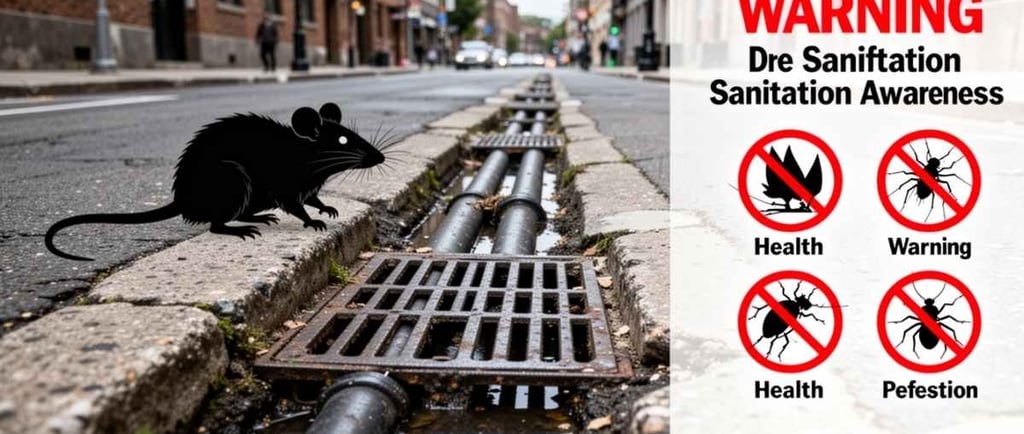
Urban areas around the world face significant sanitation challenges that contribute to the proliferation of rodent populations. The rapid growth of cities, coupled with inadequate infrastructure, has resulted in insufficient waste management systems. When trash and organic waste are not properly collected and disposed of, they provide an abundant food source for rodents. Consequently, cities with chronic waste accumulation often see an increase in rodent infestations, which poses serious public health risks through the spread of rodent-borne diseases.
A lack of public hygiene and sanitation awareness further exacerbates the situation. In densely populated areas, residents may not have access to sufficient education about proper waste disposal practices. This deficiency can lead to littering and improper storage of food, creating environments conducive to rodent breeding. Additionally, many urban zones suffer from poorly maintained or inadequate sewage systems, which can overflow and create unhygienic conditions that attract rodents.
The consequences of these urban sanitation deficiencies are far-reaching. Rodents carry various pathogens that can transmit diseases such as leptospirosis, hantavirus, and salmonellosis to humans. The clustering of poor sanitation, higher population density, and limited resources increases the potential for outbreaks of these diseases. Furthermore, the presence of rodent infestations can lead to heightened anxiety and fear among residents, impacting community well-being.
To effectively address these challenges, city planners and public health officials must prioritize comprehensive sanitation solutions. Strategies may include improving waste management infrastructure, raising public awareness about hygiene practices, and implementing proactive rodent control measures. By focusing on urban sanitation, cities can significantly reduce the risk of rodent infestations and protect their populations from rodent-borne diseases.
Prevention Strategies Against Rodent-Borne Diseases
Prevention is crucial in combating rodent-borne diseases, which can pose significant health risks to humans. Effective prevention strategies not only include personal protective measures but also community initiatives and public health recommendations aimed at minimizing the risk of disease transmission.
One of the primary personal protective measures involves maintaining proper hygiene practices and avoiding contact with rodents. Individuals residing in areas prone to rodent infestations should ensure that their living spaces are clean and free of food debris. Additionally, storing food in sealed containers and disposing of waste appropriately can deter rodents from entering homes and food premises. Wearing gloves when handling potentially contaminated materials, such as animal droppings or nesting materials, further mitigates the risk of infection.
Community initiatives play a vital role in preventing rodent-borne diseases. Local health departments and community organizations can implement educational programs to promote awareness regarding the risks associated with rodent infestations and proper sanitation practices. Installing rodent-proof trash receptacles, improving waste collection services, and conducting regular pest control measures are effective strategies to reduce rodent populations in residential and commercial areas.
Public health recommendations also emphasize the importance of early detection and prompt response to rodent infestations. Regular monitoring of rodent activity in urban environments and immediate reporting of sightings to local health authorities can prevent outbreaks of diseases such as hantavirus pulmonary syndrome and leptospirosis. Moreover, developing comprehensive rodent management plans, including the use of traps and bait when necessary, supports widespread efforts to control rodent populations.
In summary, effective prevention strategies against rodent-borne diseases involve a multifaceted approach that includes personal protective measures, proactive community initiatives, and robust public health recommendations. By prioritizing these strategies, communities can significantly reduce the risks associated with rodent infestations, safeguarding public health and well-being.
Pest Management Solutions for Urban Areas
Effective pest management solutions are crucial in urban areas where rodent populations can rapidly grow due to the dense human population and abundant food sources. Control strategies can be broadly classified into chemical and non-chemical approaches. Each method has its own set of advantages and potential repercussions on public health and the environment.
Chemical approaches typically involve the use of rodenticides, which are designed to kill rodents that consume them. These poisons can be highly effective, leading to quick results in reducing rodent populations. However, the use of chemical solutions raises concerns regarding secondary poisoning, where non-target species, such as pets and wildlife, may ingest the poisoned rodents, adversely affecting local ecosystems. Additionally, the development of rodent resistance to these chemicals over time can diminish their effectiveness, leading to a cyclical dependency on stronger poisons.
In contrast, non-chemical pest management solutions focus on prevention and control without the use of hazardous substances. These strategies include habitat modification, such as regulating waste disposal, sealing entry points, and eliminating sources of food and water. For example, urban settings can benefit from public education campaigns that encourage residents to store food securely and maintain clean surroundings. Furthermore, installing physical barriers and traps can effectively reduce rodent access to buildings and infrastructure.
Integrated Pest Management (IPM) is a holistic approach that combines multiple strategies, allowing for a more sustainable method of rodent control. IPM typically emphasizes regular monitoring, preventive measures, and the judicious use of chemical treatments only when necessary. This methodology not only addresses immediate infestations but also works to create long-term solutions that benefit both urban populations and the environment.
Ultimately, a balanced approach to pest management that incorporates both chemical and non-chemical solutions can effectively control rodent populations while minimizing health risks and environmental impact.
Local SEO Insights for Bangladesh and South Asia
In an increasingly digital landscape, local SEO has become a vital strategy for businesses and organizations operating in the pest management and public health sectors across Bangladesh and South Asia. Effectively targeting local audiences requires an understanding of the unique needs and preferences of communities within this region. By implementing localized content strategies, organizations can enhance their visibility and foster stronger connections with potential clients.
The first step in optimizing local SEO strategies involves keyword research tailored to regional dialects and health concerns specific to the locale. By compiling a list of relevant keywords, organizations can ensure that their content aligns with the search behaviors of the local population. For instance, utilizing phrases related to "rodent control services in Dhaka" or "pest management solutions for rural areas" can help capture the attention of local users searching for these services.
Furthermore, engagement with local resources and communities is paramount. Partnering with local health departments, organizations, and educational institutions can provide valuable insights and further enhance the credibility of pest management services. By participating in community initiatives, businesses can create high-quality, relevant content that resonates with both potential customers and search engines.
Moreover, local directory submissions and Google My Business optimization are important facets of local SEO. Accurately listing business information, including operating hours, contact details, and service areas, can significantly influence search rankings and foster trust among prospective clients. Regularly updating business listings and soliciting customer reviews also plays a crucial role in enhancing online visibility.
To successfully navigate the intricate landscape of local SEO in Bangladesh and South Asia, pest management and public health organizations must prioritize localized content creation, keyword integration, and active community engagement. By doing so, they can effectively reach their audiences and contribute to the well-being of their communities while promoting safer environments free from rodent-borne diseases.
Address:
264/5, Kamal Soroni Road, Mirpur, Dhaka-1216
Contact
Your Quaries on pest control askings
pestexterminatorbd@gmail.com
+8801642008383 +8801988300003, 01723057746
© 2025. All rights reserved. to Urban Pest Control Pvt. Ltd. this site is powered by Our Own IT Team