
Rodent Control in Urban Areas: Effective Rat & Mice Management
2/24/20267 min read

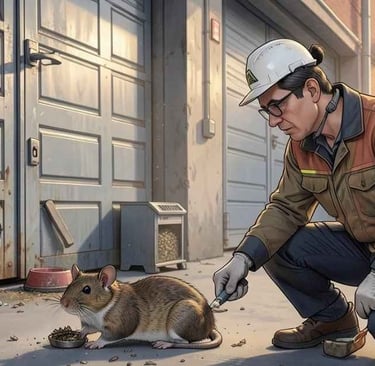
Understanding Rodent Entry Points in City Buildings
Urban environments provide numerous opportunities for rodent infestations, primarily due to the multitude of available entry points. Rats and mice are adept at finding ways into buildings, often exploiting small gaps and weaknesses in construction designs. By understanding these entry points, property owners can take effective measures to fortify their structures against these persistent pests.
One of the most common vulnerabilities lies in the foundation and exterior walls. Cracks in concrete, gaps around windows and doors, and holes created by settling can serve as prime access routes for rodents. Additionally, poorly maintained roofs may allow entry through vents, eaves, and chimneys. Even the smallest openings, such as those around utility lines and pipes, can provide a passage for these animals, emphasizing the importance of thorough inspections in urban settings.
Utility lines and drains are significant entry points for rodents. For instance, sewer systems often house populations of rats that can travel through drains and into buildings. If plumbing connections are not sealed properly, pests can easily breach the interior environment. Furthermore, utility boxes and conduits can create pathways that allow rodent access to homes and businesses, making effective sealing and maintaining of these features crucial.
Identifying rodent entry points is vital not only for pest management but also for implementing preventive strategies. By sealing off these access routes, building owners can significantly reduce the risk of infestation. Regular maintenance and inspections, particularly in vulnerable areas, are essential to keep these pests at bay. In summary, understanding how rodents infiltrate buildings is a key step toward developing effective management strategies in urban environments.
Health Risks Associated with Rodent Infestations
Rodent infestations in urban environments pose significant health threats to both individuals and communities. Among the most concerning issues are the various diseases transmitted by rodents, which can lead to serious health complications. One notable disease is hantavirus, primarily spread through contact with rodent droppings, urine, or saliva. Infection can result in severe respiratory issues and even death if left untreated. Urban dwellers should remain vigilant as the presence of rodents increases the likelihood of exposure to this virus.
Another significant health risk associated with rodents is leptospirosis. This bacterial infection is transmitted through water contaminated with rodent urine, posing a particular risk in urban settings where drainage issues may occur. Symptoms can range from mild flu-like signs to severe illness, including liver damage and kidney failure. The potential for outbreaks underscores the urgency for public health awareness and active infestation management strategies.
Additionally, salmonella, which is commonly associated with food contamination, can also be transmitted by rodents. These pests can contaminate food sources with their feces, leading to foodborne illnesses that may affect those who unknowingly consume contaminated products. The risk of salmonella is particularly pronounced in urban areas with crowded conditions and inadequate sanitation measures.
The impact of these health risks extends beyond individual cases; entire communities may face significant public health challenges due to rodent infestations. Local businesses can suffer as health regulations tighten, potentially leading to economic repercussions. Preventative measures and education about the dangers posed by rodents are essential for fostering a healthier living environment and mitigating the risks associated with rodent infestations in urban areas. Political and community leaders must prioritize strategies for effective rodent management to protect public health and promote safe urban living.
Case Study: Warehouse Infestation and Its Consequences
In urban environments, warehouses are often prime targets for rodent infestations due to their vast storage areas and potential access to food supplies. A notable case involved a large distribution warehouse located in a densely populated area, which began to experience significant rodent activity over several months. The initial signs of infestation included unusual sounds at night, sightings of rodents during the day, and an increase in droppings around different sections of the warehouse.
Upon discovery of the problem, the warehouse management took immediate action. First, they conducted a thorough inspection of the premises to identify entry points and potential nesting sites. This detailed analysis uncovered gaps in the building's structure that allowed rodents to enter. Additionally, food storage areas were examined, revealing improperly sealed containers that provided easy access for gnawing pests.
To effectively tackle the infestation, management implemented a comprehensive pest control strategy that included sealing entry points, enhancing cleanliness protocols, and employing professional pest control services. Traps and bait stations were placed strategically throughout the facility. Over time, these measures helped to significantly reduce the rodent population.
However, the consequences of inaction during the initial infestation phase were severe. The warehouse experienced substantial inventory loss, as numerous food products were contaminated, leading to waste and financial loss. Furthermore, damage to the building infrastructure, including wiring and insulation, also emerged due to the gnawing habits of the rodents. These issues highlighted the critical importance of proactive rodent management in warehouse settings, not only to protect inventory but also to sustain operational integrity in a commercial environment. This case reaffirms that timely identification and response to rodent infestations can mitigate significant losses and long-term damage.
Baiting vs. Trapping Methods: What You Need to Know
Managing rodent infestations in urban environments necessitates an understanding of the primary control methods available: baiting and trapping. Each method has its unique set of advantages and disadvantages, making it crucial to select the right approach based on specific circumstances and targeted rodent species.
Baiting involves the use of rodenticides, which attract rodents and poison them upon ingestion. One significant advantage of this method is its high effectiveness in eliminating large populations quickly. Additionally, bait stations can be strategically placed in hard-to-reach areas, reducing the visibility of the poison and minimizing the chance of accidental exposure to non-target species. However, this approach raises safety concerns, particularly in urban settings where pets and children may come into contact with the bait. Furthermore, there is the risk of secondary poisoning as predators that consume affected rodents may also be harmed.
On the other hand, trapping is a more immediate solution that eliminates rodents without the use of toxic substances. It can be particularly effective for controlling smaller infestations or targeting specific rodent species. Traps come in various forms, including snap traps and live traps, allowing for flexibility based on the situation. One of the main benefits of trapping is the ability to monitor and manage captured rodents, providing real-time assessment of the infestation level. However, traps may require more frequent checking to ensure humane treatment and efficient pest control. Additionally, traps may not be as effective for larger infestations, as they physically limit the number of rodents that can be captured at once.
Determining the most suitable method for managing an urban rodent infestation involves careful consideration of the specific environment and existing pest populations. Each method's efficacy and safety must be weighed against the potential impact on non-target species and the overall urban ecosystem. Proper evaluation will lead to effective rodent control.
Integrated Pest Management (IPM) Strategies for Rodent Control
Integrated Pest Management (IPM) represents a comprehensive strategy designed to manage rodent populations effectively in urban environments. This approach emphasizes an ecological perspective, aiming to minimize reliance on chemical controls while employing a variety of techniques for sustained rodent population management. The foundation of IPM is built on three key principles: monitoring, prevention, and the implementation of multiple control strategies.
Effective monitoring is critical within the IPM framework. Regular assessments help in understanding rodent behavior and population dynamics, enabling urban planners and property managers to identify problem areas before they escalate into full-blown infestations. By employing techniques such as trapping, baiting, and utilizing surveillance methods, it becomes easier to gather data on rodent activity, which is essential for informing subsequent control measures.
Prevention is another cornerstone of effective rodent control. By addressing the underlying factors that contribute to rodent infestations—such as food sources, nesting sites, and available shelter—urban environments can significantly reduce rodent attraction. Strategies may include sealing entry points, ensuring proper waste management, and educating the public on food storage techniques to deter these pests. As an example, routine maintenance of outdoor areas, such as parks and commercial spaces, can minimize attractive habitats for rodents.
Moreover, the IPM approach encourages the use of various control methods rather than solely relying on poisons or traps. The integration of biological controls and habitat manipulation broadens the toolkit available to pest managers, increasing the chance of effectively managing rodent populations while safeguarding non-target species and the environment. Ultimately, adopting an IPM framework not only addresses immediate rodent issues but also fosters long-term sustainability in urban rodent control efforts.
Preventative Measures: Long-term Solutions to Rodent Problems
Effectively managing rodent infestations in urban environments requires a robust approach centered on prevention. Building owners and managers play a critical role in ensuring that proactive measures are taken to mitigate the risks associated with rodent activity. The implementation of proper sanitation practices is paramount in this endeavor. Regular waste management, such as ensuring garbage is stored in sealed containers and promptly removed, serves as a fundamental deterrent for rodents seeking food sources. Additionally, maintaining cleanliness in and around premises significantly reduces potential nesting sites for rodents.
In tandem with sanitation, structural repairs are essential to fortify buildings against rodent incursions. It is advisable to inspect properties for potential entry points, such as gaps in walls, cracks in foundations, and openings around utilities. Sealing these vulnerabilities with appropriate materials can effectively prevent rodents from gaining access. Furthermore, installing tight-fitting doors and windows, along with utilizing mesh screens for ventilation, can contribute to a comprehensive defense against these pests.
Community involvement is another critical dimension of rodent management strategies. Engaging local residents in awareness campaigns can foster a culture of vigilance, encouraging them to report sightings and potential issues promptly. Collaborative efforts such as neighborhood clean-up initiatives can also enhance overall sanitation, making urban areas less conducive to rodent habitation. Educational workshops addressing pest management can inform the community about best practices and contribute to a united front against infestations.
In summary, the integration of consistent sanitation, structural defenses, and community participation are vital components of a robust strategy to prevent rodent infestations. By prioritizing these preventative measures, building owners and managers can significantly decrease the likelihood of encountering rodent-related issues, ultimately fostering a healthier urban environment.
Conclusion: The Importance of Proactive Rodent Control
Effective management of rodent infestations in urban environments is critical to maintaining public health and safety. Throughout this discussion, we emphasized the significance of understanding rodent behaviors and population dynamics, which play a pivotal role in developing effective control strategies. Recognizing the signs of a rodent problem promptly can aid in averting large-scale infestations that typically require more substantial intervention efforts.
Urban dwellers and business owners must embrace their responsibility in contributing to a rodent-free environment. This includes ensuring that properties are properly maintained, food sources are adequately stored, and waste is managed effectively. Preventative measures such as routine inspections and utilizing barriers can significantly hinder nesting and foraging activities of rodents.
Moreover, collaboration with pest control professionals and local sanitation departments can enhance rodent control efforts within communities. By working together, residents and businesses can share knowledge and resources, improving overall effectiveness in combating rodent infestations. Implementing educational programs about the risks and management of rodents can further empower citizens to act proactively.
As urban areas continue to expand, the interactions between human populations and wildlife, including rodents, will only become more pronounced. Therefore, adopting a comprehensive approach to rodent management is imperative. Employing effective strategies not only ensures a healthier environment but also cultivates a safer community. Ultimately, proactive rodent control is not merely a matter of pest management; it is an essential public health commitment that underpins the overall well-being of urban populations.
Address:
264/5, Kamal Soroni Road, Mirpur, Dhaka-1216
Contact
Your Quaries on pest control askings
pestexterminatorbd@gmail.com
+8801642008383 +8801988300003, 01723057746
© 2025. All rights reserved. to Urban Pest Control Pvt. Ltd. this site is powered by Our Own IT Team