
Rodent Control Services in Chennai – Rat & Mouse Removal Experts
3/2/20268 min read
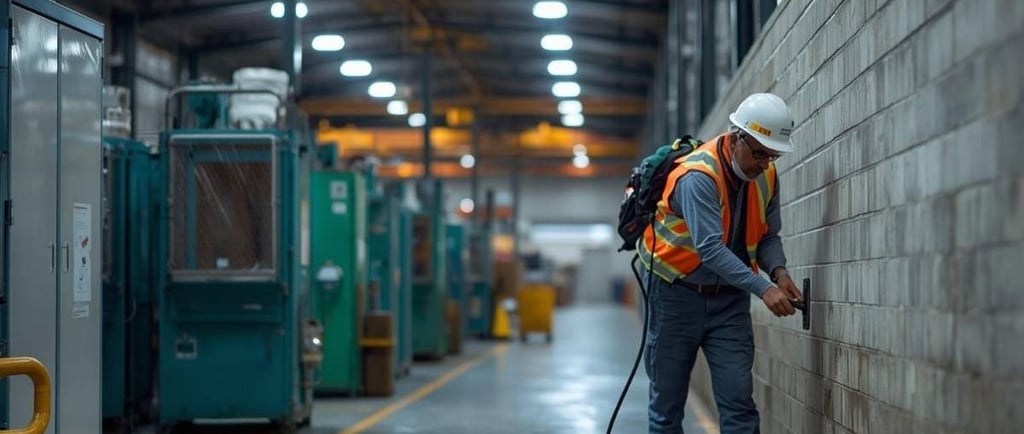

Introduction to Commercial Pest Control
Pest control in commercial environments is a critical aspect of management, particularly in dynamic cities like Chennai, where warehouses, restaurants, and factories face unique challenges. These businesses are often at risk of pest infestations due to the high volume of goods, food products, and raw materials they handle. Efficient pest control is essential not only for protecting physical assets but also for ensuring the health and safety of employees and customers.
In the context of warehouses, maintaining a pest-free environment is vital as stored products can attract a variety of pests, including rodents and insects. A rodent infestation can lead to severe consequences, including contamination of products, damage to packaging, and a compromised supply chain. Moreover, the presence of pests can diminish the reputation of a business and lead to financial losses if customers lose confidence in the brand.
Restaurants, on the other hand, are particularly vulnerable to pest problems. The proximity of food to waste disposal areas creates a favorable breeding ground for pests. Infestations can directly impact health inspections, resulting in fines and forced closures that are detrimental to business operations. A failure to implement effective pest control measures in this sector can lead to significant health risks for patrons, including foodborne illnesses that could lead to liability issues.
Factories, similarly, face the threat of pest infiltration, especially where raw materials are present. Insects and rodents can damage equipment, spoil ingredients, and cause inefficiencies in production. Implementing robust pest control strategies is therefore crucial for maintaining operational effectiveness and compliance with health and safety regulations.
In summary, commercial pest control is indispensable for warehouses, restaurants, and factories in Chennai. The consequences of neglecting this aspect of management can have wide-ranging impacts, highlighting the need for proactive and effective pest management solutions tailored to the specific requirements of each commercial setting.
Common Rodent Issues in Commercial Settings
Rodent infestations are a significant concern for commercial establishments such as warehouses, restaurants, and factories in Chennai. The presence of rodents can lead to various problems, including contamination of products, structural damage, and severe health risks. The most common types of rodents found in these commercial settings include rats and mice, particularly the Norway rat, roof rat, and house mouse.
One of the key indicators of a rodent problem is the discovery of droppings, which are often found near food storage areas, along walls, or in secluded corners. Gnaw marks on packaging or structural elements are another sign of an ongoing infestation. Additionally, noises such as scratching or squeaking, especially during the night, can indicate the presence of rodents, as they are primarily nocturnal. Burrows or pathways, typically found in warehouses or factories, also signal that rodents are not only present but potentially active in those areas.
The potential risks associated with rodent infestations in commercial settings cannot be understated. First and foremost, rodents are notorious for transmitting harmful diseases to humans, including leptospirosis, hantavirus, and salmonella. Contaminated food products can lead to severe health issues, forcing businesses to incur additional costs related to product recalls, waste disposal, and legal ramifications. Moreover, rodents can cause significant damage to properties by chewing through electrical wiring and insulation, which may result in fire hazards or costly repairs.
Additionally, the negative impact of a rodent infestation on a business’s reputation can lead to a loss of customer trust and potential revenue. In the food industry, for instance, customers are less likely to frequent establishments known for pest issues, leading to reduced foot traffic. It is crucial for commercial establishments to engage in proactive pest control measures to mitigate these rodent issues effectively.
Effective Bait Station Installation Techniques
When it comes to commercial pest control, the installation of bait stations is a critical element in managing pest populations effectively. The strategic placement of these stations can significantly enhance their efficacy. It is essential to conduct a thorough inspection of the property to identify areas of high pest activity, including entry points, nesting sites, and feeding areas. This assessment will guide the placement of bait stations to ensure they are positioned correctly for maximum impact.
Types of bait used in these stations vary based on the targeted pests. Commonly, rodenticides and insect baits are employed depending on whether the concern is with rodents or insects. When choosing the type of bait, safety must also be a priority. It is advisable to select baits that are specifically formulated for use in commercial settings, ensuring they are compliant with local regulations and safe for the environment. Additionally, tamper-resistant bait stations should be employed to prevent unauthorized access and accidental ingestion by non-target species, including pets and children.
Furthermore, the installation of bait stations requires adherence to local safety regulations. It is imperative to be knowledgeable about the guidelines set forth by local health and safety authorities when installing bait stations. This includes maintaining distances from public areas, food storage zones, and ensuring that stations are clearly marked to avoid hazards. Regular monitoring and maintenance of bait stations are equally important. This involves checking the bait levels, replenishing as necessary, and ensuring the stations remain functional and secure. Documenting the location and status of each bait station allows for a structured pest control program that can be adjusted based on effectiveness over time.
Trapping Methods for Rodent Control
Effective rodent control is paramount for maintaining a pest-free environment in warehouses, restaurants, and factories. Among various control techniques, trapping methods have emerged as one of the most reliable ways to manage rodent populations. There are three primary types of traps used in commercial pest control: snap traps, live traps, and electronic traps. Each type has unique characteristics that suit different operational environments.
Snap traps are perhaps the most commonly recognized method for rodent control. These devices are designed to quickly kill rodents upon activation. Their advantages include low cost and ease of use, making them accessible for multiple commercial settings. However, they can pose a risk of non-target species being caught, which necessitates careful placement in areas where only rodents are likely to encounter them.
On the other hand, live traps offer a more humane approach, capturing rodents alive for later release. This method appeals to those concerned with animal welfare. While effective at trapping rodents, live traps require regular monitoring and maintenance to ensure that trapped rodents do not suffer. Additionally, their use may involve legal considerations regarding the release of captured animals.
Electronic traps represent a modern solution in rodent control technology. These traps deliver a quick electric shock to incapacitate rodents instantly. The benefits of electronic traps include their efficiency and ability to monitor capture rates via connected apps, ensuring immediate reporting. Nevertheless, they often come at a higher cost and require a power source, which can limit their applicability in certain areas.
The choice of trapping method largely depends on the specific needs of the establishment, the level of infestation, and operational constraints. It is crucial to select a method that aligns with safety standards and is conducive to the facility's operational flow while ensuring effective rodent control.
Rodent Proofing Techniques for Commercial Facilities
Effective rodent proofing is essential for maintaining the integrity of commercial facilities such as warehouses, restaurants, and factories in Chennai. Given the tropical climate of the region, certain preventative measures can enhance the effectiveness of rodent control. The first step is to identify potential entry points. These are often found around doors, windows, and structural cracks. Inspect the exterior of your facility and look for gaps that are larger than one-fourth of an inch, as rats and mice can easily squeeze through these openings. Utilizing a flashlight during your inspection can help highlight areas that require attention.
Once potential entry points are identified, sealing gaps should be the next priority. Use sturdy materials such as steel wool or metal mesh to seal cracks, and apply caulking or weather-stripping around windows and doors. It is crucial to ensure that all entry points are securely covered to prevent any rodent infiltration. Additionally, keeping doors closed at all times, especially those that lead to service areas, plays a significant role in deterring rodent access.
Maintaining a clean environment is another vital component of rodent proofing. This involves regular cleaning routines to remove food waste and debris that may attract rodents. Staff members should be trained in proper waste disposal and encouraged to keep food items stored in airtight containers. Furthermore, it is advisable to conduct regular inspections of the premises to identify any signs of rodent activity, such as droppings or gnaw marks.
In Chennai, where humidity can contribute to faster decomposition of organic material, swift action in maintaining cleanliness is especially important. Implementing the above rodent proofing techniques can significantly reduce the risk of infestations in your commercial facility, contributing to a safer and healthier environment.
FSSAI Compliance and Safety Standards
In the realm of food service and production, adherence to the Food Safety and Standards Authority of India (FSSAI) guidelines is critical. For restaurants and food-related businesses in Chennai, FSSAI compliance encompasses various aspects, including pest control measures, to ensure the safety of food products. Pests such as rodents and insects can carry diseases and contaminate food, thus, effective pest management strategies are essential for maintaining hygiene standards mandated by the FSSAI.
The FSSAI stipulates that food businesses must implement preventive pest control measures that effectively safeguard food items from contamination. This includes regular inspections and monitoring of potential pest entry points and the establishment of a pest control program with documented procedures. Documentation is vital; businesses must maintain records of pest control activities to demonstrate compliance during inspections by health authorities. These records should detail frequency of treatments, types of pesticides used, and pest sightings.
Best practices for achieving FSSAI compliance include engaging licensed pest control professionals who can offer tailored solutions appropriate for the specific environment of the business. These specialists should employ integrated pest management (IPM) approaches, which prioritize non-chemical pest control methods where feasible, along with judicious use of pesticides when necessary. Regular training of staff on sanitation practices, pest identification, and the importance of reporting pest sightings can also enhance compliance and safety.
Ultimately, maintaining FSSAI compliance not only helps in ensuring pest-free operations but also builds trust with customers. A commitment to safety standards reflects a food business's dedication to quality and hygiene, which is imperative in the competitive food industry landscape in Chennai.
Ongoing Maintenance: AMC Packages for Pest Control
In the realm of commercial pest control, particularly for establishments such as warehouses, restaurants, and factories in Chennai, ongoing maintenance is crucial to ensure a pest-free environment. One of the most effective ways to achieve this is through Annual Maintenance Contracts (AMCs). These packages are designed to provide comprehensive pest control services tailored to the specific needs of businesses.
Typically, AMC packages include regular inspections, preventive treatments, and emergency call-outs in case of pest infestations. Businesses can expect scheduled visits from pest control professionals who will not only apply necessary treatments but also assess the premises for any potential pest-related vulnerabilities. This proactive approach is vital in identifying issues before they escalate into serious infestations.
Pricing structures for AMC packages can vary significantly based on the size of the establishment, the type of services included, and the frequency of treatments. Typically, charges may be structured on a monthly or quarterly basis, with an annual contract providing cost savings over one-time treatments. It is advisable for businesses to obtain quotes from multiple service providers to ensure they select a package that best fits their budget while meeting their pest management needs.
The benefits of opting for an AMC package extend beyond just preventing infestations. Regular maintenance not only safeguards the health of employees and customers but also protects the integrity of the building and its assets. Establishments that maintain a pest-free environment are more likely to sustain their reputation and ensure compliance with health regulations.
In conclusion, investing in AMC packages for pest control is an essential strategy for commercial entities in Chennai looking to maintain an efficient, pest-free operational environment. Such packages represent a commitment to ongoing pest management and operational excellence.
Address:
264/5, Kamal Soroni Road, Mirpur, Dhaka-1216
Contact
Your Quaries on pest control askings
pestexterminatorbd@gmail.com
+8801642008383 +8801988300003, 01723057746
© 2025. All rights reserved. to Urban Pest Control Pvt. Ltd. this site is powered by Our Own IT Team