
Rodent Infestation Threatens Dhaka Restaurants: Expert Solutions Available
2/17/20267 min read
Introduction to Rodent Issues in Food Establishments
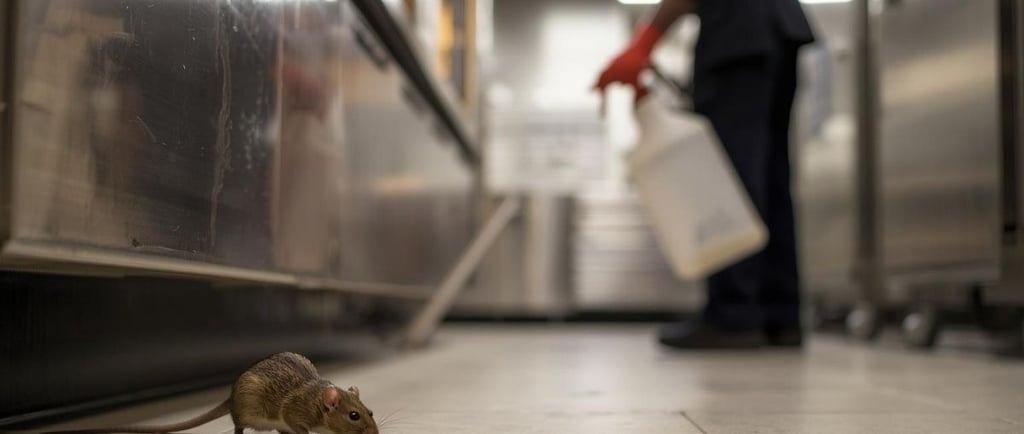
Recent years have witnessed a significant increase in rodent-related complaints across food establishments, raising concerns regarding public health and business integrity. These complaints are not merely anecdotal; they arise from growing evidence suggesting that urbanization, climate change, and economic hardships contribute to escalating rodent populations in dining environments. Factors such as increased food waste and environmental disturbances are catalysts for rodent infestations, which pose serious risks to food safety and consumer confidence.
Food establishments, encompassing restaurants, cafes, and catering businesses, face operational challenges that can exacerbate rodent issues. For instance, poorly maintained facilities with inadequate waste management systems provide ideal conditions for rodents to thrive. Small cracks and crevices often go unnoticed, serving as entry points for these pests, further complicating efforts to uphold food safety standards. Moreover, budget constraints may lead some establishments to delay necessary repairs or prioritization of comprehensive pest control programs, inadvertently attracting rodents.
Addressing rodent complaints promptly is paramount for maintaining public health and protecting business reputation. The presence of rodents in food establishments can lead to serious health risks, including the transmission of diseases such as Salmonella and Hantavirus. Furthermore, the public perception of a food establishment can deteriorate rapidly following rodent sightings, resulting in lost customers and diminished revenue. Therefore, early intervention strategies, adequate pest control measures, and routine inspections should be implemented to not only mitigate the risks associated with rodent infestations but also to foster a culture of food safety within the hospitality sector.
Health and Legal Risks for Restaurants
Rodent infestations in food establishments pose significant health risks, as these pests can carry numerous diseases that can impact public health. Some of the most concerning diseases linked to rodent presence include leptospirosis, hantavirus, salmonella, and lymphocytic choriomeningitis. These diseases can lead to severe health complications, particularly in vulnerable populations such as the elderly, pregnant women, and individuals with weakened immune systems. The potential for outbreaks is heightened in restaurants, where food handling and preparation are compromised by contamination from rodent droppings, urine, and hair.
Beyond health risks, restaurant owners face serious legal ramifications if they fail to maintain sanitary conditions. Health and safety regulations are strictly enforced to ensure the safety of food served to the public. Violation of these regulations due to rodent infestations can result in hefty fines, mandatory closures, and even revocation of operating licenses. Regulatory bodies often conduct inspections, and any indication of pest infestations can lead to immediate action against the establishment.
Furthermore, the financial implications of rodent-related issues can be devastating. In addition to direct costs associated with fines and potential repairs or pest control measures, restaurants may suffer from loss of revenue due to negative publicity and declining customer trust. Negative reviews and social media backlash can lead to a significant drop in patronage, ultimately threatening the establishment’s viability. Therefore, addressing rodent infestations promptly not only safeguards public health but also protects the financial interests of the restaurant. In light of these risks, proactive strategies for rodent prevention and management should be prioritized to ensure compliance with health standards and maintain the establishment's reputation.
Preventive Sanitation Measures
In the food service industry, the implementation of preventive sanitation measures is vital in mitigating the risks posed by rodent infestations. Establishments must prioritize proper food storage practices to protect against these pests. This includes keeping food items stored in sealed containers and ensuring that all perishables are correctly refrigerated. By minimizing access to food sources, restaurants can effectively discourage rodents from invading their premises.
Moreover, efficient waste management practices should be emphasized. It is crucial for restaurants to regularly dispose of waste and maintain cleanliness in garbage areas. Waste bins should be covered securely to prevent rodents from foraging. Establishing a routine for disposing of trash, especially after peak service hours, can significantly reduce attractants for pests.
A consistent and thorough cleaning schedule is another essential measure that food establishments should implement. Regular cleaning of floors, countertops, and food preparation areas not only maintains a hygienic environment but also helps to identify signs of potential infestations early. A clean space is less inviting for rodents, thus combining sanitation efforts with regular inspections can help managers catch any issues before they escalate.
Employee training plays a pivotal role in executing successful sanitation measures. All staff members must be educated on the importance of cleanliness and practices that prevent rodent entry. This includes recognizing signs of infestation and proper reporting mechanisms if these signs are identified. Training should also extend to understanding pest control strategies, complementing sanitation efforts. By fostering an environment of awareness and responsibility, establishments can better protect themselves against potential rodent problems.
Urban Pest Control Pvt. Ltd.’s Rodent Control Services
Urban Pest Control Pvt. Ltd. is a leading provider of pest management solutions, particularly in the realm of rodent control for food establishments. Understanding the critical nature of maintaining hygiene and safety standards in the food industry, their team offers specialized services tailored to meet the unique challenges posed by rodent infestations.
One of the hallmarks of Urban Pest Control’s approach is their meticulous rodent identification process. Skilled technicians conduct comprehensive inspections to assess the extent of rodent activity and identify breeding grounds. By utilizing advanced monitoring tools and techniques, they are able to accurately detect rodent entry points and signs of infestation, which is crucial for implementing effective corrective actions.
In addition to traditional methods, Urban Pest Control prioritizes modern techniques and technologies in their rodent management strategy. This includes the deployment of state-of-the-art traps, electronic monitoring systems, and baiting solutions that minimize risks to food safety. By integrating these technologies, the company can ensure a swift response to any rodent activity, significantly reducing the likelihood of contamination within food establishments.
Moreover, Urban Pest Control stands out for its commitment to eco-friendly methods. The company employs integrated pest management (IPM) practices that prioritize non-toxic solutions, minimizing environmental impact while ensuring the safety of staff and patrons in food service settings. The use of green products reflects their dedication to providing sustainable pest control solutions without compromising effectiveness.
Numerous success stories from satisfied clients highlight the efficacy of Urban Pest Control’s services. Testimonials reveal transformations in previously infested establishments, showcasing the company’s ability to restore safety and hygiene. With their comprehensive approach to rodent control, Urban Pest Control Pvt. Ltd. positions itself as an invaluable partner to food establishments aiming to combat rodent issues effectively.
Customer Safety and Hygiene Importance
The significance of customer safety and hygiene in food establishments cannot be overstated. In an era where consumer expectations around cleanliness are heightened, maintaining an impeccable environment is crucial for upholding a restaurant's reputation. Customers tend to prioritize hygiene and safety, especially when dining out. Reports of rodent infestations serve as alarming indicators of poor sanitary practices, which can rapidly lead to a loss of trust among patrons. A single instance of a rodent sighting can discourage existing customers from returning and deter new clientele, ultimately impacting sales and profitability negatively.
With a focus on food safety, restaurants must adopt stringent cleanliness protocols to minimize the risk of rodent-related issues. Effective pest management strategies not only prevent infestations but also reassure customers that the establishment is committed to their well-being. By maintaining a clean and hygienic environment, restaurants signal to customers that their health and safety are priorities. This not only enhances the dining experience but also fosters loyalty and encourages repeat visits, essential components for long-term success.
Furthermore, understanding consumer behavior reveals that many diners are inclined to share their experiences on social media or review platforms. Negative feedback related to hygiene can spread quickly, damaging an establishment's reputation. On the contrary, positive reviews highlighting cleanliness can attract more customers, showcasing the importance of maintaining rigorous hygiene standards. Therefore, it is essential for food establishments to adhere to health regulations and conduct regular inspections. By prioritizing customer safety through hygiene, restaurants bolster their credibility and maintain a favorable standing in the competitive food service industry.
Case Studies of Rodent Complaints in High-Profile Restaurants
In recent years, several high-profile restaurants have faced significant rodent complaints, underscoring the broader issue of pest management in the food service industry. One notable case involved a luxury dining establishment in New York City, renowned for its five-star rating and celebrity clientele. The restaurant received multiple complaints regarding sightings of rodents in the kitchen and dining areas. In response, the management conducted an immediate inspection, leading to the discovery of gaps in the building's infrastructure that allowed entry for the rodents. Following this incident, the restaurant implemented more stringent pest control measures, including regular inspections and sealing off potential entry points, improving overall hygiene and customer confidence.
Another incident occurred in a popular chain restaurant in San Francisco, where health inspectors found evidence of rodent droppings in food storage areas. The establishment faced immediate criticism, prompting a swift reaction from the corporate headquarters, which mandated an overhaul of health and safety protocols. Staff received training on preventing rodent infestations, and the restaurant established a close collaboration with a pest control service for ongoing monitoring. As a result of these changes, the restaurant not only restored its reputation but also improved its health inspection scores significantly in subsequent evaluations.
A similar case unfolded in a fast-casual eatery in Chicago, which had a reputation for its fresh ingredients and vibrant atmosphere. Following a viral social media post highlighting the presence of rodents, the restaurant was forced to close temporarily for extensive sanitation and repair work. The owner took the opportunity to engage with patrons through transparent communication both on social media and within the restaurant, detailing the steps taken to ensure food safety. This response not only mitigated negative publicity but also fostered a sense of community and trust among regular customers.
Conclusion and Call to Action
In reviewing the recent rodent complaints within food establishments, it is imperative to acknowledge the multiplicity of risks associated with rodent infestations. Such infestations not only jeopardize food safety standards but also threaten the reputations of businesses and the well-being of customers. The impacts range from contamination and disease transmission to potential business closures and legal repercussions due to health code violations.
Throughout this discussion, we have explored various factors contributing to rodent problems in food facilities, including inadequate sanitation practices, structural vulnerabilities, and the significance of proactive pest management strategies. It has become evident that maintaining a clean, well-monitored environment is key for restaurants and food service providers aiming to prevent rodent problems. Furthermore, employing comprehensive pest control measures is essential for safeguarding food safety and customer trust.
To effectively combat rodent infestations, food establishments are encouraged to seek the expertise of professional pest control services, such as Urban Pest Control. These professionals offer tailored pest management solutions that not only address existing rodent issues but also implement preventive measures to thwart future infestations. By engaging with reputable pest control specialists, restaurant owners can ensure that their establishments remain secure against pests, thus preserving the highest food safety standards.
In conclusion, addressing rodent complaints should be a priority for all food establishments. By committing to proactive pest management and engaging experts in the field, restaurant owners can enhance their operational integrity, secure customer satisfaction, and protect their establishments from the threats posed by rodents.
Address:
264/5, Kamal Soroni Road, Mirpur, Dhaka-1216
Contact
Your Quaries on pest control askings
pestexterminatorbd@gmail.com
+8801642008383 +8801988300003, 01723057746
© 2025. All rights reserved. to Urban Pest Control Pvt. Ltd. this site is powered by Our Own IT Team