
School & Hospital Pest Control in Bangladesh: Protecting Public Health in 2026
2/22/20268 min read
The Importance of Pest Control in Hospitals and Schools
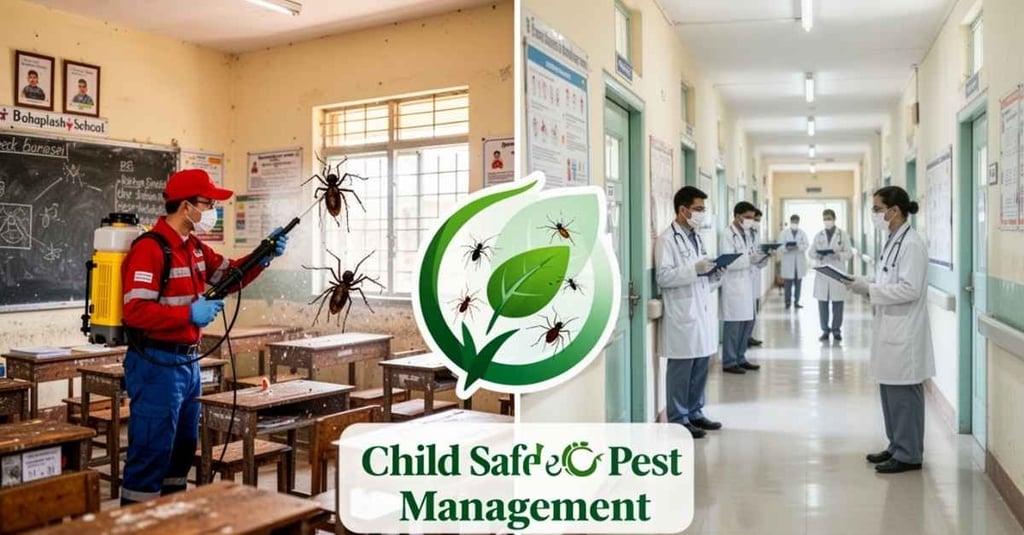
Pest control plays a critical role in maintaining health standards within hospitals and schools, especially in Bangladesh, where vulnerable populations are particularly at risk. Healthcare facilities are tasked with providing a safe environment for patients who may already be immunocompromised, while educational institutions cater to children, who are often more susceptible to diseases. The presence of pests such as rodents, cockroaches, and flies can lead to significant health risks, as these pests are carriers of various pathogens that can cause infections and disease outbreaks.
Moreover, both hospitals and schools are required to comply with various regulatory mandates that stipulate hygiene and sanitation standards. The failure to implement effective pest control measures can lead to non-compliance with these regulations, which may result in fines or sanctions. Furthermore, previous incidents of pest infestations in public facilities have garnered media attention, raising awareness about the importance of hygiene and pest management. Such events often lead to heightened anxiety and distrust among the public, impacting the reputation of the institutions involved.
The implications of pest infestations extend beyond immediate health risks; they significantly affect the overall safety and quality of the educational and healthcare environments. By putting an effective pest control plan into action, not only can institutions protect the health of their occupants, but they can also maintain a positive image within the community. This fosters trust among parents, patients, and staff. A reputation for excellence, safety, and hygiene is paramount, as it influences the decisions of parents choosing schools for their children and patients seeking medical care. Thus, pest control is not merely an operational concern but a fundamental aspect of organizational responsibility.
Child-Safe and Eco-Friendly Pest Control Methods
In Bangladesh, the health and safety of children are paramount, particularly in settings like schools and hospitals where they spend significant time. To address pest management in these environments effectively, the approach must integrate child-safe and eco-friendly pest control methods. One of the leading strategies is Integrated Pest Management (IPM), which emphasizes a holistic approach. IPM involves regular monitoring, preventive measures, and using biological control methods that are less harmful to human health and the environment.
Employing IPM entails understanding the life cycles and habitats of pests, allowing for informed decision-making regarding pest control interventions. For instance, ensuring proper sanitation and waste management can significantly reduce pest attraction. Additionally, encouraging natural predators, such as ladybugs or parasitic wasps, can help control pest populations without the use of harmful chemicals.
When chemical treatments are necessary, it is critical to choose alternatives that are safer for children and the environment. Products based on plant extracts or those derived from natural substances often pose less risk compared to traditional chemical pesticides. These natural formulations can target specific pests while minimizing exposure to humans. Furthermore, applying these solutions at times when children are not present helps to enhance safety.
Educating staff, students, and parents about the importance of eco-friendly pest control is essential. Awareness campaigns can promote behaviors that reduce pest habitats, such as keeping areas clean and dry or reporting pest sightings promptly. The commitment to evaluating and implementing child-safe pest control strategies should be a collaborative effort among school administrators, healthcare providers, and pest management professionals. Such partnerships foster an environment that prioritizes health and safety, ensuring that pest management practices contribute positively to the overall well-being of children. In conclusion, adopting integrated and eco-friendly pest control methods is crucial for the safety of vulnerable populations in hospitals and schools across Bangladesh.
Monthly Inspection & Compliance Checklist
Effective pest control in schools and hospitals is paramount to maintaining a safe and healthy environment for students and patients alike. One of the critical components of a successful pest management strategy is the implementation of a monthly inspection and compliance checklist. This checklist not only helps in adhering to health codes but also assists in identifying issues before they escalate.
First and foremost, conducting a thorough inspection of premises should be prioritized. Key areas to focus on include kitchens, storage rooms, restrooms, and outdoor spaces. Inspect these locations for signs of pest activity such as droppings, nests, or damages caused by pests. Proper sanitation practices are also essential; thus, ensuring that refuse is regularly removed and that food storage areas are kept clean will significantly reduce the attraction of pests.
Documentation plays a crucial role in pest management. After each inspection, record any pest sightings along with the corresponding locations and dates. This information is invaluable for tracking pest trends over time and helps in strategizing future eradication efforts. Identifying patterns can provide insights into potential vulnerabilities within the facility that require further attention.
In addition to pest sightings, it's important to maintain a log of completed preventative measures, such as sealing entry points, installing screens, and employing natural deterrents. Regularly reviewing and updating these logs ensures compliance with pest control standards and enhances overall safety.
Lastly, involving staff members in pest awareness training can be beneficial. Educating personnel about the significance of reporting any pest sightings immediately fosters a culture of vigilance and ensures that proactive measures are taken promptly. Therefore, a structured monthly inspection and compliance checklist is an indispensable tool for institutions aiming to uphold high standards of pest control.
Choosing Licensed Pest Control Companies in Bangladesh
When selecting a pest control company for hospitals and schools in Bangladesh, it is crucial to prioritize licensed professionals. Licensed pest control companies are mandated to comply with local regulations and standards, ensuring that their practices are safe and effective. Therefore, verify that the company holds the necessary licenses and certifications to operate legally in Bangladesh. This initial step lays the groundwork for securing quality pest control services.
Experience is another significant criterion when evaluating potential pest control companies. Companies with extensive experience are likely to be more adept at handling the unique challenges posed by educational and healthcare environments. Investigating the company’s track record can provide insights into their expertise in managing pest issues similar to those faced by hospitals and schools. Consider seeking firms that have been in the industry for several years, as longevity often correlates with reliability and skill.
Client reviews and testimonials serve as an essential resource for assessing the quality of a pest control service. Look for feedback from other institutions, particularly those in the same sector. Positive reviews indicate that a company has a reputation for delivering satisfactory results. It is advisable to inquire about specific pest management solutions used and gauge client satisfaction in terms of both service effectiveness and customer support.
Furthermore, transparency is vital when choosing a pest control company. Reputable firms should provide clear information regarding their methods, products used, and potential impacts on the environment and health. Establishing a service agreement outlining the scope of services, pricing, and any guarantees is crucial in fostering a clear understanding between the institution and the pest control provider. By following these steps, hospitals and schools can confidently select licensed pest control companies that meet their specific needs.
Challenges of Pest Management in Urban Bangladesh
Urban areas in Bangladesh, particularly in the context of hospitals and schools, face unique challenges concerning effective pest management. One of the primary obstacles is the high population density. Cities like Dhaka are among the most densely populated in the world, leading to increased interactions between humans and pests. This situation creates a fertile breeding ground for various pest species, including rodents, cockroaches, and insects, which pose serious health risks to vulnerable populations such as children and patients in healthcare facilities.
Another significant challenge is inadequate sanitation. The rapid urbanization in Bangladesh has often outpaced the development of proper sanitation infrastructure. Many areas suffer from poor waste management, with litter and organic waste providing sustenance and habitats for pests. In hospitals and schools, maintaining cleanliness is crucial for preventing pest infestations; however, limited resources and varying compliance with sanitation practices can hinder these efforts.
Climate factors also play a critical role in pest management issues in urban settings. Bangladesh's tropical climate, characterized by high temperatures and humidity, is conducive to pest proliferation. Seasonal monsoons further exacerbate the situation, as standing water encourages mosquito breeding. Educational institutions and healthcare facilities must adopt proactive measures during these periods to mitigate the impacts of pests.
To address these challenges, community involvement is essential. Educational initiatives targeting staff, students, and the local community can promote awareness of pest prevention strategies. Collaborations between schools, hospitals, and local authorities can lead to improved waste management practices and ensure that sanitation standards are upheld. Implementing integrated pest management (IPM) strategies that combine biological control with community education can enhance the effectiveness of pest control efforts in urban Bangladesh.
Case Studies: Successful Pest Control in Schools and Hospitals
In Bangladesh, various educational institutions and healthcare facilities have implemented effective pest control strategies, showcasing their success in managing pest-related issues. A notable example is the initiative undertaken by a government hospital in Dhaka, where authorities observed a surge in rodent populations. The management collaborated with pest control experts to create a comprehensive plan. The methods embraced included inspection of premises, sanitation improvement, and installation of bait stations. Within months, rodent sightings decreased significantly, illustrating the importance of a multifaceted approach.
Similarly, a prominent secondary school in Chittagong faced challenges with cockroach infestations, which posed health risks to students. School management engaged with a pest management firm that used Integrated Pest Management (IPM) strategies. The first phase involved inspecting areas where cockroaches congregated, such as kitchens and storage areas. Following the inspection, the firm conducted targeted applications of non-toxic insecticides combined with environmental controls, such as sealing entry points and improving waste management practices. As a result, the school reported a sharp decline in cockroach-related complaints, thus creating a safer learning environment for students.
These case studies also reveal valuable lessons. The significance of regular pest inspections cannot be overstated; being proactive rather than reactive is essential in pest management. Additionally, ongoing training for staff on proper sanitation and pest identification enhances awareness and retention of successful pest control practices. Institutions considering similar measures can draw inspiration from these successful case studies. By employing well-structured pest control plans, schools and hospitals in Bangladesh can not only address current pest infestations but also establish sustained pest prevention practices for the future.
The Future of Pest Control in Bangladesh: Trends and Innovations
The landscape of pest control in hospitals and schools across Bangladesh is poised for significant transformation due to advancements in technology and practices. As pests increasingly adapt to traditional control methods, innovative approaches are becoming essential. One emerging trend is the integration of advanced pest detection technologies. Utilizing sophisticated tools like sensors and smart traps can facilitate real-time monitoring of pest populations. These innovations allow facilities to identify infestations earlier and respond proactively, thereby minimizing disruption in educational and healthcare environments.
Another critical development is the increasing use of biodegradable chemicals in pest management. In response to growing environmental concerns, pest control companies are formulating less harmful substances that are effective yet safe for sensitive areas such as schools and hospitals. These environmentally friendly solutions not only mitigate health risks but also comply with stringent regulations aimed at protecting public health. The shift towards sustainable pest control methods reflects a broader commitment to ecological responsibility while maintaining high standards of cleanliness and safety.
Education and training also play a vital role in shaping the future of pest control practices in Bangladesh. Ensuring that staff in hospitals and schools are well-informed about the latest pest management strategies fosters a culture of safety and vigilance. By incorporating comprehensive training programs focused on integrated pest management (IPM) principles, facilities can empower their teams to make informed decisions, respond effectively, and adopt preventive measures. This holistic approach emphasizes collaboration between pest control professionals and facility personnel, creating a safer environment for both patients and students.
In summary, the future of pest control in Bangladesh will be characterized by the adoption of cutting-edge technologies, sustainable practices, and enhanced training initiatives. These trends will not only enhance pest management efficiency but will also contribute to healthier and safer environments in hospitals and schools, reflecting a commitment to both public health and environmental sustainability.
Address:
264/5, Kamal Soroni Road, Mirpur, Dhaka-1216
Contact
Your Quaries on pest control askings
pestexterminatorbd@gmail.com
+8801642008383 +8801988300003, 01723057746
© 2025. All rights reserved. to Urban Pest Control Pvt. Ltd. this site is powered by Our Own IT Team