
School & University Pest Control: Student Safety Standards Worldwide
1/30/20267 min read
Introduction to Pest Control in Educational Institutions
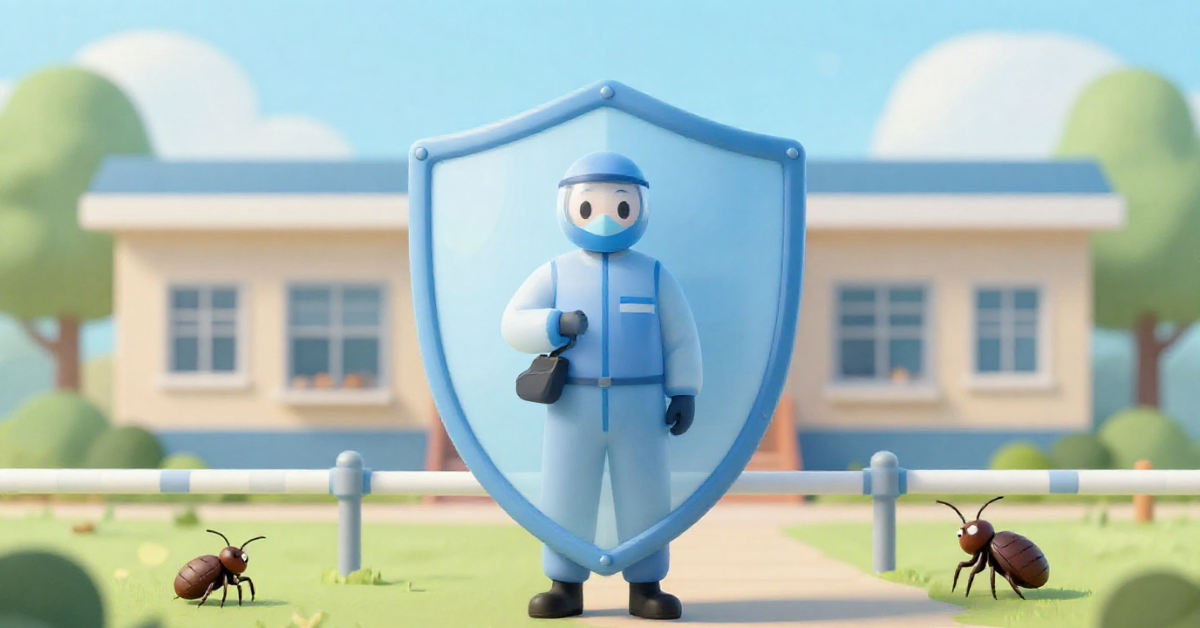
Pest control plays a vital role in ensuring the well-being of educational institutions, which encompass schools, colleges, and universities. The presence of pests can pose significant health risks to children and students, making effective pest management essential. Various types of pests, including rodents, insects, and even wildlife, can infiltrate educational settings, which not only compromises hygiene but also impacts the overall learning environment. Therefore, pest control is not merely a matter of preference; it is an absolute necessity for safeguarding the health and safety of individuals within these institutions.
Educational facilities face unique challenges regarding pest management. Unlike commercial or residential buildings, schools and colleges often have higher traffic and diverse populations. The increased activity can exacerbate pest issues, as children and students may inadvertently contribute to infestations through the sharing of food or belongings. Additionally, being responsible for the care of minors adds a layer of complexity to pest control strategies, as these measures must prioritize safety while effectively managing infestations.
A hygienic environment is essential for fostering learning and growth. Students' concentration and performance can be severely affected by pest-related disruptions, emphasizing the need for regular monitoring, preventive measures, and quick response to pest sightings. Furthermore, educational institutions must comply with health regulations, making effective pest control a mandatory component of operation. The implementation of a robust pest management plan not only reduces the incidence of pests but also helps to promote a safe, secure, and conducive environment for learning. Thus, understanding the importance of pest control in educational settings is fundamental to developing efficient management practices.
Child Safety and Pest Control
The safety of children within educational institutions is of paramount importance, and effective pest control plays a critical role in safeguarding their health and well-being. Pests such as rodents, insects, and other vermin can introduce various risks, including allergens and diseases that might adversely affect a child's health. For instance, exposure to the droppings of certain pests, such as cockroaches, is known to exacerbate asthma symptoms and trigger allergic reactions in sensitive individuals. Understanding these risks is essential for educational institutions aiming to foster a safe learning environment.
Moreover, the psychological impacts of pest infestations cannot be overlooked. The presence of pests can cause fear and anxiety among students, potentially leading to decreased focus and a lower quality of education. Parents and guardians often express concerns regarding the cleanliness and safety of school facilities, emphasizing the need for proactive pest management strategies that adhere to established guidelines.
To address these challenges, educational institutions must prioritize pest management practices that align with regulatory standards designed to protect children's health. This includes implementing Integrated Pest Management (IPM) strategies that emphasize non-chemical methods, regular inspections, and preventive measures to minimize the risk of infestations. Schools can also enforce policies requiring transparent communication with parents about pest control efforts and potential health impacts, ensuring a collaborative approach to child safety.
In addition to these strategies, the training of staff and awareness initiatives can empower educators and school personnel to identify pest-related issues promptly and take appropriate action. This education helps in fostering an environment where both preventative and responsive measures are part of the school's culture. By embedding safety protocols within the operational framework, educational institutions can substantially mitigate the effects of pests on children's health and create a more conducive learning atmosphere.
Hygiene Standards for Educational Facilities
Maintaining high hygiene standards in educational institutions is vital for creating a safe and effective learning environment. Educational facilities, such as schools and universities, are vulnerable to pest infestations if proper cleanliness protocols are not implemented. A clean environment not only contributes to the health of students and staff but also plays a crucial role in pest control.
Regular cleaning routines should include daily tasks such as sweeping, mopping, and disinfecting surfaces, as well as weekly and monthly deep cleaning sessions. Special attention should be paid to areas that are often overlooked, such as corners, underneath furniture, and around waste disposal locations. These areas can harbor food residue and clutter, which attract pests. Additionally, restrooms and cafeterias are high-risk zones where hygiene practices must be strictly enforced, as they can be breeding grounds for insects and rodents.
Implementing proper waste management is another essential component of hygiene standards. Educational institutions should ensure that trash bins are placed in accessible locations and emptied regularly to prevent overflow. Food waste should be disposed of immediately and in sealed containers to deter vermin. Establishing a recycling program can further reduce waste and encourage responsible environmental practices among students.
Education and training also play a fundamental role in maintaining hygiene standards. Conducting workshops for staff and students about the importance of cleanliness helps foster a collective responsibility towards pest prevention. Informing everyone about the signs of pest activity can facilitate early detection, ultimately minimizing the impact of infestations.
In summary, effective pest management in educational institutions is heavily reliant on stringent hygiene standards. By adhering to best practices of cleanliness, enforcing waste management policies, and fostering an educational culture around hygiene, institutions can significantly diminish the risk of pest-related problems.
Routine Inspections and Monitoring
Regular pest inspections are crucial for maintaining a pest-free environment within educational institutions, including schools, colleges, and universities. These proactive measures not only safeguard the health of students and staff but also protect the integrity of the facilities themselves. Establishing a routine inspection schedule is recommended, typically occurring at least on a quarterly basis; however, more frequent evaluations may be necessary depending on the level of pest activity noted in previous assessments.
During each inspection, facilities should be thoroughly examined for signs of various interlopers, such as rodents, ants, termites, and other common pests. Specific attention should be paid to areas like kitchens, cafeterias, and storage rooms, which are often prime locations for pest infestations due to the availability of food and shelter. Additionally, attention should be given to outdoor areas—such as playgrounds and sports fields—where pest harborage may go unnoticed. This comprehensive approach ensures that no potential pest threats are overlooked.
Proper documentation of inspections and monitoring findings is essential for effective pest management. Details such as the date of inspection, areas inspected, any pest sightings or signs, and recommendations for follow-up actions should be recorded in a pest management log. This documentation serves to track trends over time, helping facilities identify patterns of pest activity and the effectiveness of interventions. In this way, educational institutions can secure an ongoing strategy that minimizes the likelihood of pest infestations through timely identification and response.
Overall, the role of routine inspections and continuous monitoring in educational environments cannot be overstated. They form the foundation for a successful integrated pest management plan, promoting a safe atmosphere while enabling quick action to mitigate any emerging pest problems.
Non-Toxic Treatment Methods for Pest Management
Managing pests in educational institutions is critical, not only for safeguarding the physical premises but also for ensuring the well-being of children. Non-toxic pest treatment methods provide an effective alternative to traditional chemical approaches, emphasizing safety and environmental responsibility. One widely recognized method is Integrated Pest Management (IPM), which combines different strategies to minimize pest populations while reducing reliance on chemicals.
IPM often begins with assessing the pest situation and identifying potential sources of infestations. By understanding the specific pest and its habits, facilities can implement targeted interventions, such as improving sanitation and making structural repairs to eliminate access points. This proactive approach reduces the need for pest control substances, ensuring a safe environment for students and staff.
In addition to IPM, various organic treatments offer non-toxic solutions for pest management. Common options include diatomaceous earth, which disrupts insects’ exoskeletons, and essential oils, such as peppermint and clove oil, which repel a range of pests. These organic alternatives are not only safe for children but also environmentally friendly, supporting the sustainability goals of educational institutions.
Physical barriers also serve as crucial non-toxic measures to prevent pest infestations. Employing screens on windows and vents, sealing cracks and crevices, and using traps are effective strategies for keeping pests at bay without compromising safety. These methods are particularly important in schools, as children are more likely to be sensitive to chemical residues and potential health risks associated with toxic treatments.
Ultimately, the adoption of non-toxic pest management methods in educational institutions is vital for promoting health and wellness. By prioritizing eco-friendly solutions, schools can protect their students while also fostering a healthy learning environment.
Choosing Professional Exterminator Services
When it comes to selecting a pest control service for educational institutions, a comprehensive evaluation process is essential. Educational facilities require specialized pest management strategies that prioritize the safety and well-being of students and staff. One of the first considerations is the credentials of the pest control services. Ensure that the exterminators have appropriate certifications and licenses, which demonstrate their expertise in handling pest issues effectively.
Another important factor is the company's experience in dealing with educational settings. Pest control in schools, colleges, and universities often requires a nuanced understanding of the unique challenges these institutions face. Inquire about their familiarity with common school pests, as well as their methods for preventing pest invasions in a classroom environment. A provider that specializes in educational facilities will have tailored solutions that minimize disruption while ensuring safety.
Additionally, adherence to child-safe practices is non-negotiable. Many schools have strict guidelines surrounding the use of pesticides and chemicals. During the selection process, ask potential service providers how they ensure their treatments are safe for children and staff. Look for companies that utilize Integrated Pest Management (IPM) strategies, which emphasize preventive measures and aim to minimize hazards while ensuring educational environments remain pest-free.
It is also beneficial to establish a long-term partnership with a pest management provider. Regular inspections and ongoing communication can lead to more effective pest control solutions. When interviewing candidates, consider asking these critical questions: What is your approach to pest control in schools? What preventative measures do you recommend? How do you address and follow up on pest issues that arise? These inquiries can help ensure the selected service aligns with the institution's values and needs.
Safety Guidelines, Checklists, and FAQs
Ensuring a safe environment in educational institutions is paramount when implementing pest control measures. Schools, colleges, and universities must adhere to specific safety guidelines that protect both students and staff while effectively managing pest issues. One essential guideline is to use integrated pest management (IPM) strategies. This approach emphasizes prevention over reactive measures and includes regular inspections, monitoring pest populations, and employing non-chemical control methods whenever possible.
An effective checklist for pest control in educational settings should consist of several key elements. First, ensure that all staff is aware of the pest control policies in place and understands their roles in maintaining a pest-free environment. Inspection checklists should be created for different areas, focusing on common problem zones such as kitchens, restrooms, and storage areas. Regularly scheduled inspections can help identify potential pest entry points and breeding grounds before an infestation occurs.
When selecting pest control products, prioritize those that are approved for use in educational institutions. Always read labels and follow application instructions meticulously. Additionally, it's crucial to communicate with the facility maintenance staff regarding any pest control measures being implemented to synchronize efforts and maintain safety standards. Ensure that all hazardous materials are stored securely and that areas of application are marked and restricted until deemed safe for use.
Frequently asked questions often arise regarding pest control protocols in educational institutions. Key concerns include the safety of chemical pesticides and preparations for special events during pest management activities. Schools should provide clear information on the measures being taken and the types of products used. Engaging with parents and the community about pest control approaches enhances transparency and builds trust. By addressing these concerns, institutions can create a safer, more informed learning environment for all.
Address:
264/5, Kamal Soroni Road, Mirpur, Dhaka-1216
Contact
Your Quaries on pest control askings
pestexterminatorbd@gmail.com
+8801642008383 +8801988300003, 01723057746
© 2025. All rights reserved. to Urban Pest Control Pvt. Ltd. this site is powered by Our Own IT Team