
Scientific Approach to Pest Inspection: Integrated Pest Management (IPM) Checklist
2/25/20268 min read
Introduction to Integrated Pest Management (IPM)
Integrated Pest Management (IPM) is a comprehensive approach to pest control that incorporates a variety of strategies and practices to minimize pest populations while mitigating harm to the environment and human health. The central premise of IPM is to manage pests in an effective, economical, and ecologically sound manner. This is achieved by combining biological, cultural, mechanical, environmental, and chemical practices tailored to the specific needs of the ecosystem in question.
At its core, IPM emphasizes the use of preventive measures. By creating an environment that promotes the health of plants and animals, the likelihood of pest outbreaks is significantly reduced. This entails practices such as crop rotation, selecting pest-resistant plant varieties, modifying irrigation practices, and implementing sanitation measures to remove potential pest habitats. Such cultural practices are fundamental in maintaining a balance that discourages pest proliferation.
Biological control methods are another pillar of IPM. This involves utilizing natural predators or parasites to manage pest populations, thereby reducing the reliance on chemical pesticides. By understanding the ecological relationships between different species, IPM practitioners can enhance the efficacy of these natural agents in controlling pests.
Furthermore, mechanical and physical interventions, such as traps, barriers, and manual removal of pests, play an essential role in IPM. These methods can be effective in managing small pest populations with minimal environmental impact. While chemical controls are integrated into the IPM strategy, they are used judiciously and only when necessary, targeting specific pests and minimizing non-target effects.
The main objectives of IPM are to reduce pest damage while minimizing risks to human health and the environment. Achieving sustainable pest management through IPM not only addresses immediate pest issues but also promotes long-term ecological health, making it a vital component of modern agricultural and pest control practices.
Pest Monitoring Techniques
Effective pest management requires a thorough understanding of pest activity and population dynamics, which can be achieved through various pest monitoring techniques. These techniques are crucial in Integrated Pest Management (IPM) as they facilitate timely responses to potential infestations. The primary methods employed include traps, bait stations, visual inspections, and the use of technological tools.
Traps are one of the most common methods used for pest monitoring. They come in various forms, including sticky traps, pheromone traps, and snap traps, each designed for specific pests. For instance, sticky traps are effective for monitoring flying insects, while pheromone traps attract specific pests by emitting scent cues. This method not only captures pests but also provides valuable data on their population levels and activity periods.
Bait stations also play a significant role in monitoring pest populations. These stations not only serve as a pest control method but can also be configured to track pest activity by monitoring bait consumption rates. A decreased rate of bait consumption may indicate reduced pest populations or effective pest management interventions.
Visual inspections are another key technique in pest monitoring. Regular site inspections allow for the identification of pest signs such as droppings, nests, or damage to property. Staff trained in recognizing these indicators can assess the level of infestation quickly, enabling prompt action.
Advancements in technology have introduced modern tools into pest monitoring, such as infrared cameras and remote sensors. These tools provide real-time data on pest movements and environmental conditions conducive to pest activity. Incorporating these technological solutions can significantly enhance the accuracy of pest assessments, contributing to more effective pest management strategies.
In choosing the appropriate pest monitoring technique, factors such as the type of pest, the environment, and the specific goals of the pest management program must be considered. Employing a combination of these techniques can lead to a comprehensive understanding of pest populations, ultimately resulting in more effective and sustainable pest management solutions.
Establishing Threshold Levels
Threshold levels in integrated pest management (IPM) are critical benchmarks that help determine when intervention is necessary to manage pest populations effectively. These levels serve as a guideline for determining the extent of pest infestation that is acceptable without causing significant harm to crops or properties. Establishing these thresholds involves considering various factors such as the type of crop, pest species, growth stage of the crops, and prevailing environmental conditions.
When assessing threshold levels, the specific type of crop is a primary consideration. Different crops have varying tolerances to pest damage; for instance, some may sustain more loss before it impacts yield, while others may require immediate action at a lower pest population. Furthermore, pest species vary in their potential impact on a crop. Certain pests may cause more severe damage in a shorter period of time, necessitating a lower action threshold than others. This tailored approach ensures that pest management strategies align precisely with the needs of each specific agricultural situation.
Environmental conditions play another significant role in determining threshold levels. Factors such as weather patterns, soil health, and the presence of beneficial organisms all influence the dynamics of pest populations and the damage they can inflict. For example, wet conditions may lead to increased pest activity, thereby necessitating a reevaluation of established thresholds. As conditions change, continuous assessment and adjustments to threshold levels become essential in an effective IPM program.
In conclusion, establishing and regularly updating threshold levels are vital components of effective pest management. By carefully analyzing the relevant variables and maintaining an adaptive approach, stakeholders can ensure that pest control measures are implemented only when necessary, thus promoting sustainable and economically viable agricultural practices.
Sanitation Assessment and Its Role in IPM
Sanitation plays a crucial role in integrated pest management (IPM) by serving as a fundamental strategy for pest prevention. A sanitation assessment helps identify potential vulnerabilities in environments that can attract pests, including settings like residential properties, commercial facilities, and agricultural spaces. Areas that require close attention during a sanitation assessment include garbage disposal sites, food storage zones, and overall cleanliness throughout the premises.
Firstly, effective garbage disposal is vital. Unevenly stored or improperly disposed waste invites a variety of pests, from rodents to insects. Regularly scheduled waste removal and proper containment of refuse can significantly reduce the likelihood of pest infestations. Additionally, facilities should employ secure trash containers and ensure that lids are tightly fitted to deter animals and reduce odors that may attract pests.
Secondly, food storage practices are paramount in maintaining sanitation. Food should be stored in airtight containers to prevent access for pests. Expired or unconsumed food items should be disposed of promptly, reducing the chances of attracting vermin. Cleanliness in food preparation areas also contributes to pest deterrence; spills and residues should be cleaned immediately to inhibit potential pest activity.
Moreover, a comprehensive sanitation policy emphasizes the necessity of general cleanliness across all areas. This includes not only routine cleaning but also the maintenance of clutter-free environments. Pests often seek refuge in dark and neglected locations, so minimizing debris and properly organizing storage spaces can further discourage pest populations.
In summary, conducting a thorough sanitation assessment is essential for effective pest management. By identifying and addressing problem areas within garbage disposal, food storage, and overall cleanliness, facilities can significantly diminish pest populations. Implementing best sanitation practices fosters an environment that both promotes health and effectively mitigates the risks associated with pest infestations.
Structural Pest Risk Assessment
Conducting a structural pest risk assessment is a crucial step in preventing pest infestations. This process involves a comprehensive evaluation of buildings and other structures to identify potential entry points and conditions conducive to pest activity. The initial phase of the assessment focuses on visual inspections of the structure's exterior and interior. Inspectors look for cracks in walls, gaps around windows and doors, and any signs of decay or water damage, which can attract pests.
One of the most significant aspects of the assessment is evaluating the structural integrity of the building. Structural components such as foundations, beams, and roofs must be examined for weaknesses that pests can exploit. For example, wood that is weakened by moisture content provides an ideal habitat for termites and other wood-destroying organisms. Inspectors may also check insulation and plumbing systems, as these areas can harbor pests if not properly maintained.
A thorough review of landscaping is an additional component of risk assessment. Overgrown vegetation, mulch too close to the foundation, and inadequate drainage systems can all create inviting environments for pests. Therefore, maintaining a clean and well-maintained landscape not only improves aesthetics but also significantly reduces pest risk.
Another key consideration involves the identification of previous pest infestations. Records and reports of past pest activities can provide valuable insights into recurring issues and help in formulating a reinforced prevention strategy. By merging this historical data with the current structural analysis, property owners can devise effective pest management solutions.
In conclusion, performing a structural pest risk assessment is essential in safeguarding buildings from potential infestations. This methodical approach enables property owners to recognize vulnerabilities and implement preventive measures to ensure structural integrity and deter pests from establishing a presence.
Creating an IPM Inspection Checklist
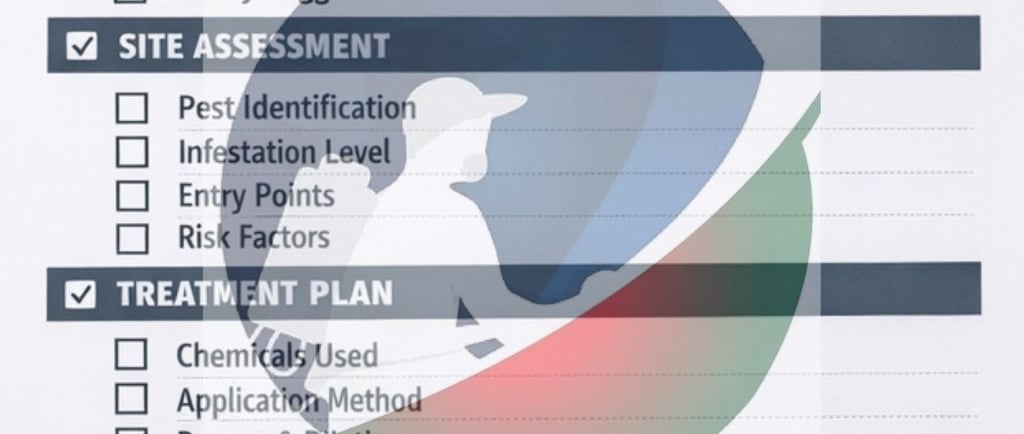
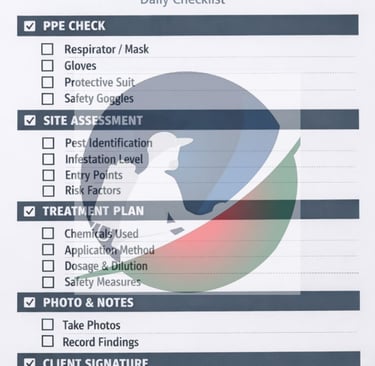
Establishing a thorough Integrated Pest Management (IPM) inspection checklist is crucial for effective pest management. The checklist serves as a practical tool that facilitates monitoring, sanitation, risk assessment, and documentation. Here are the essential components to consider when creating an IPM inspection checklist.
Firstly, initiate your checklist with a detailed monitoring section. This should encompass both visual inspections and the use of trapping methods. Specify areas within the premises that are common hotspots for pest activity. Regularly scheduled monitoring sessions can help identify pest populations before they escalate into infestations.
Secondly, focus on sanitation practices during the inspection. This section should outline proper waste disposal methods and cleaning routines, which are pivotal in preventing pest attraction. Ensure that your checklist prompts inspectors to evaluate areas such as kitchens, dining halls, and waste disposal sites for cleanliness and maintenance.
Next, include a risk assessment component within your IPM checklist. This section involves assessing the potential risk factors that could lead to pest problems, such as structural vulnerabilities or environmental conditions. Include questions that guide inspectors to evaluate entry points, moisture issues, and nearby vegetation that may harbor pests. By identifying and addressing these risk factors, businesses can significantly minimize the likelihood of pest infestations.
Documentation is another essential aspect. Ensure that your checklist has space for inspectors to log their findings, action steps taken, and any follow-up necessary. This documentation will serve as a reference for future inspections and contribute to ongoing improvements in pest management strategies.
In conclusion, a well-structured IPM inspection checklist not only aids in identifying pest issues but also facilitates preventative actions, making it an invaluable tool for effective pest management.
Documentation and Follow-Up Actions
In the realm of Integrated Pest Management (IPM), thorough documentation plays a critical role in achieving effective pest control outcomes. During pest inspections, it is essential to systematically record various types of data including the presence of pests, their levels of infestation, and any environmental factors that may contribute to pest problems. This documentation not only serves as a historical record but also helps in identifying trends over time, enabling informed decision-making regarding pest management strategies.
Moreover, environmental conditions such as temperature, humidity, and plant health should also be documented, as they can significantly influence pest populations. Noting the locations within the premises where pest activity was identified can assist in pinpointing problem areas that require targeted interventions. This collected data forms the foundation for use in ongoing monitoring and evaluation processes.
Post-inspection, follow-up actions become crucial. Based on the collected data, an action plan can be developed to address the identified pest issues. This might include immediate pest control measures, such as targeted pesticide applications or introducing biological controls, as well as longer-term strategies to prevent re-infestation, such as improving sanitation or making structural adjustments.
Ongoing monitoring serves to evaluate the effectiveness of these interventions. Regular follow-up inspections should be scheduled to review the situation and adapt IPM strategies as necessary. Adjustments may be required based on the effectiveness of the implemented measures, changes in pest behavior, or shifts in environmental conditions. By maintaining a robust documentation process and committing to continuous follow-up actions, practitioners can enhance their IPM approach, leading to more sustainable pest management solutions.
Address:
264/5, Kamal Soroni Road, Mirpur, Dhaka-1216
Contact
Your Quaries on pest control askings
pestexterminatorbd@gmail.com
+8801642008383 +8801988300003, 01723057746
© 2025. All rights reserved. to Urban Pest Control Pvt. Ltd. this site is powered by Our Own IT Team