
Seasonal Pest Prevention Tips for Every Dhaka Household
2/13/20267 min read
Introduction to Seasonal Pests
Understanding seasonal pests is crucial for effective pest management in both residential and agricultural settings. Different seasons introduce varying climatic conditions that influence pest behavior and lifecycle patterns. For instance, spring and summer typically see an increase in insect populations as warmer temperatures encourage breeding and activity. Common springtime pests include ants, termites, and various species of flies, which thrive and become more noticeable as the weather warms up.
Conversely, the onset of autumn signals a shift in pest behaviors, as many insects begin to seek shelter before the winter months. Rodents, such as mice and rats, often invade homes in search of warmth and food during this time. This makes early autumn an important period for homeowners to reinforce preventative measures against rodent infestations. Additionally, many households encounter certain insects during fall, including wasps and beetles, as they migrate and search for suitable places to hibernate.
Winter poses its own set of challenges, as many pests may not be visible but can still pose threats. For instance, pests like cockroaches and spiders may seek refuge indoors, while dormant insects lie in wait for the right conditions to emerge come spring. Consequently, understanding these seasonal patterns is essential for developing a comprehensive pest control strategy that is not only reactive but also preventive. This proactive approach reduces the likelihood of significant infestations and allows for targeted treatment solutions based on the specific pests that are prevalent during each season. Tailoring pest control methods to the seasonal behavior of pests ensures more effective management and promotes a healthier living environment throughout the year.
Monsoon: Dealing with Mosquitoes and Cockroaches
The monsoon season is characterized by heavy rainfall and increased humidity, creating an optimal environment for certain pests, notably mosquitoes and cockroaches. These insects thrive in damp conditions, leading to a substantial rise in their population during this time. Mosquitoes, in particular, are notorious for their rapid breeding; a single female can lay hundreds of eggs in stagnant water. This water can accumulate in various locations, including flowerpots, gutters, and any open containers left outdoors.
Cockroaches, on the other hand, seek shelter indoors, where they can find moisture and food. They are nocturnal creatures, often emerging at night in search of sustenance. Their prevalence during the monsoon season is concerning, not only due to their invasive nature but also because they pose significant health risks. Both mosquitoes and cockroaches are known carriers of various diseases. Mosquitoes are vectors for illnesses like dengue fever and malaria, while cockroaches can contribute to allergies and asthma, especially in children and sensitive individuals.
To mitigate the risks associated with these pests, proactive prevention strategies are essential. Homeowners should eliminate potential breeding sites for mosquitoes by regularly inspecting and emptying containers that collect rainwater. Screens on doors and windows should be fitted or repaired to prevent mosquitoes from entering. In addition, using insect repellents and applying larvicides in stagnant water can significantly reduce the mosquito population. For controlling cockroaches, maintaining cleanliness in the kitchen and sealing cracks and crevices where they could enter is vital. Furthermore, commercially available baits and sprays are effective in eradication.
Locally available products often include natural insect repellents and insecticides that are less harmful to the environment. Utilizing these products can enhance overall pest control efforts during the monsoon season, ensuring a healthier living space for residents.
Summer: Combatting Ants and Flies
During the summer months, the rise in temperature and humidity creates an ideal environment for various pests, particularly ants and flies. These insects are not only a nuisance but can also pose significant hygiene risks, as they are often attracted to food and waste.
Ants are notorious for their organized colonies and efficient foraging behavior. They are usually drawn to food sources, especially sugary substances, which become more prevalent during summer picnics and barbecues. Flies, on the other hand, are equally attracted to decomposing organic matter and exposed food. Both ants and flies can quickly multiply during this season, leading to larger infestations that can become challenging to control.
The breeding habits of these pests contribute significantly to their presence in our surroundings. Ants typically establish nests in soil, under pavement, or within structural cracks, allowing them easy access to kitchen areas and pantries. Flies reproduce at an alarming rate, with females capable of laying hundreds of eggs in a single day. This rapid reproduction means that once ants and flies have established a foothold, they become increasingly difficult to eradicate without intervention.
To mitigate the challenges posed by these pests, various preventive measures should be employed. Ensuring that food is stored in airtight containers and promptly cleaning any spills can significantly reduce attraction. Additionally, utilizing local pest control products designed specifically for these insects can provide effective management. Natural remedies, such as essential oils and vinegar solutions, offer environmentally friendly options that deter these pests without resorting to harsh chemicals.
Taking proactive steps in the summer months is crucial for maintaining a pest-free environment, ensuring that both ants and flies are managed effectively and minimizing their impact on household hygiene.
Winter: Addressing Rodent Invasions
As the winter months arrive and temperatures drop, rodents seek refuge in warmer environments, often turning to residential areas as their shelter of choice. Particularly in regions where snowfall is heavy, this movement becomes more pronounced. Rats and mice are highly adaptable creatures; their search for food and warmth drives them into homes, posing significant health risks and challenges to homeowners. Evidence suggests that these pests can carry diseases such as hantavirus, leptospirosis, and salmonella, all of which can be transmitted to humans through contamination of surfaces or bites.
To effectively manage rodent invasions, it is crucial to implement preventive measures. First, consider sealing all potential entry points in and around the home’s exterior. This includes gaps around pipes, utility lines, and any openings in the foundation. Using steel wool or other strong materials can help block these access routes. Additionally, maintaining cleanliness and proper food storage in the kitchen is essential. Storing food in airtight containers and promptly cleaning up crumbs can significantly reduce a rodent's food sources and discourage their presence.
Utilizing local pest control products can provide added protection. Rodenticides and traps specifically tailored for local rodent populations can be effective in reducing their numbers. Furthermore, non-toxic repellent substances made of ingredients like peppermint oil may also deter rodents due to their strong scents. It is advisable to consult with pest control professionals who can offer specific recommendations based on regional rodent behavior and effective control measures.
In conclusion, addressing rodent invasions during the winter requires a proactive approach. By understanding their behavior, maintaining cleanliness, sealing entry points, and employing appropriate deterrents, homeowners can significantly reduce the risk of infestation. Effective management is essential to safeguard health and ensure a comfortable indoor environment during the colder months.
Preventive Strategies: A Seasonal Approach
Implementing effective preventive strategies is essential for managing insect and rodent problems throughout the year. A proactive approach ensures that potential infestations are addressed before they escalate. One fundamental tactic includes maintaining a high standard of cleanliness in and around residential or commercial properties. Regular cleaning can significantly reduce attractants such as food residues and trash, which are appealing to pests.
Another vital measure is sealing entry points to restrict pests from accessing indoor spaces. Inspect areas such as windows, doors, and openings in walls and foundations. Repairing cracks, using weather stripping, and deploying screens can be effective ways to fortify these vulnerabilities. It is also advisable to check utility lines and vents, as these can serve as conduits for insects or rodents to invade the premises.
In addition to cleanliness and sealing, conducting regular inspections throughout the year can help identify signs of pest activity early. Inspections can reveal droppings, nests, or damaged materials, allowing for timely action to mitigate any problems. Seasonal inspections are particularly beneficial; they can be aligned with changes in weather and pest behavior, ensuring a comprehensive understanding of potential threats.
Local solutions tailored to specific pests should be included in any effective pest management strategy. Understanding which pests are prevalent during certain seasons can help in formulating targeted interventions. For example, knowing that termites are more active in warmer months can prompt preemptive treatments and inspections in spring.
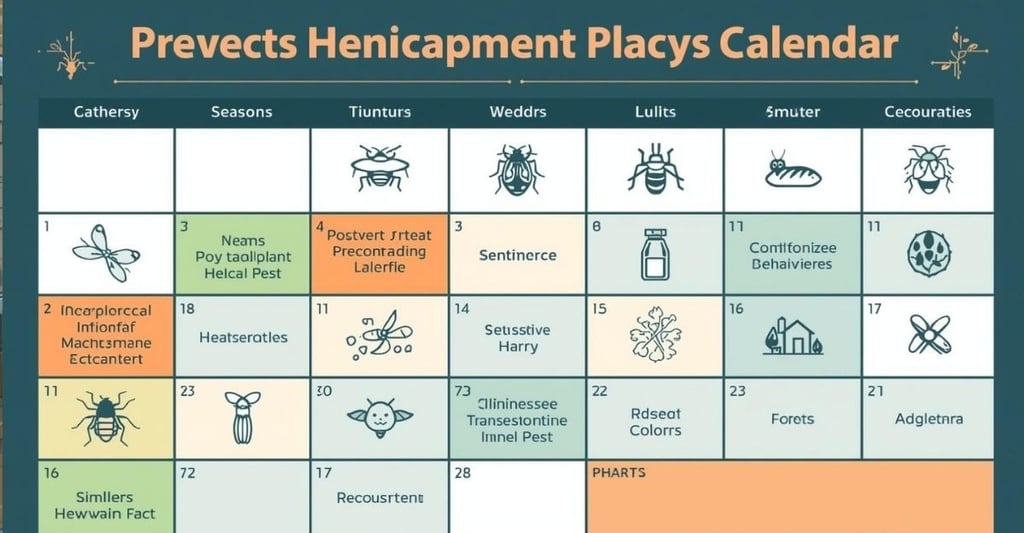
Finally, developing a pest management calendar can streamline these strategies. This calendar should include key seasonal dates for inspections, clean-ups, and preventative treatments, ensuring that property owners remain proactive throughout the entire year. By implementing these preventive strategies, it is possible to significantly reduce the risk of pest infestations.
Pest control is not a one-size-fits-all solution; it necessitates a tailored approach that leverages local products specific to the environment. Depending on the region, season, and prevalent pests, various effective solutions can be found that utilize both natural ingredients and commercially available products. By understanding the nuances of local pest issues, homeowners can enhance their pest management strategies significantly.
For instance, in regions prone to particularly aggressive pests like mosquitoes during the summer months, local remedies often include essential oils derived from citronella and lemongrass. These natural repellents serve as effective deterrents while being environmentally friendly. Such products are not only accessible but also promote the notion of embracing organic methods in pest control.
In the fall and winter seasons, the focus often shifts to rodents seeking shelter indoors. Local pest control companies frequently offer traps and baits that are specifically formulated for the common rodent populations in the area. Moreover, certain municipalities provide eco-friendly pest control solutions that utilize natural rodenticides which pose less risk to non-target animals and the surrounding ecosystem.
Furthermore, recognizing the importance of integrating local wisdom in pest management cannot be overstated. Many communities emphasize the use of homemade remedies, such as diatomaceous earth for crawling insects like ants and cockroaches. These methods have been passed down through generations, proving their effectiveness while also being cost-effective.
Overall, sourcing pest control products that cater to local environmental conditions and pest behavior ensures a higher success rate. Utilizing these targeted solutions not only manages seasonal pests more effectively but also contributes to a sustainable approach in pest management.
Conclusion: Ensuring a Pest-Free Home Year-Round
Managing pests effectively throughout the year is essential for maintaining a healthy and comfortable home. As we have discussed, various types of insects and rodents are more prevalent during certain seasons, which necessitates an adaptive approach to pest control. Understanding the seasonal habits of pests allows homeowners to anticipate and address potential infestations proactively.
In spring and summer, for example, insects such as ants, mosquitoes, and termites become more active. Implementing preventive measures, such as sealing entry points and using repellents, can significantly reduce the chances of these pests entering your home. Conversely, as the temperature drops in fall and winter, rodents often seek shelter indoors. Regular inspections and strategic management of food sources are critical to deter these vermin and prevent them from establishing nests within your living space.
It is also important to recognize the value of local resources and professional pest control services. Many communities offer pest management programs and educational resources that can help homeowners better understand the pest species in their area. By taking advantage of these local options, you can enhance your strategies for pest prevention.
Ultimately, ensuring a pest-free home year-round hinges on vigilance, adaptability, and the utilization of effective pest control methods. By staying informed about seasonal changes and actively managing your space, you can create an environment that is less inviting to unwanted pests and provides a greater sense of comfort for you and your family.
Address:
264/5, Kamal Soroni Road, Mirpur, Dhaka-1216
Contact
Your Quaries on pest control askings
pestexterminatorbd@gmail.com
+8801642008383 +8801988300003, 01723057746
© 2025. All rights reserved. to Urban Pest Control Pvt. Ltd. this site is powered by Our Own IT Team