
Signs of Termite Infestation in Your Home (Early Warning Guide)
2/28/20267 min read
Understanding Termites and Their Behavior
Termites are social insects belonging to the order Isoptera, characterized by their highly organized colony structure and complex social behaviors. They play a crucial role in the ecosystem as decomposers, breaking down cellulose in dead or decaying wood, leaf litter, and other organic matter. While this natural behavior is essential for nutrient recycling, it becomes a significant problem when these insects invade human dwellings.
There are three primary types of termites that cause damage to homes: subterranean, drywood, and dampwood. Subterranean termites are the most destructive and widespread, found primarily underground in colonies. They build extensive tunnel systems that allow them to access wood sources. Drywood termites, in contrast, live within the wood they consume, making them particularly challenging to detect and manage. Dampwood termites are often found in decaying and moist wood, but they generally pose a lesser threat to homes compared to their subterranean counterparts.
Each type exhibits distinct habits that contribute to their invasion of structures. Subterranean termites rely on moisture from the soil, making damp or poorly drained areas highly susceptible to infestation. Drywood termites enter through exposed wood surfaces or cracks, often remaining unnoticed until significant damage occurs. Dampwood termites thrive in areas with high moisture content, typically surrounding decaying trees or water issues that may affect a home’s foundation.
Understanding termite behavior, including their nesting and feeding patterns, is vital in identifying potential threats to wooden structures. Awareness of these behaviors assists homeowners in recognizing the signs of termite activity early, enabling prompt action to mitigate any damage. Proper identification and knowledge of termite habits can help in devising effective prevention strategies, thus ensuring the integrity of one's home environment.
Mud Tubes: The Primary Indicator of Termite Activity
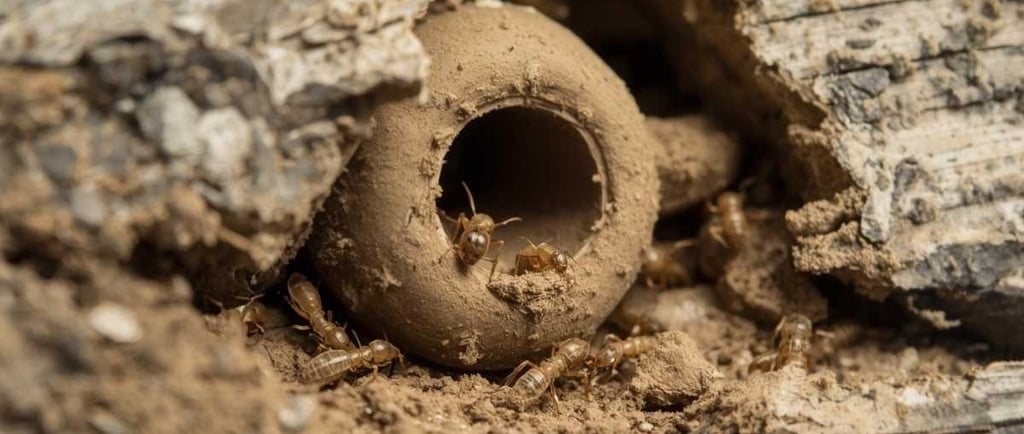
Mud tubes are one of the most prevalent signs of termite infestation and serve as a primary indicator that these pests are present in your home. These tubes are essentially protective tunnels constructed by subterranean termites, which allow them to travel between their nests and food sources without being exposed to open air and predators. Mud tubes are typically composed of soil, wood particles, and termite saliva, which combine to create a sturdy structure. The appearance of these tubes can vary; they are usually about the diameter of a pencil and can be found in various lengths, often running along walls, foundations, and other hidden areas in your home.
Homeowners should be vigilant in observing their property for these telltale signs. Mud tubes are commonly located in dark, damp areas that provide the moisture termites require to survive. Common locations to check include basements, crawl spaces, and even around wooden fences and other outdoor structures. If you find mud tubes, it is crucial to remain observant and monitor for further signs of termite activity.
Distinguishing genuine mud tubes from other materials can be a challenge. Authentic mud tubes are often irregular, with a rough surface and inconsistent thickness. This characteristic differs from more uniform structures created by other insects or natural debris. If you are unsure about the identification, consider carefully breaking a small portion of the tube. If it is occupied by termites, they will quickly emerge to repair the structure, indicating active infestation. Ultimately, mud tubes are a crucial element in identifying termite activity. Recognizing their presence can lead to timely intervention and potentially prevent extensive damage to your home.
Recognizing the Hollow Sound of Wood
Detecting wood damage in your home can be an essential step in identifying a termite infestation. One effective way to assess the condition of your wooden structures is by employing a simple tapping method. By gently knocking on the wood surfaces, homeowners can discern between healthy wood and that which has been compromised due to termite activity. Healthy wood typically produces a solid, dense sound, whereas wood that has been damaged by termites often emits a hollow sound. This hollow noise occurs because the termites eat away the interior components of the wood, leaving behind an outer shell that can still appear intact.
To conduct this test, choose areas that are known for potential termite infestations, such as wooden beams, door frames, floorboards, or any wooden furniture. Using your knuckles or a small, hard object, tap on the surfaces and listen carefully. If you notice a difference in sound — particularly if you hear a dull, hollow echo — it may indicate that the wood is not structurally sound and could be infested with termites.
It is also crucial to differentiate these sounds from other natural noises that may be present in your home. For example, some woods make specific sounds due to expansion and contraction with humidity and temperature changes. Therefore, always perform this inspection in conjunction with other signs of termite presence, such as droppings, mud tubes, or visible damage. Being aware of these auditory cues can empower homeowners to take action promptly if they suspect a termite problem. Regular inspections can be beneficial in maintaining the health of your home and preventing costly repairs due to undetected termite damage.
Identifying Discarded Wings: A Sign of Swarming
Termites, particularly the reproductive phase of a colony, undergo a process known as swarming, during which they leave their original nest to establish new colonies. A prominent indicator of this phase is the presence of discarded wings around the home. Discarded wings serve as a telltale sign of termite activity, often indicating that a swarm has taken place nearby.
The wings of termites are typically translucent and elongated, measuring approximately half an inch long. They are similar in appearance to the wings of flying ants but can be distinguished by their two pairs of wings that are of equal size, as opposed to the differing sizes found in ants. These wings may be scattered around windowsills, door frames, or along the floor in the vicinity of light sources, as the insects tend to be attracted to light during their swarm.
Observing these discarded wings is critical for homeowners who aim to protect their property from potential infestation. The presence of wings signifies that a colony has reached a stage in its life cycle where it can reproduce, implying that the number of termites can quickly increase if left unchecked. It is essential to act promptly by investigating the area further for signs of live termites or damaged wood and to reach out to pest control professionals for assessment and treatment.Without timely intervention, a swarm can lead to structural damage as termites feed on wood, resulting in costly repairs. Understanding how to identify and interpret the presence of discarded wings can empower homeowners in safeguarding their property against termite invasions.
Cracked Paint and Other Structural Signs to Watch For
When it comes to identifying termite activity within your home, observing aesthetic signs such as cracked or bubbling paint can be a crucial first step. These cosmetic issues often indicate underlying problems that may be linked to structural damage caused by termites. Termites, especially subterranean species, tend to consume wood from the inside out, which can lead to issues that manifest visually on surfaces such as walls and ceilings.
Cracked or blistered paint is frequently a sign of moisture damage, which can occur as termites tunnel through wooden frameworks or drywall, disrupting the integrity of these materials. It is essential to examine areas where paint shows abnormalities; these could suggest that termites are making their presence known, impacting both aesthetics and the structural integrity of your home.
Alongside cracked paint, homeowners should be vigilant for additional signs of termite infestation. For instance, warped or sagging walls and ceilings may suggest significant structural damage that needs immediate attention. Wood that feels hollow when tapped could indicate that termites have eaten away at the core, compromising its strength. Furthermore, other signs such as discolored or drooping flooring should not be overlooked as they may point to extensive damage caused by these destructive pests.
In summary, aesthetics play a significant role in identifying signs of termites. Homeowners should remain observant of any changes in paint condition, wall stability, and flooring integrity. Being vigilant about these structural symptoms can lead to an early detection of termite issues, allowing for prompt remediation to protect your home from further damage.
When to Call Professionals: The Importance of Early Detection
Termites are notorious for their destructive abilities, capable of causing significant damage to homes before the signs even become noticeable. Therefore, understanding when to reach out to pest control professionals is crucial for homeowners. The sooner termites are detected, the less damage will likely occur, translating to reduced repair costs and structural integrity preservation.
Engaging professional pest control services brings numerous benefits. Firstly, experts possess the training and experience necessary to identify termite activity that may not be apparent to the untrained eye. They can conduct thorough inspections using specialized tools, ensuring that hidden infestations are discovered early. Typically, a pest control inspection will involve a methodical examination of both the exterior and interior of the home, focusing on areas prone to moisture and wood damage—common hotspots for termite presence.
Moreover, professionals can provide tailored treatment solutions based on the specific type of termites infesting the property. Different species require different treatments, and a pest control expert will know the most effective strategies to eliminate them efficiently. Homeowners are more likely to receive a comprehensive plan that addresses not only the immediate infestation but also preventive measures to avert future issues.
When selecting a reputable pest control service, homeowners should consider several factors. Start by looking for professionals with good reviews and testimonials. Certifications from recognized pest control organizations can also affirm the credibility of a service. Additionally, requesting quotes from several companies can help compare services and provide a sense of the market pricing. By taking these steps, homeowners can ensure they receive effective treatment while also protecting their properties from future termite invasions.
Preventative Measures
To mitigate the risk of termite infestation in your home, implementing a series of preventative measures is crucial. Firstly, it is essential to maintain a well-ventilated and dry environment, particularly in areas such as basements and attics. Moisture is a significant attractant for termites, and regular inspections should be conducted to identify and rectify any leaks or sources of humidity. Installing proper drainage systems and ensuring that gutters and downspouts direct water away from the foundation will help keep the area around your home dry.
Another effective strategy is to use physical barriers during the construction of your home. This could include using treated wood that resists termite damage or installing stainless steel mesh or sand barriers that prevent underground termites from accessing your house. Additionally, homeowners should consider using mulch products other than wood, such as rubber or gravel, as these will not attract termites.
Regular inspections conducted by a pest control professional can also be advantageous. These experts can identify early signs of termites, ensuring timely intervention before a small problem escalates into a major infestation. If your home is in an area known for termite activity, annual inspections become even more critical.
Homeowners have a responsibility to monitor their properties regularly. This includes checking for mud tubes, which termites use to travel, as well as inspecting wooden structures for signs of damage. Keeping firewood, cardboard, and other cellulose materials away from the foundation and elevating these items can also help reduce the risk.
Conclusion
In conclusion, being proactive about termite prevention is vital to safeguarding your home. By implementing structural modifications, maintaining vigilant inspection routines, and fulfilling homeowner responsibilities, you can significantly minimize the likelihood of a termite infestation. Staying informed and alert will empower you to protect your home effectively from these damaging pests.
Address:
264/5, Kamal Soroni Road, Mirpur, Dhaka-1216
Contact
Your Quaries on pest control askings
pestexterminatorbd@gmail.com
+8801642008383 +8801988300003, 01723057746
© 2025. All rights reserved. to Urban Pest Control Pvt. Ltd. this site is powered by Our Own IT Team