
Smart Air Purifier Technology – Future of Clean Air at Home
3/7/20267 min read
Introduction to Smart Air Purifiers
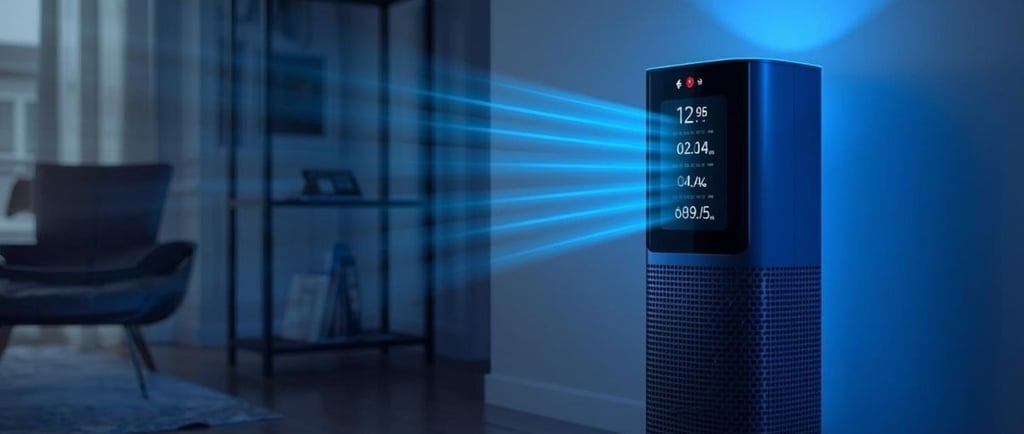
In recent years, the awareness of indoor air quality has escalated, prompting a significant shift towards innovative solutions such as smart air purifiers. These advanced devices are engineered to enhance the air we breathe within modern homes and offices, addressing the growing concerns associated with air pollution and its impact on health. Smart air purifiers are more than just traditional filtering systems; they are equipped with sophisticated technology that allows for real-time monitoring and control of indoor air conditions.
The significance of smart air purifiers becomes particularly evident when considering the pervasive nature of airborne pollutants. In urban areas, where traffic, construction, and industrial activity contribute to elevated levels of particulate matter and volatile organic compounds, the need for effective air purification is paramount. Furthermore, with many individuals spending a considerable portion of their time indoors, the air quality within enclosed spaces must be prioritized to safeguard health and well-being.
Smart air purifiers incorporate features such as Wi-Fi connectivity, mobile app integration, and air quality sensors that provide users with comprehensive data about their environment. This technology enables individuals to track pollutant levels and adjust their purifier settings accordingly, ensuring optimal performance. Additionally, some models utilize machine learning algorithms that adapt to user behaviors and preferences, enhancing the efficiency of air cleaning processes.
Furthermore, these devices play a crucial role in combating allergens, bacteria, and viruses, making them an excellent investment for families with children, the elderly, or those with respiratory issues. The integration of smart air purifiers into daily life is a proactive approach towards creating healthier indoor environments, showcasing how technology can revolutionize air quality management.
The Role of Sensors in Air Purification
Smart air purifiers are becoming essential tools in enhancing indoor air quality. At the core of these devices are various sensors that provide critical real-time data about the surrounding environment. These sensors play a pivotal role in optimizing the air purification process by constantly monitoring air quality levels and adjusting operations accordingly.
One of the most common types of sensors found in smart air purifiers is the particulate matter (PM) sensor. This sensor detects tiny particles in the air, including dust, pollen, and smoke. By assessing the concentration of these particulates, the air purifier can activate its filtration system when pollution levels exceed a predetermined threshold. This proactive approach ensures that indoor air remains clean, significantly reducing the risk of respiratory issues and allergies.
Another essential sensor utilized in these devices is the volatile organic compound (VOC) sensor. VOCs are harmful chemicals emitted by various household products, such as paints, cleaning agents, and even furniture. The VOC sensor identifies these compounds in the air, allowing the purifying system to engage its appropriate filtering mechanism. As a result, VOC sensors contribute significantly to maintaining a healthy living environment by actively reducing the presence of these harmful substances.
Lastly, humidity sensors are crucial in air purifiers as they monitor ambient moisture levels. Maintaining optimal humidity is essential for comfort and health, as high humidity can foster mold growth, while low humidity can lead to dry skin and respiratory complications. The integration of humidity sensors enables smart air purifiers to adjust their settings, ensuring a balanced and comfortable indoor climate. The synergy of these sensors facilitates a more effective and responsive air purification process, ultimately enhancing indoor air quality.
IoT Connectivity: The Future of Home Automation
The advent of the Internet of Things (IoT) has transformed how consumers interact with their living environments, particularly in the realm of smart air purifiers. These devices not only enhance indoor air quality but also integrate seamlessly into broader home automation systems, providing a more efficient and connected living experience. By harnessing IoT technology, users can monitor air quality metrics in real-time and adjust settings remotely via smartphone applications or smart home interfaces.
Smart air purifiers equipped with IoT capabilities allow users to receive notifications when air quality dips below acceptable levels, triggering automatic adjustments or alerts. This functionality empowers users to take proactive measures in maintaining a healthy living environment, particularly in regions prone to air pollution or allergies. Furthermore, through connectivity, these purifiers can also link with other smart home devices, such as thermostats, humidifiers, or smart speakers, creating a cohesive intelligent ecosystem. For instance, if indoor humidity rises, a smart air purifier could coordinate with a dehumidifier to maintain optimal humidity and air quality levels.
The benefits of IoT connectivity extend beyond mere convenience. By analyzing collected data, smart air purifiers can optimize their performance, adjusting filtration rates based on actual air quality needs rather than relying on pre-set schedules. This can lead to reduced energy consumption and improved filter lifespan. As the technology progresses, we can expect these devices to become even more sophisticated, utilizing machine learning algorithms to predict user preferences and adjust to lifestyle changes autonomously. Thus, the integration of smart air purifiers into IoT frameworks signifies not only an evolution in air quality management but also a step towards smarter, more environmentally conscious homes.
Mobile App Control: User-Centric Features
As smart air purifiers continue to evolve, the integration of mobile app control is leading the charge in enhancing user experience. Mobile applications allow users to manage their air quality solutions conveniently from their smartphones or tablets. Central to these applications is the feature of real-time air quality tracking. Users can easily observe the levels of pollutants, including PM2.5, pollen, and volatile organic compounds (VOCs) present in their immediate environment. This immediate access empowers users by enabling them to make informed decisions regarding their indoor air quality.
Another significant feature is purification scheduling, which allows users to set specific times for their smart air purifiers to operate. This helps in maximizing efficiency by only running the device during predefined periods, such as when household activity is at its peak, or during allergy seasons. By optimizing the operational times, users can save on energy costs and ensure maximum air purification during critical periods.
Furthermore, filter replacement notifications are essential for optimal performance; these alerts remind users when it's time to change filters. This feature not only simplifies maintenance but also ensures that the air purifier operates at peak efficiency, thereby enhancing the quality of the indoor air. The app can provide tailored reminders based on actual usage and filter lifespan, eliminating any guesswork for the user.
Additionally, mobile apps offer customization settings, allowing users to personalize their air purifiers according to specific needs and preferences. Whether it’s adjusting fan speeds, choosing purification modes, or setting geographical alerts for outdoor air quality changes, these tailored options create a personalized experience that optimally fits each user's lifestyle.
Automatic Purification Modes: Adapting to Your Environment
In the quest for improved indoor air quality, smart air purifiers have emerged as a pioneering solution, equipped with the ability to automatically adjust their purification modes in response to varying air quality conditions. This advanced feature ensures that the air purifiers are not only efficient but also tailor their operations to meet the specific needs of the environment.
One of the significant modes included in smart air purifiers is the turbo mode. This mode is activated when the device detects a spike in pollutants, such as during cooking or after heavy outdoor activities. Turbo mode operates at maximum capacity, allowing the air purifier to effectively eliminate allergens, smoke, and other harmful particulates in a short period. By swiftly responding to these changes, users benefit from rapid improvements in air quality.
Conversely, during nighttime hours or in quiet spaces, the sleep mode is exceptionally beneficial. This mode minimizes operational noise, ensuring that the air purifier runs quietly while still maintaining a healthy atmosphere. Operating at lower fan speeds, sleep mode thus enhances comfort without compromising on air purification. The automatic transition to sleep mode empowers users to enjoy a peaceful environment, particularly important for individuals prone to disturbances during sleep.
Additionally, the eco mode focuses on energy conservation. By utilizing energy-efficient settings, this mode intelligently balances purification demands with power consumption. Smart air purifiers in eco mode reduce their output during times of satisfactory air quality, demonstrating a commitment to sustainability while ensuring the indoor environment remains fresh and clean.
Through these automatic purification modes—turbo, sleep, and eco—smart air purifiers represent an innovative approach to enhancing indoor air quality. This adaptability not only fosters healthier living spaces but also promotes energy efficiency, making it easier for consumers to maintain a clean and comfortable atmosphere in their homes.
Benefits of Using Smart Air Purifiers
The integration of smart technology into air purifiers has transformed the landscape of indoor air quality management. One of the most significant benefits of smart air purifiers is their ability to improve health outcomes. These devices effectively remove allergens, dust, pet dander, and other pollutants from the air, which is particularly beneficial for individuals with respiratory issues or allergies. By ensuring cleaner air, smart purifiers contribute to better overall health and well-being.
In addition to enhancing health, smart air purifiers offer unparalleled convenience. Equipped with features such as Wi-Fi connectivity and mobile app integration, these devices allow users to monitor and control air quality levels remotely. This means that one can adjust settings and receive real-time updates without even being in the same room. With voice control capabilities compatible with virtual assistants, such as Amazon Alexa or Google Assistant, the operation of smart air purifiers has never been easier, streamlining the user experience to suit modern lifestyles.
Another notable advantage of smart air purifiers is their efficiency. Many models utilize advanced filtration systems, including HEPA filters combined with activated carbon, to capture a higher percentage of harmful particles effectively. Smart sensors continuously assess air quality and adjust the purifying capacity accordingly, ensuring optimal performance. This adaptability not only enhances effectiveness compared to traditional air purifiers but also saves energy, making them more cost-efficient in the long term.
Moreover, smart air purifiers can provide users with actionable insights regarding indoor air quality. By analyzing data about pollutants and allergens, they empower users to make informed decisions about their indoor environments. In contrast, traditional air purifiers typically lack such capabilities, making smart purifiers a superior choice for those seeking a comprehensive solution for maintaining healthy indoor air.
Future Trends in Air Purification Technology
As the world increasingly prioritizes air quality, the future of air purification technology is set to witness significant advancements. One notable trend is the integration of artificial intelligence (AI) into smart air purifiers. AI technology can optimize air purification processes by analyzing environmental data in real-time, thereby allowing devices to adapt their filtration methods based on user habits and changing air quality conditions. This level of customization ensures improved efficiency and effectiveness in toxin removal from indoor environments.
Another critical innovation pertains to the rapid development of sensor technology. Future air purifiers are likely to incorporate more sophisticated sensors that can detect a wider array of pollutants, including fine particulate matter and volatile organic compounds (VOCs), contributing to a comprehensive understanding of indoor air quality. These enhancements will allow purifiers to provide accurate feedback to users, promoting informed decisions regarding air quality management.
Moreover, the push towards eco-friendly innovations is anticipated to reshape consumer preferences in the air purification market. With a growing emphasis on sustainability, manufacturers are expected to explore the use of biodegradable materials and energy-efficient systems. This shift not only appeals to environmentally conscious consumers but also aligns with global efforts to reduce ecological footprints. Brands that prioritize sustainability in their product designs are likely to capture a larger market share, reflecting the values of a discerning customer base.
In conclusion, the future of air purification technology is poised for transformative changes, driven by AI, advanced sensors, and sustainable practices. These trends will not only enhance the performance of air purifiers but also influence consumer choices, leading to market growth in this essential industry.
Address:
264/5, Kamal Soroni Road, Mirpur, Dhaka-1216
Contact
Your Quaries on pest control askings
pestexterminatorbd@gmail.com
+8801642008383 +8801988300003, 01723057746
© 2025. All rights reserved. to Urban Pest Control Pvt. Ltd. this site is powered by Our Own IT Team