
Smart Pest Control Devices for Busy Dhaka Professionals
2/13/20268 min read
Understanding the Pest Problem in Dhaka
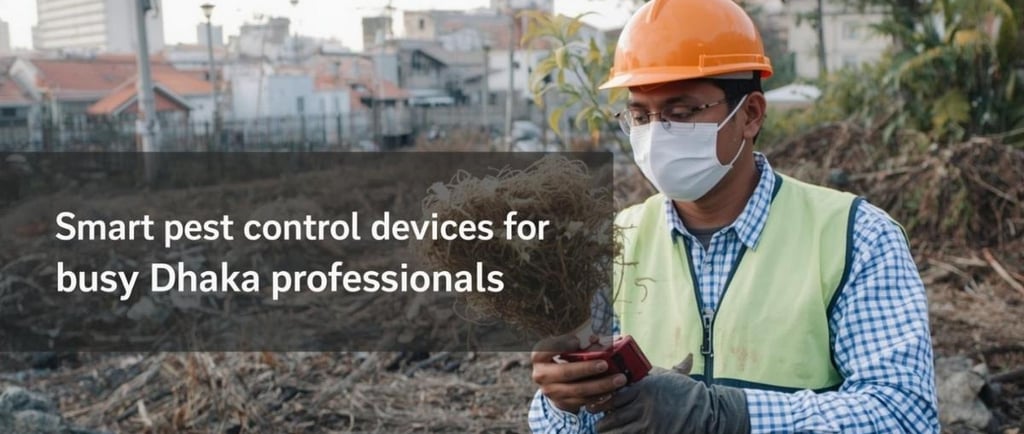
Dhaka, one of the most densely populated urban areas in the world, is grappling with significant pest problems that plague its residents and working professionals. The rapid urbanization and rising population have created an ideal environment for various pests. Common issues include infestations of mosquitoes, which are notorious for spreading diseases such as dengue and malaria, and cockroaches, which not only disrupt households but pose health risks as they contaminate food and surfaces. Rodents, too, are a widespread concern, often associated with filthy areas and the potential for property damage.
The challenges facing busy professionals in Dhaka are multifold. With demanding work schedules and the fast-paced nature of city life, many individuals lack the time to address pest issues effectively. Traditional pest control methods typically require significant time and effort, demanding quick solutions that fit into a hectic lifestyle. Furthermore, the presence of pests can lead to stress and anxiety related to health concerns, as well as damage to property, making it imperative to find efficient ways to manage these issues.
The urban environment presents unique challenges for pest management – exposure to pollution can affect both pest populations and the efficacy of control methods. In many cases, the routine of busy urban professionals prevents them from adhering to conventional pest control measures, illustrating the need for innovative solutions. The urgency for effective and convenient pest management highlights the relevance of smart pest control devices. Such solutions would not only enhance the quality of living spaces but also align well with the lifestyle of Dhaka's professionals, who seek efficient means to mitigate pest problems without consuming precious time.
What Are Smart Pest Control Devices?
Smart pest control devices represent a technological advancement in managing pest issues, particularly suitable for busy professionals seeking convenience and efficiency. Traditionally, pest control solutions relied on manual interventions, often involving traps or chemical treatments to eliminate pests. In contrast, smart devices utilize cutting-edge technology to proactively detect and manage pest problems, thus eliminating the need for continuous human monitoring.
These devices generally incorporate sensors capable of detecting various pest activities, ranging from movement to specific environmental changes indicative of pest infestation. For instance, a smart trap may use motion detection to identify rodent activity and alert the user immediately through a smartphone application. This level of responsiveness is a significant leap from traditional methods, where homeowners often discover infestations after considerable damage has been done.
Connectivity plays a crucial role in the functionality of smart pest control devices. Many units are equipped with Wi-Fi or Bluetooth capabilities, enabling them to transmit real-time data to connected devices. This allows users to monitor pest activity and device status remotely, making it easier to manage situations on-the-go. Furthermore, the automation features in these devices may include scheduled pest monitoring or even automatic bait dispensing, ensuring that users have minimal involvement in the day-to-day operations.
Ultimately, the integration of technology in pest control not only enhances effectiveness but also aligns with the fast-paced lifestyle of today’s professionals. By utilizing smart pest control devices, individuals can maintain their living and working spaces free from pests without dedicating substantial time and effort traditionally associated with pest management.
Benefits of Smart Pest Control Devices for Professionals
For busy professionals in Dhaka, adopting smart pest control devices presents numerous advantages that align with their fast-paced lifestyles. One of the most significant benefits is time savings. Traditional pest control methods often involve scheduling appointments, waiting for technicians, and managing disruptions in daily routines. In contrast, smart pest control solutions can operate autonomously, allowing professionals to focus on their work without interruptions. This technological shift enhances productivity as it minimizes the time dedicated to pest management.
Convenience is another key advantage of integrating smart pest control devices into everyday life. Many of these devices are user-friendly and can be monitored through smartphones or other devices. This feature empowers professionals to manage pest control remotely, ensuring that their homes or offices are pest-free without the need for constant physical oversight. Through applications, users can receive notifications, track pest activity, and even control devices remotely, making it incredibly convenient for those with hectic schedules.
Moreover, smart pest control devices offer real-time monitoring, which significantly enhances their effectiveness compared to conventional methods. By providing immediate updates on pest activity, these devices enable quick responses to emerging infestations, thereby preventing larger problems and ensuring a proactive approach to pest management. Additionally, many smart devices utilize advanced technologies such as traps and sensors that can detect pests more accurately, leading to better-targeted controls.
Another compelling aspect is the sustainability of smart pest control systems. These devices often reduce the reliance on chemical pesticides that can harm the environment. By employing targeted treatments and monitoring strategies, smart solutions maintain ecological balance and lower the impact of pest management on local ecosystems, which is an increasingly important consideration for many professionals today.
Top Smart Pest Control Devices on the Market
In the bustling city of Dhaka, where time is at a premium for busy professionals, smart pest control devices offer an effective solution to keep homes pest-free with minimal effort. Below is a curated list of some top smart pest control devices that are making waves in the market.
1. Pest Repeller Ultrasonic Device
This device emits high-frequency ultrasonic sound waves that are unpleasant for pests like rodents and insects but inaudible to humans. Key features include a wide coverage range of up to 1,200 square feet and easy plug-and-play functionality. Priced around BDT 2,500, this pest repeller has received positive reviews for its effectiveness and ease of use, making it a great choice for busy households.
2. Smart Home Pest Monitoring System
This innovative system uses sensors to detect pest activity and provides real-time notifications to users via a mobile app. It includes features like customizable alerts and historical data tracking for pest activity. Retailing at approximately BDT 6,000, users appreciate the proactive approach this device offers, helping to eliminate pests before they become a problem.
3. Enoz Automatic Insect Trap
The Enoz trap uses UV light and a sticky surface to attract and capture flying insects. With its sleek design, it can blend seamlessly into any home environment. Priced at about BDT 1,800, this trap is praised for its efficiency and effectiveness, making it ideal for busy professionals who want a hands-off approach to pest control.
4. Solar-Powered Mouse Trap
An eco-friendly option designed to trap mice using solar energy. This device utilizes a humane trapping mechanism that captures mice without causing harm. With prices around BDT 4,500 and positive user feedback regarding its effectiveness and sustainability, it stands out as a responsible pest control choice for the environmentally conscious.
These smart pest control devices not only provide peace of mind but also align with the busy lifestyle of professionals in Dhaka, enabling them to manage pest issues efficiently and effectively.
How to Choose the Right Smart Pest Control Device
Selecting an appropriate smart pest control device necessitates a structured approach, taking into account various factors tailored to individual needs. Initially, it is essential to clearly identify the type of pest problem being faced. Different devices are designed for specific pests, such as rodents, insects, or more specialized concerns. Understanding the core issue allows for a more effective and targeted solution.
The size of the living space is another critical factor when choosing the right smart pest control device. Larger areas may require multiple devices or coverage solutions that effectively manage the pest population throughout the premises. Conversely, small spaces may benefit from compact units that offer efficiency without overwhelming the area. Thus, assessing the extent of the pest problem in relation to the size of the living space is crucial.
Connectivity options are increasingly relevant as smart pest control devices often come with features such as mobile app integration, Wi-Fi compatibility, and automated alerts. These features enhance usability and make monitoring the pest situation more convenient for busy professionals who may not always be on-site. Therefore, evaluating the technological capabilities and ease of connectivity should be part of the selection process.
Ease of use should not be overlooked when selecting a smart pest control solution. Devices that require minimal setup, maintenance, and operation are ideal for those with demanding schedules. User-friendly interfaces contribute to better user satisfaction and long-term commitment to pest management practices.
Finally, budget constraints play a pivotal role in this decision-making process. Evaluating different device options that fit within financial limits without compromising effectiveness is imperative. Consequently, a comprehensive understanding of individual needs, combined with these critical factors, will ultimately aid professionals in selecting the optimal smart pest control device for their situation.
Setting Up Smart Pest Control Devices: A How-To Guide
Smart pest control devices are becoming essential for busy professionals in Dhaka, offering a convenient and effective solution for managing pest problems. To ensure optimal performance, it is vital to understand how to set up these devices correctly. This guide will walk you through the installation process, highlight common issues, provide troubleshooting tips, and offer maintenance advice.
Begin by selecting the right smart pest control device tailored to your specific needs, whether it is for indoor or outdoor use. Review the device specifications thoroughly to confirm compatibility with your home or office environment. After purchasing the device, unpack it and ensure all components are included, such as sensors, power adapters, and any necessary installation tools.
Next, identify optimal locations for the device placement. For indoor devices, consider high-traffic areas where pests are most likely to appear, such as kitchens and storage areas. For outdoor devices, ensure they are installed in shaded areas to prevent direct sunlight interference. Follow the manufacturer’s guidelines for power source requirements, whether using batteries or a plug-in option.
Once positioned correctly, proceed with connecting the device to your home Wi-Fi network. This usually involves downloading the manufacturer's mobile application and following step-by-step instructions for Bluetooth or Wi-Fi pairing. During this process, ensure that your smartphone or tablet is connected to the same network you wish to pair with the device.
Common installation issues might include connectivity failures or poor performance signals. If connectivity issues arise, power cycle your router and the device, and reattempt the connection. Regular maintenance is key to the device's effectiveness—ensure you clean sensors, check batteries, and update software as required. By following these guidelines, users can effectively integrate smart pest control devices into their spaces, ensuring a pest-free environment with minimal disruption to their busy lives.
The Future of Pest Control in Urban Settings
As urban environments continue to evolve, especially in densely packed cities like Dhaka, the future of pest control is poised for transformative advancements. The integration of smart technology into pest management is becoming an integral solution for busy professionals who seek efficient and effective methods to tackle pest issues. With the increasing availability of innovative smart pest control devices, urban dwellers can anticipate a future where pest management is proactive rather than reactive.
One of the key trends shaping this future involves the adoption of artificial intelligence (AI) in pest control solutions. AI algorithms can analyze data from various sources, including environmental conditions and pest behavior, to provide tailored recommendations for pest management strategies. This predictive approach not only optimizes the timing and method of pest control but also reduces the reliance on harmful chemicals, aligning with global efforts towards sustainability.
Moreover, there is a significant push towards eco-friendly pest control solutions that minimize environmental impact while effectively managing pests. Innovations such as bio-based repellents and non-toxic traps are gaining traction among professionals who are conscious of their carbon footprint. These developments resonate well with the growing demand for greener strategies in urban pest management.
Furthermore, advancements in IoT (Internet of Things) technology enable real-time monitoring and reporting of pest activity. By employing smart sensors and devices connected to mobile platforms, users can receive immediate alerts and analyze pest trends over time. This not only empowers homeowners and property managers with actionable insights but also ensures that resource allocation for pest control can be managed efficiently.
In conclusion, the future of pest control in urban settings like Dhaka will likely see a seamless blend of smart technology, AI, and eco-friendly practices. These advancements will position busy professionals to manage pest challenges with unprecedented efficiency while contributing to a healthier urban ecosystem.
Address:
264/5, Kamal Soroni Road, Mirpur, Dhaka-1216
Contact
Your Quaries on pest control askings
pestexterminatorbd@gmail.com
+8801642008383 +8801988300003, 01723057746
© 2025. All rights reserved. to Urban Pest Control Pvt. Ltd. this site is powered by Our Own IT Team