
Termite Attack on New Buildings – Construction Sector News
2/19/20267 min read
Introduction to Termite Damage in New Constructions
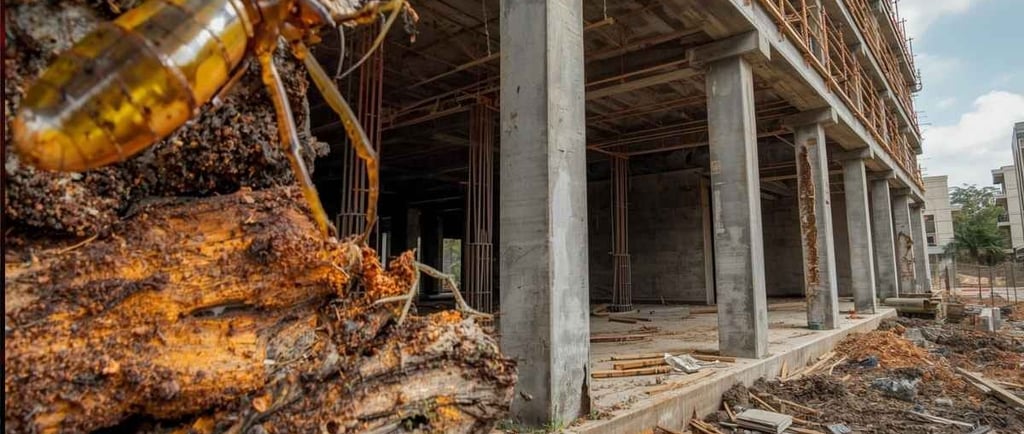
Termite damage poses a significant risk to newly constructed apartments, highlighting the necessity for vigilant preventive measures. Recent studies emphasize that new buildings are increasingly becoming targets for termite infestations, which can lead to structural damage and costly repairs. Alarmingly, the National Pest Management Association reported that termites cause over $5 billion in damages annually in the United States alone. This statistic underscores the importance of addressing termite-related concerns in modern construction practices.
One stark example is the recent infestation found in a newly developed apartment complex in California, where residents reported extensive damage within just a year of moving in. The structural integrity of multiple units was compromised, leading to urgent intervention by pest control professionals. Such incidents illustrate that construction materials often utilized, such as wood and cellulose-based products, present favorable conditions for termites if protective measures are not implemented.
New building techniques and materials have evolved, yet they sometimes neglect the vital aspect of pest prevention. Architects and contractors may prioritize aesthetics and cost-efficiency over pest management strategies during the construction phase. As a result, many newly built apartments lack adequate barriers against termites, potentially exposing them to infestations shortly after completion.
In addition, consumers tend to assume that new constructions are pest-free; however, many do not realize that these buildings can still fall victim to termites. This perception exacerbates the issue, enabling infestations to go unnoticed until considerable damage has occurred. To minimize risks associated with termite damage, it is crucial for builders to incorporate effective preventative measures in the design and construction phases, ensuring that residents can enjoy their new homes without the threat of pest-related destruction.
Understanding Pre-Construction Soil Treatment
Soil treatment is a critical step in the construction of new buildings, particularly in areas prone to termite infestations. Before any structure is erected, it is essential to implement effective soil treatment measures to protect the foundation and surrounding areas from potential termite damage. The significance of this practice cannot be overstated, as it serves as a proactive defense against one of the most destructive pests in the construction industry.
There are various methodologies for treating soil to make it less conducive to termite activity. One of the most common approaches is the application of liquid termiticides to the soil, which creates a barrier against termites attempting to enter the building. These chemical treatments are usually applied during the pre-construction phase, ensuring the soil beneath the foundation is adequately protected. Another method involves the use of physical barriers, such as stainless steel mesh or treated wood, which can also help prevent termite ingress.
Legal requirements for soil treatment can vary significantly by region and may be dictated by local building codes or regulations. It is crucial for constructors and homeowners alike to check with local authorities to understand specific requirements related to termite prevention. In many cases, engaging a licensed pest control specialist can ensure that the treatment complies with legal standards, thereby minimizing risk and liability in the future.
Recommended practices emphasize the importance of thorough documentation of soil treatment procedures, as this not only reinforces compliance but also serves as a record of protection for the homeowner. By investing in proper pre-construction soil treatment, new apartment owners can save significantly on future pest control costs, thus preserving the structural integrity and value of their property.
Post-Construction Drilling Methods and Their Effectiveness
In the realm of pest control, particularly in combating termite infestations, post-construction drilling methods have gained prominence. These techniques offer a proactive approach to manage existing termite threats within newly constructed apartments. Various methods are utilized, including spot treatments, chemical barriers, and grouting. Each method serves unique purposes, depending on the particular situation and extent of infestation.
Spot treatment involves drilling small holes into the affected areas, allowing the application of termiticides directly into the termites’ habitat. This targeted application method is effective in eliminating localized infestations and acts quickly to reduce termite populations. Another widely adopted method is the creation of chemical barriers. This technique often involves drilling along the foundations and injecting protective substances to create a continuous barrier against termites. Chemical barriers can be highly effective in preventing future infestations by acting as a deterrent to termite activities.
Furthermore, non-chemical methods such as grouting can also be beneficial. Grouting involves filling voids in concrete walls or floors with materials that deter termite activity or prevent moisture accumulation, which attracts these pests. It is important to note, however, that while these methods can significantly reduce and manage termite populations, regular maintenance is crucial. Routine inspections and the application of preventative measures can safeguard against potential infestations. The effectiveness of post-construction drilling methods hinges not only on their immediate impact but also on ongoing vigilance and upkeep.
In summary, post-construction drilling methods present an effective approach to managing termite threats in newly constructed apartments. By employing targeted treatments and maintaining vigilance, property owners can mitigate risks and ensure a termite-free environment for their residents.
The Importance of Warranty Certificates for Termite Protection
Warranty certificates play a crucial role in safeguarding newly constructed apartments from potential termite infestations. These warranties are designed to offer homebuyers substantial protection against the costly damages that termites can inflict, thereby enhancing the overall value and assurance of their property investment. Typically, a termite warranty will cover a range of services including, but not limited to, regular inspections, treatments, and, in some cases, repair costs associated with termite damage.
The length of coverage provided by these warranties can vary significantly, often extending from five years to a lifetime, depending on the pest control company and the specific terms of the warranty. Homebuyers should thoroughly review these terms to ensure they fully understand the extent of the protection offered. Some warranties are transferable, which can be an appealing factor for future buyers, thus contributing to the long-term marketability of the apartment.
Acquiring a warranty certificate not only provides a sense of security for new homeowners but also reflects the builder's commitment to quality construction. It demonstrates an understanding of potential vulnerabilities. Moreover, possessing a termite warranty can lead to peace of mind, knowing that in the event of an infestation, remediation costs may be covered. Given that termite damage can often go undetected until significant harm has been done, the proactive approach assured by warranty coverage is invaluable. In summary, warranty certificates are an essential aspect of protecting newly built apartments from termites, fostering confidence among homeowners by providing a robust safety net against unforeseen pest-related issues.
Government Compliance for Termite Prevention
When it comes to safeguarding newly constructed apartments from termite damage, understanding government compliance regulations is crucial. Various government agencies at the local, state, and federal levels implement specific building codes and regulations aimed at preventing termite infestations. These regulations often require builders and developers to adopt protective measures right from the planning stage of construction.
Homeowners should ensure that their contractors follow these established guidelines. Typically, regulations may specify the use of treated wood, pest-resistant materials, and appropriate drainage systems to minimize moisture accumulation, as excess moisture can attract termites. It is also important to verify if the construction complies with the guidelines set forth by the International Building Code (IBC), which provides standards on how to protect structures from termites in termite-prone areas.
Moreover, local ordinances may mandate that new residential buildings undergo a pest inspection or treatment before completion. It is advisable for homeowners to familiarize themselves with these local requirements to ascertain that their apartments are compliant. Documentation proving compliance with termite prevention measures should be readily available and part of the final inspection process, thereby ensuring peace of mind for both builders and residents.
Furthermore, engaging with certified pest control professionals to evaluate compliance can provide additional assurance. These experts can offer insights into any additional precautions that should be taken to align with governmental regulations, protecting the longevity and safety of the property. Homeowners are encouraged to proactively address these compliance aspects during the building phase to mitigate future termite-related risks effectively.
Choosing a Licensed Service Provider for Termite Control
When it comes to safeguarding newly constructed apartments against termite infestations, choosing a licensed service provider for termite control is a decision of paramount importance. Licensed professionals possess specialized knowledge and training that equip them to effectively address termite-related challenges. They are familiar with various termite species, their behaviors, and the best methodologies for detection and elimination. This level of expertise is crucial because early identification and strategic intervention can significantly mitigate the risk of extensive damage to structural integrity.
Furthermore, licensed termite control providers are likely to stay updated on the latest technologies and treatment options available in the field. These advancements may include eco-friendly solutions that not only target termites but also minimize the impact on the surrounding environment. By employing such methods, service providers can ensure thorough and sustainable pest management practices, thus enhancing safety for residents and preserving the apartment structure.
One of the key advantages of hiring a licensed provider is their adherence to regulations and standards set forth by governing bodies. This compliance not only assures property owners of effective treatment but can also provide peace of mind knowing that the services rendered are within legal and ethical guidelines. Additionally, licensed professionals often carry liability insurance, which protects clients in the event of unforeseen issues that may arise during the treatment process.
In the landscape of preventing termite damage, the choice of a licensed service provider emerges as a crucial step in safeguarding investments in newly constructed apartments. Investing in experienced, knowledgeable, and reputable services is an essential measure for preserving both the financial and structural aspects of one’s property in the long run.
Conclusion and Future Outlook on Termite Management in Construction
In reflecting on the challenges posed by termite damage in newly constructed apartments, it becomes evident that proactive measures are indispensable for safeguarding these valuable assets. One of the primary takeaways from our discussion is the importance of incorporating effective termite management strategies right from the onset of construction. Builders must prioritize the selection of suitable materials and practices, including the use of termite-resistant wood and maintaining low moisture levels within structures to deter infestation.
Furthermore, collaboration among builders, pest control experts, and homeowners is crucial in strengthening defenses against termite damage. A combined effort can lead to enhanced vigilance and greater effectiveness in termite prevention systems. Regular inspections and timely interventions should be established as standard practices to identify potential risks early on, rather than responding reactively after damage has occurred.
Looking towards the future, the construction industry is likely to see an increasing focus on innovative technologies for termite management. Advancements in monitoring systems, such as electronic sensors that can detect termite activity, may soon become commonplace. Moreover, integrating green building practices that consider environmental impact can further enhance the sustainability of termite management approaches.
Overall, as we continue to leverage new technologies and foster collaborative relationships, we can enhance the resilience of new construction against termites. This will not only protect property investments but also contribute positively to the broader goal of sustainable construction practices. By remaining vigilant and proactive, the construction industry can better tackle the perennial challenge of termite damage.
Address:
264/5, Kamal Soroni Road, Mirpur, Dhaka-1216
Contact
Your Quaries on pest control askings
pestexterminatorbd@gmail.com
+8801642008383 +8801988300003, 01723057746
© 2025. All rights reserved. to Urban Pest Control Pvt. Ltd. this site is powered by Our Own IT Team