
Termite Control for Indian Homes: Pre-Construction & Post-Construction Solutions
1/30/20267 min read
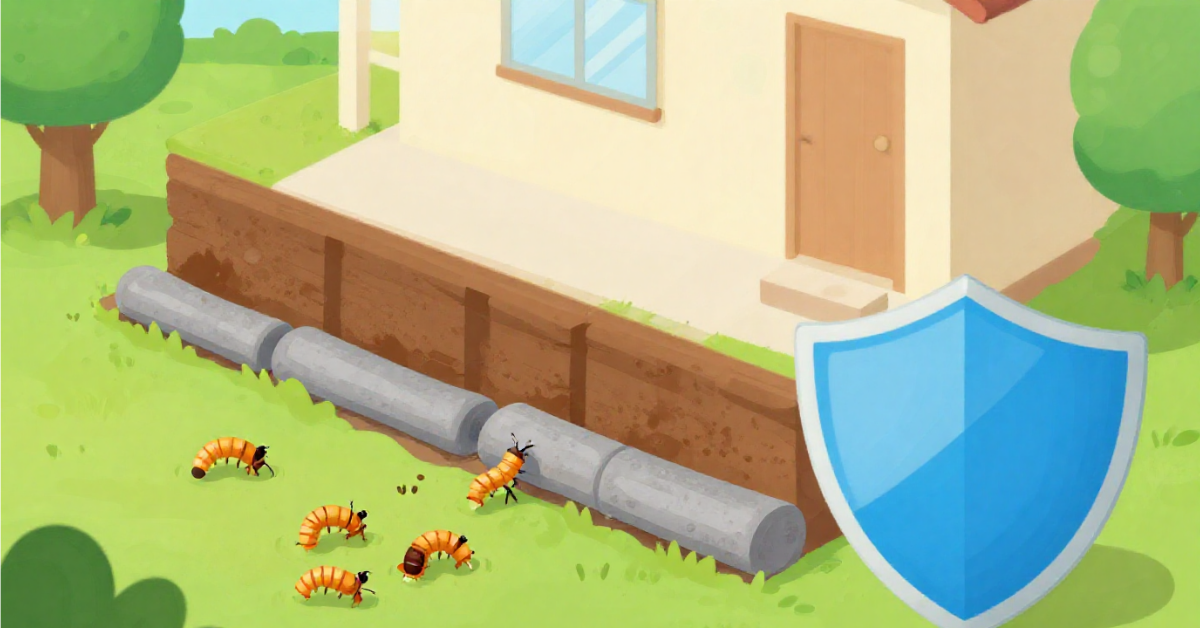
Introduction to Termites and Their Impact on Homes
Termites are social insects belonging to the order Isoptera, primarily known for their wood-destroying capabilities. These small creatures can cause significant structural damage to homes and buildings, making their management critical for homeowners in urban areas across India. There are several species of termites found in India, with the most common types being subterranean termites, drywood termites, and dampwood termites. Each of these species has unique behaviors and habitat preferences, affecting how they interact with human buildings.
The lifecycle of termites consists of distinct stages: egg, nymph, and adult, allowing populations to grow rapidly when conditions are favorable. They thrive in warm, humid environments, often making homes in cities like Delhi, Mumbai, Bangalore, Chennai, Hyderabad, Pune, and Kolkata ideal breeding grounds. Understanding the specific characteristics of the local termite species is pivotal in predicting infestation levels and planning for effective control measures.
Termite behavior often includes constructing tunnels and galleries within wood, which compromises the structural integrity of buildings. By feeding on cellulose materials, primarily found in wood and paper products, termites can lead to severe economic loss and jeopardize safety. This highlights the importance of establishing effective termite control strategies, especially for new homes that may not have undergone preventive treatments and for older homes that may be more vulnerable due to age and wear.
Investing in routine inspections and understanding termite behavior can help mitigate damage, ensuring that properties remain safe and sound. Utilizing professional pest control services is often recommended to address infestations promptly and effectively, safeguarding both residential and commercial properties from the debilitating impact of these pests.
Pre-Construction Soil Treatment: Protecting Your Home from the Ground Up
Termite infestations are a significant concern for homeowners in India, particularly as they can lead to extensive structural damage. Effective prevention starts at the foundation level with pre-construction soil treatment. This proactive approach significantly reduces the likelihood of termite invasion even before a structure is erected. Various chemical solutions are available, each designed to create a barrier against subterranean termites and other wood-destroying organisms.
Common treatment options include the use of organophosphate chemicals, which are effective in repelling and killing termites. These chemicals are often applied to the soil before the construction of the foundation to establish a protective barrier. Another popular choice is chlorpyrifos, known for its long-lasting effects. Both options involve a systematic application to ensure thorough coverage of the soil, making it crucial to adhere to manufacturers' guidelines during the application process.
Proper application techniques also play a critical role in the effectiveness of pre-construction treatments. It is essential to apply the chemicals to all excavated areas, including the perimeter of the structure and any areas that will hold concrete or masonry. This comprehensive approach ensures that potential termite pathways are effectively blocked.
In addition to chemical solutions, compliance with building codes and regulations regarding termite control is paramount. Many local authorities stipulate specific requirements for pre-construction soil treatment, emphasizing the importance of adopting best practices in the construction industry. Homeowners and builders alike are encouraged to stay informed about these regulations as they not only protect the property but also fulfill legal obligations.
By implementing thorough pre-construction soil treatments, homeowners can enjoy peace of mind, knowing that their investment is safeguarded against future termite threats. This preemptive measure is a vital step in achieving a termite-resistant foundation, ultimately protecting the home from the ground up.
Post-Construction Chemical Barriers: Ensuring Long-Term Protection
Post-construction chemical barriers represent a crucial strategy in termite control, particularly for homes already built. These barriers involve the application of specialized chemical substances around the foundation and in various parts of the house to create a protective shield against termite infestation. Their relevance extends beyond mere deterrence; they actively disrupt the termites' ability to access the wooden structures of the home, thereby significantly reducing the risk of damage.
There are primarily two types of chemical barriers that homeowners may consider: physical barriers, which include specially designed membranes, and liquid chemical barriers, which involve the use of soil-treated chemicals. Liquid chemical barriers often contain potent insecticides that effectively eliminate termites that come into contact with the treated areas. The application of these chemicals typically involves trenching around the foundation, injecting the chemicals into the soil, or creating a continuous barrier that termites cannot easily penetrate.
However, it is important to note that the effectiveness of these chemical barriers is not permanent. Regular maintenance and periodic inspections are essential to ensure that the barriers remain intact and functional. Over time, environmental factors can degrade the barrier, allowing for potential termite access. Therefore, annual inspections by pest control professionals can help identify any weaknesses or breaches in the barrier, ensuring sustained protection of the home.
Incorporating post-construction chemical barriers is an effective way to safeguard existing homes from termite damage. By understanding the types of chemical treatments available and emphasizing the importance of regular maintenance, homeowners can take proactive steps towards securing long-term protection against these destructive pests.
Signs of Termite Damage: Identifying Infestations Early
Termites are known as silent destroyers, capable of causing significant structural damage to your home before their presence is detected. Therefore, knowing the signs of termite damage is crucial for homeowners in India. Early detection can prevent extensive and costly repairs. One key indicator of a termite infestation is the presence of mud tubes.
Mud tubes are pencil-sized tunnels made from soil and wood that termites use to travel between their underground nests and food sources. These tubes often appear on walls, foundations, and other structures, providing a protective route for termites. If you spot these tubes, it is a strong sign of an active infestation.
Another alarming sign is damaged wood. Termites consume wood from the inside out, making it difficult to notice damage initially. As you inspect wooden structures, pay attention to hollow-sounding wood or small openings in wood surfaces. If the wood feels weak or crumbles easily, it may indicate active feeding by termites.
Frass, or termite droppings, is another telltale sign. This granular substance, similar in appearance to sawdust or pellets, can often be found near infested areas. Discovering frass inside or nearby wooden structures can signal that termites are feeding in that vicinity, indicating that immediate action is required.
Homeowners should conduct regular inspections in attics, basements, and crawl spaces to catch these warning signs early. It is advisable to look for soft spots in wood, presence of mud tubes, damaged drywall, and any signs of frass. Keeping a vigilant eye can help in identifying infestations early, thus minimizing the potential for extensive damage by termites.
Costs Involved in Termite Treatment in India
Termite infestation poses a considerable threat to homes, and addressing this issue involves various costs that can vary significantly across India. Understanding these expenses is crucial for homeowners who wish to protect their properties effectively. In general, costs associated with termite treatment can be classified into two main categories: pre-construction and post-construction treatments.
Pre-construction anti-termite treatment is typically integrated into the building process and can range from ₹25 to ₹70 per square foot, depending on the method used. Treatments may involve soil treatment with chemical barriers or the use of physical barriers. Additionally, location plays a significant role in pricing, with major cities experiencing higher costs due to increased labor and material expenses. For instance, cities like Mumbai and Delhi may have treatment costs that exceed those found in smaller towns.
Conversely, post-construction termite treatments are necessary when infestations occur in existing structures. The average cost for these services can range from ₹5,000 to ₹30,000, influenced by various factors such as the extent of the infestation and the treatment method selected. Common methods include baiting systems, liquid treatments, or fumigation, each with varying price points. For example, a localized treatment may be less costly compared to a whole-house fumigation.
It's essential to consider that ignoring termite problems can lead to severe structural damage over time, resulting in significantly higher repair costs. Hence, investing in timely termite treatment is often more economical than facing extensive damage later. Evaluating treatment options and costs can help homeowners make informed decisions to protect their investments.
Safety Tips and Precautions During Termite Treatment
Implementing termite control solutions within a household environment necessitates a careful approach to ensure the safety of all occupants, including pets and children. Homeowners should prioritize safety by adopting several recommended practices during treatment processes.
First and foremost, it is vital to utilize the appropriate protective equipment. Exterminators and homeowners alike should wear gloves, masks, and protective eyewear when handling termite treatment chemicals. These items shield against potential exposure to hazardous substances, minimizing health risks. Ensuring proper ventilation in the treated area can further enhance safety; open windows and doors to facilitate airflow and reduce chemical concentration.
When selecting products for termite eradication, consideration should be given to the safety profile of these chemicals. Homeowners are encouraged to choose environmentally friendly options when possible. Carefully reading and adhering to product labels is paramount; these labels provide essential information about usage and required precautions. For those utilizing professional services, it is advisable to inquire about the safety measures they implement and the types of chemicals employed in the treatment.
Another critical factor involves safeguarding pets and children from exposure to these chemicals during treatment and for a period afterward. Designating a safe area away from the treated zone, where children and pets can play and remain distance from potential harm, is crucial. It is also recommended that families evacuate the house for a specified duration post-application, as outlined by the manufacturer’s instructions, to ensure the environment is safe to return to.
In conclusion, prioritizing safety during termite control efforts cannot be overstated. By taking necessary precautions, utilizing protective gear, understanding chemical usage, and keeping vulnerable occupants at a safe distance, homeowners can effectively mitigate risks associated with termite treatment.
Preventive Solutions: Keeping Termites at Bay
Termite infestations can cause substantial damage to homes, making preventive measures essential for homeowners. To minimize the risk of these pests, a multifaceted approach should be adopted, focusing on landscaping, moisture control, and regular property inspections. First and foremost, it's crucial to assess the landscaping around your home. Maintaining a distance between mulch and the foundation is vital, as wood-based materials attract termites. Regularly trimming back shrubs and trees can also help eliminate potential access points for these pests.
Another critical component in preventing termite infestations is moisture control. Termites thrive in warm, moist environments, so managing water around the property is key. Homeowners should ensure that downspouts and gutters are functioning correctly, directing water away from the building. Fill in any depressions around the foundation where water tends to pool, and consider using dehumidifiers in damp basements or crawl spaces to reduce humidity levels that may attract termites.
Regular inspections of the property play a vital role in early detection. Monthly or quarterly inspections can identify early signs of termite activity, such as mud tubes or damaged wood. Look for any cracks in the foundation walls or signs of decay on wooden structures. Taking these measures can also help reinforce the integrity of your home and maintain its aesthetics.
Finally, collaborating with pest control professionals is a proactive strategy that ensures ongoing pest management. Experienced specialists can provide tailored advice and treatment plans suited to your home’s specific needs. They can also conduct thorough inspections and suggest necessary preventive treatments. By combining home maintenance efforts with professional support, homeowners can significantly reduce the likelihood of termite infestations, securing their property against these destructive pests.
Address:
264/5, Kamal Soroni Road, Mirpur, Dhaka-1216
Contact
Your Quaries on pest control askings
pestexterminatorbd@gmail.com
+8801642008383 +8801988300003, 01723057746
© 2025. All rights reserved. to Urban Pest Control Pvt. Ltd. this site is powered by Our Own IT Team